Cabinet Power Distribution Systems - Advanced Electrical Solutions for Industrial and Commercial Applications

Get a Free Quote

Our representative will contact you soon.
Email
Name
Company Name
WhatsApp
Message
0/1000

cabinet power distribution

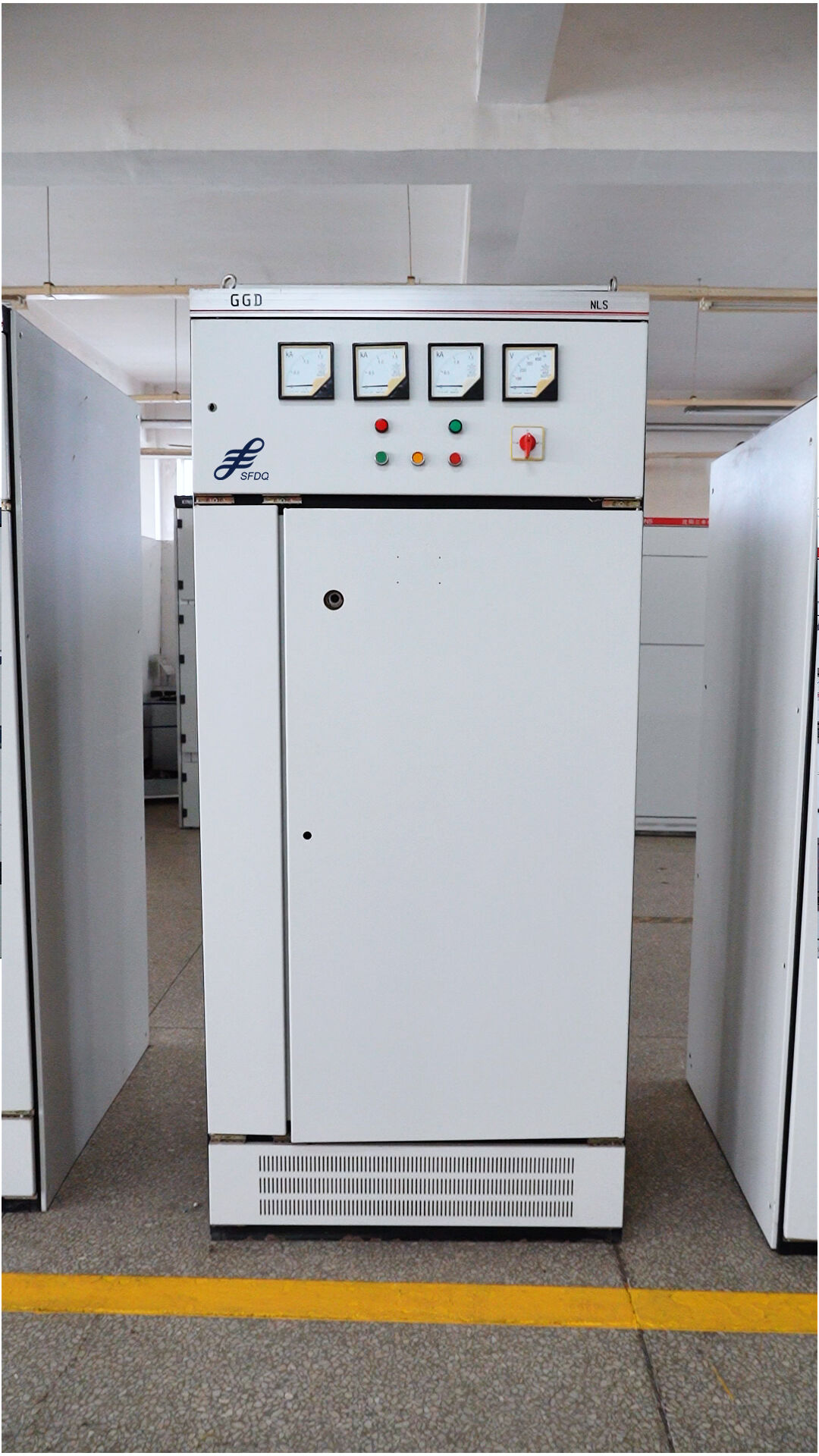
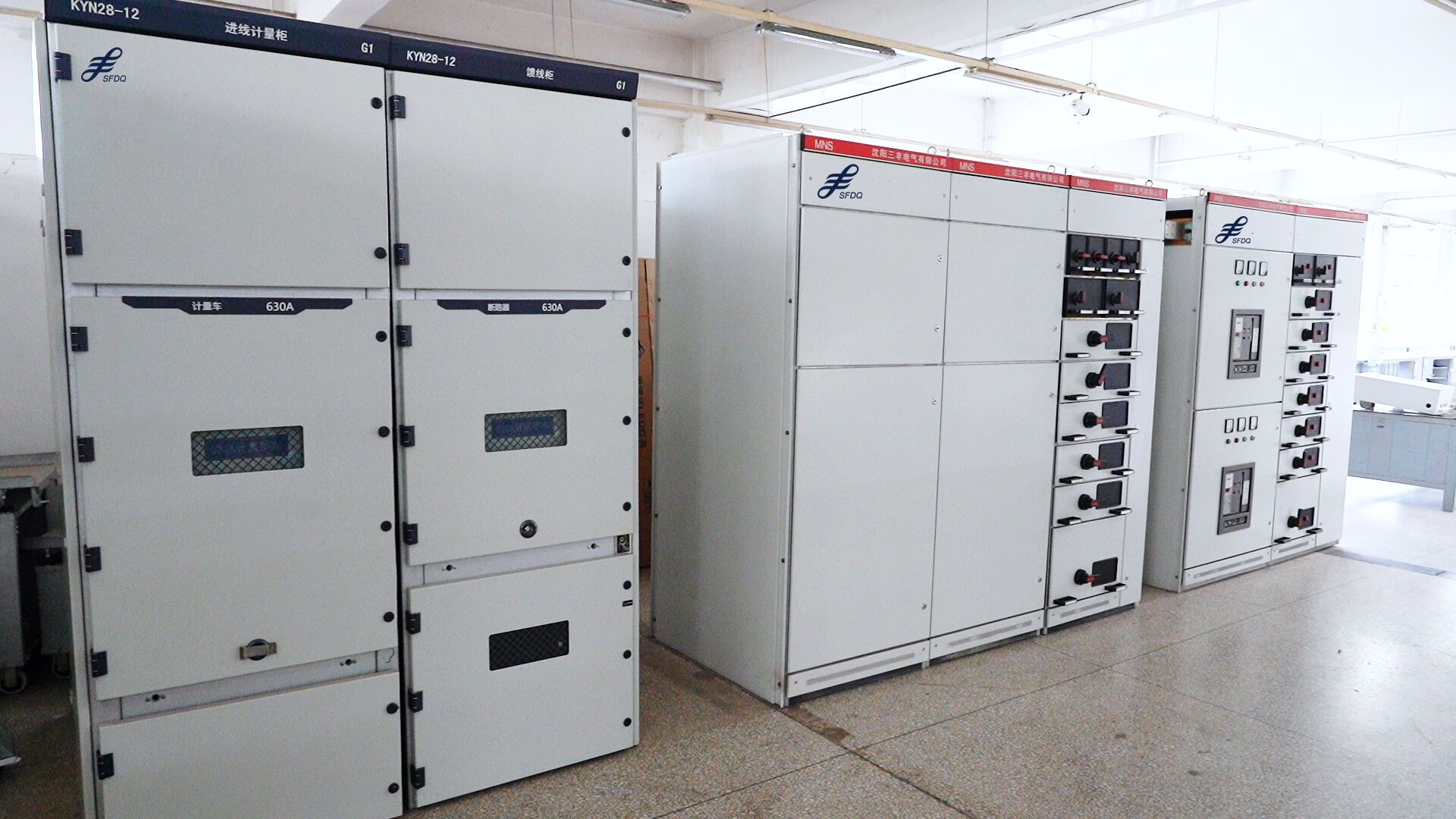
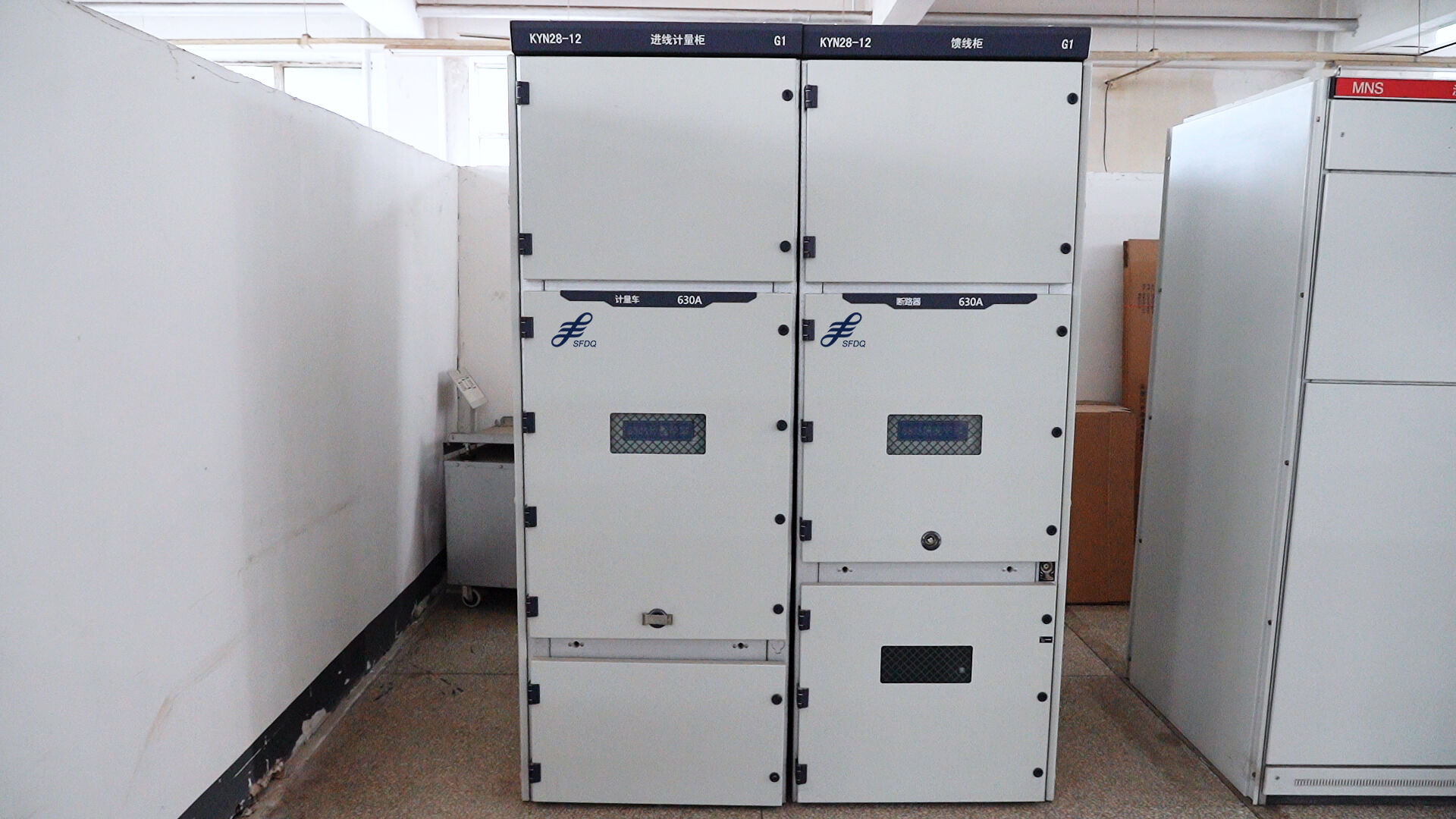
Cabinet power distribution represents a sophisticated electrical infrastructure solution designed to efficiently manage and distribute electrical power within industrial, commercial, and residential facilities. This comprehensive system serves as the central hub for electrical distribution, incorporating advanced switching mechanisms, protective devices, and monitoring capabilities within a secure, organized enclosure. The cabinet power distribution system fundamentally transforms how electrical energy flows from primary sources to end-user equipment, ensuring optimal performance, safety, and reliability across diverse applications. Modern cabinet power distribution units integrate cutting-edge technologies including digital monitoring systems, smart relays, and automated switching components that provide real-time operational data and enhanced control capabilities. These systems feature modular construction allowing for scalable configurations that adapt to changing power requirements and facility expansions. The technological architecture incorporates multiple protection layers including overcurrent protection, earth fault monitoring, and arc fault detection mechanisms that safeguard both equipment and personnel. Cabinet power distribution solutions accommodate various voltage levels from low voltage residential applications to high voltage industrial implementations, providing flexible power management across different operational environments. The enclosure design prioritizes accessibility for maintenance while maintaining strict safety standards through proper segregation of live components and comprehensive labeling systems. Advanced cabinet power distribution systems include communication interfaces enabling integration with building management systems and remote monitoring platforms. Environmental considerations drive the incorporation of energy-efficient components and power quality improvement features that reduce overall operational costs. The modular approach facilitates future upgrades and modifications without requiring complete system replacement, ensuring long-term investment protection and adaptability to evolving technological requirements.

Popular Products

Cabinet power distribution systems deliver exceptional operational reliability through their robust construction and comprehensive protection mechanisms. These systems significantly reduce downtime by incorporating redundant pathways and automatic fault isolation features that maintain power continuity even during component failures. The centralized design streamlines maintenance procedures, allowing technicians to access all critical components from a single location, thereby reducing service time and associated costs. Enhanced safety features protect personnel through proper compartmentalization, clear identification systems, and integrated lockout-tagout mechanisms that prevent accidental contact with energized components. Cabinet power distribution units optimize space utilization by consolidating multiple electrical functions within compact enclosures, freeing valuable floor space for productive operations. The standardized mounting systems and pre-engineered configurations accelerate installation processes, reducing project timelines and labor costs compared to traditional field-assembled alternatives. Advanced monitoring capabilities provide continuous oversight of electrical parameters, enabling predictive maintenance strategies that prevent costly equipment failures and extend operational lifespan. Energy efficiency improvements result from power factor correction capabilities and load balancing features that minimize electrical losses and reduce utility costs. The modular architecture supports phased implementations, allowing organizations to expand electrical capacity incrementally as operational demands grow. Quality assurance benefits emerge from factory testing and certification processes that ensure consistent performance and compliance with safety standards. Cabinet power distribution systems enhance operational flexibility through configurable switching arrangements and adaptable control interfaces that accommodate changing operational requirements. Remote monitoring and control capabilities enable centralized management of distributed facilities, reducing staffing requirements and improving response times to electrical issues. The integrated design approach eliminates compatibility concerns between different manufacturers' components, ensuring reliable operation and simplified procurement processes. Cost predictability improves through standardized designs and established pricing structures that facilitate accurate project budgeting and financial planning.

Latest News

​Cable Tray: The Backbone of Efficient Cable Management - From SFDQ Factory

20

Nov

​Cable Tray: The Backbone of Efficient Cable Management - From SFDQ Factory

View More
Why Choose SFDQ’s Cable Tray?

20

Nov

Why Choose SFDQ’s Cable Tray?

View More
Unlock the Power of Factory Cable Trays with CE and ISO Certifications

20

Nov

Unlock the Power of Factory Cable Trays with CE and ISO Certifications

View More
SFDQ Participates in Saudi Exhibitions

05

Dec

SFDQ Participates in Saudi Exhibitions

Bringing High-Quality Cable Trays to Deepen Presence in the Middle East Infrastructure Market​
View More

Get a Free Quote

Our representative will contact you soon.
Email
Name
Company Name
WhatsApp
Message
0/1000

cabinet power distribution

Advanced Intelligent Monitoring and Control Systems

Advanced Intelligent Monitoring and Control Systems

Cabinet power distribution systems incorporate sophisticated intelligent monitoring and control technologies that revolutionize electrical management capabilities for modern facilities. These advanced systems feature comprehensive digital instrumentation that continuously tracks critical electrical parameters including voltage levels, current consumption, power factor, harmonic distortion, and energy usage patterns. The intelligent monitoring infrastructure provides real-time data visualization through intuitive graphical interfaces, enabling operators to make informed decisions about power distribution optimization and load management strategies. Predictive analytics capabilities analyze historical performance data to identify potential issues before they develop into costly failures, supporting proactive maintenance programs that maximize equipment reliability and minimize unplanned downtime. The control systems integrate seamlessly with building automation platforms and enterprise management systems, creating centralized oversight capabilities for multi-facility operations. Remote access functionality allows authorized personnel to monitor and control cabinet power distribution systems from any location, improving response times and reducing the need for on-site technical staff. Advanced alarm management features provide immediate notification of abnormal conditions through multiple communication channels including email alerts, SMS messaging, and integration with existing facility management systems. The intelligent systems support automatic load shedding and transfer switching operations that maintain critical power supplies during emergency conditions or utility outages. Customizable reporting capabilities generate detailed performance analyses, energy consumption reports, and maintenance schedules that support regulatory compliance and operational optimization initiatives. The monitoring systems maintain comprehensive event logs and historical databases that facilitate troubleshooting, performance analysis, and system optimization efforts. Integration capabilities extend to renewable energy sources and energy storage systems, enabling sophisticated power management strategies that optimize cost and environmental impact. These intelligent features transform cabinet power distribution from passive infrastructure into active management tools that contribute directly to operational efficiency and cost reduction objectives.
Modular Design Architecture for Ultimate Flexibility

Modular Design Architecture for Ultimate Flexibility

The modular design architecture of cabinet power distribution systems represents a paradigm shift in electrical infrastructure planning, offering unprecedented flexibility and adaptability for diverse operational requirements. This innovative approach utilizes standardized building blocks that can be combined in virtually unlimited configurations to create customized solutions for specific applications. The modular framework accommodates future expansion requirements without necessitating complete system replacement, protecting initial investments while enabling organic growth strategies. Each module incorporates specialized functions such as metering, protection, switching, or distribution, allowing precise matching of system capabilities to operational needs. The standardized interfaces between modules ensure seamless integration and reliable performance regardless of configuration complexity. Manufacturing efficiency benefits from the modular approach through economies of scale and reduced production complexity, resulting in cost advantages that are passed on to end users. Installation processes become significantly simplified through pre-configured modules that require minimal field assembly and commissioning time. The modular architecture supports rapid deployment strategies for time-critical projects where traditional custom-engineered solutions would create unacceptable delays. Quality assurance improves through factory testing of individual modules under controlled conditions, ensuring consistent performance and reliability across all system components. Maintenance strategies benefit from module-level serviceability that allows replacement of specific components without affecting entire system operation. The design flexibility accommodates special requirements including explosion-proof enclosures, marine-grade construction, or extreme temperature applications through specialized module variants. Standardization efforts reduce spare parts inventory requirements and simplify technician training programs, contributing to lower total cost of ownership. Future technology integration becomes straightforward through module replacement strategies that upgrade specific functions without requiring comprehensive system modifications. The modular approach supports phased implementation strategies that align capital expenditure with operational growth patterns, improving financial management and cash flow optimization.
Comprehensive Safety and Protection Features

Comprehensive Safety and Protection Features

Cabinet power distribution systems incorporate multiple layers of comprehensive safety and protection features that establish industry-leading standards for personnel protection and equipment preservation. The advanced protection architecture includes sophisticated overcurrent protection devices that respond instantly to fault conditions, preventing equipment damage and minimizing safety hazards. Arc fault detection systems utilize advanced sensing technologies to identify dangerous arcing conditions before they develop into serious incidents, automatically isolating affected circuits to prevent fire hazards and equipment destruction. Ground fault monitoring capabilities provide continuous supervision of electrical system integrity, immediately detecting insulation failures that could create shock hazards or equipment damage. The protection coordination systems ensure selective operation during fault conditions, isolating only the affected circuit sections while maintaining power to unaffected areas. Physical safety features include comprehensive barrier systems that prevent accidental contact with energized components, while maintaining accessibility for authorized maintenance activities. Integrated lockout-tagout mechanisms provide secure isolation procedures that protect maintenance personnel during service operations. Environmental protection features shield critical components from dust, moisture, and corrosive atmospheres that could compromise system reliability and safety. The enclosure design incorporates proper ventilation and thermal management systems that prevent overheating conditions while maintaining environmental protection standards. Safety labeling and identification systems provide clear guidance for operational and maintenance personnel, reducing the risk of errors that could compromise safety or system performance. Emergency shutdown capabilities enable rapid system isolation during emergency conditions, with manual and automatic activation options available. The protection systems include comprehensive monitoring and diagnostic capabilities that provide early warning of developing problems before they compromise safety or reliability. Communication interfaces enable integration with facility emergency systems and fire protection networks, coordinating responses to electrical emergencies. Testing and maintenance features allow periodic verification of protection system functionality without compromising operational safety or system availability. These comprehensive safety measures ensure cabinet power distribution systems meet or exceed all applicable safety standards while providing reliable protection for personnel and equipment investments.
Inquiry Inquiry Email Email Tel Tel TopTop

Get a Free Quote

Our representative will contact you soon.
Email
Name
Company Name
WhatsApp
Message
0/1000