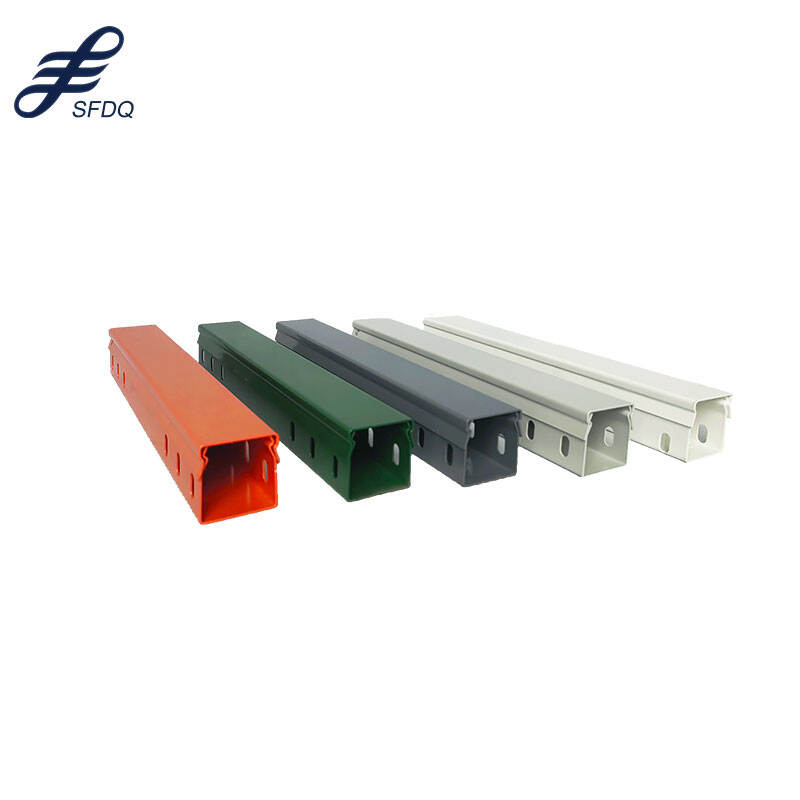
4 cable tray
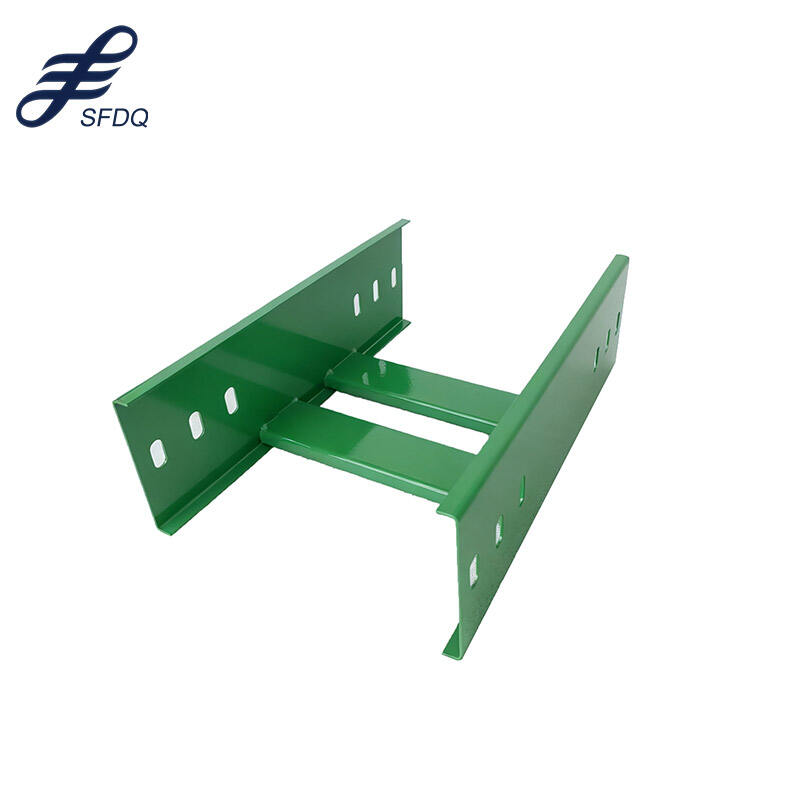
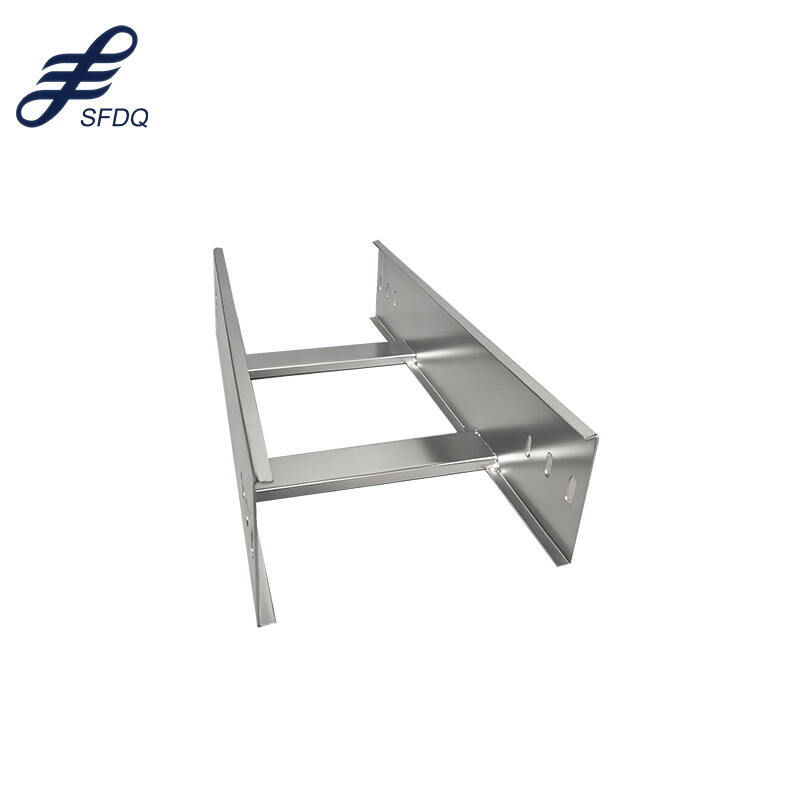
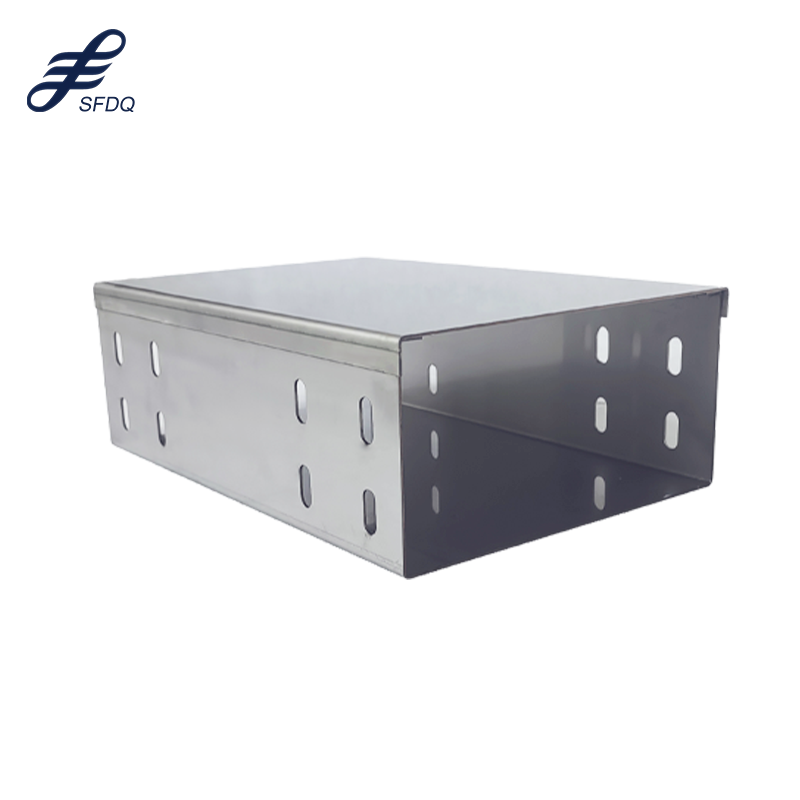
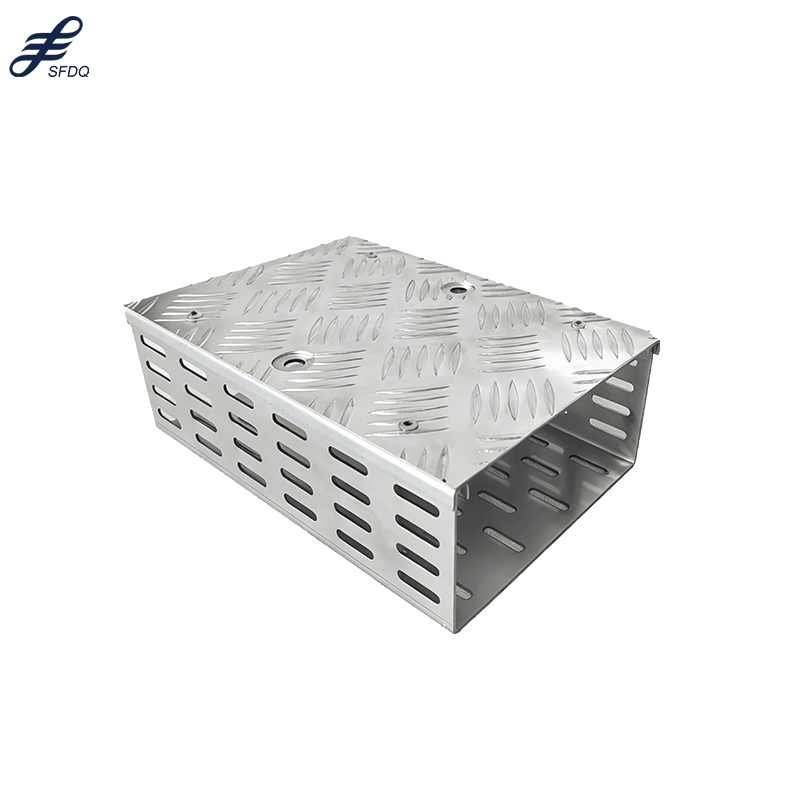
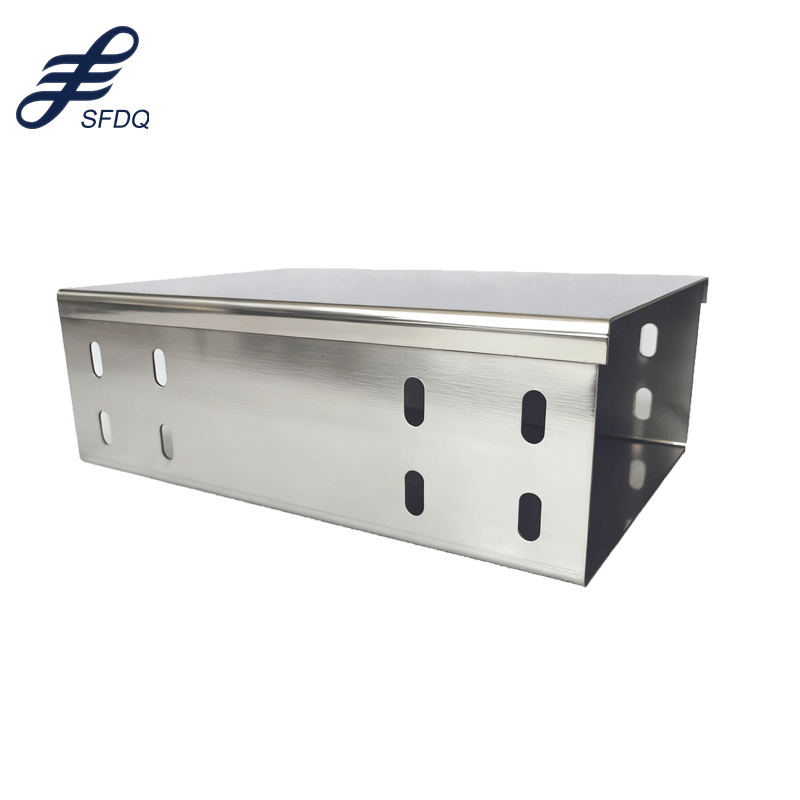
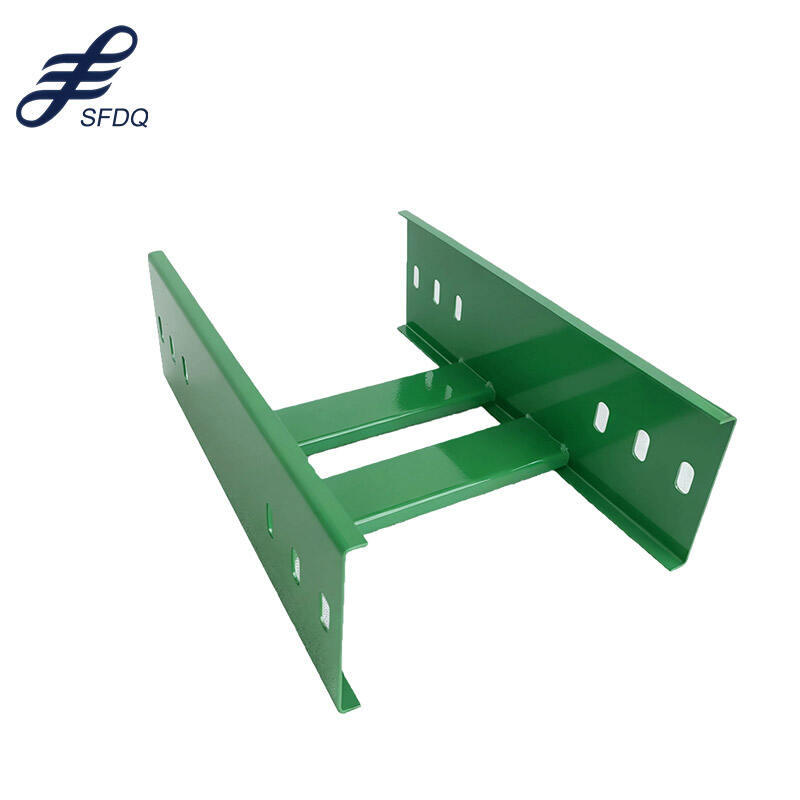
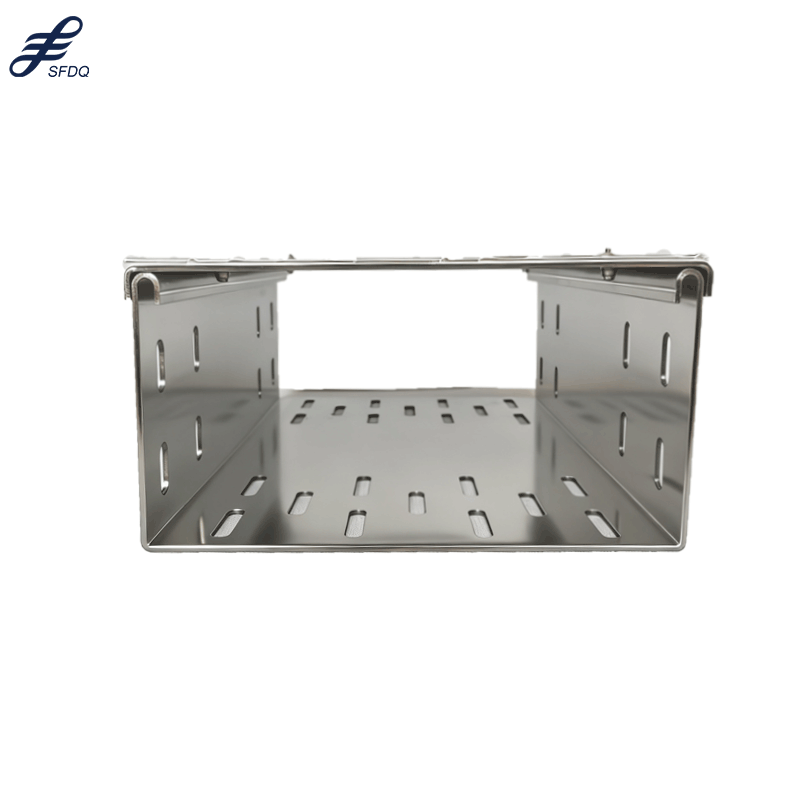
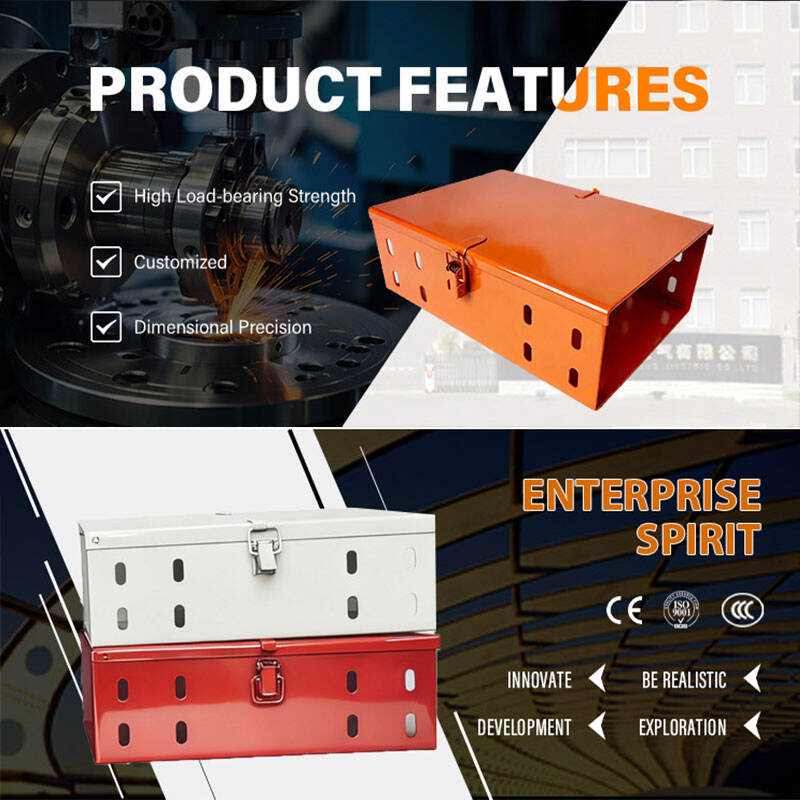
The 4 cable tray represents a revolutionary advancement in cable management systems, designed to streamline electrical installations across diverse industrial and commercial environments. This innovative infrastructure solution serves as the backbone for organizing, supporting, and protecting electrical cables throughout buildings, manufacturing facilities, and data centers. The 4 cable tray system incorporates cutting-edge engineering principles that prioritize both functionality and durability, making it an essential component for modern electrical installations. At its core, the 4 cable tray functions as a comprehensive cable management platform that eliminates the chaos often associated with traditional wiring methods. The system provides structured pathways for electrical conductors, ensuring proper ventilation, easy access for maintenance, and optimal cable protection. Its modular design allows for flexible configurations that can adapt to various architectural requirements and electrical load specifications. The technological features of the 4 cable tray include precision-engineered mounting systems, corrosion-resistant materials, and standardized dimensions that ensure compatibility with existing infrastructure. The tray utilizes high-grade steel or aluminum construction, depending on environmental requirements, with specialized coatings that provide long-term protection against moisture, chemicals, and temperature fluctuations. Advanced perforation patterns optimize airflow while maintaining structural integrity, preventing cable overheating and extending operational lifespan. Applications for the 4 cable tray span numerous industries, including manufacturing plants, commercial office buildings, hospitals, educational institutions, and telecommunications facilities. In data centers, the 4 cable tray system manages complex network infrastructures, while industrial settings benefit from its robust construction that withstands harsh operating conditions. The system proves particularly valuable in environments requiring frequent cable modifications or expansions, as its accessible design simplifies future upgrades and maintenance procedures.
 EN
EN