Comprehensive Guide to Perforated Cable Tray Types: Benefits, Applications, and Technical Features

Get a Free Quote

Our representative will contact you soon.
Email
Name
Company Name
WhatsApp
Message
0/1000

perforated cable tray types

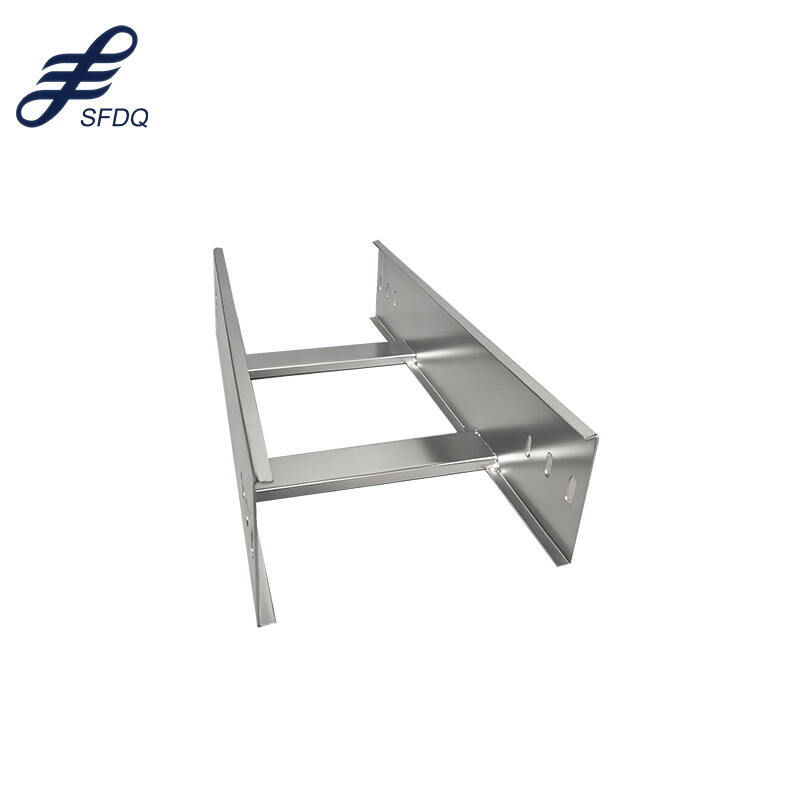
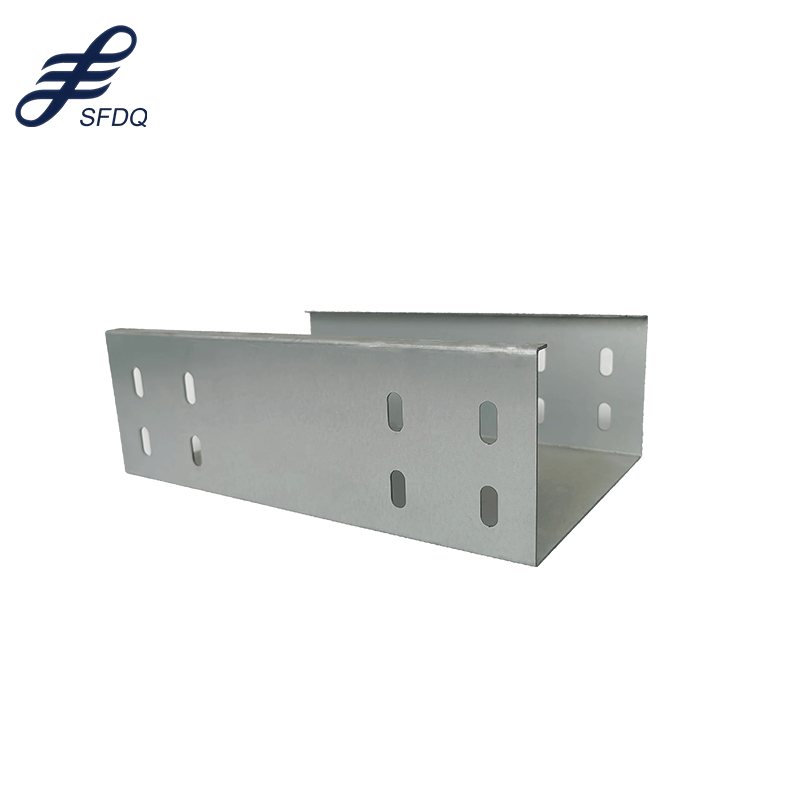
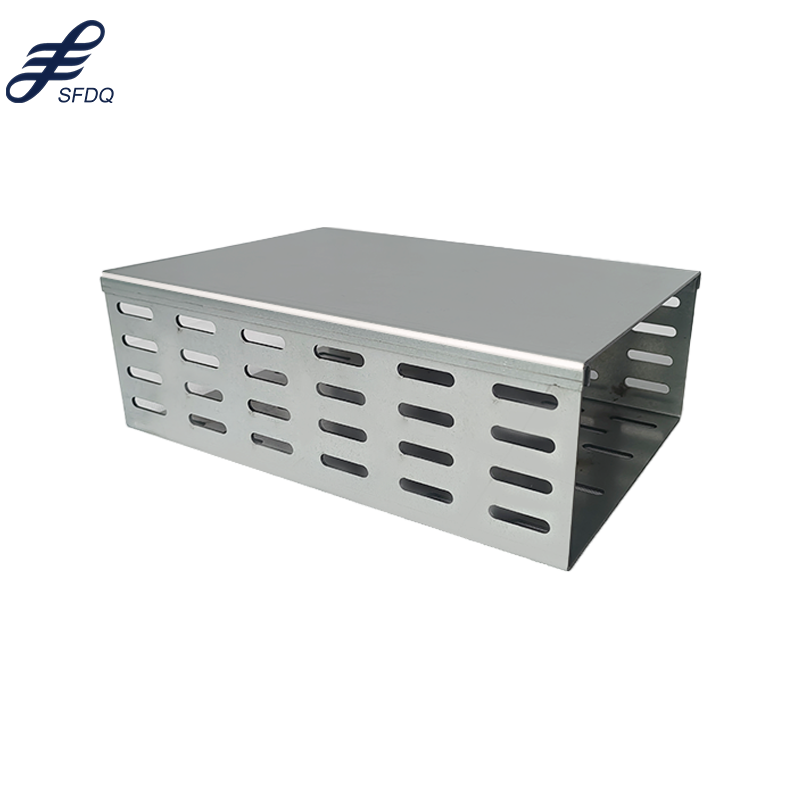
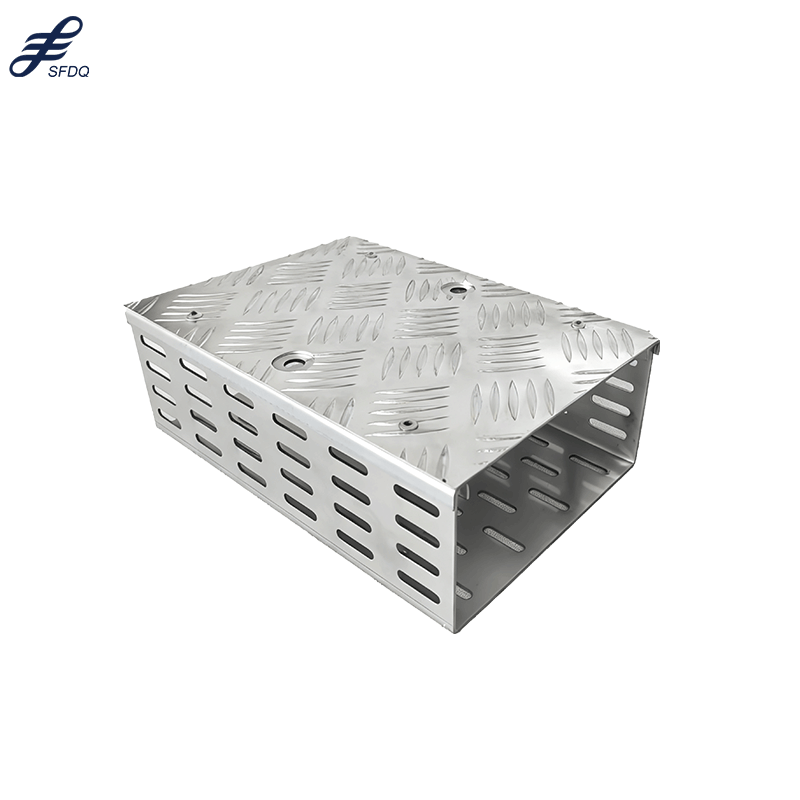
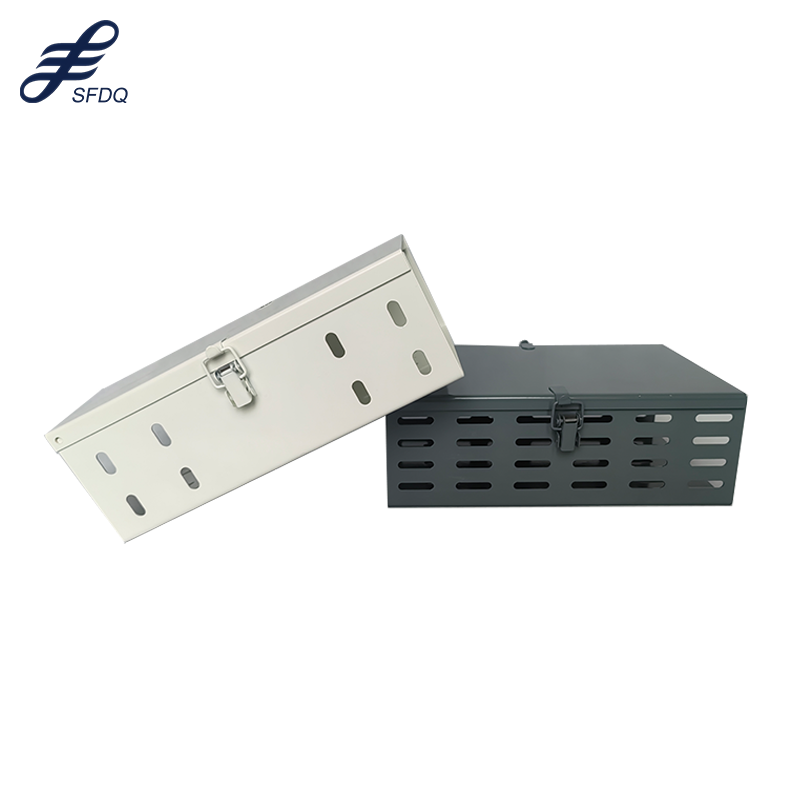
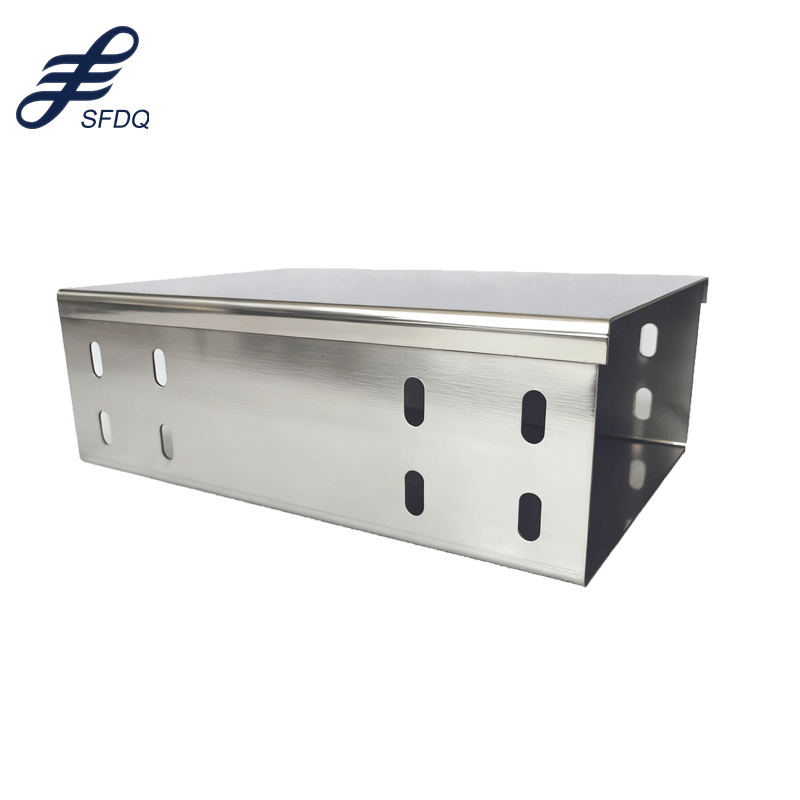
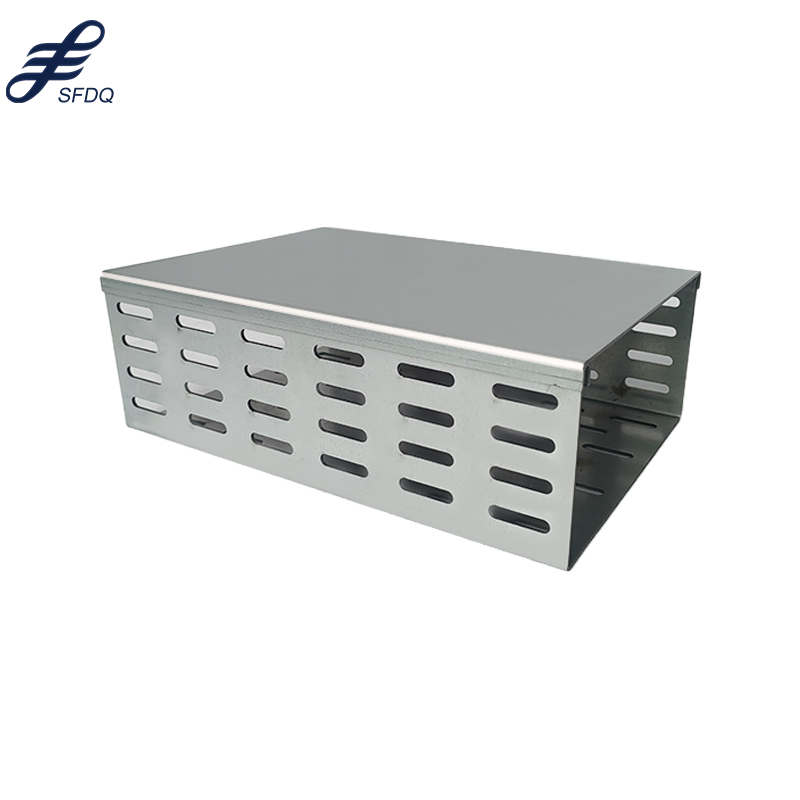
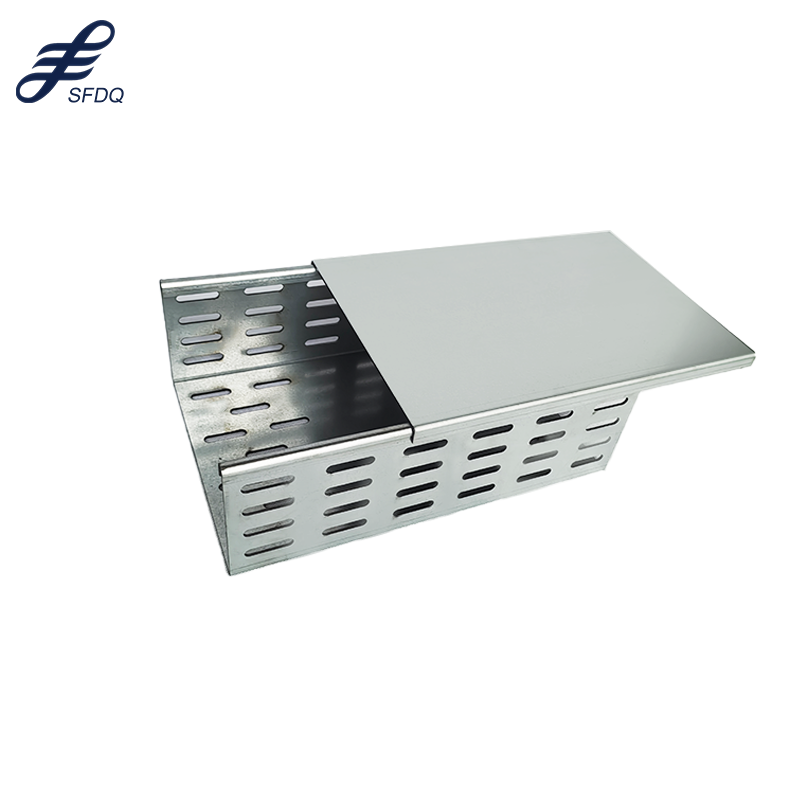
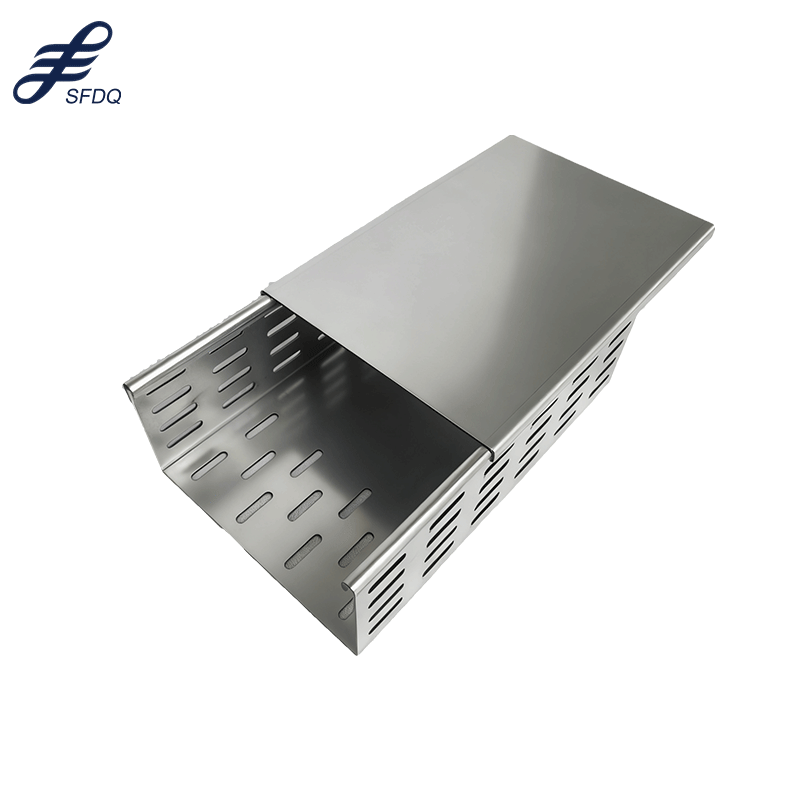
Perforated cable tray types represent a sophisticated solution in modern electrical infrastructure management, designed to provide superior cable organization while maintaining optimal airflow and accessibility. These specialized cable management systems feature strategically placed holes throughout their structure, distinguishing them from solid-bottom alternatives and making them ideal for various industrial and commercial applications. The primary function of perforated cable tray types centers on efficient cable routing, support, and protection while facilitating natural ventilation that prevents heat buildup in cable bundles. The technological features of perforated cable tray types include precision-engineered perforation patterns that balance structural integrity with ventilation requirements. Manufacturing typically involves high-grade steel or aluminum materials, with hole patterns calculated to provide maximum airflow without compromising load-bearing capacity. These systems incorporate modular design principles, allowing for easy installation, modification, and expansion as electrical infrastructure needs evolve. The perforations are strategically sized and positioned to prevent cable sag while ensuring adequate support across the entire length of the installation. Applications for perforated cable tray types span numerous industries, including data centers, manufacturing facilities, commercial buildings, hospitals, and educational institutions. In data centers, these systems excel at managing high-density cable runs while preventing overheating through enhanced air circulation. Manufacturing environments benefit from the robust construction and easy maintenance access that perforated designs provide. Commercial installations appreciate the aesthetic appeal and practical functionality that these cable management solutions offer. The versatility of perforated cable tray types makes them suitable for both indoor and outdoor installations, with appropriate coating options available for harsh environmental conditions. These systems effectively handle power cables, control wiring, communication lines, and fiber optic installations with equal proficiency.

New Product Releases

The advantages of perforated cable tray types deliver substantial practical benefits that directly impact operational efficiency and cost-effectiveness for businesses across various industries. Enhanced ventilation stands as the most significant advantage, as the strategic perforations allow air to circulate freely around cables, preventing heat accumulation that can damage sensitive electrical components and reduce system reliability. This natural cooling mechanism eliminates the need for additional ventilation equipment in many installations, resulting in lower energy costs and reduced maintenance requirements. The lightweight construction of perforated cable tray types provides easier handling during installation while maintaining exceptional strength and durability. Installation teams can work more efficiently with these systems, reducing labor costs and project timelines without sacrificing structural integrity or performance standards. The modular design facilitates quick modifications and expansions, allowing businesses to adapt their electrical infrastructure as operational needs change without requiring complete system overhauls. Maintenance accessibility represents another crucial advantage, as the open design allows technicians to easily identify, access, and service cables without removing entire sections of the tray system. This accessibility translates to reduced downtime during maintenance procedures and faster troubleshooting when issues arise. The perforated structure also enables better cable identification and management, as technicians can visually inspect cable conditions and routing paths more effectively than with closed-bottom alternatives. Cost-effectiveness emerges as a compelling advantage, as perforated cable tray types typically require less material than solid alternatives while providing superior performance characteristics. The reduced material usage translates to lower initial investment costs and decreased shipping expenses due to lighter weight. Long-term operational savings accumulate through reduced maintenance requirements, improved cable longevity due to better heat dissipation, and decreased risk of system failures caused by overheating. These systems also comply with various building codes and safety standards more easily due to their fire-resistant properties and improved evacuation characteristics in emergency situations. The aesthetic appeal of perforated cable tray types contributes to cleaner, more professional-looking installations that enhance the overall appearance of industrial and commercial spaces.

Latest News

​Cable Tray: The Backbone of Efficient Cable Management - From SFDQ Factory

20

Nov

​Cable Tray: The Backbone of Efficient Cable Management - From SFDQ Factory

View More
Why Choose SFDQ’s Cable Tray?

20

Nov

Why Choose SFDQ’s Cable Tray?

View More
Unlock the Power of Factory Cable Trays with CE and ISO Certifications

20

Nov

Unlock the Power of Factory Cable Trays with CE and ISO Certifications

View More
SFDQ Participates in Saudi Exhibitions

05

Dec

SFDQ Participates in Saudi Exhibitions

Bringing High-Quality Cable Trays to Deepen Presence in the Middle East Infrastructure Market​
View More

Get a Free Quote

Our representative will contact you soon.
Email
Name
Company Name
WhatsApp
Message
0/1000

perforated cable tray types

Superior Heat Dissipation and Thermal Management

Superior Heat Dissipation and Thermal Management

The exceptional thermal management capabilities of perforated cable tray types represent a revolutionary advancement in electrical infrastructure design, addressing one of the most critical challenges in modern cable installations. The precision-engineered perforation patterns create an optimal balance between structural support and airflow optimization, ensuring that heat generated by electrical cables dissipates efficiently throughout the system. This superior heat dissipation prevents the formation of hot spots that can degrade cable insulation, reduce electrical efficiency, and potentially cause system failures or fire hazards. The scientific approach to perforation design considers factors such as hole diameter, spacing patterns, and overall open area percentage to maximize thermal benefits while maintaining structural integrity. In high-density cable installations commonly found in data centers, industrial facilities, and commercial buildings, heat accumulation poses a significant threat to system reliability and operational continuity. Perforated cable tray types address this challenge by facilitating natural convection currents that continuously remove heat from cable bundles, creating a self-regulating thermal environment that operates without additional energy consumption. This natural cooling mechanism reduces the burden on HVAC systems, resulting in lower operational costs and improved energy efficiency across the entire facility. The thermal management benefits extend beyond immediate heat removal, as consistent temperature control helps maintain optimal electrical conductivity and extends cable service life significantly. Industry studies demonstrate that proper thermal management can increase cable lifespan by up to 40 percent, representing substantial cost savings over the operational lifetime of electrical installations. Additionally, the improved thermal characteristics reduce the risk of thermal expansion and contraction cycles that can stress cable connections and mounting hardware, further enhancing system reliability and reducing maintenance requirements.
Enhanced Structural Efficiency and Load Distribution

Enhanced Structural Efficiency and Load Distribution

The structural engineering excellence of perforated cable tray types delivers unparalleled load distribution and mechanical performance that surpasses traditional cable management solutions in both efficiency and reliability. The strategic perforation pattern creates a unique structural matrix that distributes loads more effectively across the entire tray surface while reducing overall material requirements and system weight. This innovative design approach utilizes advanced engineering principles to optimize the relationship between material usage, structural strength, and functional performance, resulting in cable management systems that exceed industry standards for load-bearing capacity. The perforated design eliminates stress concentration points commonly found in solid-bottom trays, where localized loading can create weak points susceptible to failure under heavy cable loads or environmental stresses. Instead, the distributed perforation pattern creates multiple load paths that share mechanical stresses more evenly, enhancing the overall structural resilience of the installation. This superior load distribution capability allows perforated cable tray types to support heavier cable loads over longer spans with fewer support points, reducing installation complexity and material costs while improving aesthetic appeal. The weight reduction achieved through strategic material removal does not compromise structural integrity but rather enhances it by eliminating unnecessary mass that could contribute to sagging or deflection under load. Advanced computer modeling and finite element analysis guide the perforation design process, ensuring optimal hole placement and sizing that maximizes structural efficiency while maintaining required safety factors. The resulting systems demonstrate exceptional resistance to various loading conditions, including static loads from cable weight, dynamic loads from thermal expansion, and environmental loads from wind or seismic activity. This comprehensive structural approach enables perforated cable tray types to meet or exceed the most demanding engineering specifications while providing cost-effective solutions for complex cable management challenges across diverse industrial and commercial applications.
Versatile Installation and Maintenance Accessibility

Versatile Installation and Maintenance Accessibility

The remarkable versatility and accessibility features of perforated cable tray types revolutionize installation procedures and ongoing maintenance operations, delivering unprecedented flexibility and operational efficiency for electrical contractors and facility maintenance teams. The open perforation design provides comprehensive visual access to all cables throughout the installation, enabling technicians to quickly identify specific circuits, assess cable conditions, and perform maintenance tasks without dismantling sections of the cable management system. This accessibility advantage translates to significant time savings during both initial installation and long-term maintenance activities, as workers can easily route new cables, remove obsolete wiring, and conduct inspections without disrupting adjacent systems or creating unnecessary downtime. The lightweight construction and modular design philosophy of perforated cable tray types facilitate rapid installation procedures that require fewer personnel and specialized equipment compared to heavier cable management alternatives. Installation teams can handle longer sections more easily, reducing the number of joints and support points required while maintaining structural integrity and professional appearance. The perforation pattern also provides convenient attachment points for cable ties, separators, and identification labels, streamlining cable organization and management processes throughout the system lifecycle. Maintenance accessibility extends beyond routine inspections to include emergency repairs and system modifications, where the open design allows rapid identification of problems and implementation of solutions without extensive system shutdowns. The enhanced visibility provided by perforated cable tray types enables proactive maintenance approaches, as potential issues can be identified and addressed before they develop into costly failures or safety hazards. This predictive maintenance capability reduces overall operational costs and improves system reliability by preventing unexpected outages and extending equipment service life. Furthermore, the modular construction supports phased installation approaches where systems can be installed and energized in sections, allowing facilities to maintain operations while upgrading their electrical infrastructure progressively.
Inquiry Inquiry Email Email Tel Tel TopTop

Get a Free Quote

Our representative will contact you soon.
Email
Name
Company Name
WhatsApp
Message
0/1000