floor cable tray
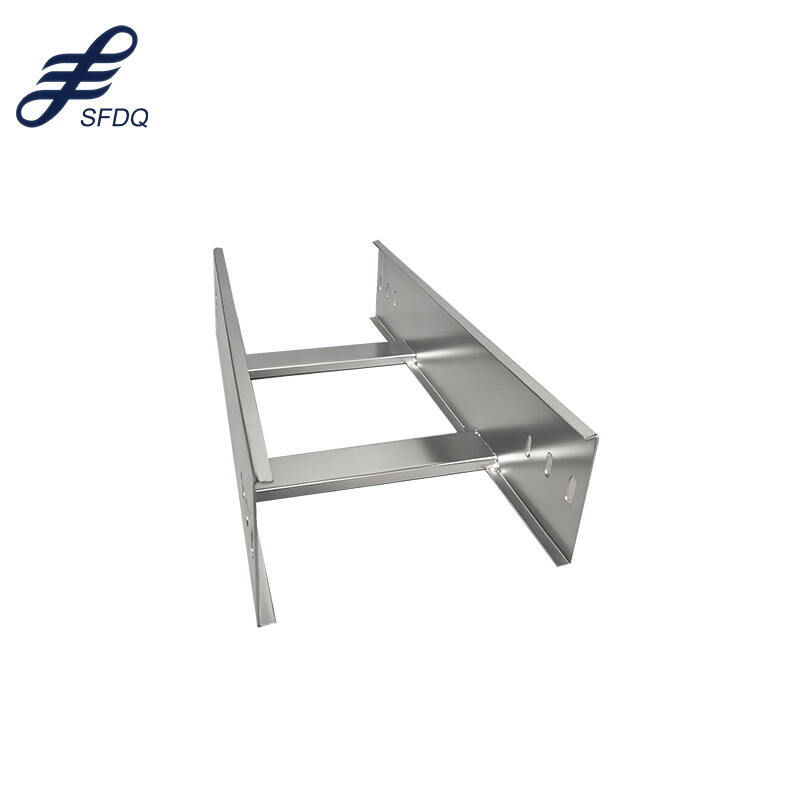
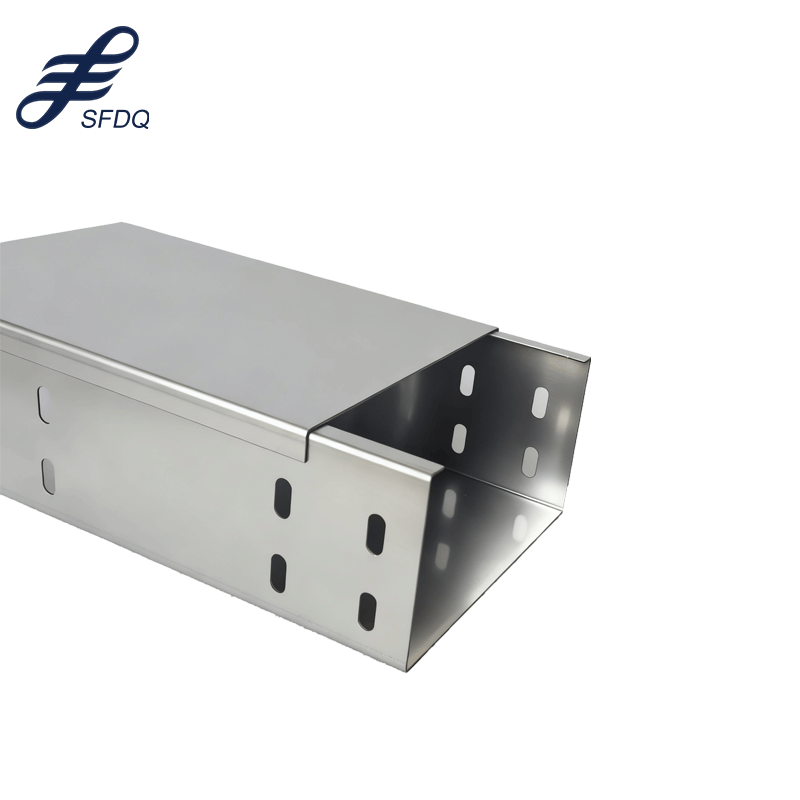
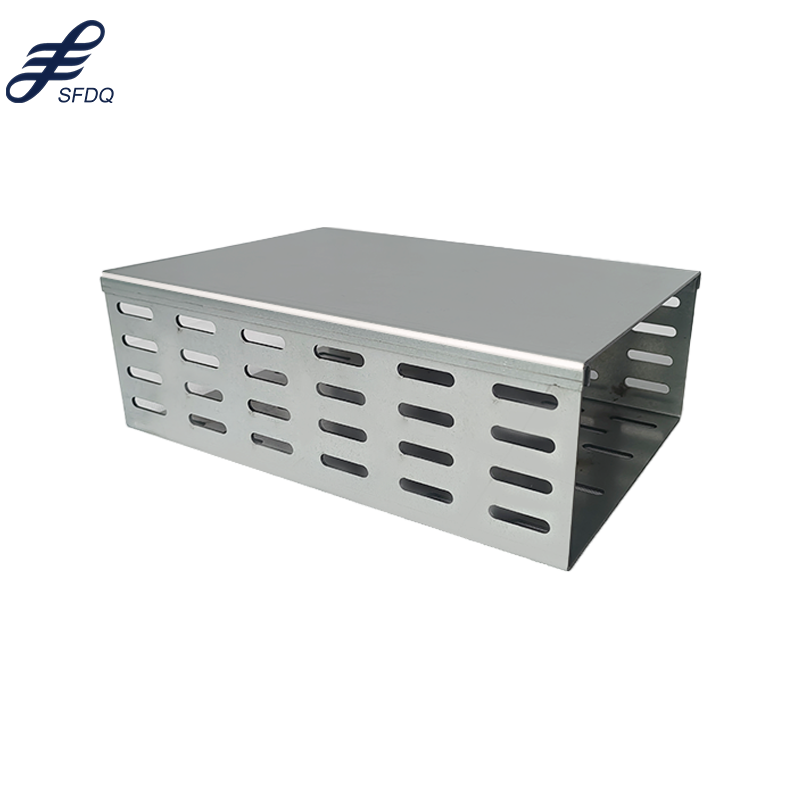
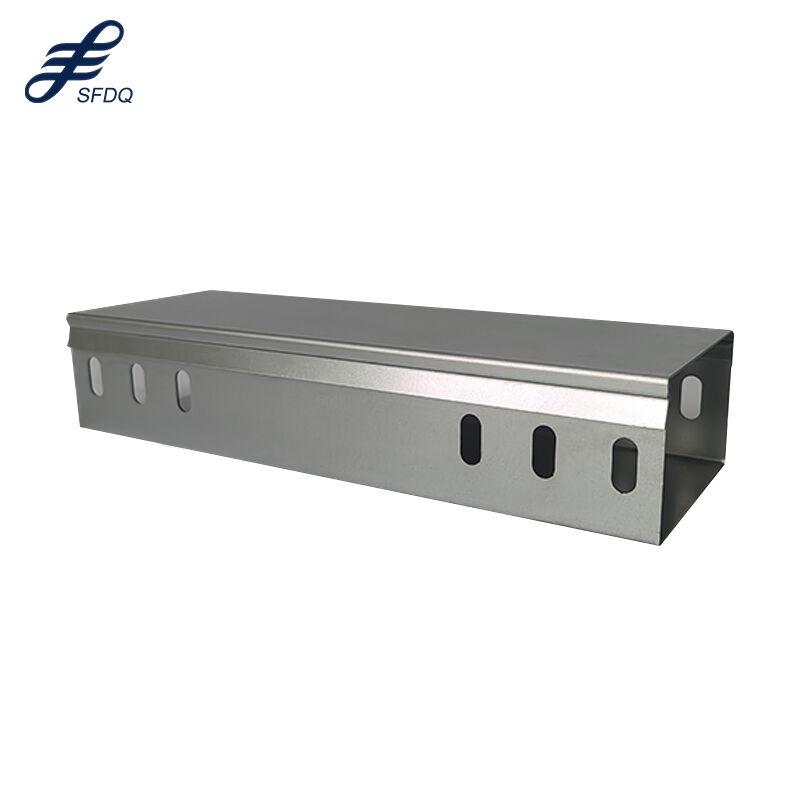
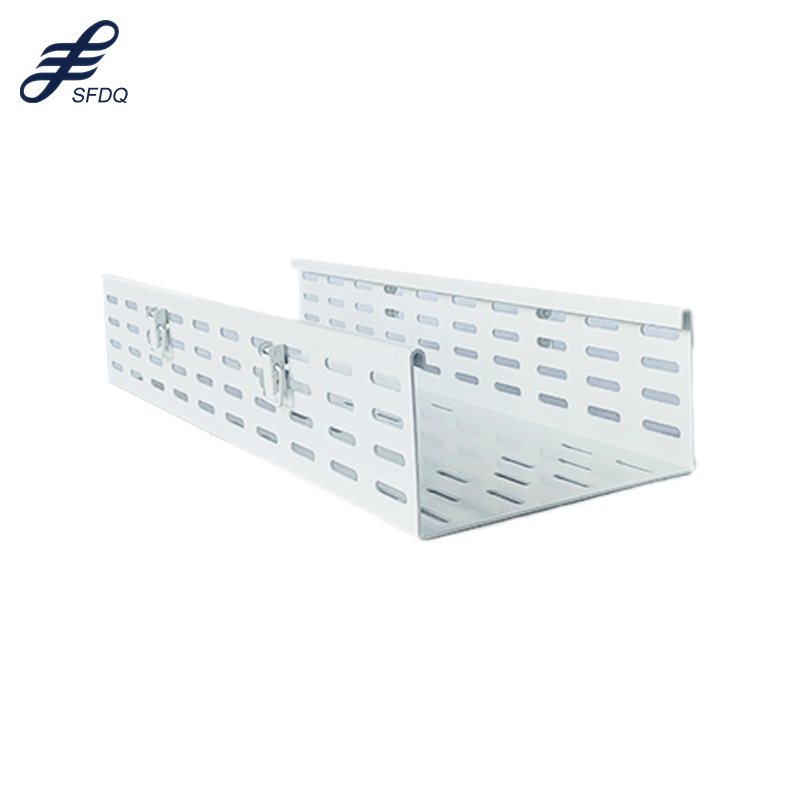
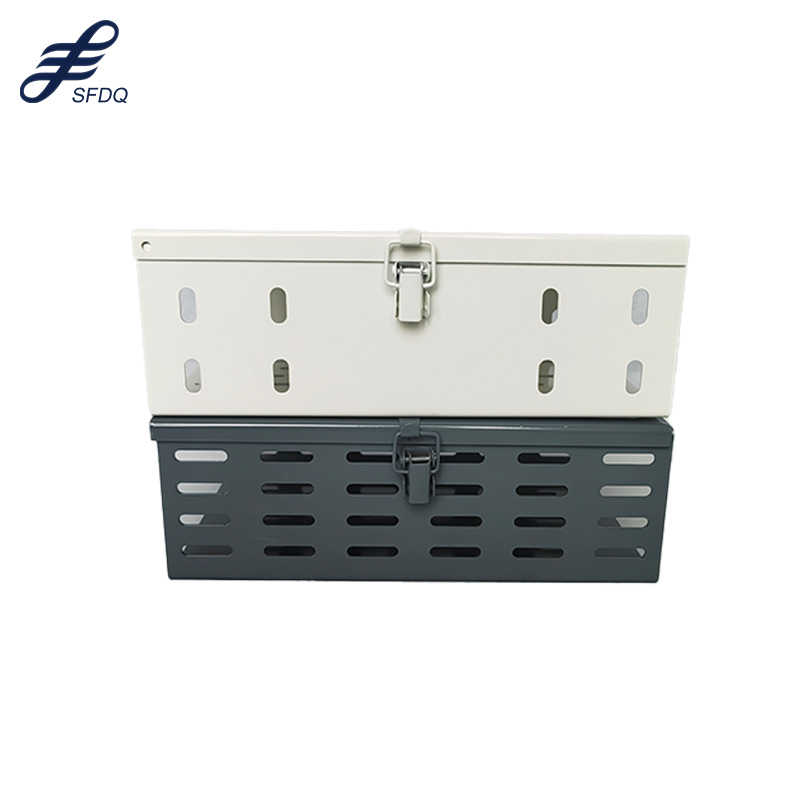
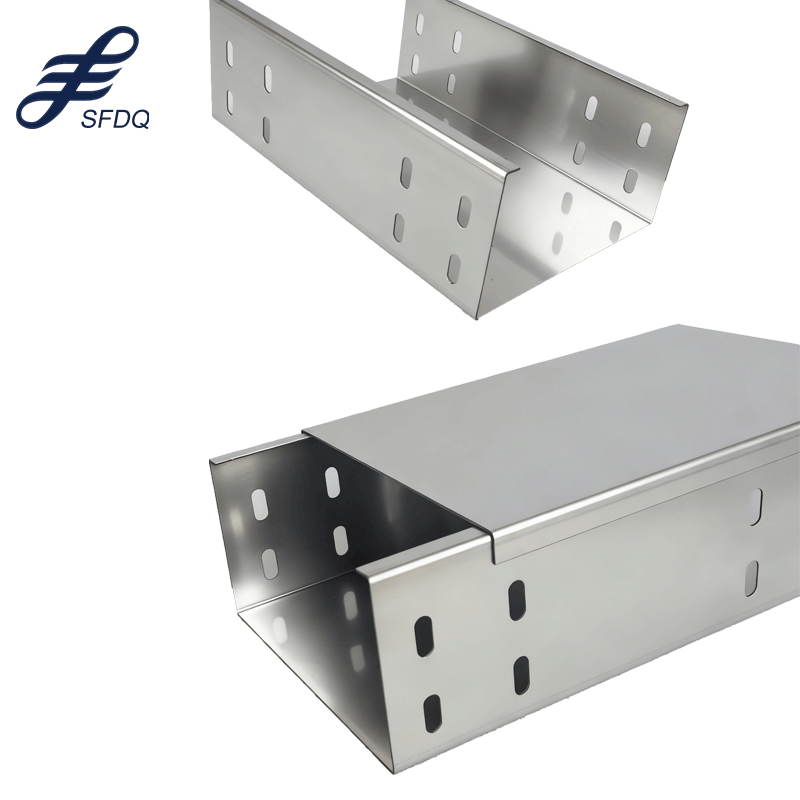
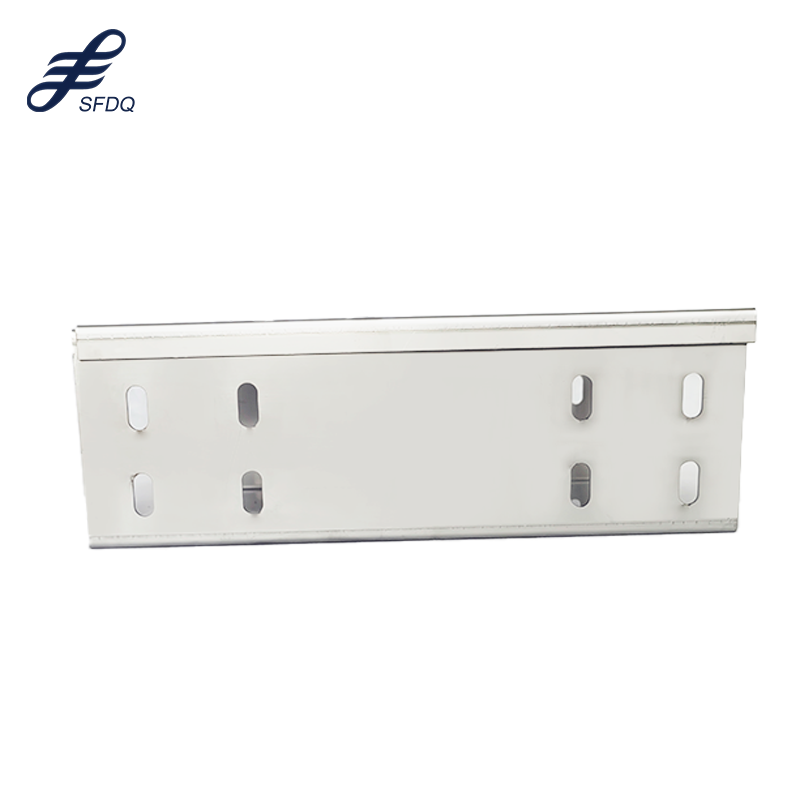
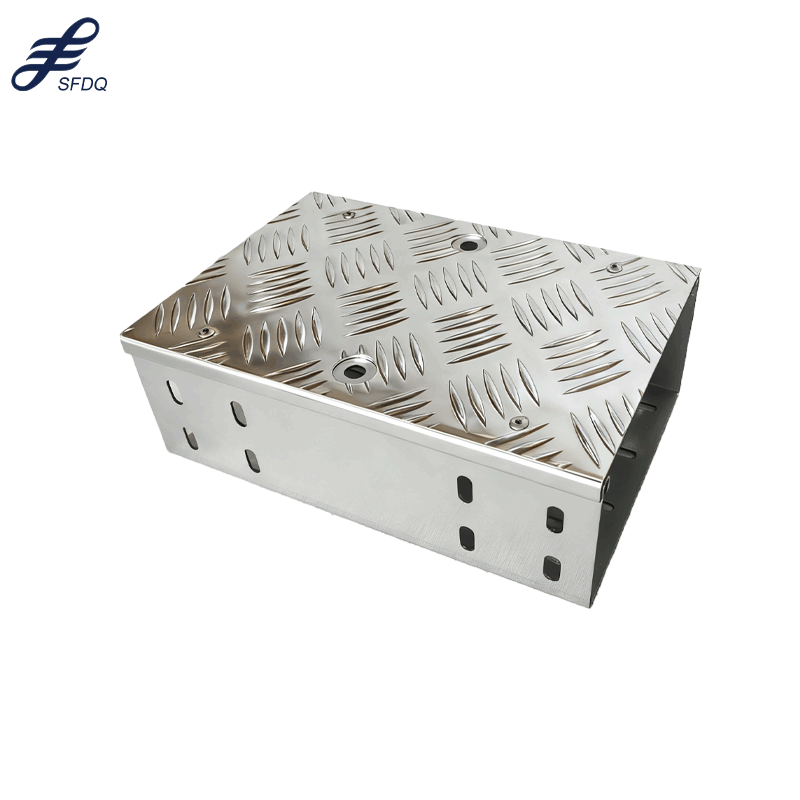
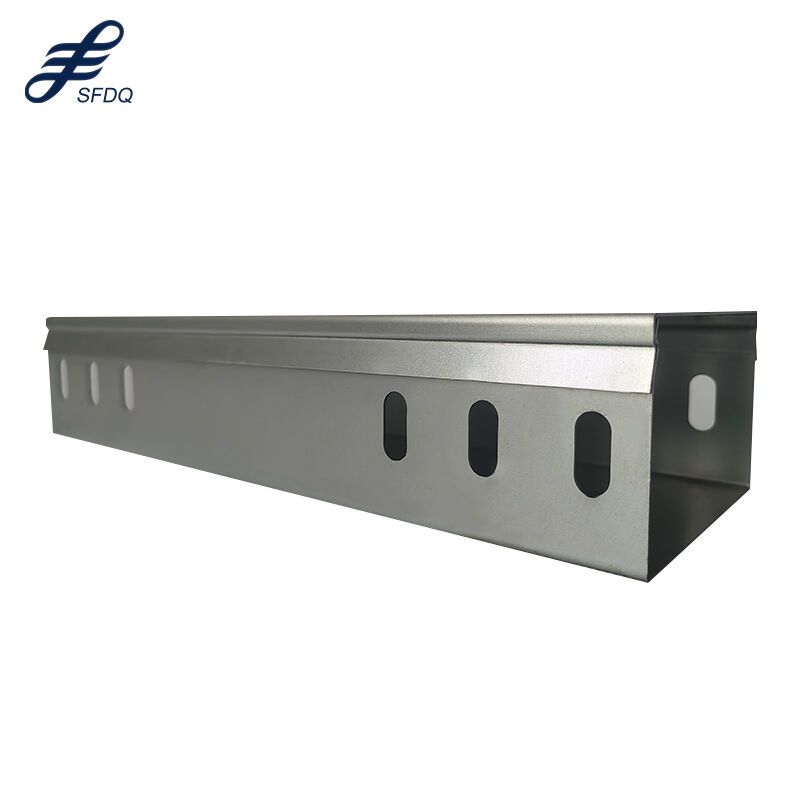
Floor cable tray systems represent a revolutionary approach to cable management in modern electrical installations. These specialized cable management solutions are designed to organize, protect, and support electrical cables while being installed directly at floor level or within floor spaces. Floor cable tray systems consist of engineered metal or composite structures that create dedicated pathways for electrical wiring, ensuring proper cable routing while maintaining accessibility for maintenance and future modifications. The primary function of floor cable tray installations involves providing secure cable support while protecting electrical conductors from environmental hazards such as moisture, dust, and physical damage. These systems excel in organizing multiple cable runs simultaneously, preventing cable entanglement and reducing installation time significantly. The technological features of floor cable tray systems include corrosion-resistant materials, modular designs that allow flexible configuration, and ventilation properties that prevent heat buildup around electrical cables. Modern floor cable tray solutions incorporate advanced engineering principles to ensure optimal load distribution and structural integrity. The applications for floor cable tray systems span across various industries including commercial buildings, industrial facilities, data centers, healthcare institutions, and educational complexes. In office environments, floor cable tray installations facilitate clean cable routing beneath raised floor systems, supporting power distribution and data communication networks. Industrial applications benefit from the robust construction of these systems, which can handle heavy-duty electrical feeds and control cables in manufacturing environments. Data centers rely heavily on floor cable tray solutions to manage the extensive cabling required for server infrastructure, ensuring proper airflow and easy access for network administrators. The versatility of floor cable tray systems makes them suitable for both new construction projects and retrofit applications, providing electrical contractors with reliable solutions for complex cable management challenges.
 EN
EN