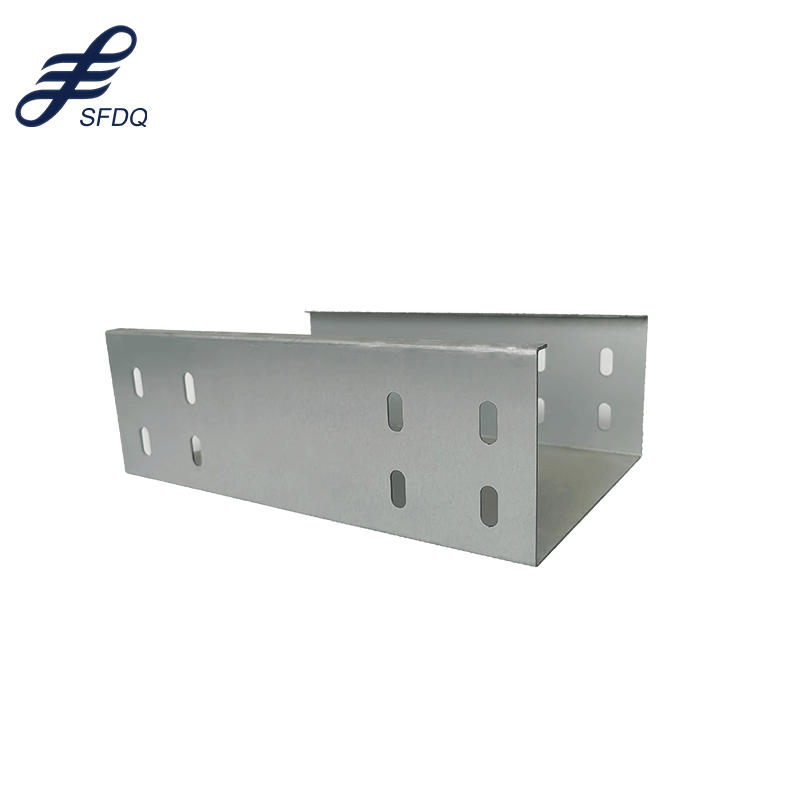
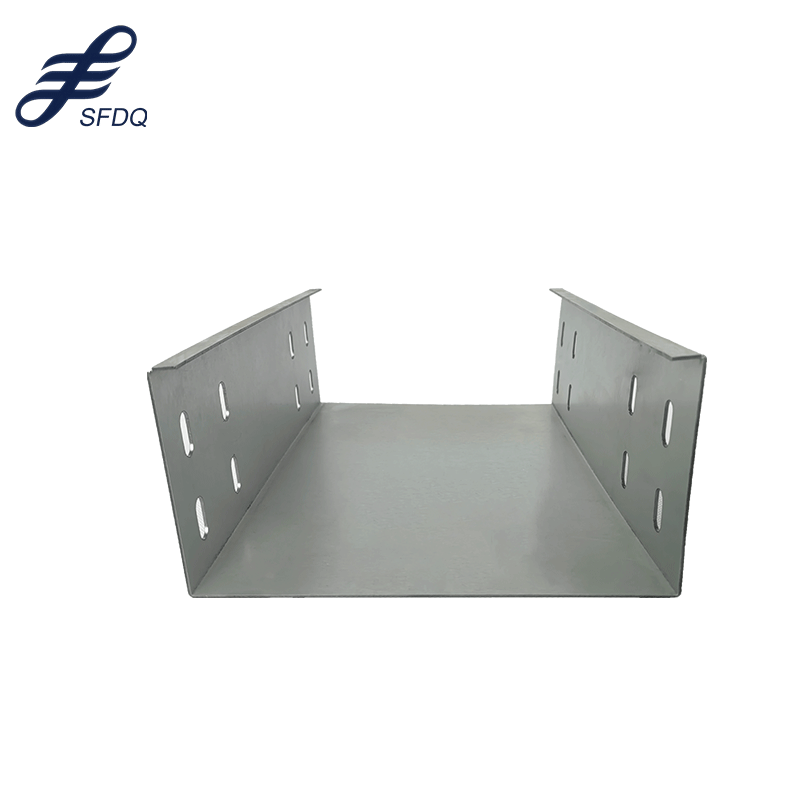
galvanised cable tray
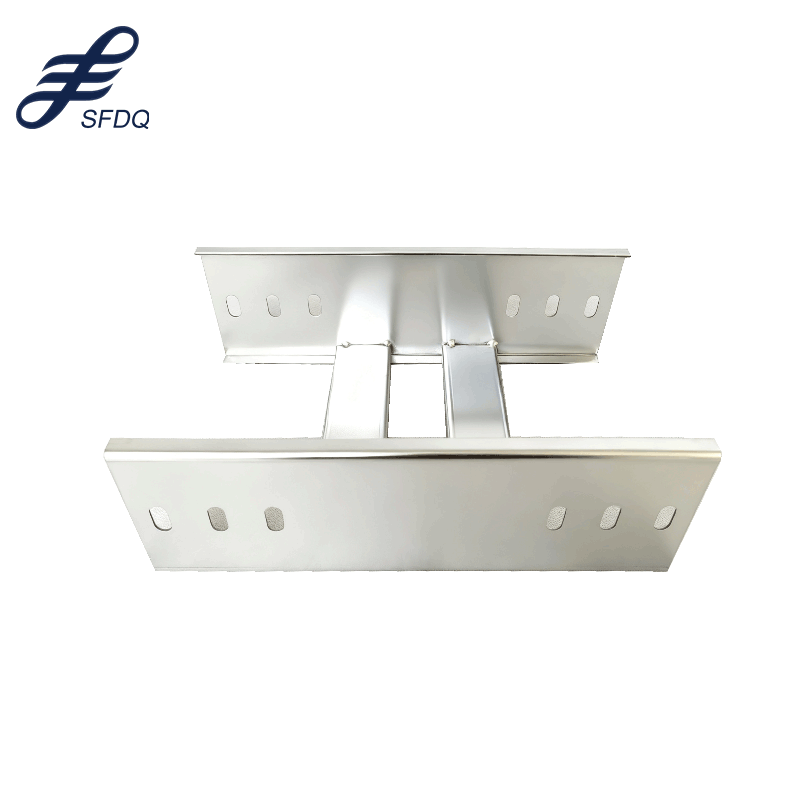
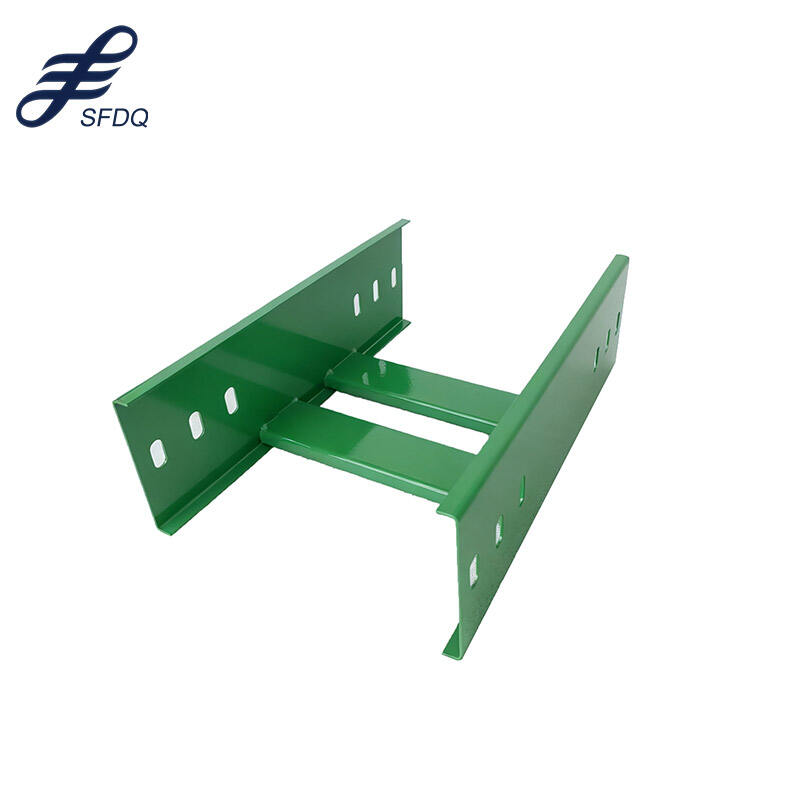
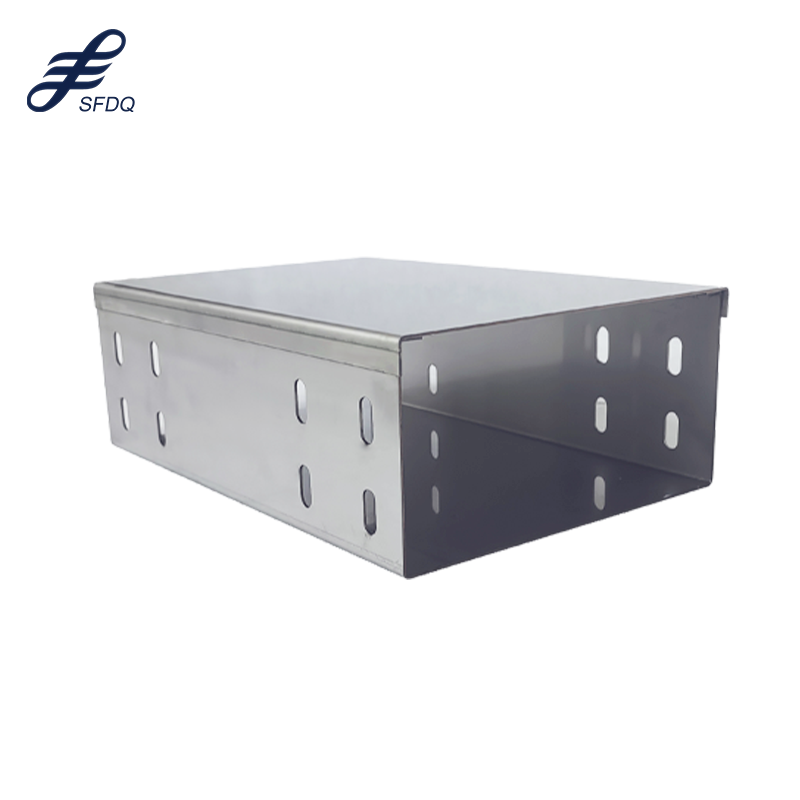
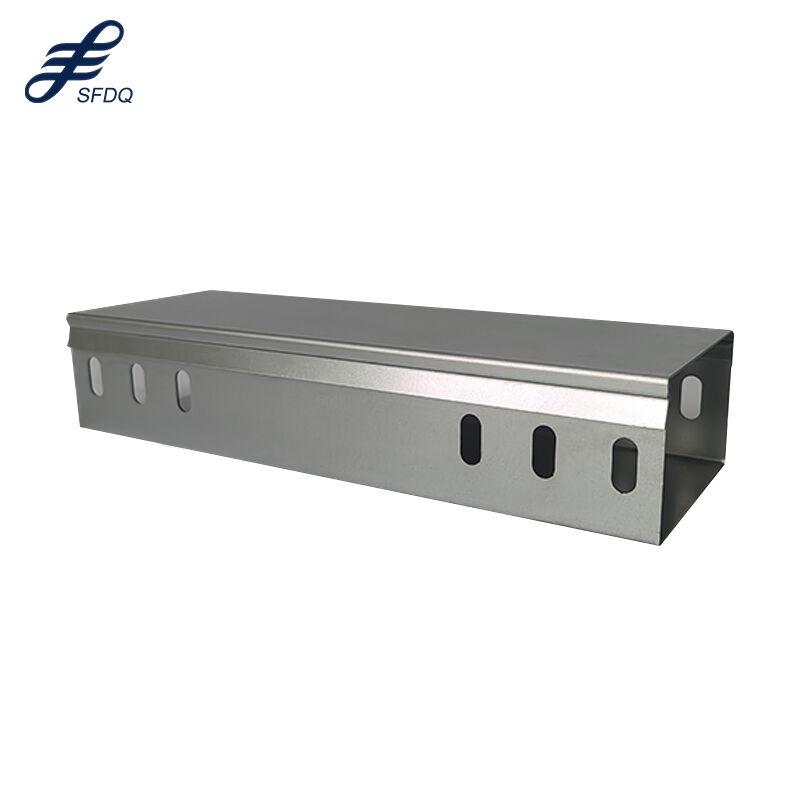
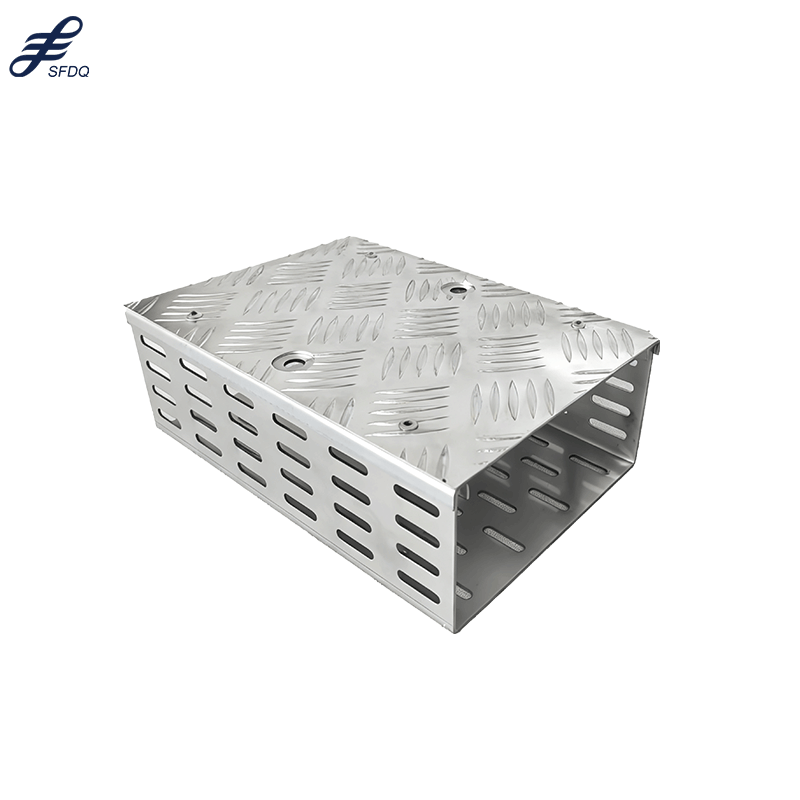
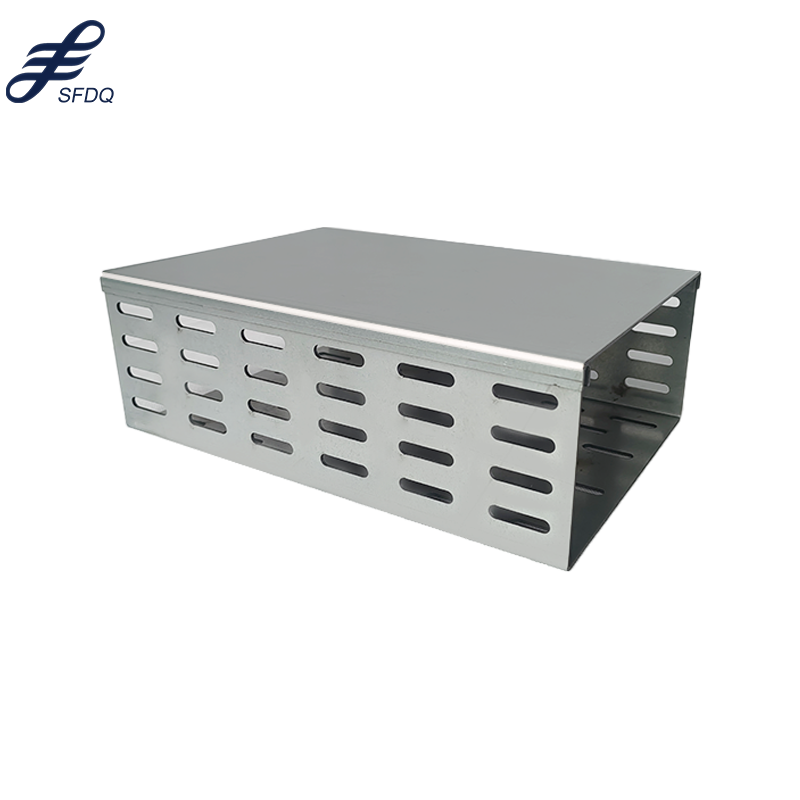
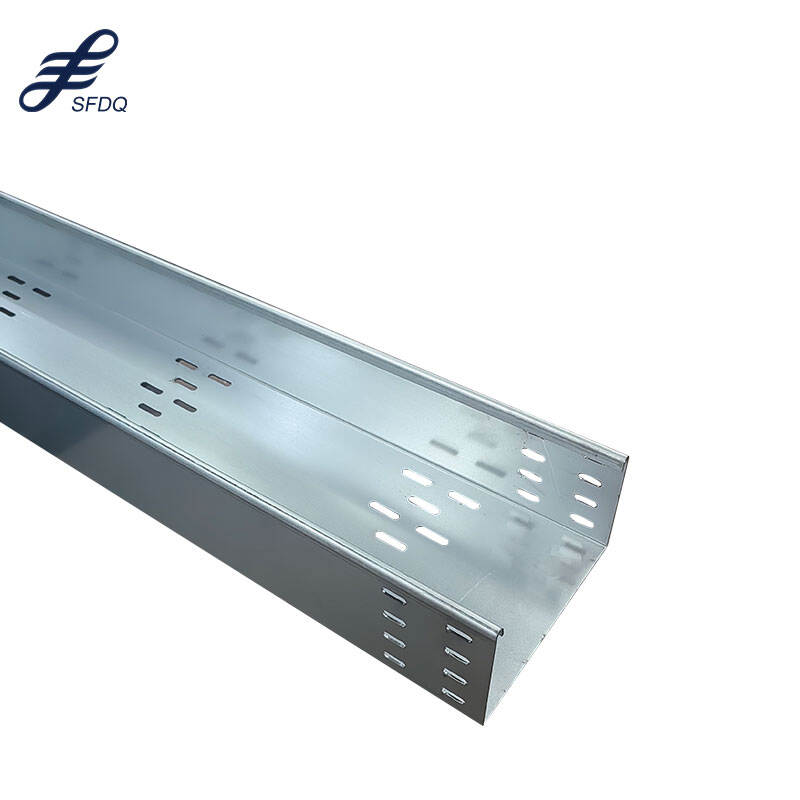
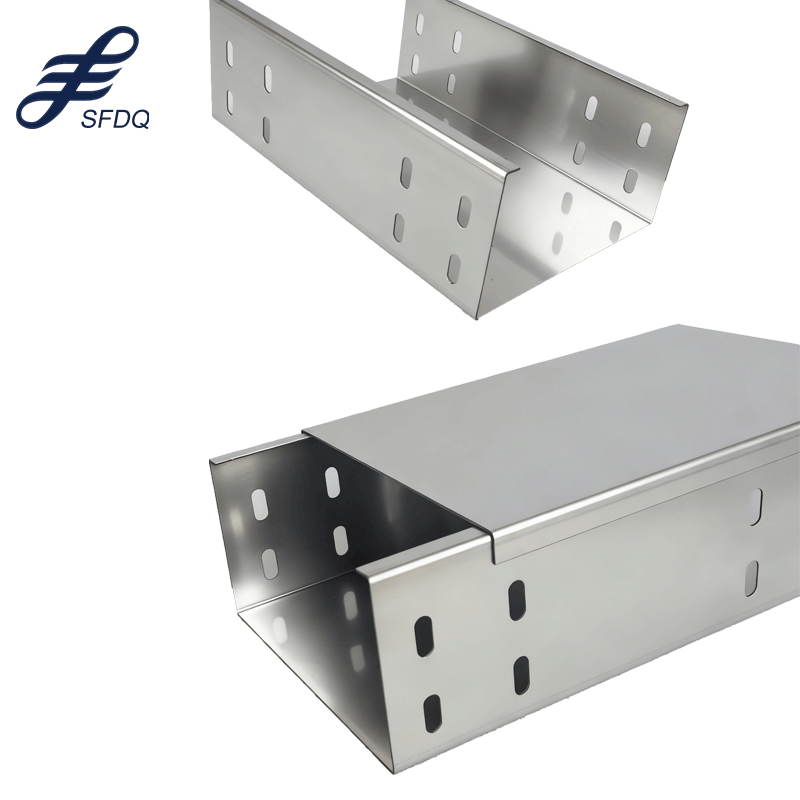
A galvanised cable tray represents a sophisticated electrical infrastructure solution designed to provide robust support and organization for electrical cables in commercial, industrial, and residential installations. This essential component combines steel construction with zinc coating technology to deliver exceptional durability and performance. The galvanised cable tray serves multiple critical functions within electrical systems, primarily acting as a mechanical support structure that safely routes and protects electrical cables throughout buildings and facilities. The zinc coating process, known as galvanisation, creates a protective barrier that significantly enhances the tray's resistance to corrosion, moisture, and environmental factors that typically compromise standard steel products. The technological features of galvanised cable tray systems include precision-engineered perforated or solid bottom designs that facilitate proper cable ventilation while maintaining structural integrity. These trays incorporate standardized mounting systems that enable quick installation and easy maintenance access. The galvanisation process involves applying molten zinc coating to steel surfaces, creating a metallurgical bond that provides superior protection compared to painted alternatives. This coating typically ranges from 275 to 610 grams per square meter, ensuring long-term performance in diverse environmental conditions. Modern galvanised cable trays feature modular designs that accommodate various cable types and sizes, supporting power distribution cables, control wiring, and communication systems. The applications for galvanised cable tray systems span numerous industries and environments. Manufacturing facilities utilize these systems for organizing heavy-duty power cables and control circuits throughout production areas. Commercial buildings employ galvanised cable trays in mechanical rooms, utility corridors, and outdoor installations where weather resistance proves crucial. Data centers rely on these systems to manage complex network infrastructure while maintaining proper airflow and accessibility. Industrial plants use galvanised cable trays for routing high-voltage distribution systems and instrumentation cables in challenging environments. Healthcare facilities implement these solutions for critical power systems and specialized medical equipment wiring. The versatility of galvanised cable tray systems makes them suitable for underground installations, exposed outdoor applications, and indoor environments requiring long-term reliability and minimal maintenance requirements.
 EN
EN