Cable Wire Bridge Solutions: Superior Cable Management Systems for Industrial and Commercial Applications

Get a Free Quote

Our representative will contact you soon.
Email
Name
Company Name
WhatsApp
Message
0/1000

cable wire bridge

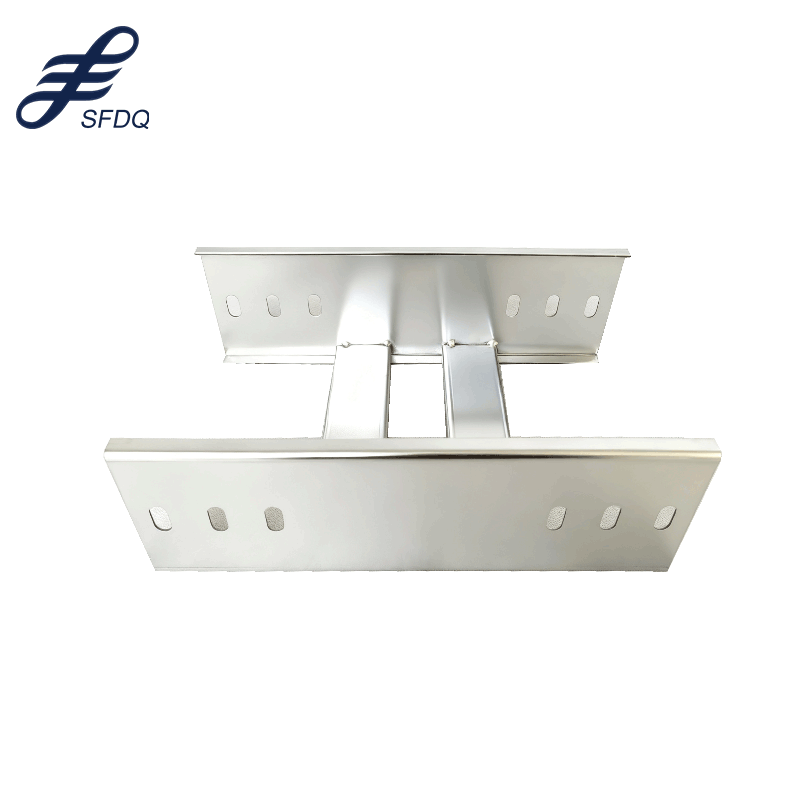
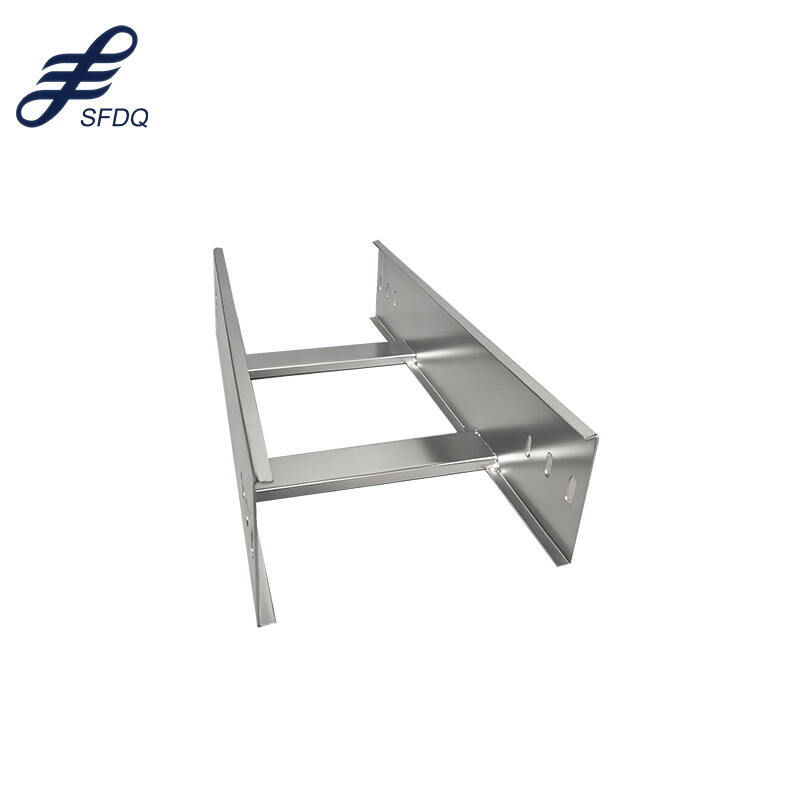
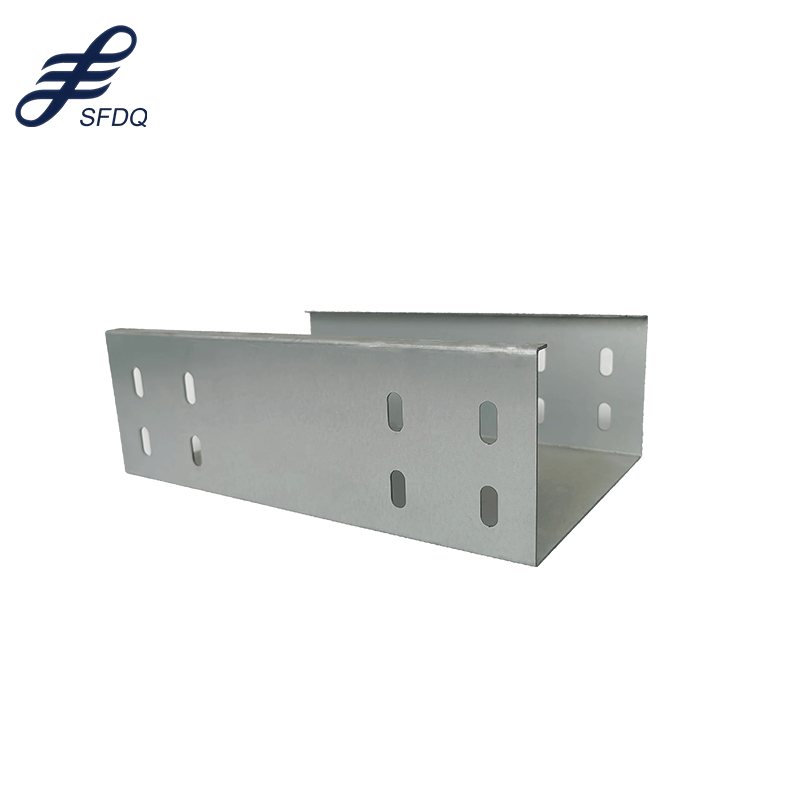
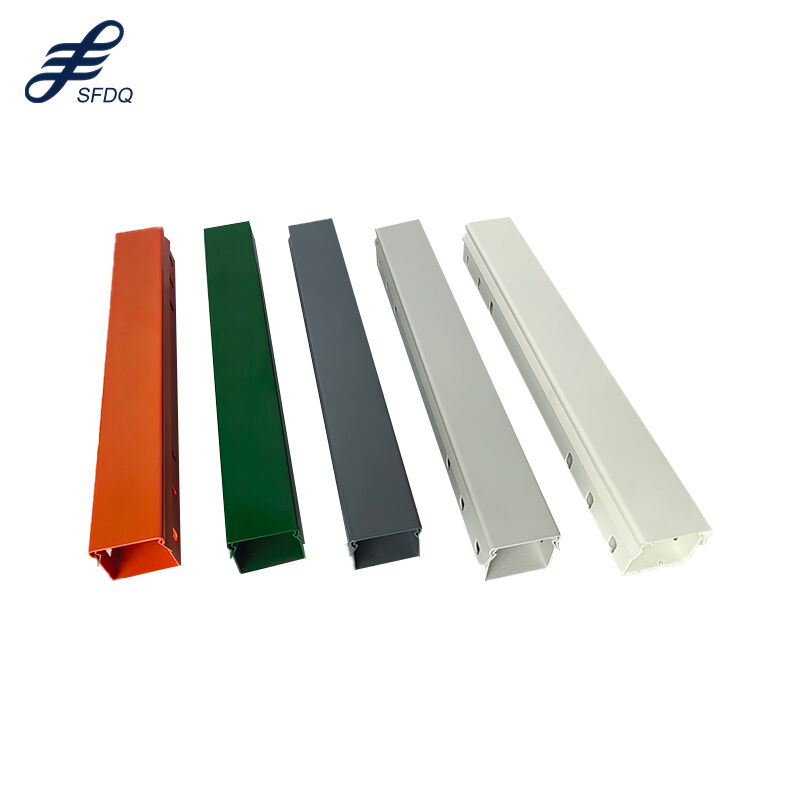
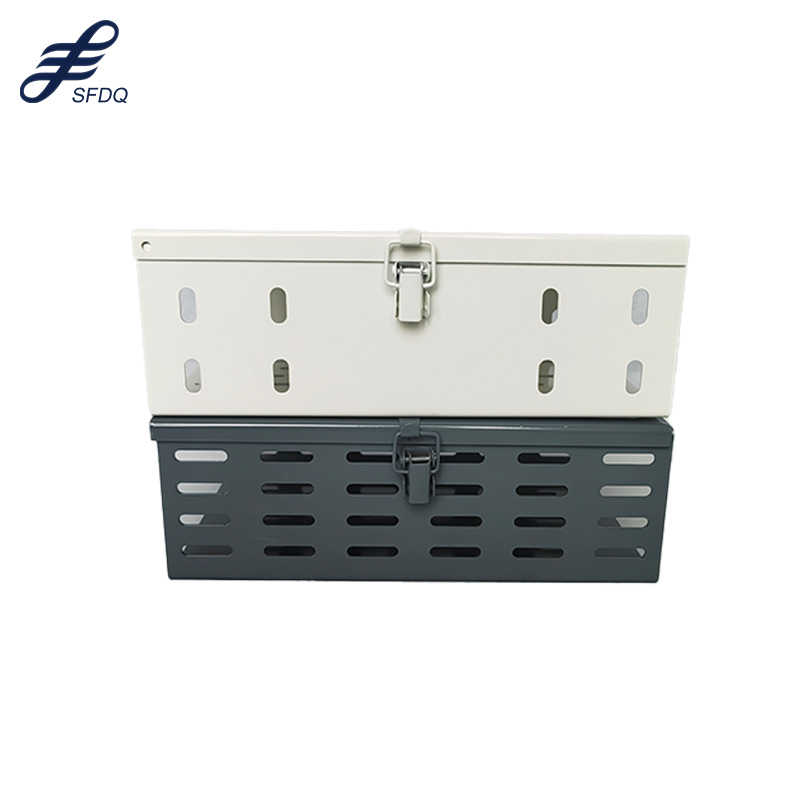
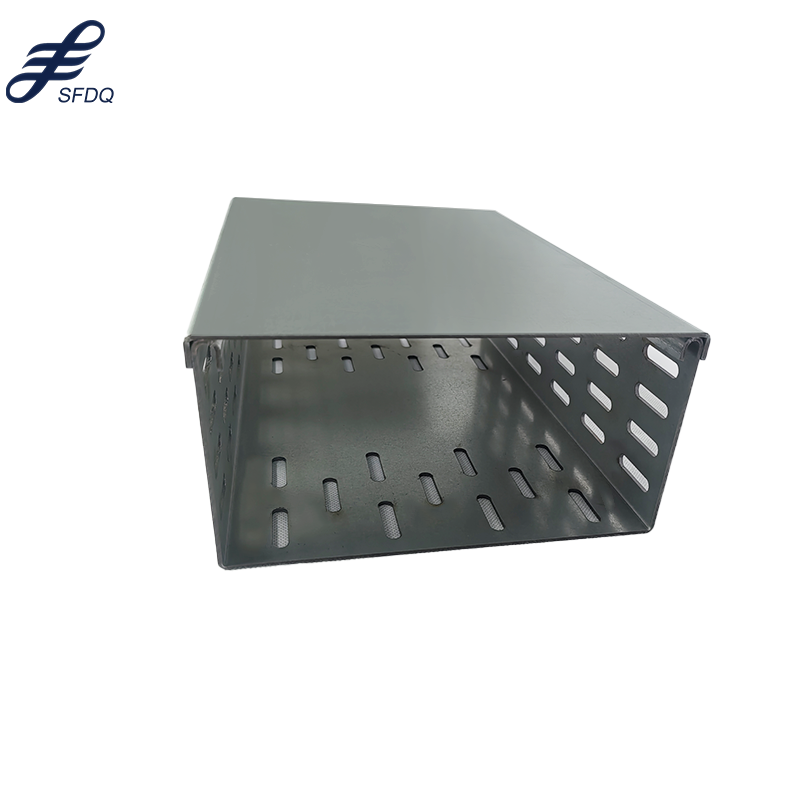
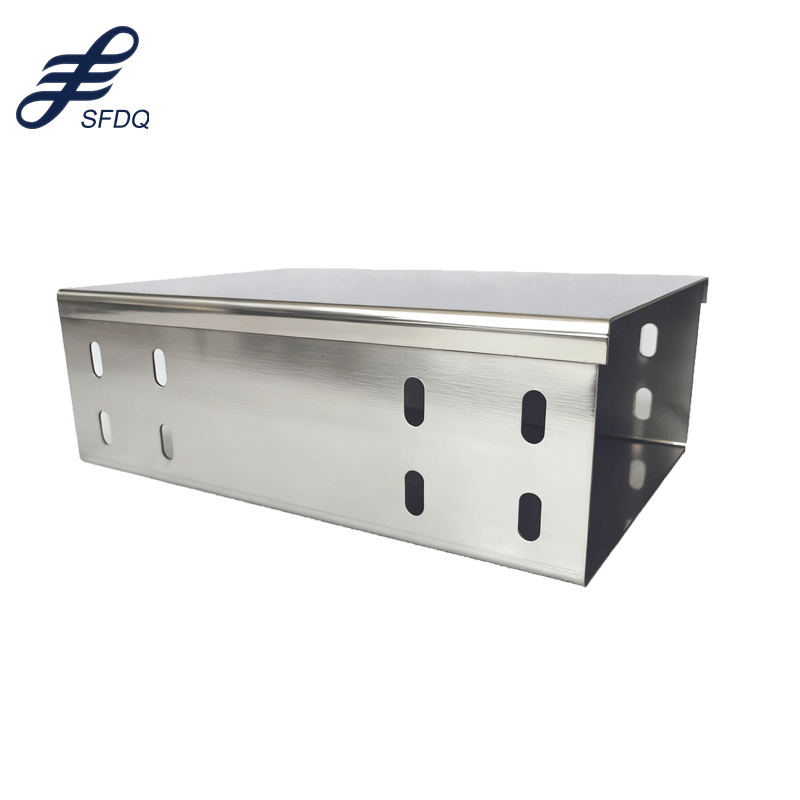
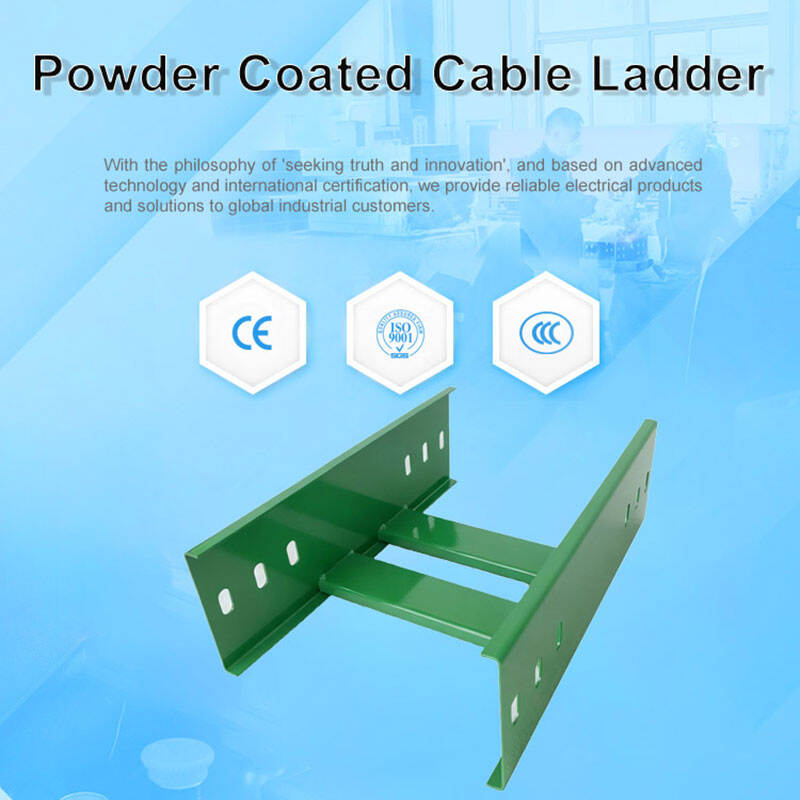
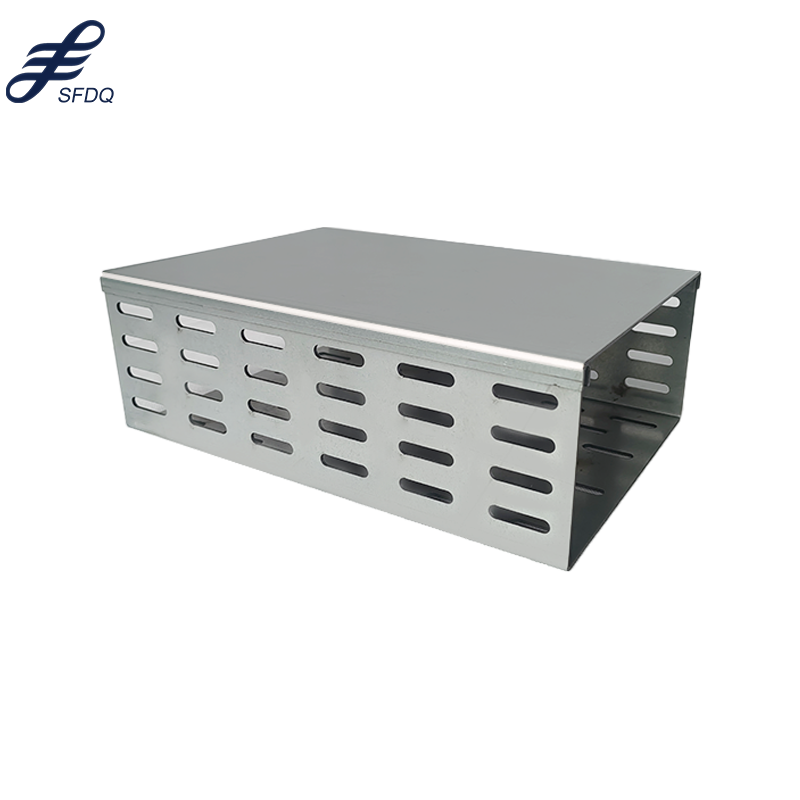
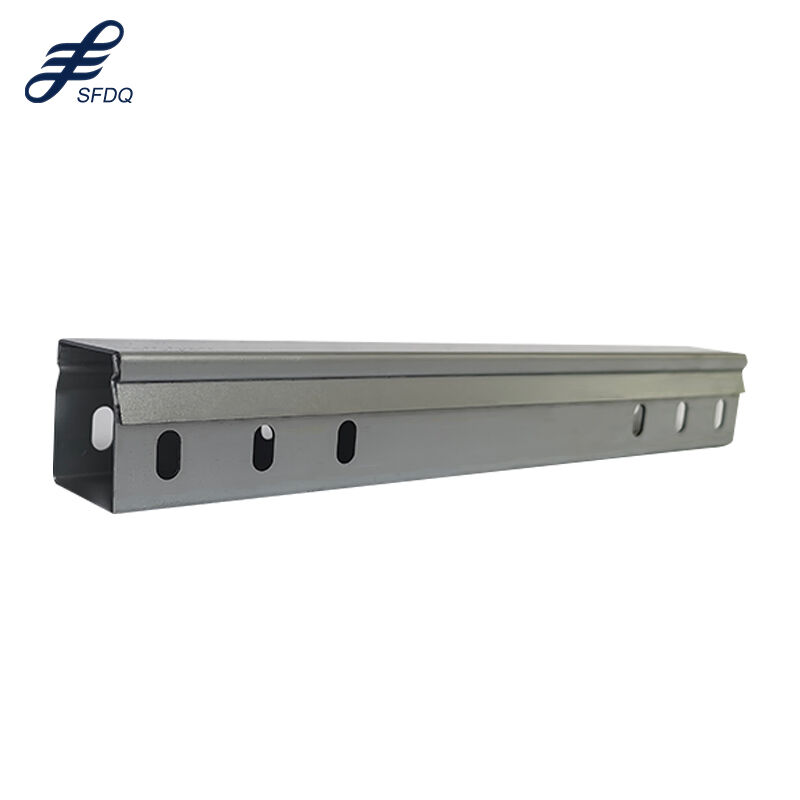
A cable wire bridge represents a sophisticated infrastructure solution designed to support and manage electrical cables across various industrial, commercial, and residential applications. This specialized system functions as a protective pathway that safely routes cables over obstacles, spans gaps between structures, and provides organized cable management throughout complex installations. The cable wire bridge serves as a critical component in modern electrical distribution systems, ensuring cables remain properly supported while maintaining accessibility for maintenance and upgrades. These structures are engineered to withstand environmental challenges including wind loads, temperature fluctuations, and corrosive conditions. The primary function of a cable wire bridge involves creating a secure elevated pathway that prevents cable damage from ground-level hazards such as vehicular traffic, flooding, or mechanical interference. Advanced cable wire bridge systems incorporate modular designs that allow for flexible configuration based on specific project requirements. The technological features of modern cable wire bridge solutions include corrosion-resistant materials, adjustable mounting systems, and integrated drainage capabilities to prevent water accumulation. These bridges accommodate multiple cable types simultaneously, including power cables, data transmission lines, and fiber optic networks. The structural design ensures adequate ventilation around cables, preventing overheating and extending operational lifespan. Installation flexibility represents another key characteristic, as cable wire bridge systems can be mounted between buildings, across roadways, or within industrial facilities. Safety features include non-slip walking surfaces for maintenance personnel and proper grounding systems to prevent electrical hazards. The versatile nature of cable wire bridge installations makes them suitable for power plants, manufacturing facilities, telecommunications infrastructure, and urban development projects where reliable cable management is essential for operational continuity.

New Product Releases

The cable wire bridge delivers substantial practical benefits that directly impact project efficiency and long-term operational success. Cost savings emerge as a primary advantage since these systems eliminate the need for expensive underground trenching or complex routing around obstacles. Installation time reduces significantly compared to alternative cable management methods, allowing projects to complete faster and with fewer labor requirements. The elevated design of cable wire bridge systems protects cables from ground-level damage caused by construction activities, vehicular traffic, or environmental hazards like flooding and chemical spills. This protection translates to reduced maintenance costs and fewer service interruptions throughout the system's operational lifetime. Accessibility represents another major benefit as cable wire bridge installations provide clear visual access to all cables, enabling quick identification of issues and simplified maintenance procedures. Technicians can easily inspect, replace, or add new cables without disrupting existing infrastructure or requiring extensive excavation work. The modular nature of modern cable wire bridge systems allows for future expansion without major modifications to existing installations. Companies can add new cable runs or upgrade capacity by simply extending the bridge structure rather than redesigning the entire system. Versatility in application means a single cable wire bridge can accommodate different cable types simultaneously, reducing the need for multiple support systems and simplifying overall infrastructure management. Environmental benefits include minimal ground disturbance during installation and the ability to span sensitive areas without impacting vegetation or wildlife habitats. The durable construction materials used in cable wire bridge manufacturing ensure long service life even in harsh industrial environments, providing excellent return on investment. Safety improvements result from keeping cables elevated and properly organized, reducing tripping hazards and preventing accidental contact with live electrical components. The systematic organization enabled by cable wire bridge installations improves overall facility appearance and demonstrates professional infrastructure management to clients and regulatory inspectors.

Tips And Tricks

​Cable Tray: The Backbone of Efficient Cable Management - From SFDQ Factory

20

Nov

​Cable Tray: The Backbone of Efficient Cable Management - From SFDQ Factory

View More
Why Choose SFDQ’s Cable Tray?

20

Nov

Why Choose SFDQ’s Cable Tray?

View More
Unlock the Power of Factory Cable Trays with CE and ISO Certifications

20

Nov

Unlock the Power of Factory Cable Trays with CE and ISO Certifications

View More
SFDQ Participates in Saudi Exhibitions

05

Dec

SFDQ Participates in Saudi Exhibitions

Bringing High-Quality Cable Trays to Deepen Presence in the Middle East Infrastructure Market​
View More

Get a Free Quote

Our representative will contact you soon.
Email
Name
Company Name
WhatsApp
Message
0/1000

cable wire bridge

Superior Load Distribution and Structural Integrity

Superior Load Distribution and Structural Integrity

The cable wire bridge excels in providing exceptional load distribution capabilities that ensure safe and reliable cable support across extended spans. This advanced structural design distributes the weight of multiple cable runs evenly across the supporting framework, preventing stress concentration points that could lead to system failure. The engineering behind cable wire bridge construction incorporates high-strength materials and optimized geometry to handle both static loads from the cables themselves and dynamic loads from wind, thermal expansion, and maintenance activities. The structural integrity of these systems becomes particularly valuable in industrial environments where heavy power cables, multiple data lines, and specialized instrumentation cables must coexist on a single support structure. The robust construction materials, typically including galvanized steel or aluminum alloys, provide exceptional resistance to corrosion and environmental degradation, ensuring the cable wire bridge maintains its load-bearing capacity throughout decades of service. The design philosophy emphasizes redundancy, meaning even if individual components experience wear or damage, the overall system continues to provide safe cable support. This reliability proves crucial in mission-critical applications where cable failure could result in production shutdowns, safety hazards, or significant financial losses. The load distribution characteristics of cable wire bridge systems also enable longer unsupported spans compared to traditional cable trays or conduit systems, reducing the number of intermediate supports required and simplifying installation in complex environments. Professional engineers can calculate precise load capacities for specific cable wire bridge configurations, ensuring compliance with safety codes while optimizing material usage and cost effectiveness. The structural design accommodates future cable additions without compromising existing installations, providing valuable flexibility for expanding electrical and communication systems as facility needs evolve over time.
Advanced Weather Resistance and Environmental Protection

Advanced Weather Resistance and Environmental Protection

The cable wire bridge demonstrates exceptional performance in challenging environmental conditions through advanced weather resistance features and comprehensive protection systems. These installations are specifically engineered to withstand extreme temperature variations, from intense summer heat that can exceed 50 degrees Celsius to frigid winter conditions that may drop below -40 degrees Celsius, without compromising structural integrity or cable protection capabilities. The weather-resistant properties of cable wire bridge systems stem from careful material selection and specialized surface treatments that prevent corrosion, UV degradation, and thermal stress damage. Hot-dip galvanizing processes create a protective zinc coating that provides decades of corrosion resistance even in coastal environments with high salt content or industrial areas with chemical exposure. The open-grid design of many cable wire bridge configurations promotes natural ventilation around cables while simultaneously providing protection from direct precipitation and debris accumulation. Drainage features built into the cable wire bridge structure prevent water pooling that could freeze and damage cables during winter months or create electrical hazards during operation. The thermal properties of the bridge materials allow for controlled expansion and contraction without transferring harmful stresses to the supported cables. Wind load resistance represents another critical environmental protection feature, as the engineered design minimizes wind resistance while maintaining structural stability during severe weather events. The cable wire bridge construction can withstand hurricane-force winds and seismic activity when properly installed according to local building codes and engineering specifications. Chemical resistance becomes particularly important in industrial applications where the cable wire bridge may be exposed to acids, alkalis, or organic solvents that could degrade lesser materials. The environmental protection extends to wildlife considerations, as the open design allows for natural airflow while preventing small animals from nesting within the cable support structure, reducing both animal safety risks and potential electrical hazards from contact with live cables.
Streamlined Installation and Maintenance Efficiency

Streamlined Installation and Maintenance Efficiency

The cable wire bridge revolutionizes installation and maintenance procedures through innovative design features that significantly reduce labor time, minimize disruption to existing operations, and enhance overall system accessibility. The modular construction approach enables rapid assembly using standardized components that connect seamlessly without requiring specialized tools or extensive field modifications. This efficiency translates to substantial labor cost savings during initial installation, as crews can complete cable wire bridge projects in a fraction of the time required for traditional underground or overhead cable routing methods. The pre-engineered components arrive at job sites ready for assembly, eliminating the need for field fabrication and reducing the potential for installation errors that could compromise system performance or safety. Maintenance efficiency represents a significant long-term advantage of cable wire bridge systems, as the elevated and accessible design allows technicians to inspect, service, or replace cables without excavation, scaffolding, or complex access procedures. The visual accessibility provided by cable wire bridge installations enables rapid fault identification and troubleshooting, often allowing maintenance teams to locate and resolve issues before they escalate into costly system failures. The organized cable layout facilitated by the bridge structure simplifies documentation and labeling, making it easier for different maintenance teams to understand and work with the installation over time. Expansion and modification procedures become straightforward with cable wire bridge systems, as new cable runs can be added by extending existing bridge sections or installing parallel structures without disrupting operational cables. The standardized mounting hardware and connection methods ensure compatibility between different installation phases, even when work occurs years apart with different contractors or equipment. Safety during maintenance operations improves significantly with cable wire bridge installations, as workers can access cables from stable walking surfaces rather than ladders, lifts, or confined spaces. The systematic organization reduces the time required for routine inspections and enables predictive maintenance programs that identify potential issues before they cause service interruptions or safety hazards.
Inquiry Inquiry Email Email Tel Tel TopTop

Get a Free Quote

Our representative will contact you soon.
Email
Name
Company Name
WhatsApp
Message
0/1000