Superior Load-Bearing Performance
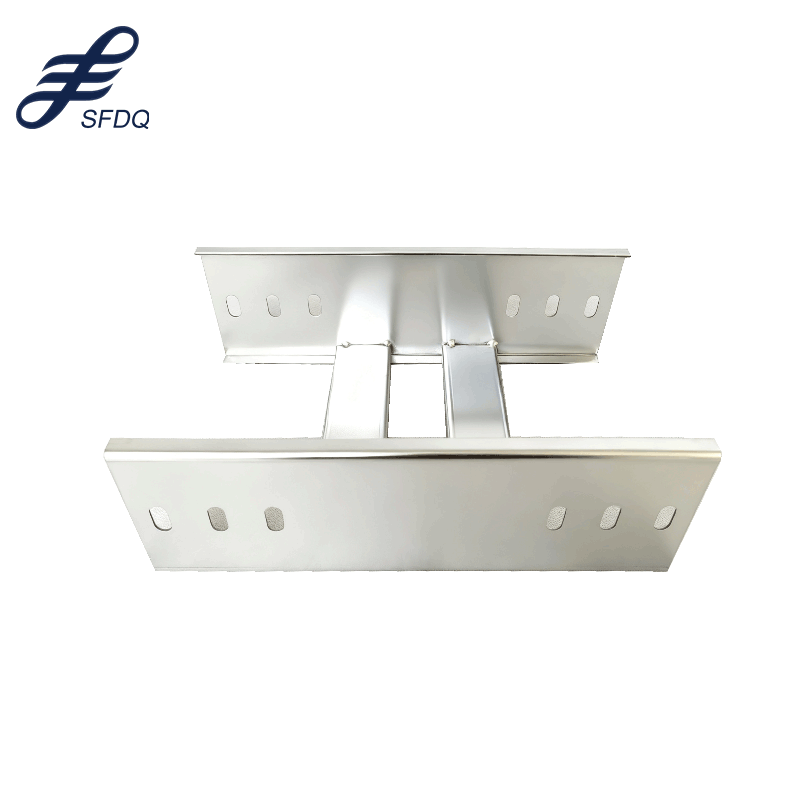
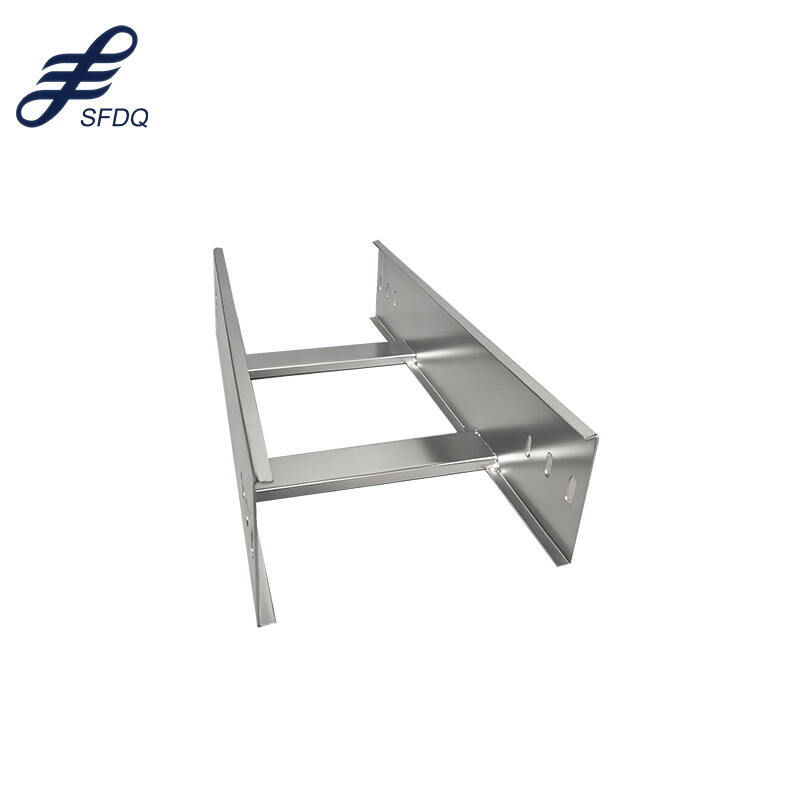
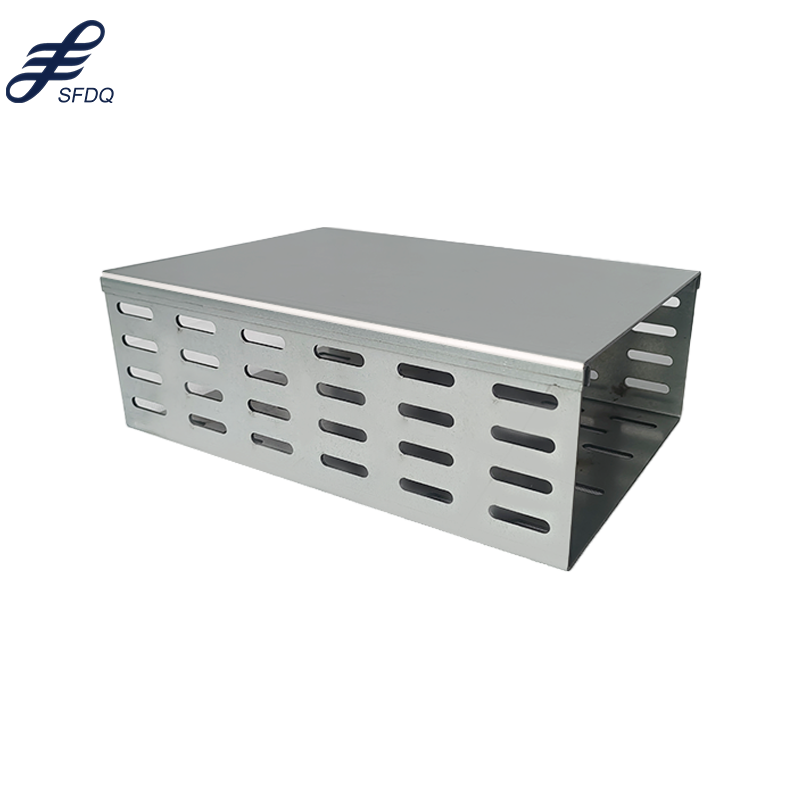
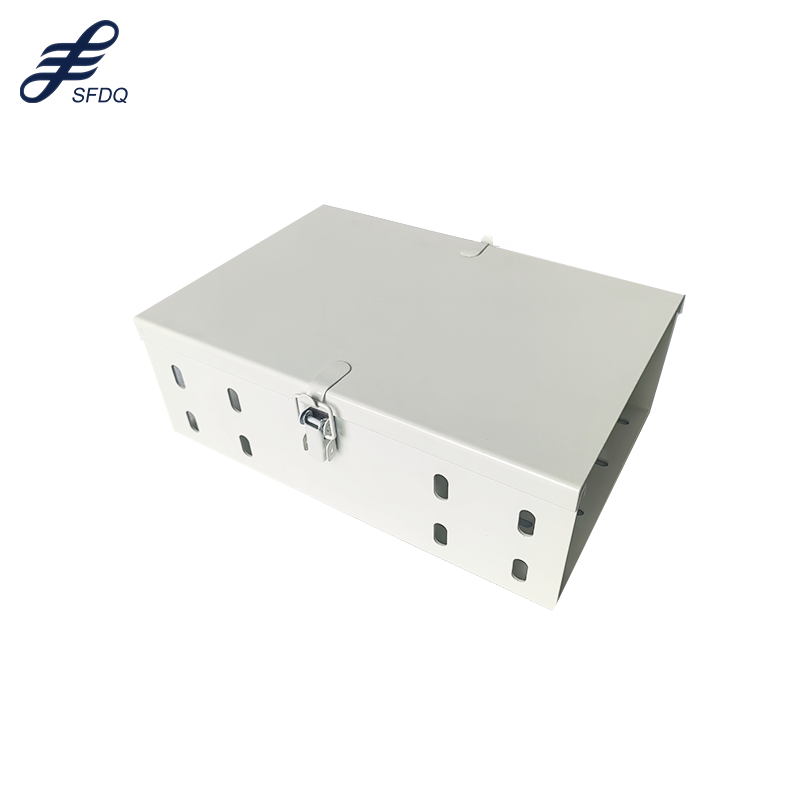
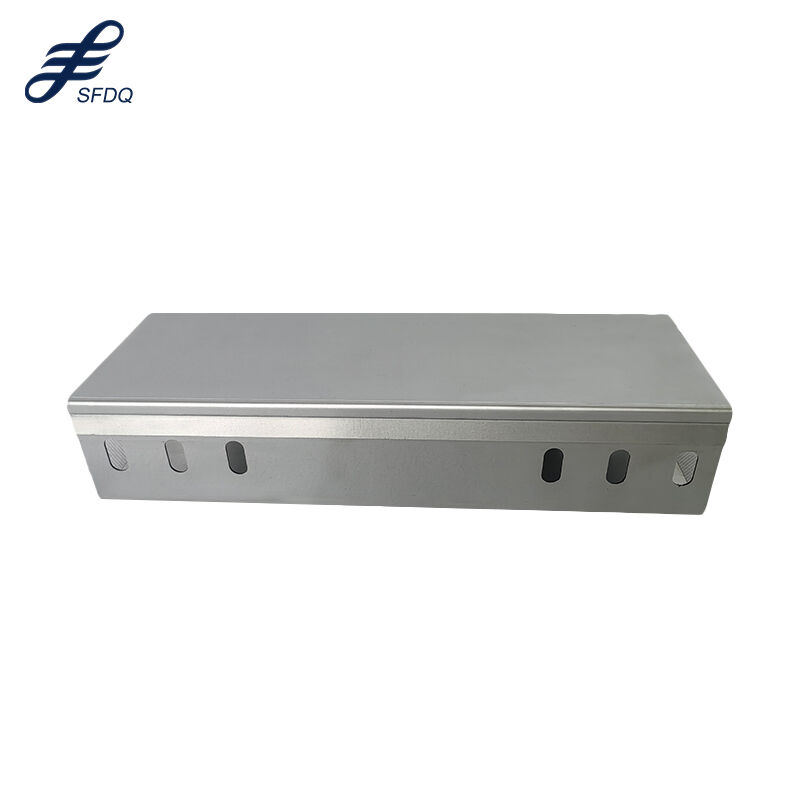
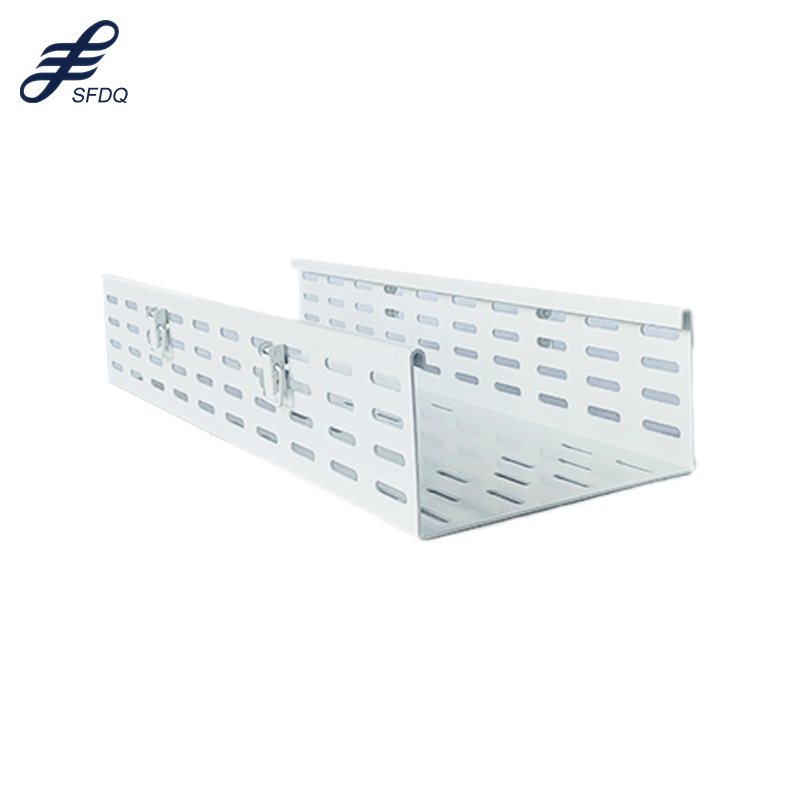
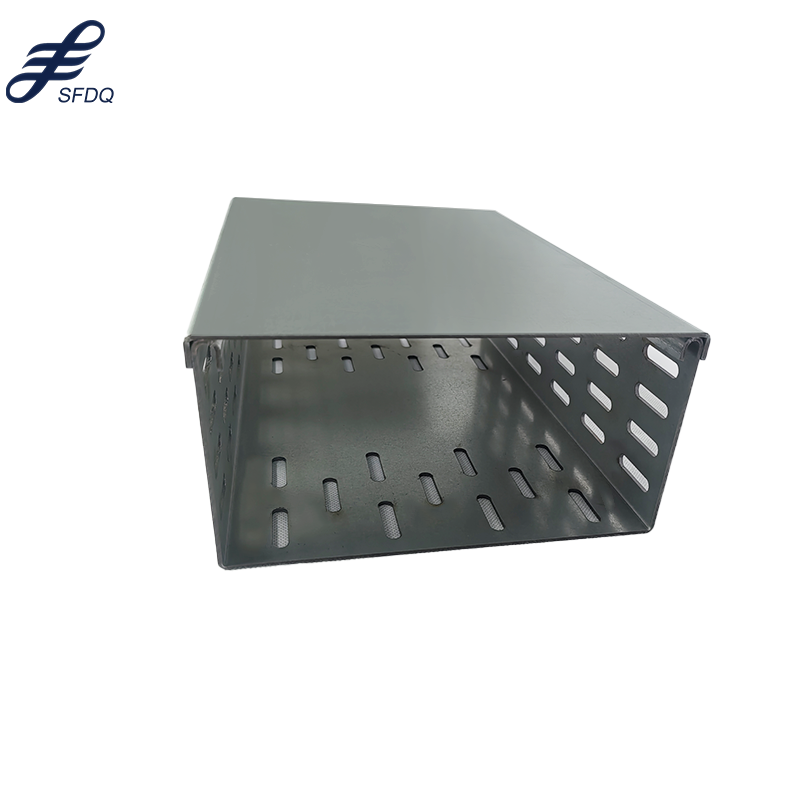
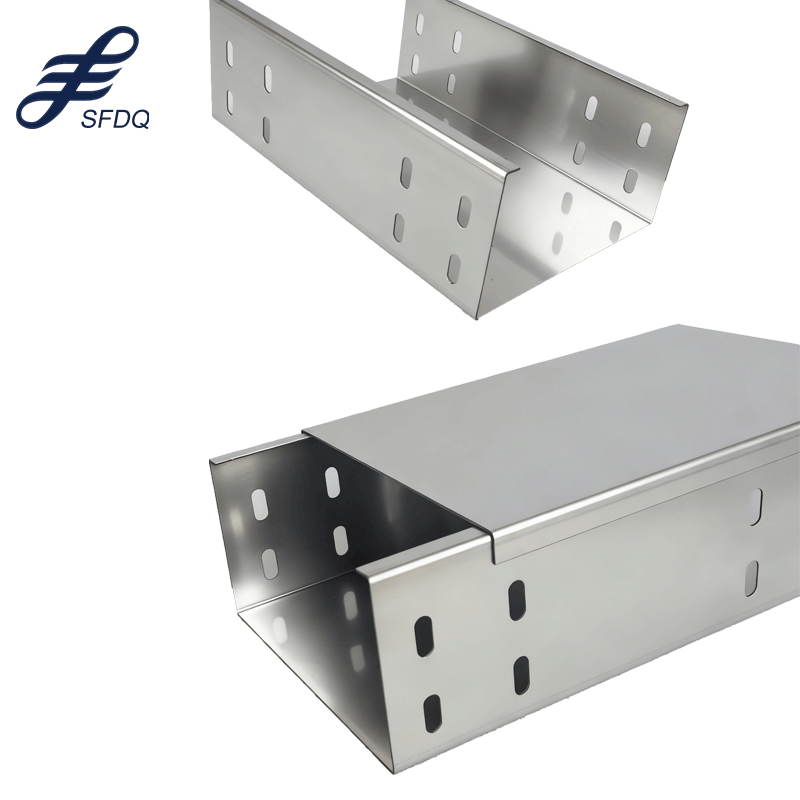
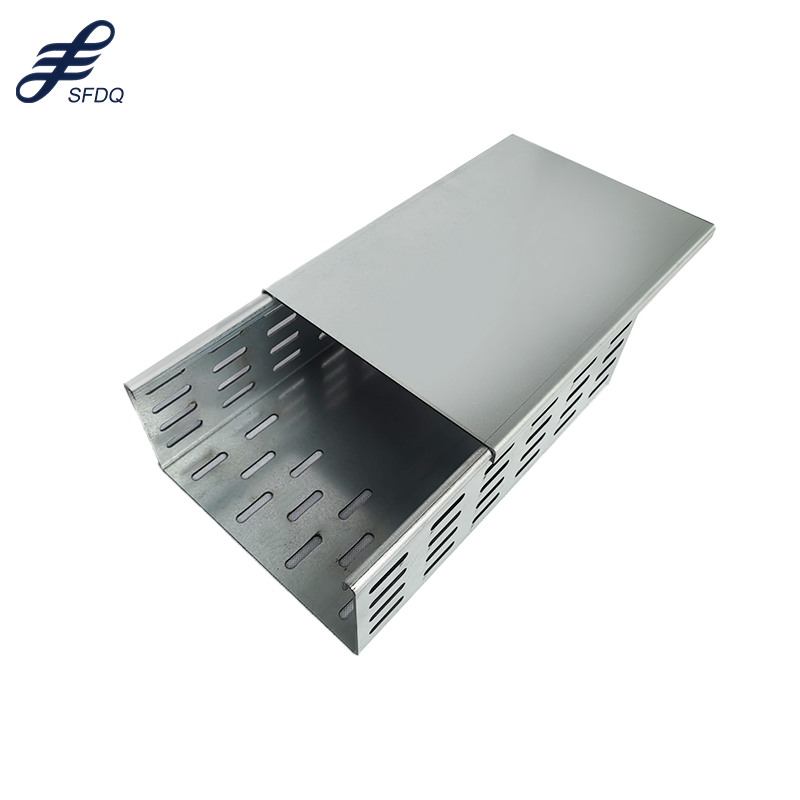
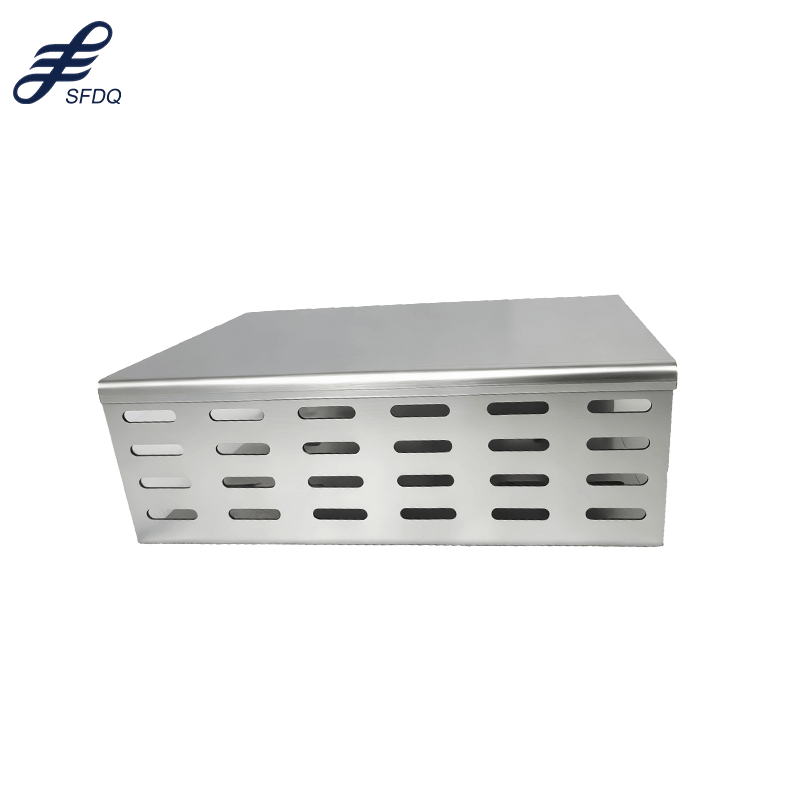
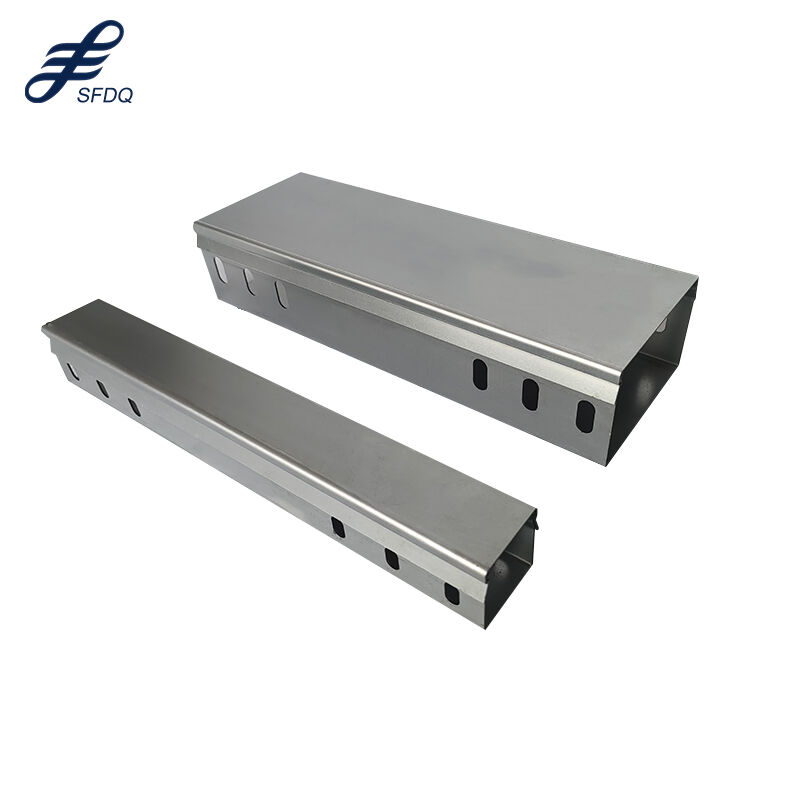
The cable straight bridge incorporates exceptional load-bearing capabilities that set new industry standards for cable management infrastructure performance and reliability. This advanced engineering achievement enables the system to support substantial cable loads while maintaining structural integrity and safety margins that exceed regulatory requirements. The load distribution technology embedded within the cable straight bridge design ensures that weight is evenly distributed across all support points, preventing stress concentrations that could lead to system failure or performance degradation. The structural engineering incorporates reinforced support beams and strategic bracing elements that provide multiple load paths, ensuring redundant safety measures that protect both equipment and personnel. The material selection process for the cable straight bridge prioritizes high-strength alloys and composite materials that deliver superior strength-to-weight ratios, enabling the system to handle heavy cable bundles without requiring excessive support infrastructure. The precision manufacturing processes ensure consistent material properties and dimensional accuracy across all components, guaranteeing reliable performance under dynamic loading conditions. Quality assurance protocols include comprehensive load testing procedures that verify performance capabilities under simulated operational conditions, ensuring that each cable straight bridge system meets or exceeds specified performance criteria. The load-bearing design accommodates various cable types simultaneously, including heavy power cables, delicate fiber optic lines, and standard data cables, without compromising the integrity of any individual cable system. This versatility eliminates the need for separate support structures for different cable categories, reducing installation complexity and overall system costs. The cable straight bridge load-bearing performance includes dynamic load capabilities that account for thermal expansion, wind loading, and seismic activity, ensuring stable operation under challenging environmental conditions. The engineering analysis incorporates safety factors that provide substantial margins above normal operating loads, delivering peace of mind for facility managers and safety personnel. Regular performance monitoring capabilities built into the cable straight bridge design enable proactive maintenance scheduling and early detection of potential issues before they impact system performance.
 EN
EN