Premium Aluminium Cable Ladders - Lightweight, Corrosion-Resistant Cable Management Solutions

Get a Free Quote

Our representative will contact you soon.
Email
Name
Company Name
WhatsApp
Message
0/1000

aluminium cable ladder

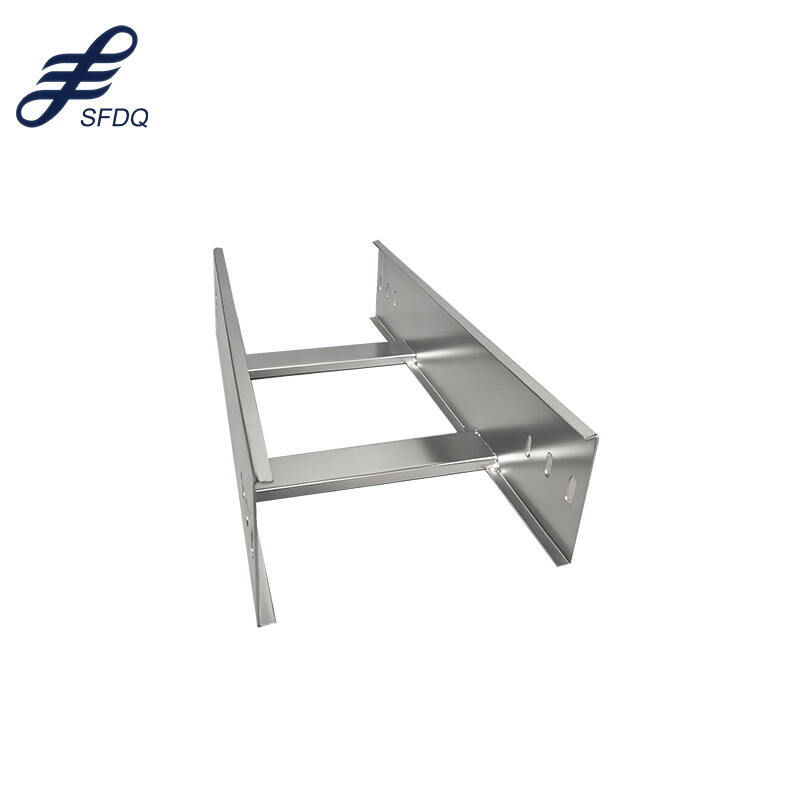
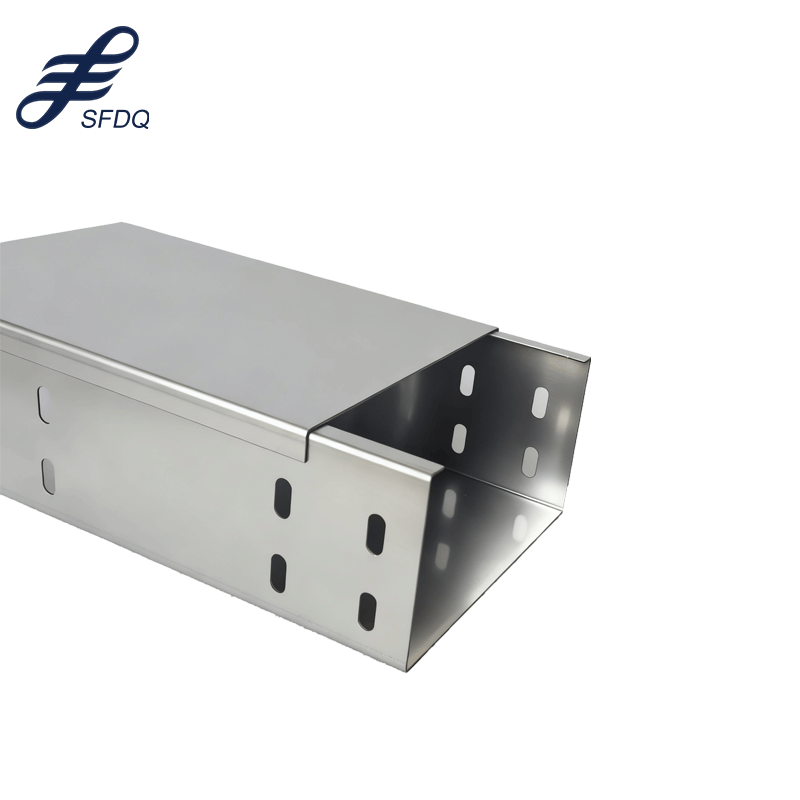
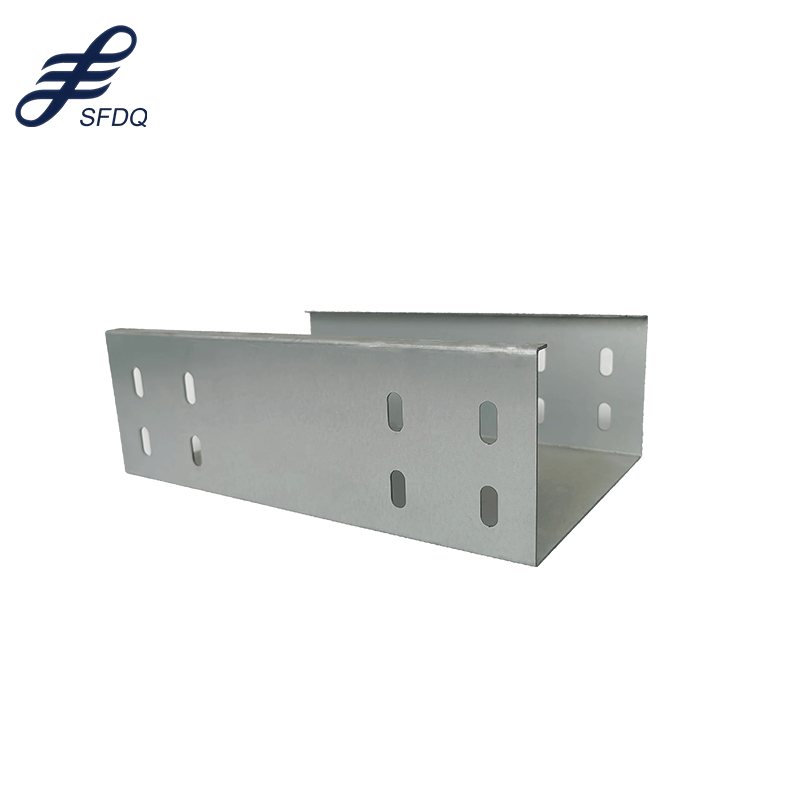
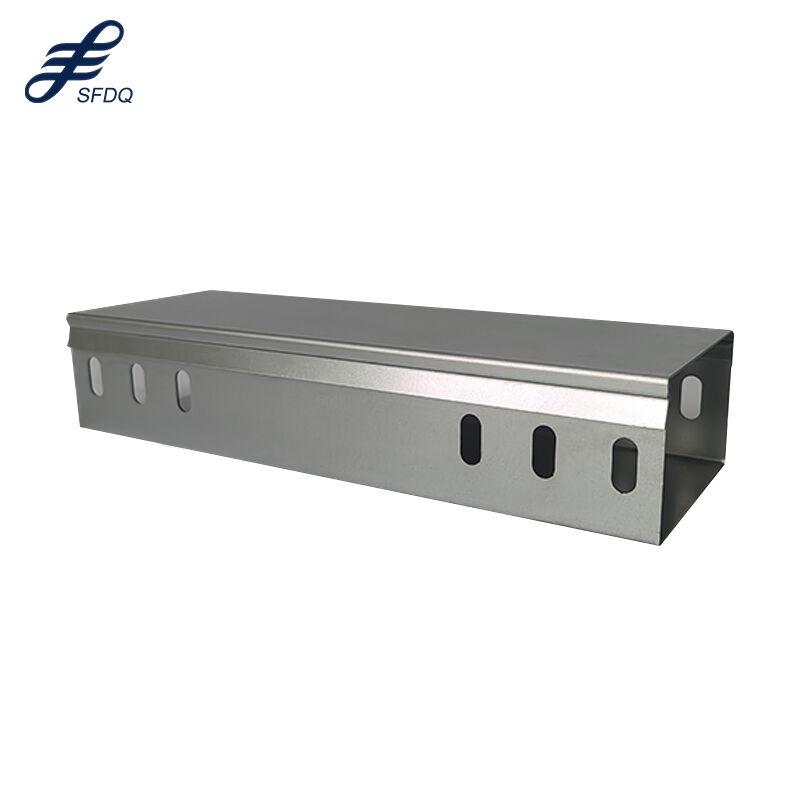
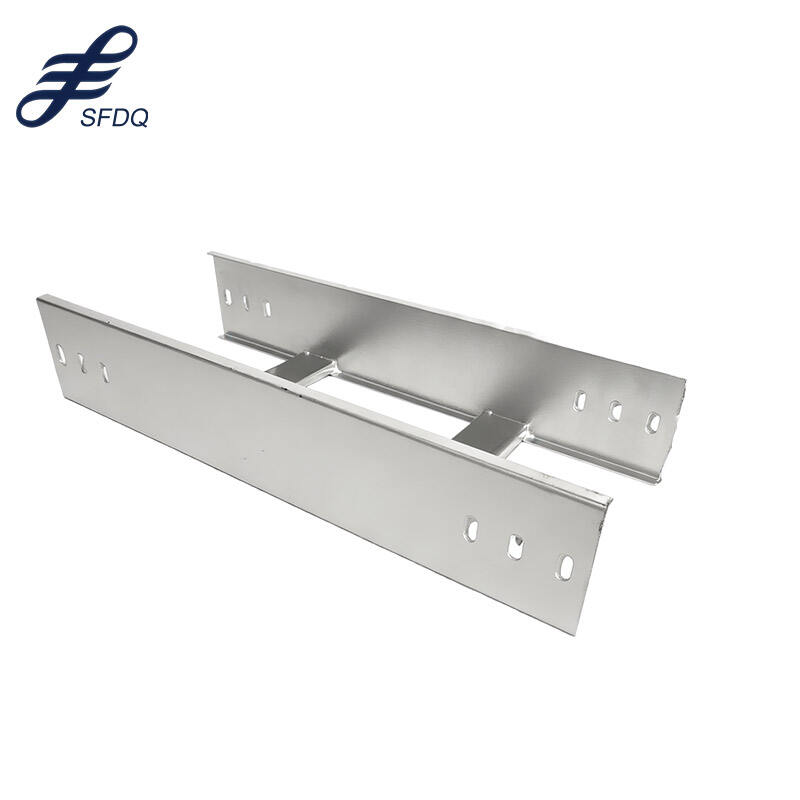
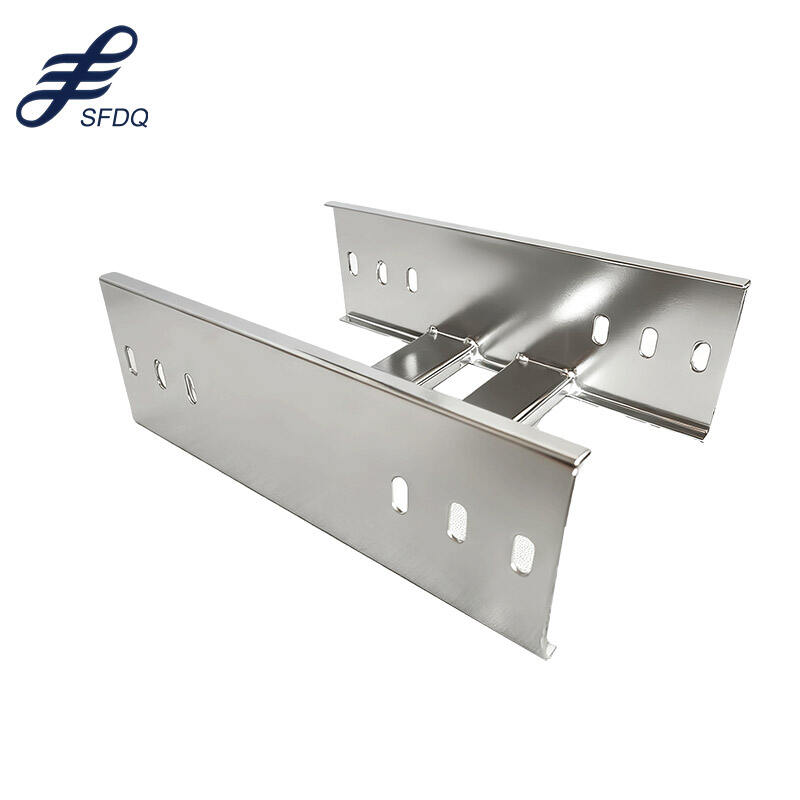
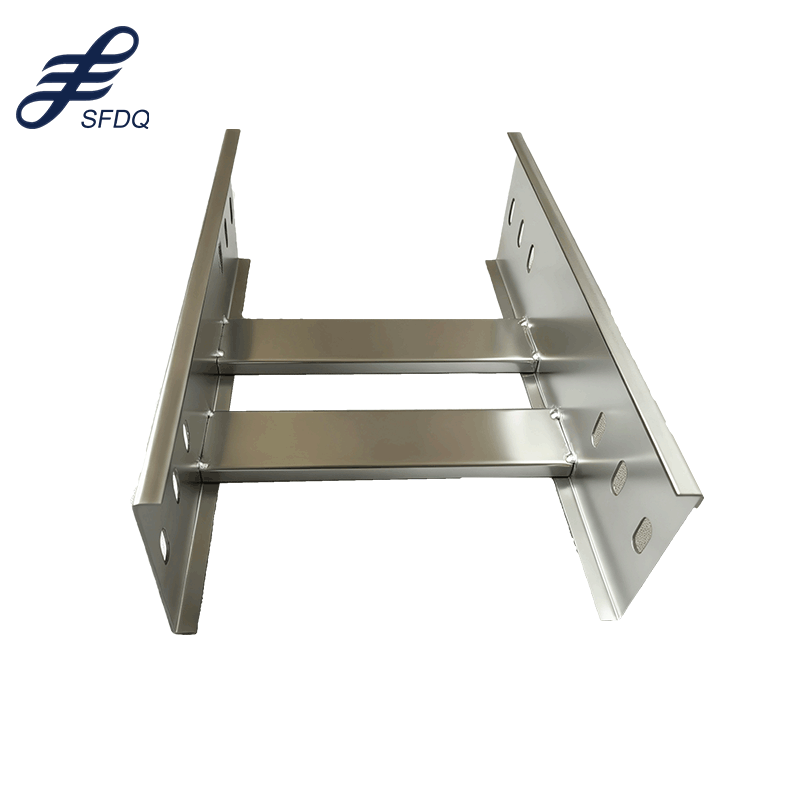
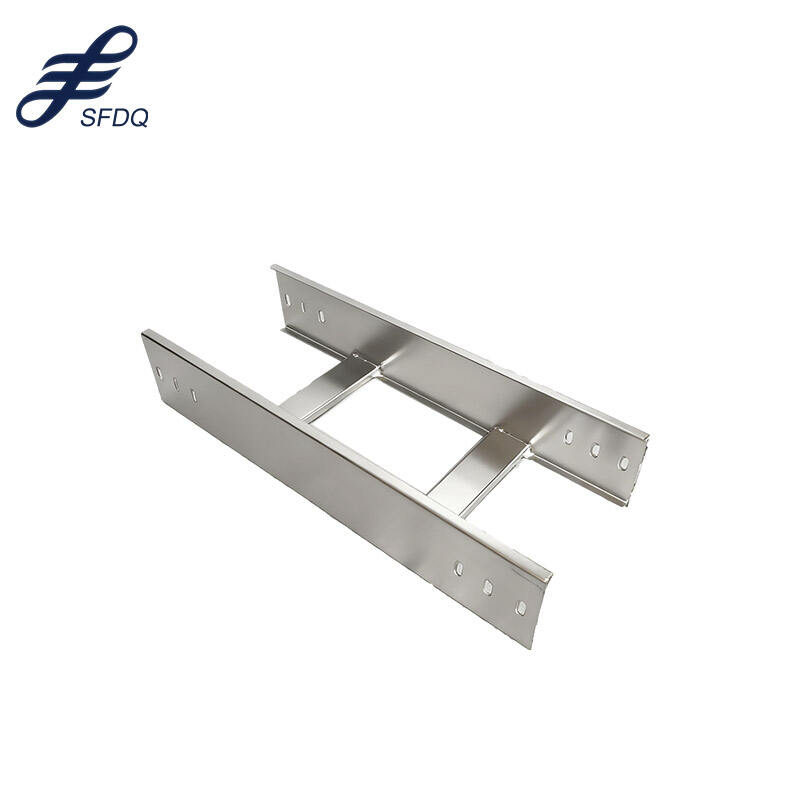
An aluminium cable ladder represents a sophisticated infrastructure solution designed to support and organize electrical cables across diverse industrial and commercial environments. This robust cable management system combines the inherent strength of aluminum construction with purposeful engineering to deliver exceptional performance in demanding applications. The primary function of an aluminium cable ladder centers on providing secure, organized pathways for power cables, data transmission lines, and communication systems throughout buildings, manufacturing facilities, and outdoor installations. The ladder-style configuration features horizontal rungs connected by vertical side rails, creating an open framework that facilitates excellent ventilation and easy cable access. Technologically, modern aluminium cable ladders incorporate precision manufacturing processes that ensure consistent dimensions and optimal load distribution. The aluminum alloy composition typically includes controlled amounts of silicon and magnesium, enhancing corrosion resistance while maintaining structural integrity under varying environmental conditions. Surface treatments such as anodizing or powder coating further protect against weathering and chemical exposure. The modular design philosophy enables seamless integration with existing cable management systems, while standardized connection points accommodate various mounting configurations. Applications for aluminium cable ladders span numerous sectors including power generation facilities, petrochemical plants, data centers, telecommunications infrastructure, and commercial buildings. In power distribution systems, these ladders support heavy-duty cables carrying high voltage loads across substantial distances. Manufacturing environments utilize them to organize control cables, instrumentation wiring, and communication networks. The versatility of aluminium cable ladders extends to outdoor installations where weather resistance becomes critical. Marine applications particularly benefit from aluminum's natural corrosion resistance in saltwater environments. The open ladder design promotes natural air circulation, preventing cable overheating while allowing easy inspection and maintenance access. Installation flexibility accommodates horizontal runs, vertical risers, and complex routing configurations, making aluminium cable ladders indispensable for comprehensive cable management solutions across modern infrastructure projects.

New Products

The advantages of aluminium cable ladders extend far beyond basic cable support, delivering tangible benefits that directly impact operational efficiency and long-term cost management for businesses and facility managers. Weight reduction stands as a primary advantage, with aluminum construction providing approximately 60% weight savings compared to steel alternatives. This lighter weight significantly reduces installation labor costs and eliminates the need for heavy lifting equipment during setup. Workers can handle longer sections safely, accelerating project timelines while minimizing workplace injury risks. The corrosion resistance inherent in aluminum construction eliminates ongoing maintenance expenses associated with rust prevention and replacement cycles. Unlike steel cable ladders that require regular painting and rust treatment, aluminium cable ladders maintain their structural integrity and appearance for decades without intervention. This durability translates to lower total ownership costs and reduced facility downtime for maintenance activities. Heat dissipation characteristics of aluminum provide superior thermal management for electrical installations. The metal's excellent thermal conductivity helps distribute heat generated by high-current cables, preventing dangerous hot spots that could lead to insulation failure or fire hazards. This thermal performance extends cable lifespan and improves overall system reliability. Installation versatility offers practical advantages for complex routing requirements. The modular nature of aluminium cable ladder systems accommodates field modifications without specialized tools or welding equipment. Standard connection hardware enables quick assembly and reconfiguration as facility needs evolve. This adaptability proves valuable in dynamic industrial environments where cable layouts frequently change. The open ladder design facilitates superior cable organization and identification. Maintenance personnel can quickly locate specific cables, trace connections, and perform inspections without removing covering or disturbing adjacent cables. This accessibility reduces troubleshooting time and minimizes system disruption during maintenance activities. Environmental benefits align with modern sustainability initiatives. Aluminum's recyclability ensures that end-of-life cable ladders contribute to circular economy principles rather than creating waste. The manufacturing process for aluminum cable ladders typically requires less energy than steel production, supporting corporate environmental goals. Fire safety advantages stem from aluminum's non-combustible properties and high melting point. In emergency situations, aluminium cable ladders maintain structural integrity longer than plastic alternatives, providing crucial support for emergency power systems and evacuation lighting. The electromagnetic compatibility of aluminum construction prevents interference with sensitive electronic equipment, making it ideal for data center and telecommunications applications where signal integrity is paramount.

Latest News

​Cable Tray: The Backbone of Efficient Cable Management - From SFDQ Factory

20

Nov

​Cable Tray: The Backbone of Efficient Cable Management - From SFDQ Factory

View More
Why Choose SFDQ’s Cable Tray?

20

Nov

Why Choose SFDQ’s Cable Tray?

View More
Unlock the Power of Factory Cable Trays with CE and ISO Certifications

20

Nov

Unlock the Power of Factory Cable Trays with CE and ISO Certifications

View More
SFDQ Participates in Saudi Exhibitions

05

Dec

SFDQ Participates in Saudi Exhibitions

Bringing High-Quality Cable Trays to Deepen Presence in the Middle East Infrastructure Market​
View More

Get a Free Quote

Our representative will contact you soon.
Email
Name
Company Name
WhatsApp
Message
0/1000

aluminium cable ladder

Superior Corrosion Resistance for Long-Term Reliability

Superior Corrosion Resistance for Long-Term Reliability

The exceptional corrosion resistance of aluminium cable ladders represents a fundamental advantage that delivers substantial value across diverse installation environments. This resistance stems from aluminum's natural ability to form a protective oxide layer when exposed to atmospheric conditions, creating an invisible barrier that prevents further deterioration. Unlike steel-based cable management systems that succumb to rust and require constant maintenance, aluminium cable ladders maintain their structural integrity and aesthetic appearance for decades without intervention. In industrial settings where chemical exposure, humidity, and temperature fluctuations challenge infrastructure durability, this corrosion resistance becomes invaluable. Petrochemical facilities, wastewater treatment plants, and food processing operations particularly benefit from aluminum's chemical stability. The oxide layer reformation capability means that even minor surface damage self-heals, preventing localized corrosion that could compromise structural strength. Marine and coastal installations face extreme corrosion challenges from saltwater exposure, where traditional materials quickly deteriorate. Aluminium cable ladders excel in these harsh environments, maintaining full load-bearing capacity and safety margins throughout their service life. This reliability eliminates unexpected replacement costs and reduces facility downtime for emergency repairs. The economic impact extends beyond material replacement savings. Maintenance crews avoid regular inspection schedules, rust treatment procedures, and protective coating applications that steel systems demand. This reduction in maintenance labor translates to significant operational cost savings over the system lifecycle. Additionally, the consistent appearance of aluminium cable ladders maintains professional facility aesthetics without periodic refinishing requirements. Environmental sustainability benefits align with modern corporate responsibility initiatives. The longevity provided by corrosion resistance reduces material consumption over facility lifespans, supporting circular economy principles. When eventual replacement becomes necessary, aluminum's complete recyclability ensures materials return to productive use rather than creating waste streams. Installation planning benefits from predictable performance characteristics. Engineers can specify aluminium cable ladders with confidence in long-term structural capabilities, eliminating oversizing requirements typically needed to compensate for corrosion-related strength degradation in other materials.
Lightweight Construction with Maximum Load Capacity

Lightweight Construction with Maximum Load Capacity

The lightweight construction of aluminium cable ladders revolutionizes cable management installation and operational efficiency while maintaining exceptional load-bearing capabilities that exceed industry requirements. This unique combination of reduced weight and structural strength addresses critical challenges faced by facility managers, installation teams, and maintenance personnel across diverse applications. The weight advantage becomes immediately apparent during installation phases, where aluminium cable ladders require significantly fewer personnel for handling and positioning. A typical steel cable ladder section demanding four workers for safe installation can often be managed by two individuals when constructed from aluminum, directly reducing labor costs and accelerating project schedules. This efficiency proves particularly valuable in retrofit installations where workspace constraints limit crew size and equipment access. The reduced structural loading requirements extend throughout entire building systems. Lighter cable ladder installations reduce stress on building frameworks, potentially eliminating the need for structural reinforcements that steel systems would require. This reduction in building modifications translates to substantial cost savings during new construction and renovation projects. Additionally, reduced structural loads enable installations in areas where weight restrictions would otherwise prohibit comprehensive cable management systems. Transportation and logistics benefits compound throughout project lifecycles. Shipping costs decrease proportionally with weight reduction, while storage and handling become more manageable for contractors and distributors. The ability to transport larger quantities per shipment reduces delivery schedules and associated costs. Despite the weight advantages, aluminium cable ladders maintain exceptional load-bearing capabilities through advanced alloy compositions and engineered cross-sectional designs. Modern aluminum alloys achieve strength-to-weight ratios that often exceed steel performance, enabling confident specification for heavy cable loads including high-voltage power feeders and dense data cable bundles. The structural efficiency of aluminum construction enables optimized designs that minimize material usage while maximizing load capacity. This efficiency results in cost-effective solutions that deliver superior performance per dollar invested. Engineering calculations demonstrate that properly designed aluminium cable ladders often support greater cable loads than heavier steel alternatives, challenging traditional assumptions about material selection. Safety improvements result from reduced handling weights throughout installation and maintenance activities. Workers face lower injury risks when managing lighter components, while the reduced physical demands enable more precise positioning and secure connections. This safety enhancement contributes to lower insurance costs and improved workforce productivity.
Exceptional Thermal Management for Cable Protection

Exceptional Thermal Management for Cable Protection

The superior thermal management capabilities of aluminium cable ladders provide critical protection for electrical systems while extending cable service life and improving overall installation safety. This thermal performance advantage stems from aluminum's exceptional heat conductivity properties, which efficiently dissipate thermal energy generated by electrical current flow through supported cables. Understanding this thermal management benefit is essential for electrical engineers and facility managers responsible for maintaining reliable power distribution and data transmission systems. Heat generation in electrical cables creates ongoing challenges for system designers and operators. High-current power cables, dense data cable bundles, and variable-frequency drive feeders all generate significant thermal energy during normal operation. Without proper heat dissipation, cable insulation temperatures can exceed rated limits, leading to premature aging, reduced ampacity, and potential fire hazards. Aluminium cable ladders address these thermal challenges through active heat conduction away from cable surfaces, creating effective thermal pathways that prevent dangerous temperature accumulation. The thermal conductivity of aluminum exceeds that of steel by approximately four times, enabling rapid heat transfer from cables to the surrounding environment. This enhanced heat dissipation allows cables to operate at higher current densities without exceeding temperature ratings, effectively increasing system capacity without cable upgrades. For existing installations approaching thermal limits, upgrading to aluminium cable ladders can provide additional capacity margin without complete cable replacement. Temperature monitoring data from installations demonstrates measurable temperature reductions when cables are supported by aluminum systems compared to steel or fiberglass alternatives. These temperature reductions directly correlate to extended cable service life and improved system reliability. The economic benefits of thermal management extend throughout system lifecycles through reduced cable replacement frequencies and lower cooling system requirements. Data center applications particularly benefit from aluminum's thermal properties, where dense server cable bundles generate substantial heat loads. The enhanced heat dissipation provided by aluminium cable ladders reduces HVAC cooling requirements, contributing to energy efficiency improvements and operational cost reductions. This thermal management capability supports higher server density installations while maintaining safe operating temperatures for critical infrastructure components. Fire safety improvements result from better thermal control, as excessive cable temperatures represent primary fire initiation risks in electrical installations. By maintaining lower operating temperatures, aluminium cable ladders contribute to comprehensive fire prevention strategies. Emergency response benefits include maintained structural integrity during fire events, ensuring continued support for emergency power and evacuation systems when needed most.
Inquiry Inquiry Email Email Tel Tel TopTop

Get a Free Quote

Our representative will contact you soon.
Email
Name
Company Name
WhatsApp
Message
0/1000