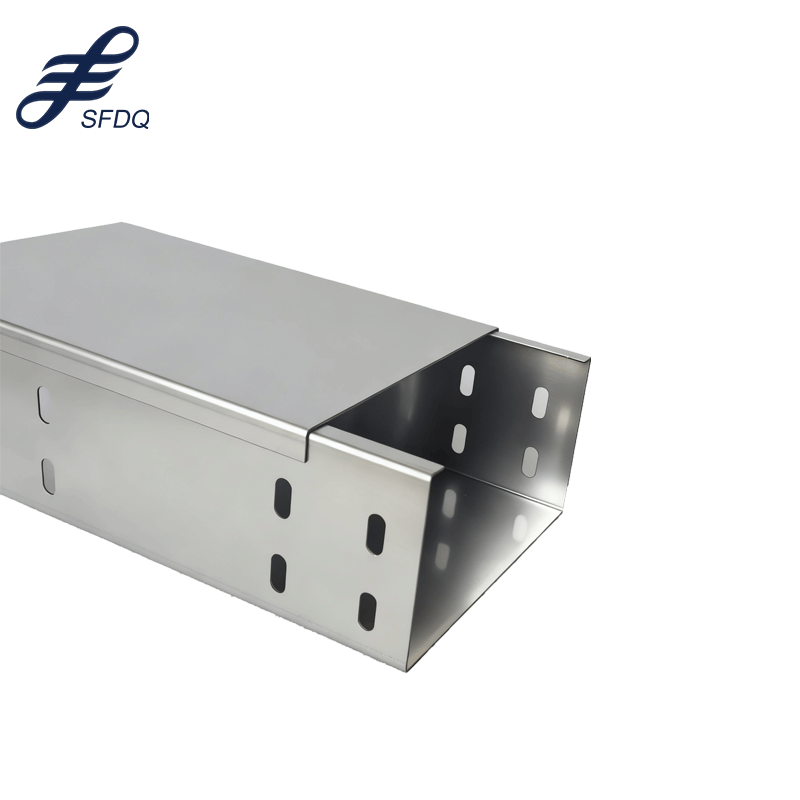
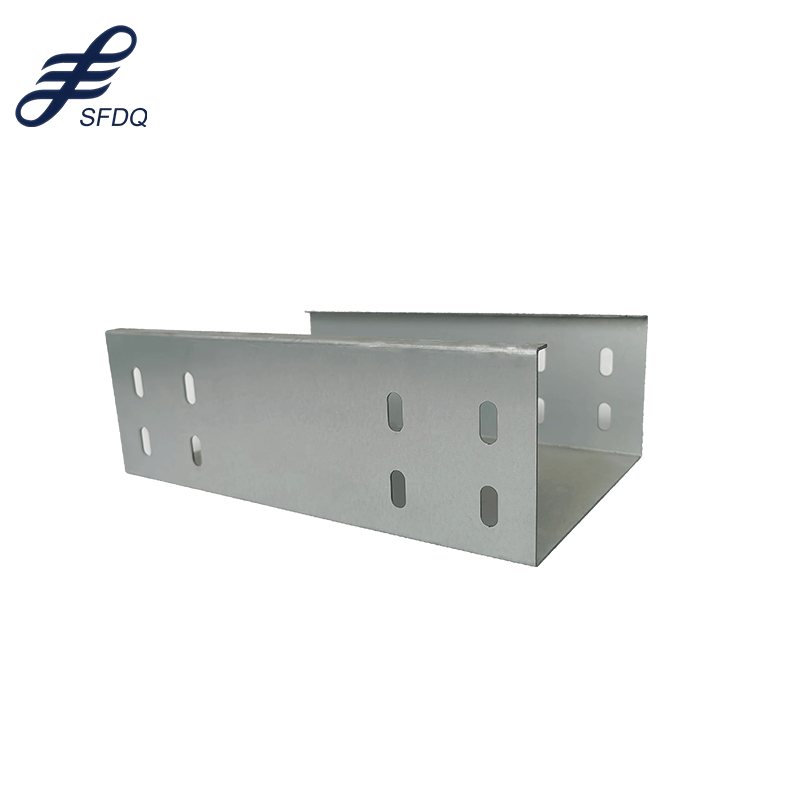
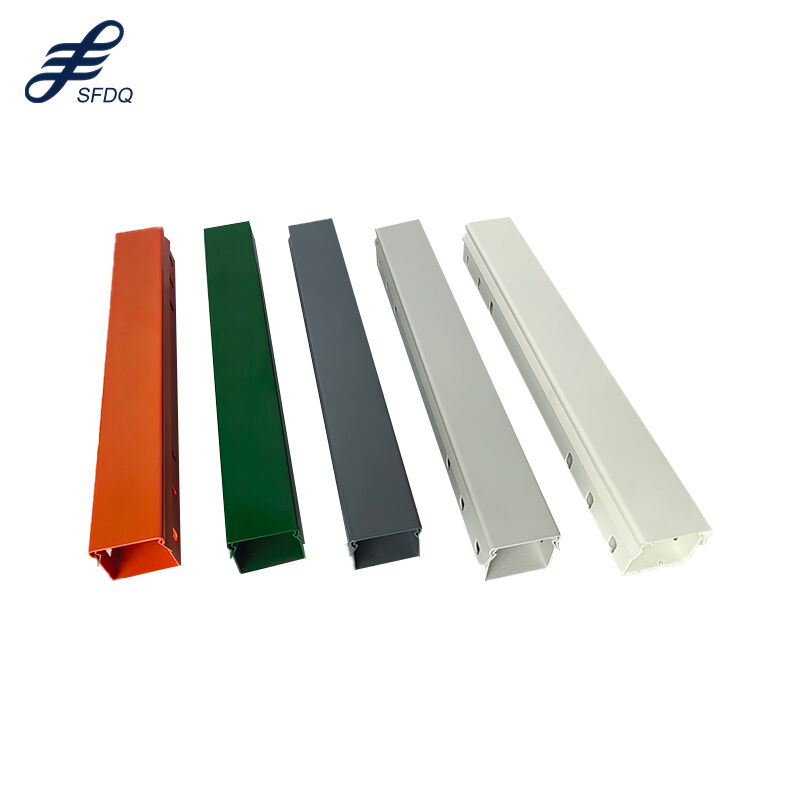
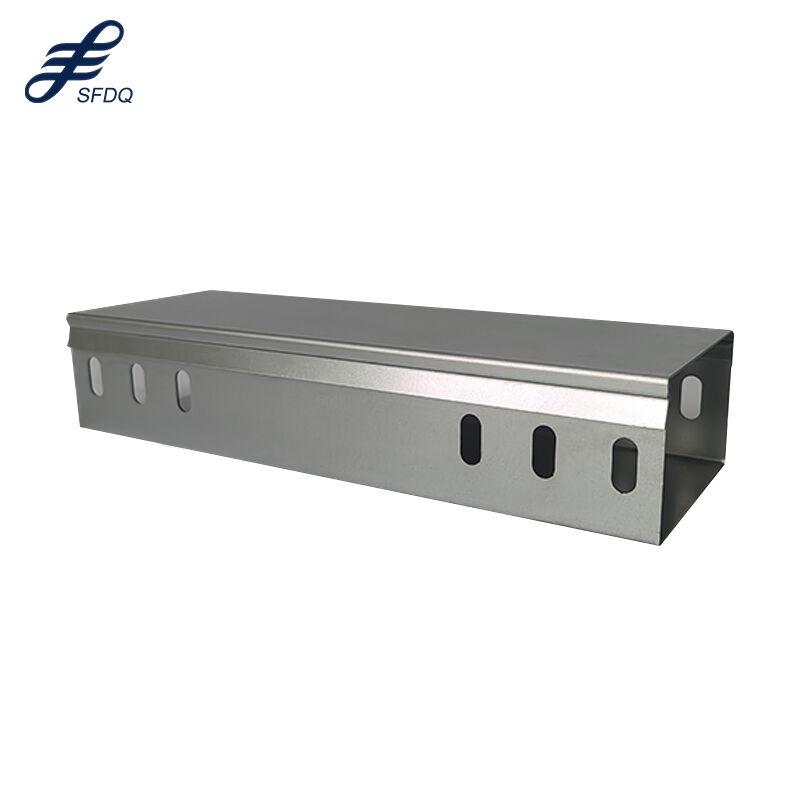
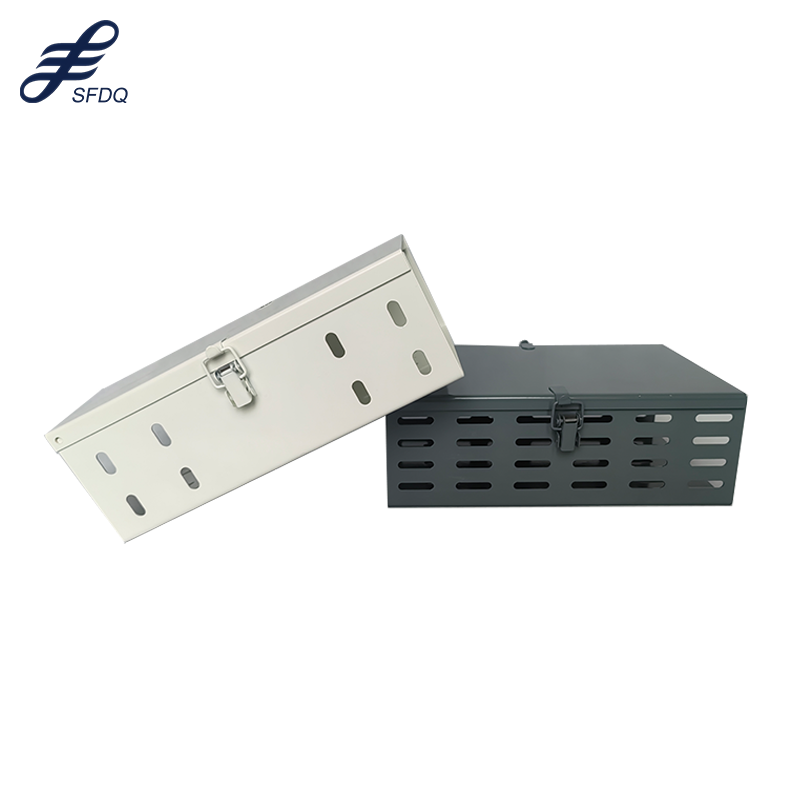
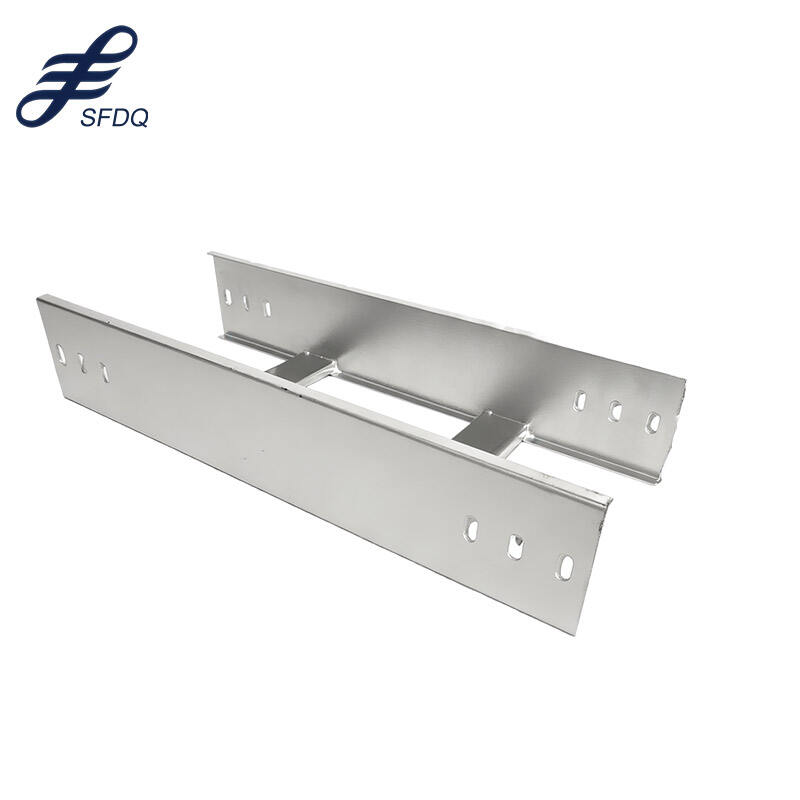
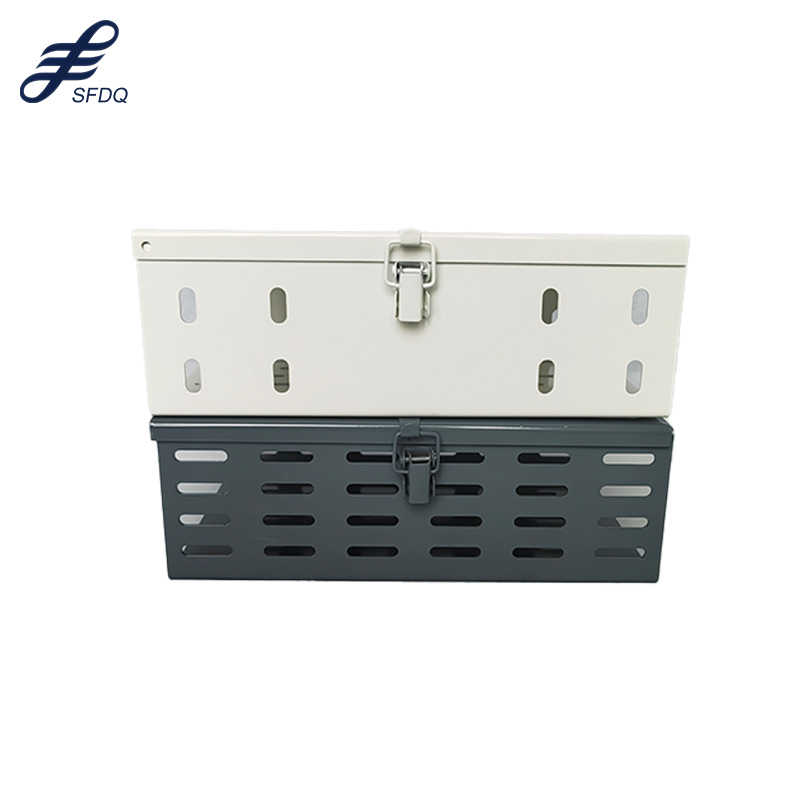
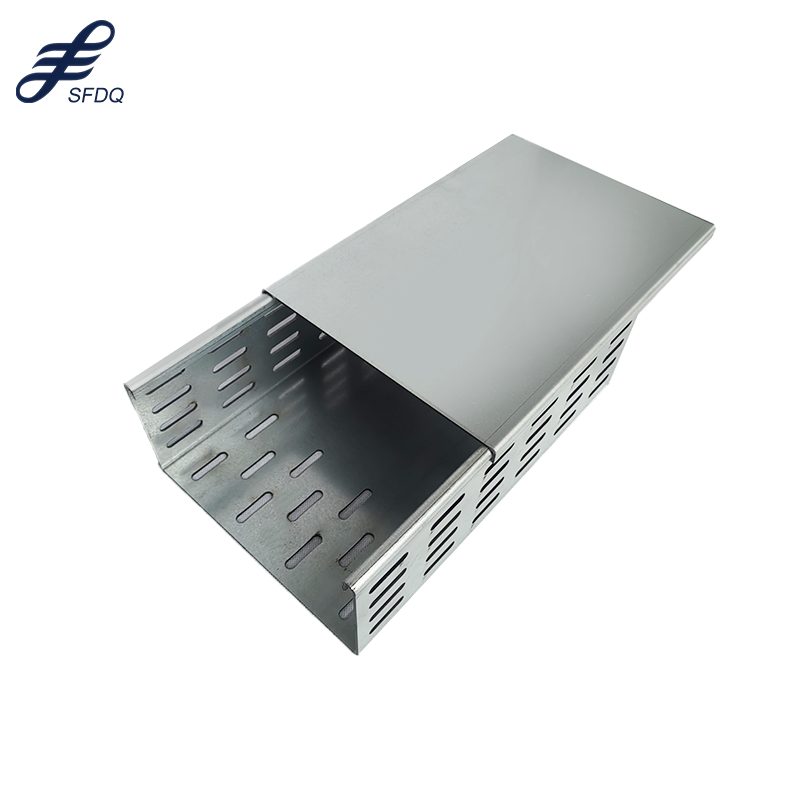
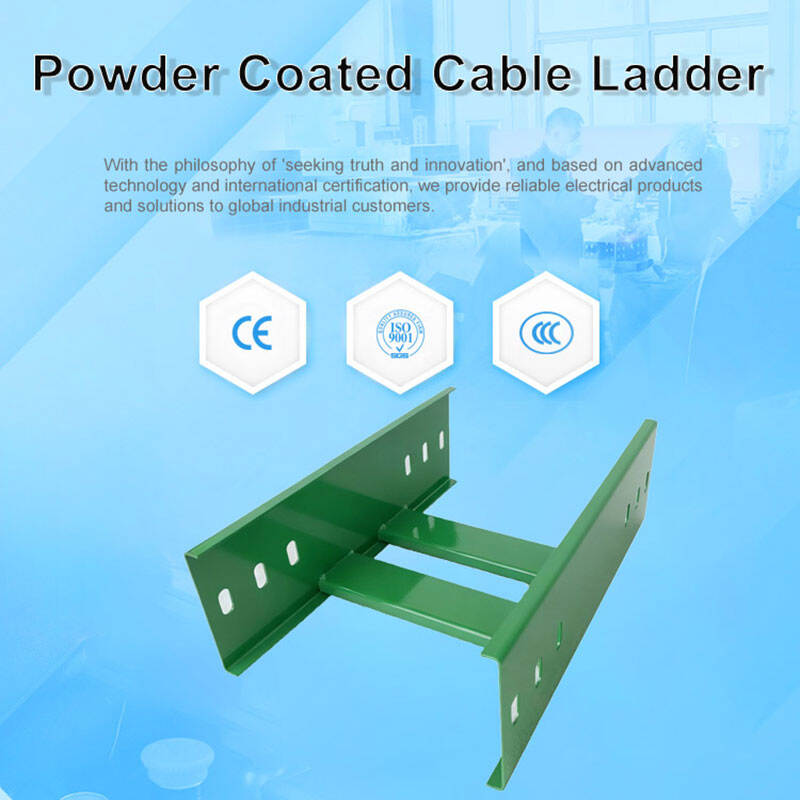
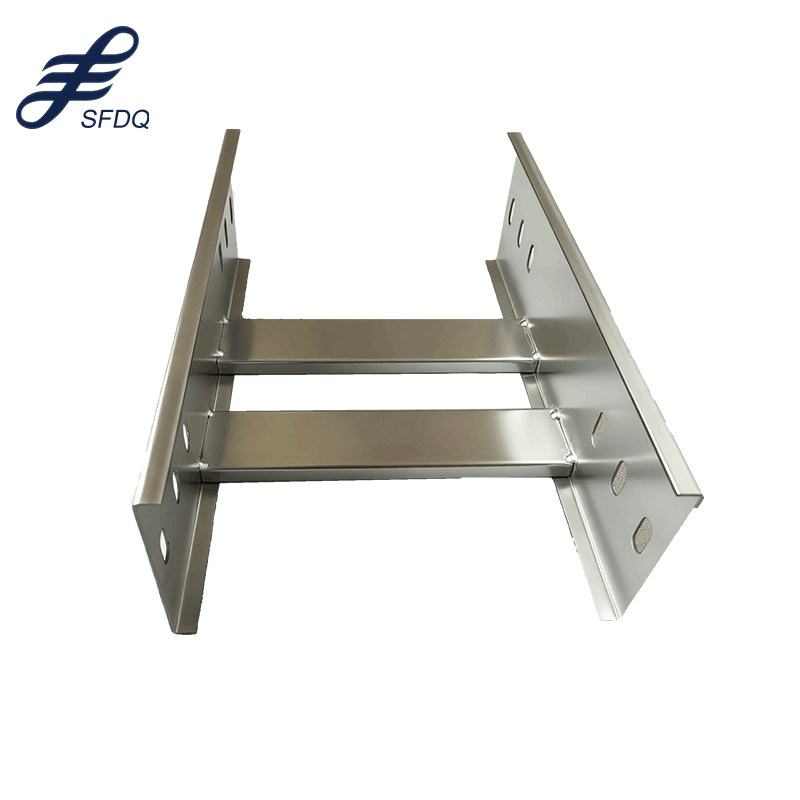
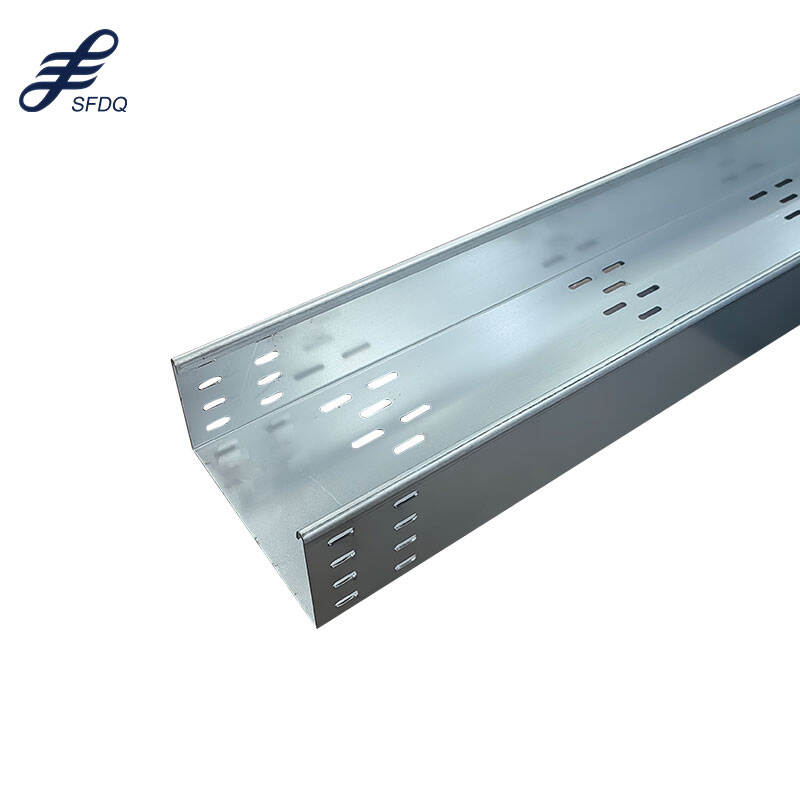
heavy duty cable trunking
Heavy duty cable trunking represents a robust infrastructure solution designed to organize, protect, and manage electrical cables in demanding industrial environments. This specialized cable management system serves as a protective housing that shields electrical wiring from environmental hazards while maintaining organized pathways for power distribution and data transmission cables. The heavy duty cable trunking system consists of durable channels, covers, and accessories that create secure conduits for electrical installations across various industrial applications. The primary function of heavy duty cable trunking involves providing mechanical protection against physical damage, moisture intrusion, and electromagnetic interference. These systems effectively compartmentalize different types of cables, preventing cross-interference between power and data lines while ensuring compliance with electrical safety standards. The trunking design facilitates easy cable installation, maintenance, and future modifications without disrupting existing electrical infrastructure. Technologically, heavy duty cable trunking incorporates advanced materials such as galvanized steel, aluminum alloy, or high-grade polymer compounds that deliver exceptional durability and corrosion resistance. Modern trunking systems feature modular designs with standardized dimensions, allowing seamless integration with existing electrical installations. Advanced manufacturing techniques ensure precise tolerances and smooth internal surfaces that prevent cable damage during installation or maintenance procedures. The applications for heavy duty cable trunking span across manufacturing facilities, data centers, commercial buildings, hospitals, educational institutions, and transportation infrastructure. These systems prove essential in environments requiring reliable cable management solutions that can withstand harsh operating conditions including temperature fluctuations, chemical exposure, and mechanical stress. Heavy duty cable trunking systems accommodate various cable types including power cables, control wires, fiber optic lines, and communication networks within a single organized framework.
 EN
EN