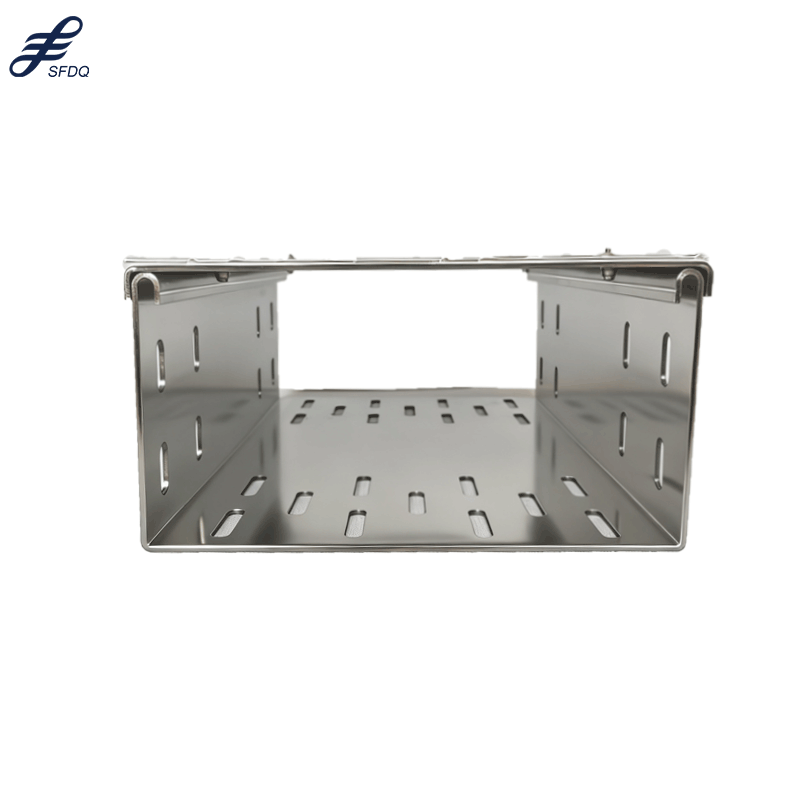
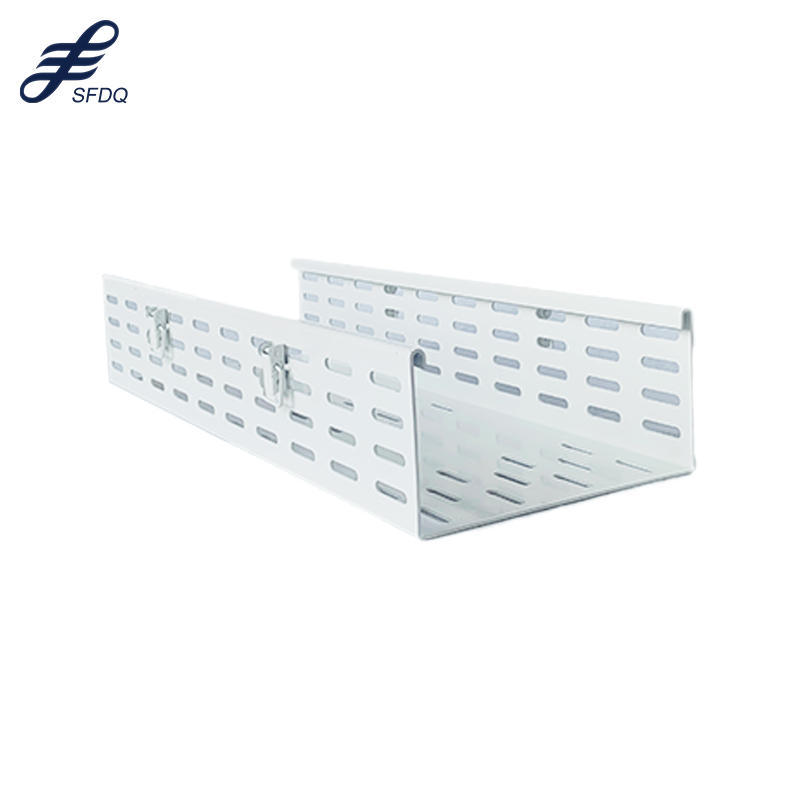
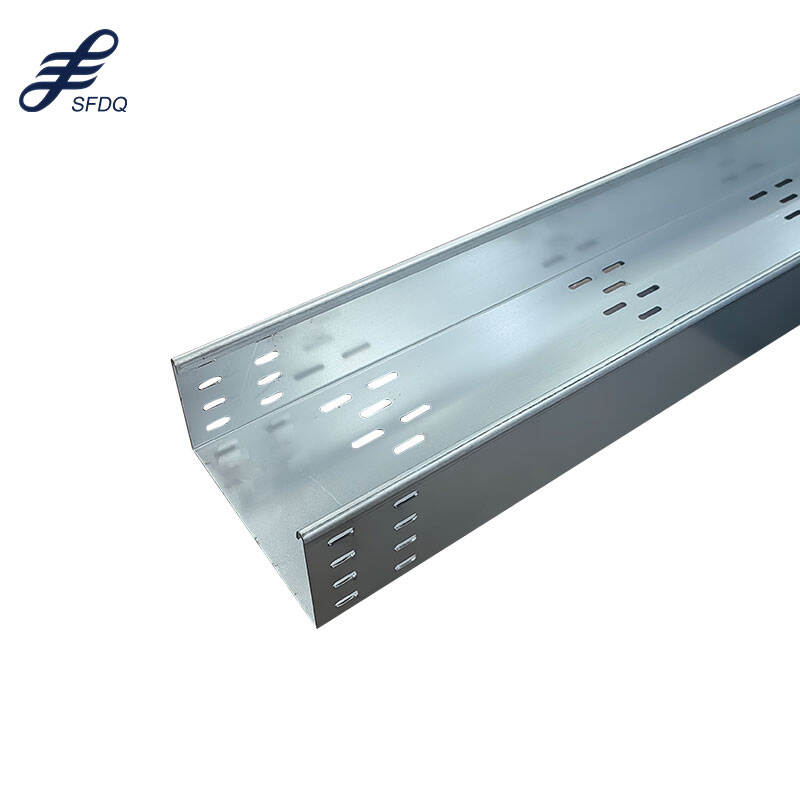
heavy gauge cable tray
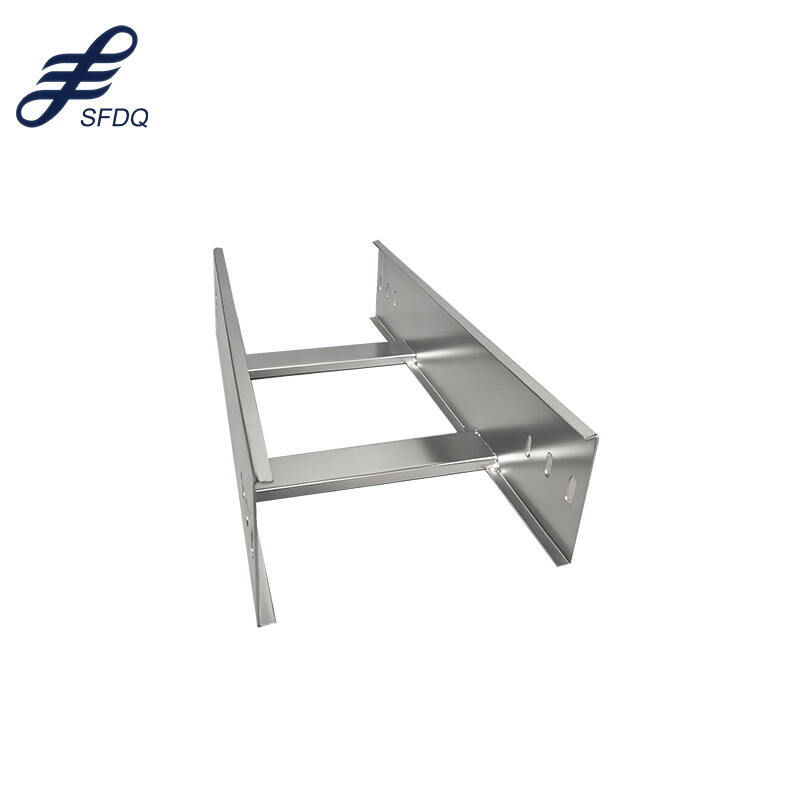
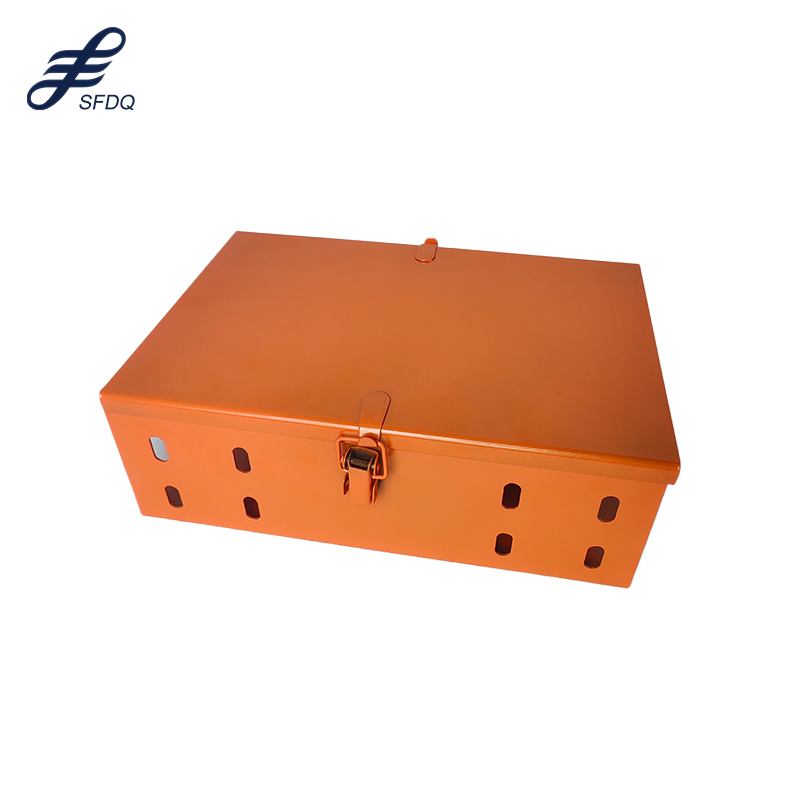
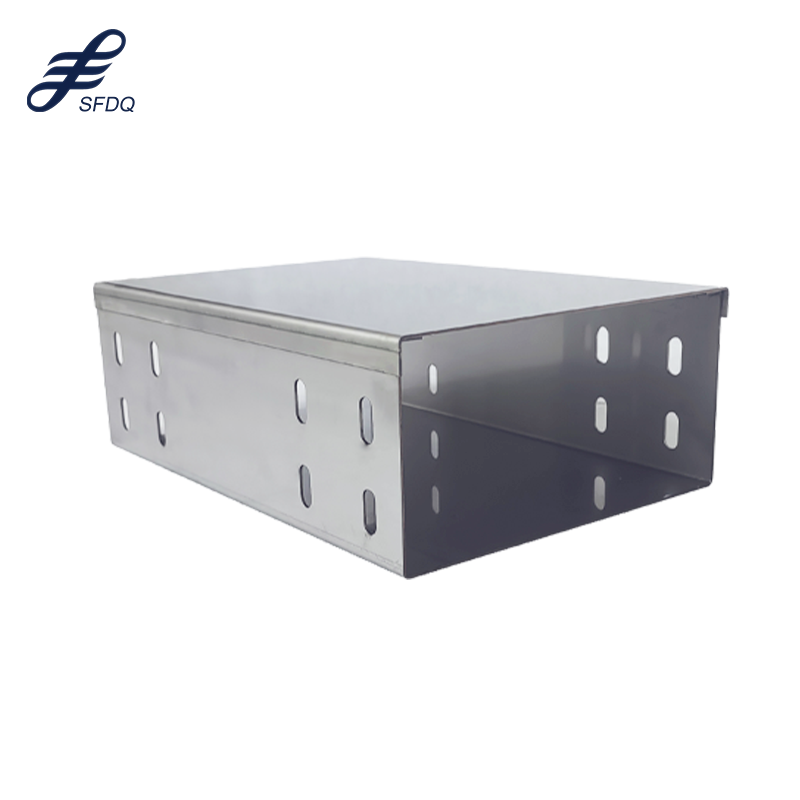
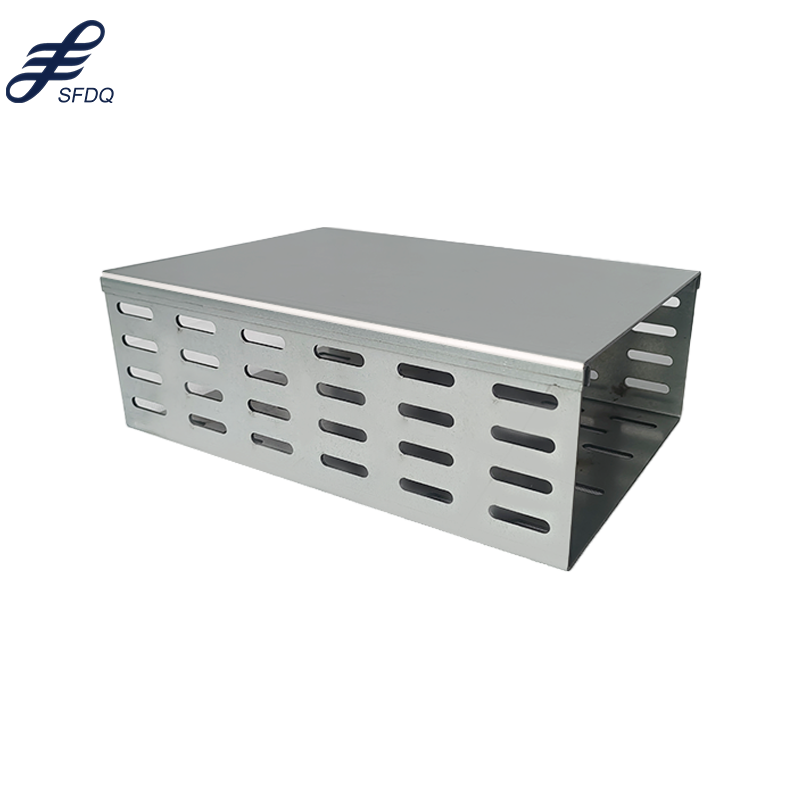
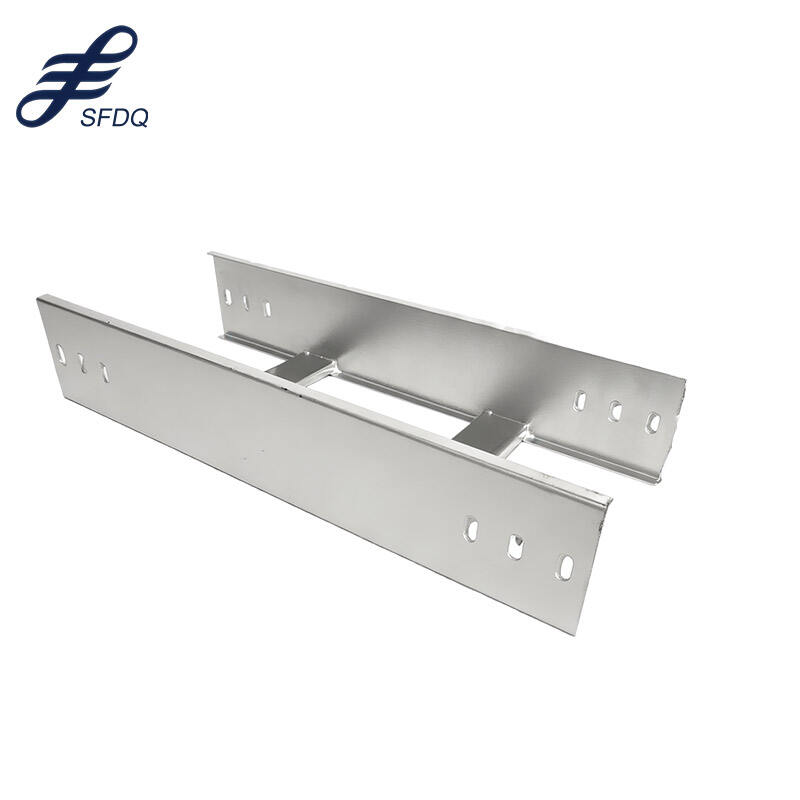
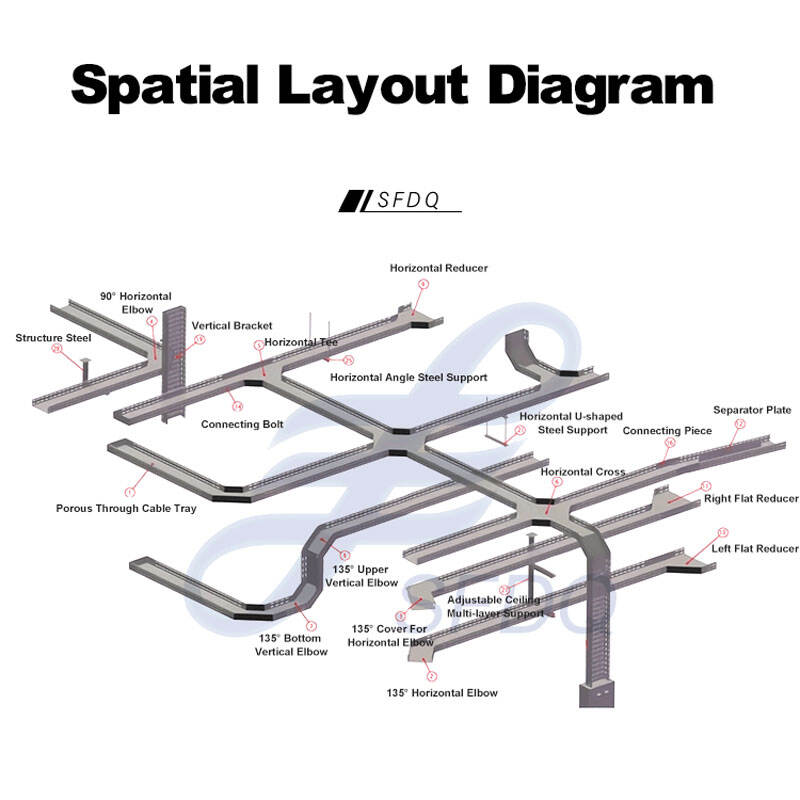
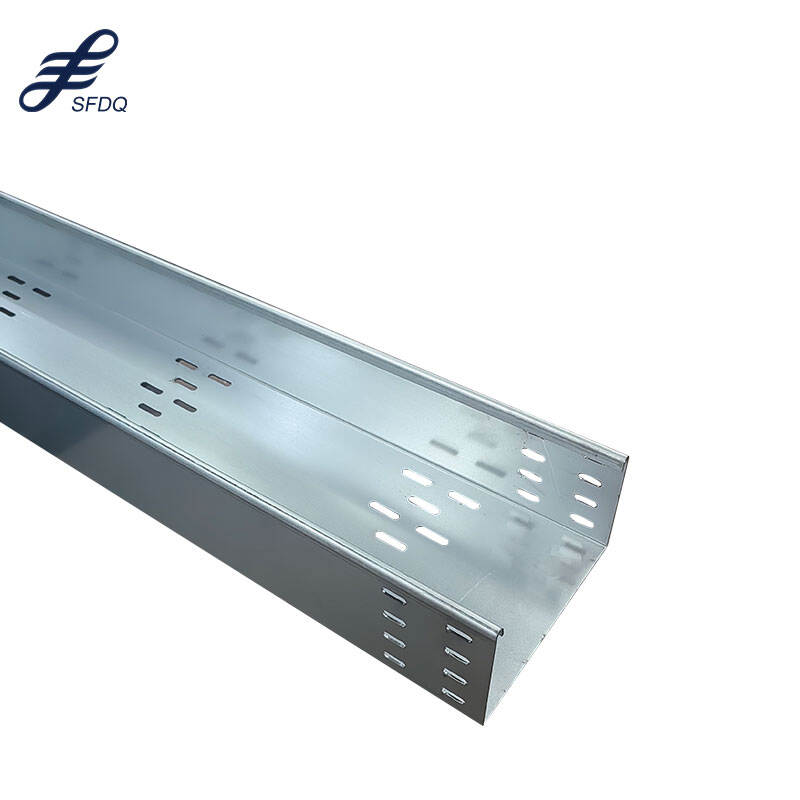
Heavy gauge cable tray systems represent a crucial infrastructure component designed to provide robust support and protection for electrical cables in demanding industrial environments. These engineered solutions utilize thicker steel construction compared to standard cable trays, typically featuring steel gauges ranging from 12 to 16, which ensures exceptional structural integrity and load-bearing capacity. The heavy gauge cable tray serves as a mechanical support system that organizes, routes, and protects electrical wiring throughout commercial, industrial, and institutional facilities. The primary function of heavy gauge cable tray involves creating organized pathways for power distribution cables, control wiring, and communication lines while maintaining accessibility for maintenance and future modifications. These systems excel in environments where substantial cable loads, harsh conditions, or stringent safety requirements demand superior mechanical strength. The technological features of heavy gauge cable tray include reinforced side rails, enhanced bottom construction, and specialized joint connections that distribute loads evenly across the entire structure. Advanced manufacturing processes ensure consistent material thickness, precise forming, and superior surface treatments that resist corrosion and environmental degradation. The heavy gauge cable tray incorporates various design configurations including ladder-type, ventilated trough, solid bottom, and channel designs to accommodate different installation requirements and cable types. Applications for heavy gauge cable tray span across power generation facilities, petrochemical plants, manufacturing complexes, data centers, and transportation infrastructure where reliable cable management is essential. These systems prove particularly valuable in environments subject to vibration, thermal cycling, chemical exposure, or mechanical stress where standard cable management solutions would fail. The heavy gauge cable tray provides long-term reliability through its robust construction, reducing maintenance requirements and ensuring continuous operation of critical electrical systems throughout the facility lifecycle.
 EN
EN