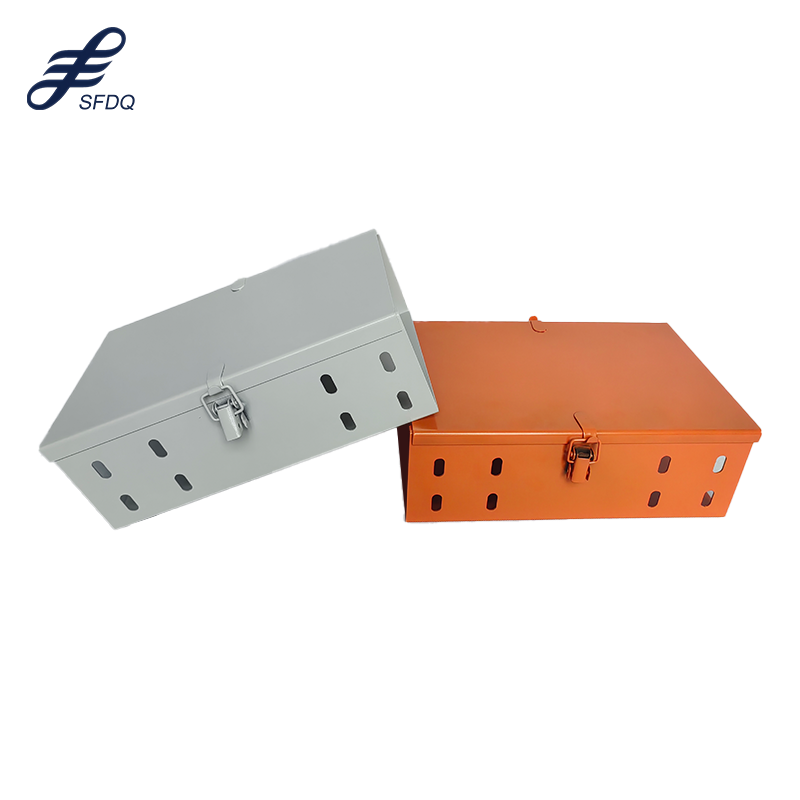
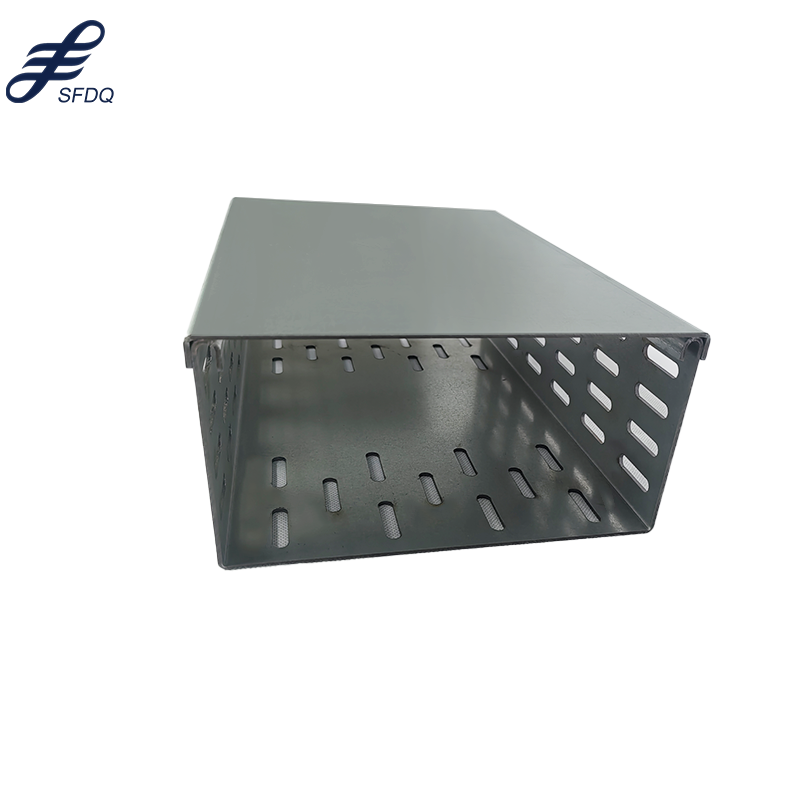
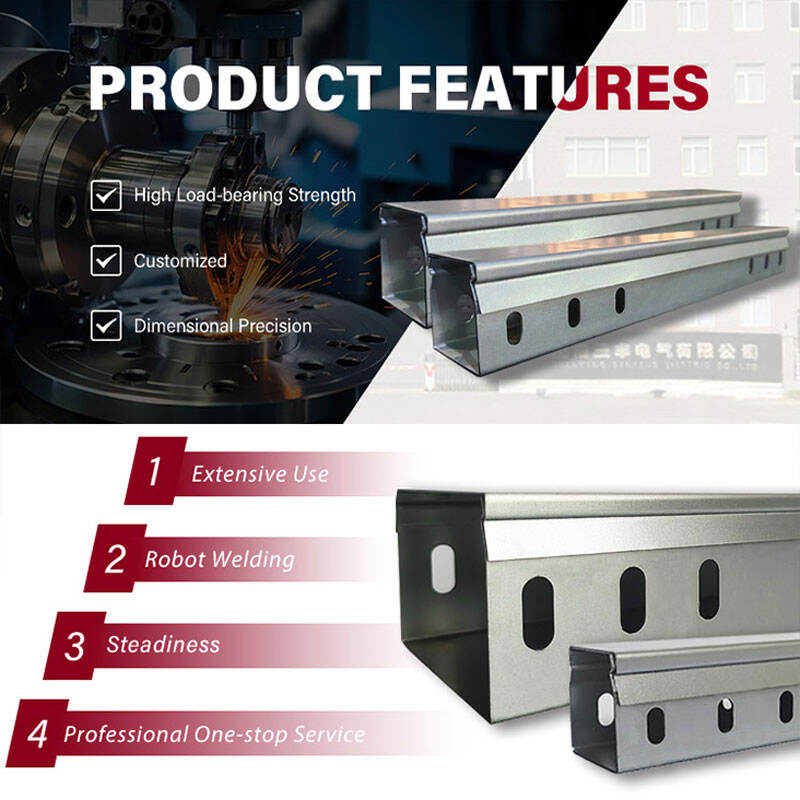
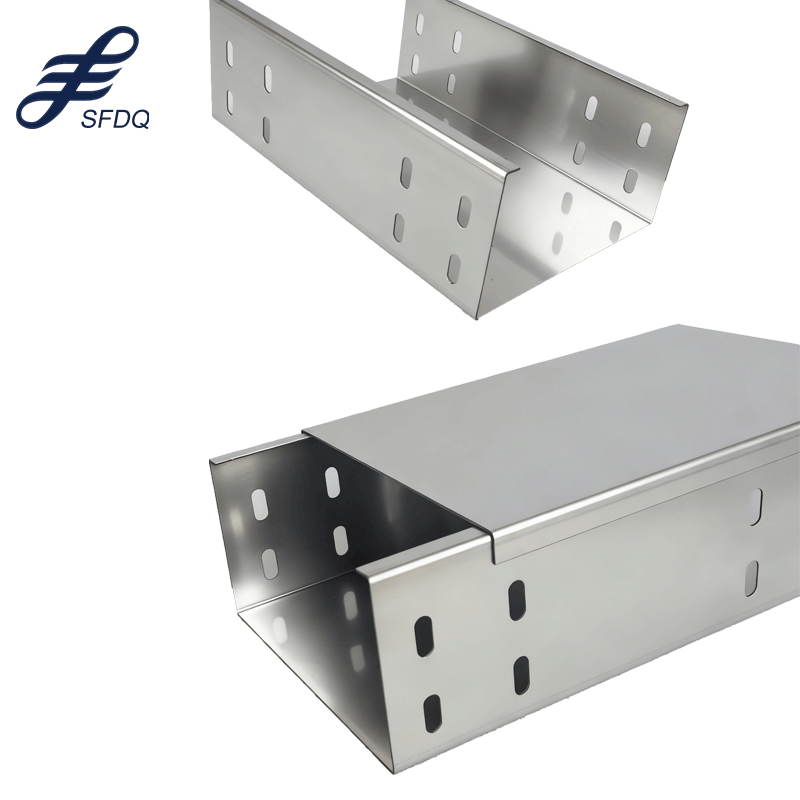
wall mounted cable tray
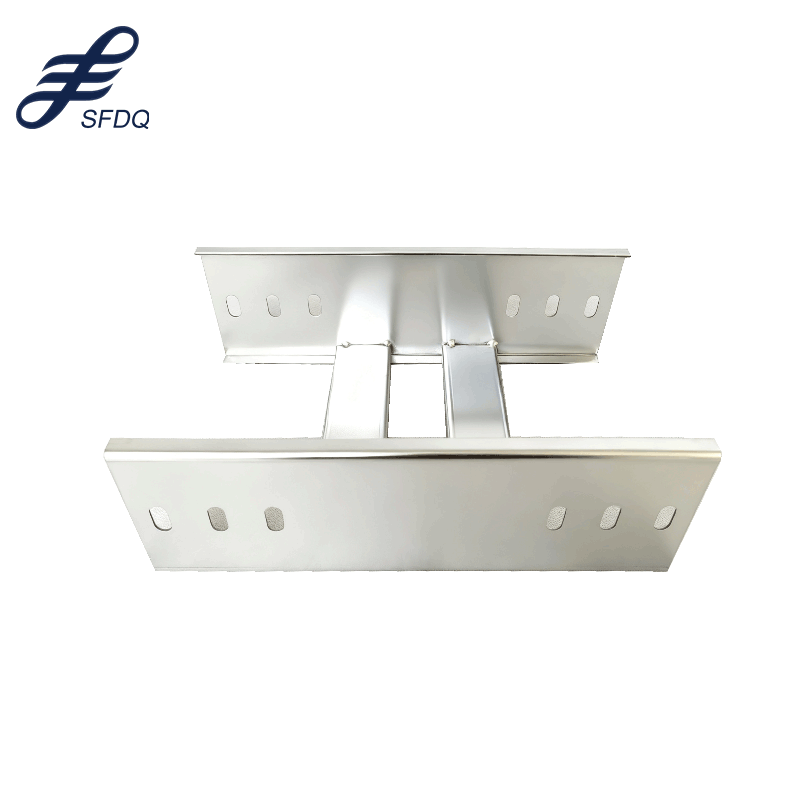
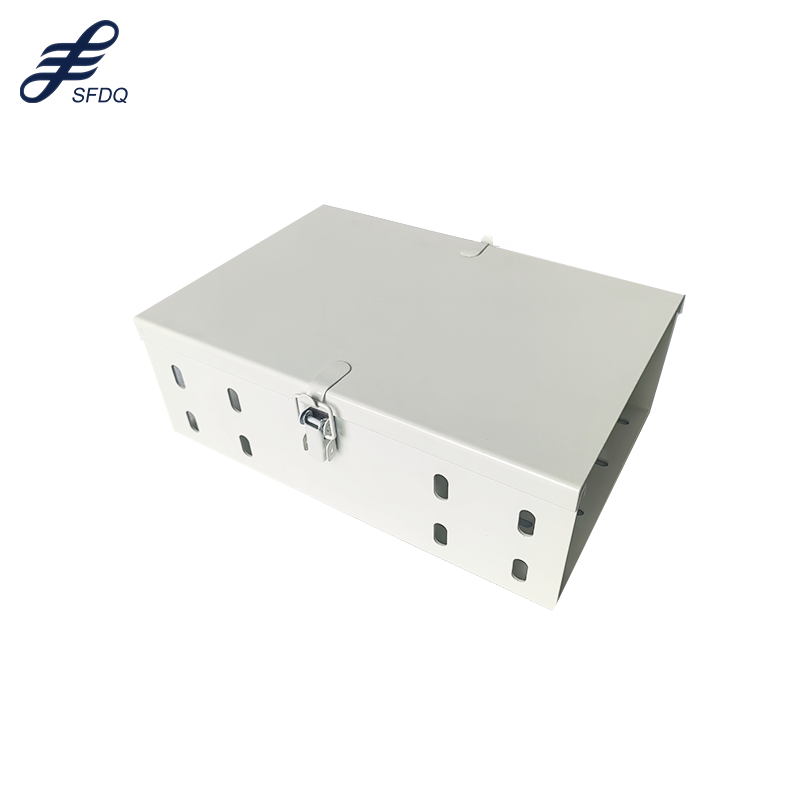
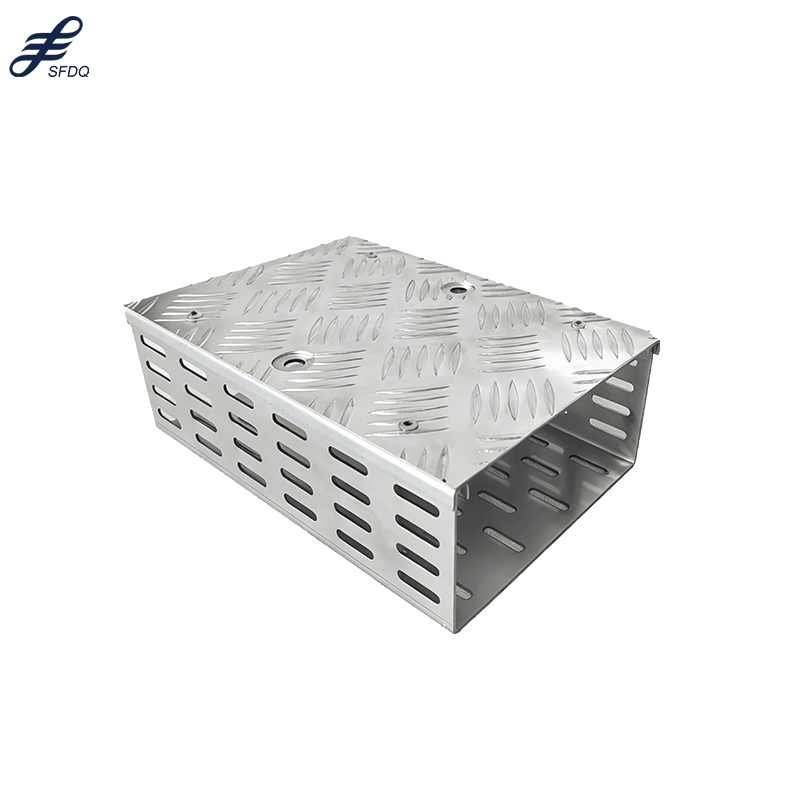
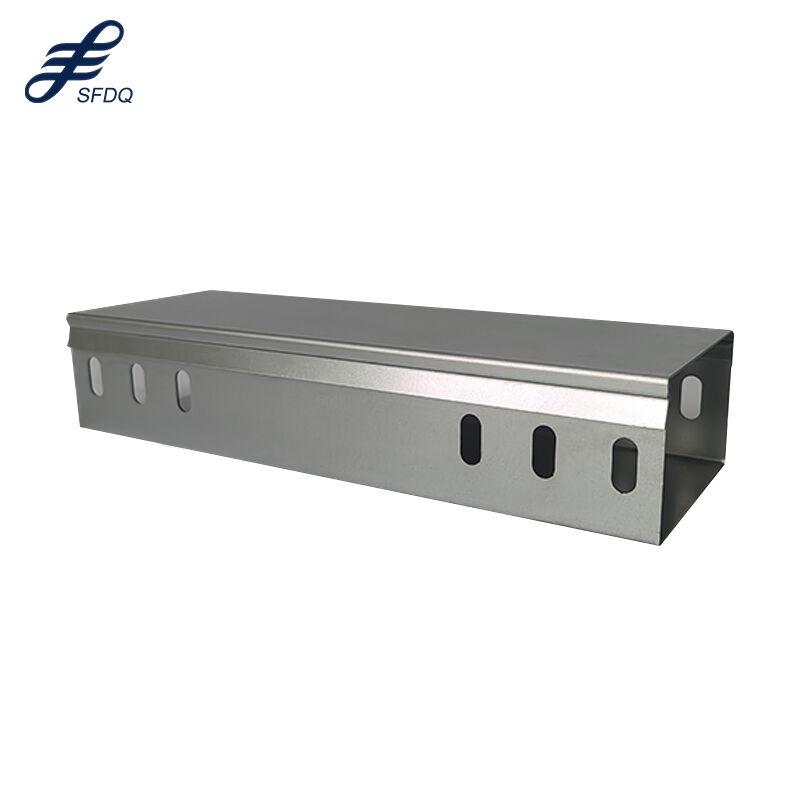
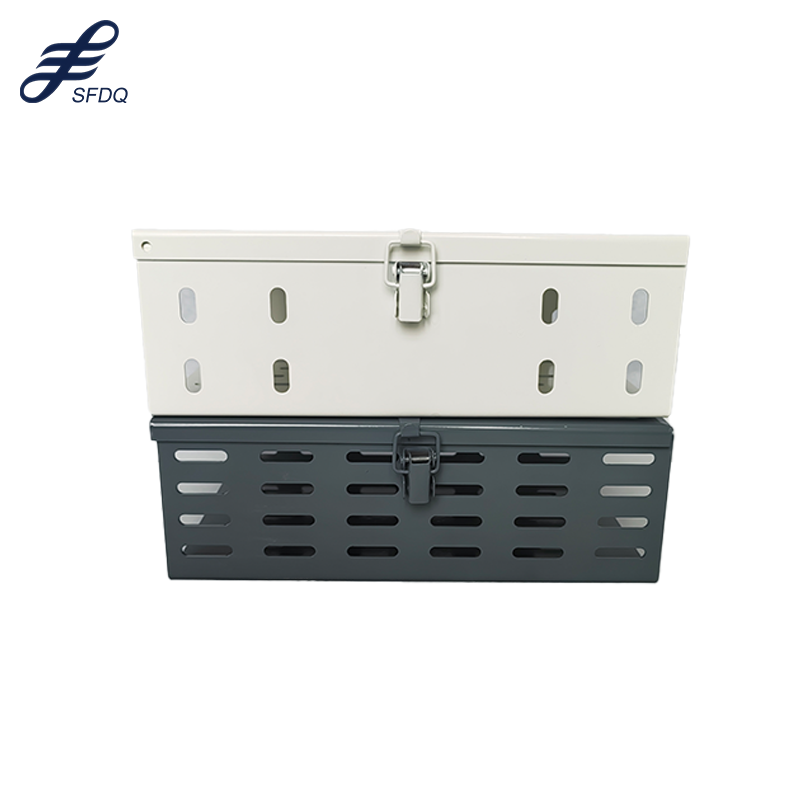
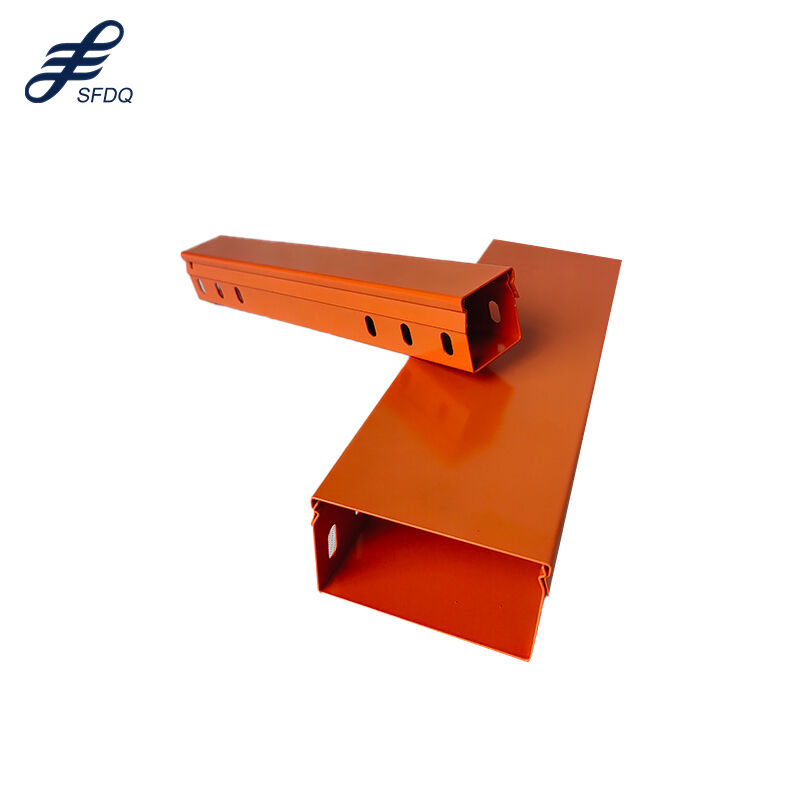
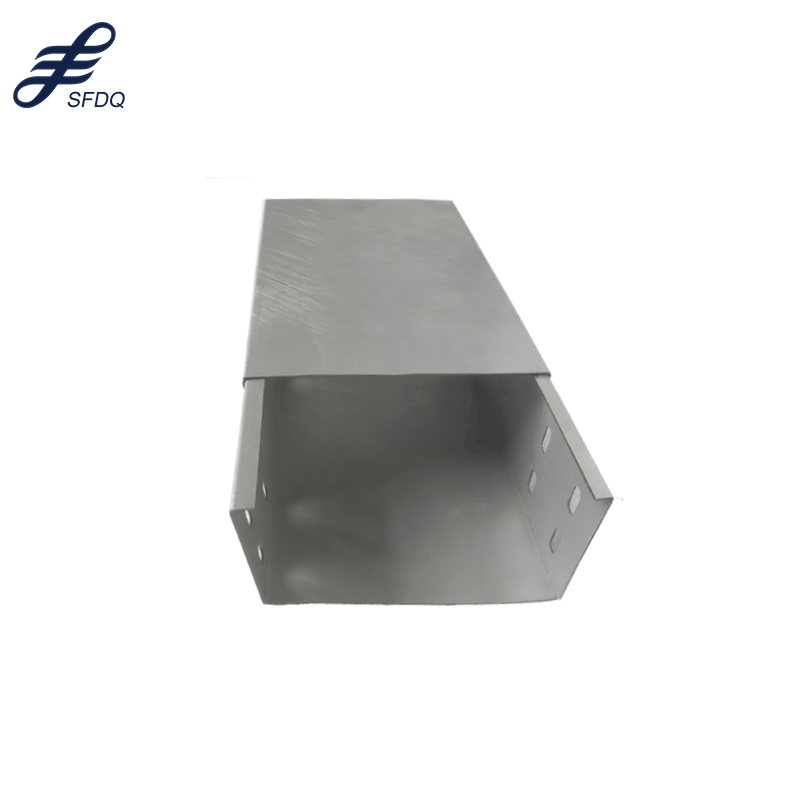
A wall mounted cable tray represents an essential infrastructure component designed to organize, support, and protect electrical cables and wiring systems along vertical surfaces. This robust mounting solution serves as a systematic approach to cable management in commercial, industrial, and residential environments where floor space optimization is crucial. The wall mounted cable tray functions as a structured pathway that securely holds multiple cables while maintaining proper spacing and ventilation to prevent overheating and electromagnetic interference. These systems are engineered to accommodate various cable types including power cables, data transmission lines, fiber optic cables, and communication wiring. The primary technological features of wall mounted cable tray systems include corrosion-resistant materials such as galvanized steel, stainless steel, or aluminum construction that ensures long-term durability in diverse environmental conditions. Advanced coating technologies provide additional protection against moisture, chemicals, and temperature fluctuations. The modular design allows for flexible configuration and easy expansion as infrastructure needs evolve. Load-bearing capabilities are precisely calculated to support substantial cable weights while maintaining structural integrity. Installation mechanisms incorporate secure mounting brackets and adjustable support systems that distribute weight evenly across the wall surface. Applications for wall mounted cable tray systems span across data centers, manufacturing facilities, office buildings, hospitals, educational institutions, and telecommunications infrastructure. These installations prove particularly valuable in server rooms where cable organization directly impacts system performance and maintenance accessibility. Industrial environments benefit from the protective qualities that shield sensitive wiring from environmental hazards. The wall mounted cable tray design facilitates compliance with electrical codes and safety standards while streamlining inspection and maintenance procedures. Modern installations often integrate with building management systems to monitor cable conditions and optimize performance efficiency.
 EN
EN