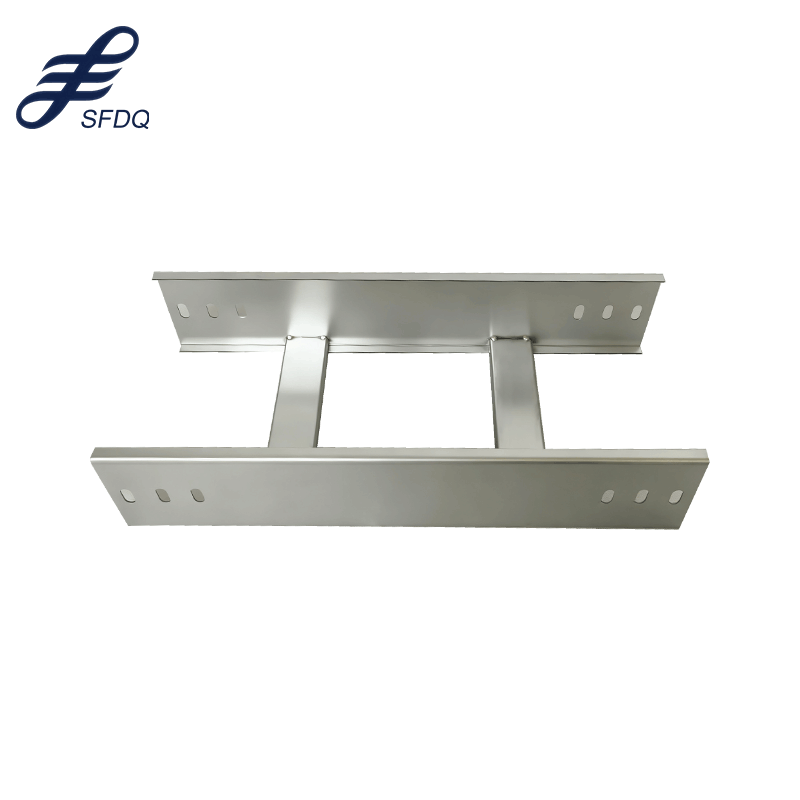
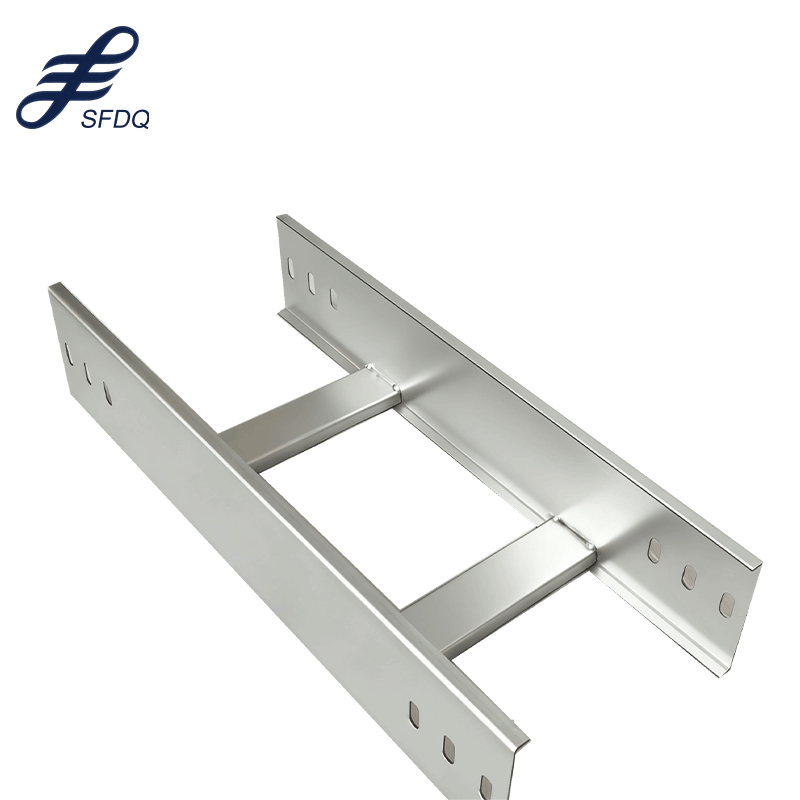
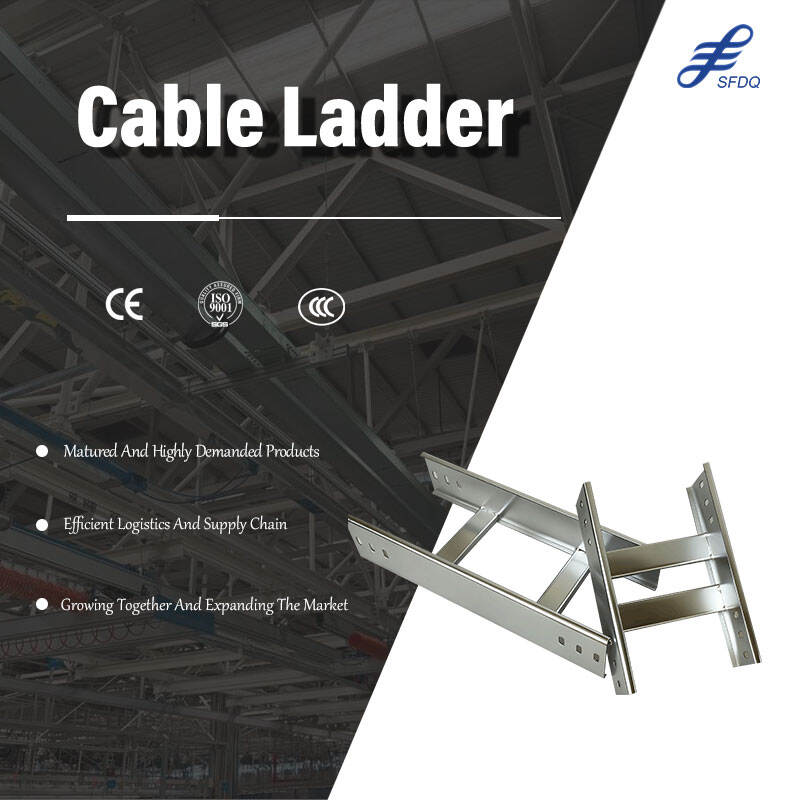
straight cable ladder
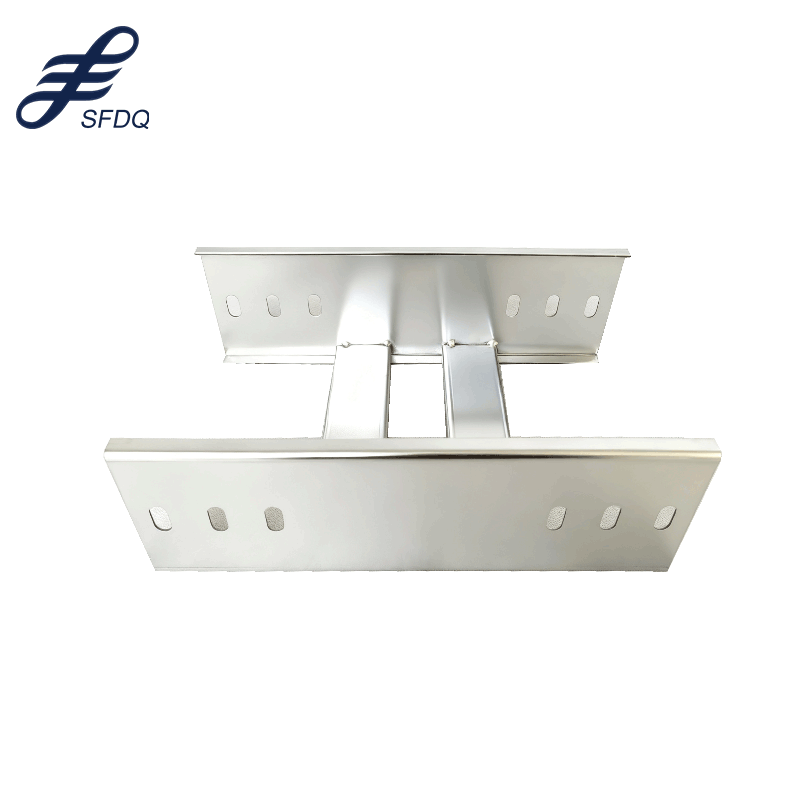
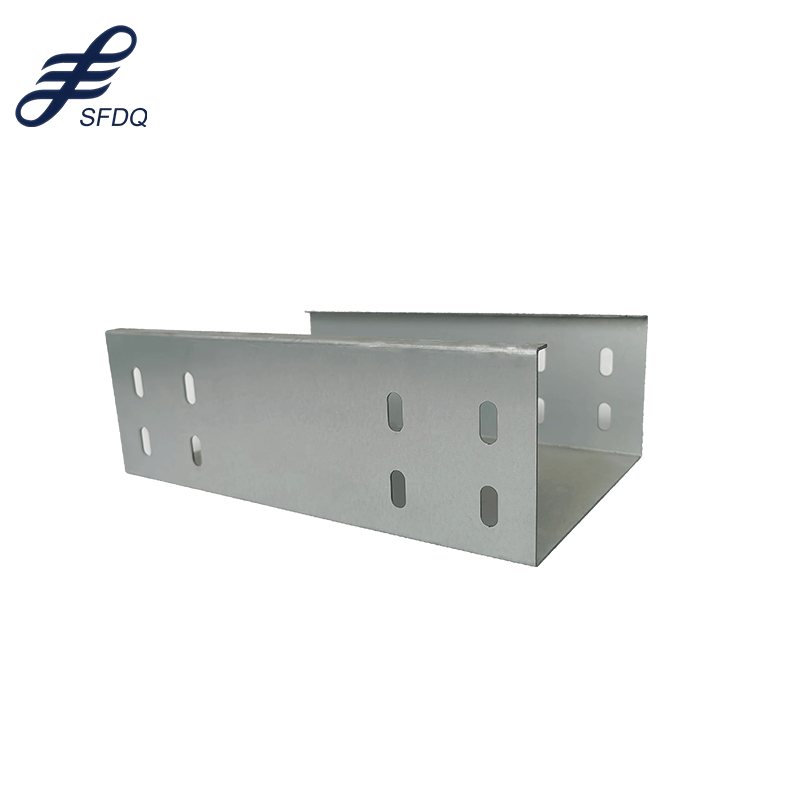
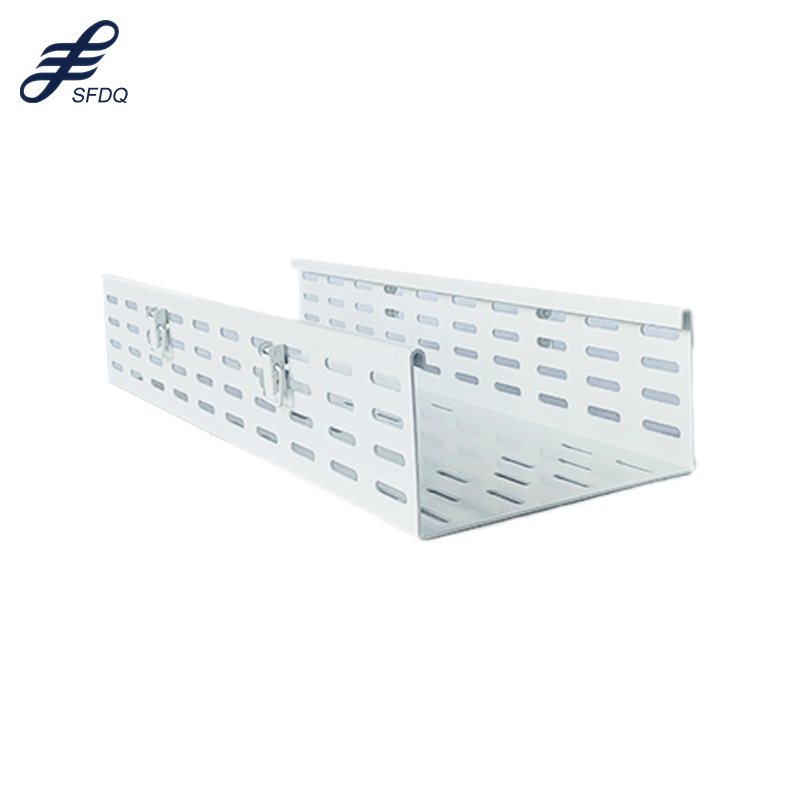
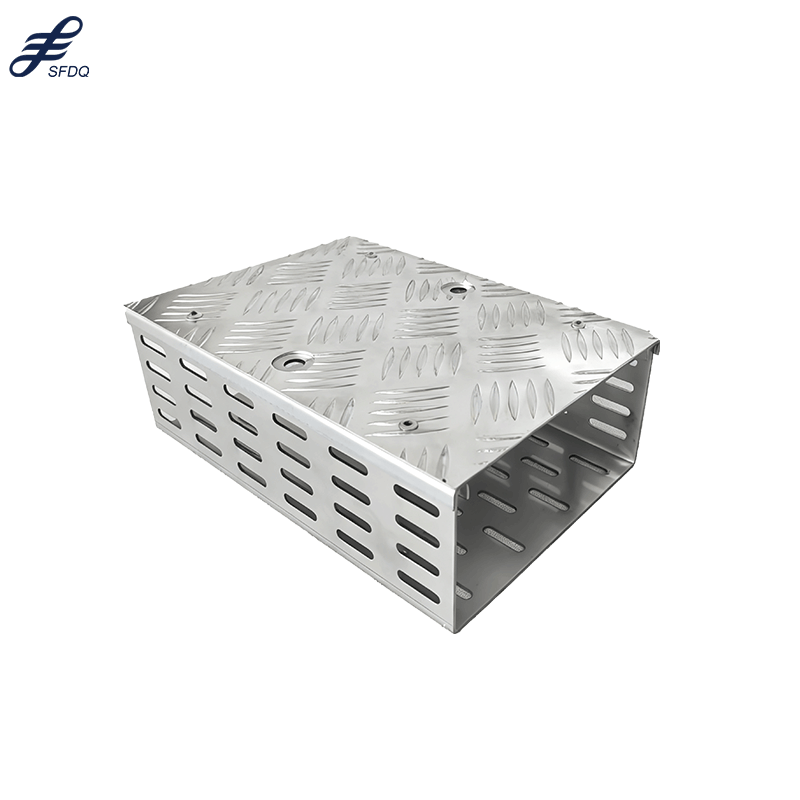
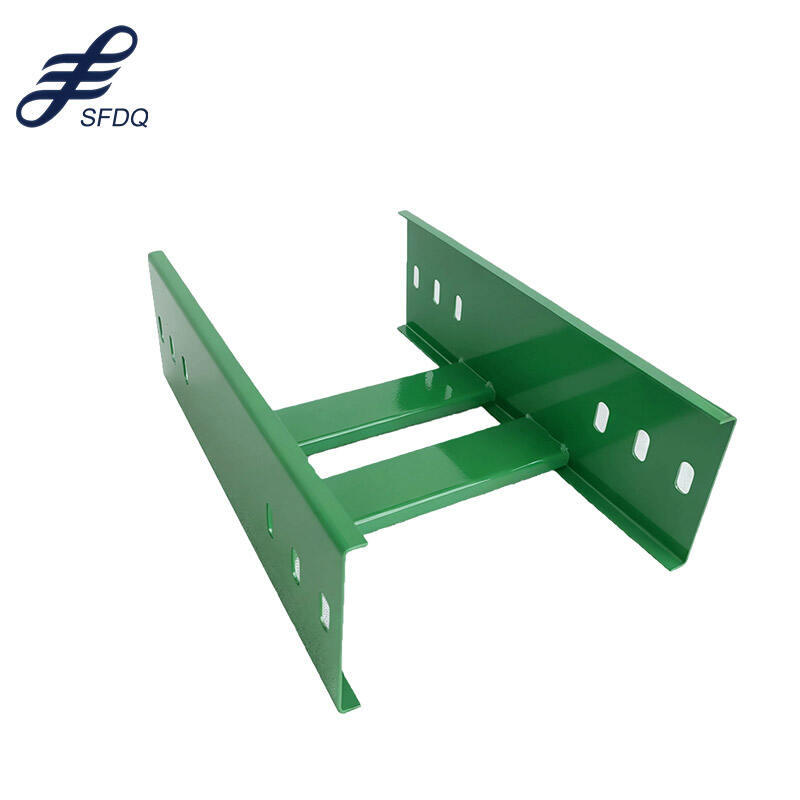
A straight cable ladder represents a fundamental infrastructure solution designed to support and organize electrical cables, data lines, and communication systems in commercial, industrial, and residential environments. This robust cable management system consists of parallel side rails connected by evenly spaced rungs, creating a ladder-like structure that provides secure pathways for cable routing. The straight cable ladder serves as the backbone of modern electrical installations, ensuring proper cable organization while maintaining accessibility for maintenance and future expansions. The primary function of a straight cable ladder centers on providing systematic cable support that prevents sagging, reduces stress on connections, and minimizes electromagnetic interference between different cable types. These systems excel at managing heavy cable loads while maintaining proper spacing requirements mandated by electrical codes and safety standards. The technological features of modern straight cable ladder systems include precision-engineered side rails manufactured from high-grade materials such as galvanized steel, stainless steel, or aluminum alloy, depending on environmental requirements. The rung spacing typically follows industry standards, commonly ranging from 6 to 12 inches, optimizing both cable support and installation efficiency. Advanced manufacturing processes ensure consistent dimensional accuracy and superior surface finishes that resist corrosion and environmental degradation. Applications for straight cable ladder systems span across diverse sectors including data centers, manufacturing facilities, commercial buildings, hospitals, educational institutions, and residential complexes. In data centers, these systems manage thousands of network cables while providing easy access for technicians. Industrial facilities utilize straight cable ladder systems to route power cables safely away from machinery and personnel. The construction industry relies on these systems for permanent electrical installations that comply with building codes and safety regulations. Modern straight cable ladder designs incorporate features such as smooth edges to prevent cable damage, standardized mounting points for easy installation, and modular components that facilitate system expansion or reconfiguration as facility needs evolve.
 EN
EN