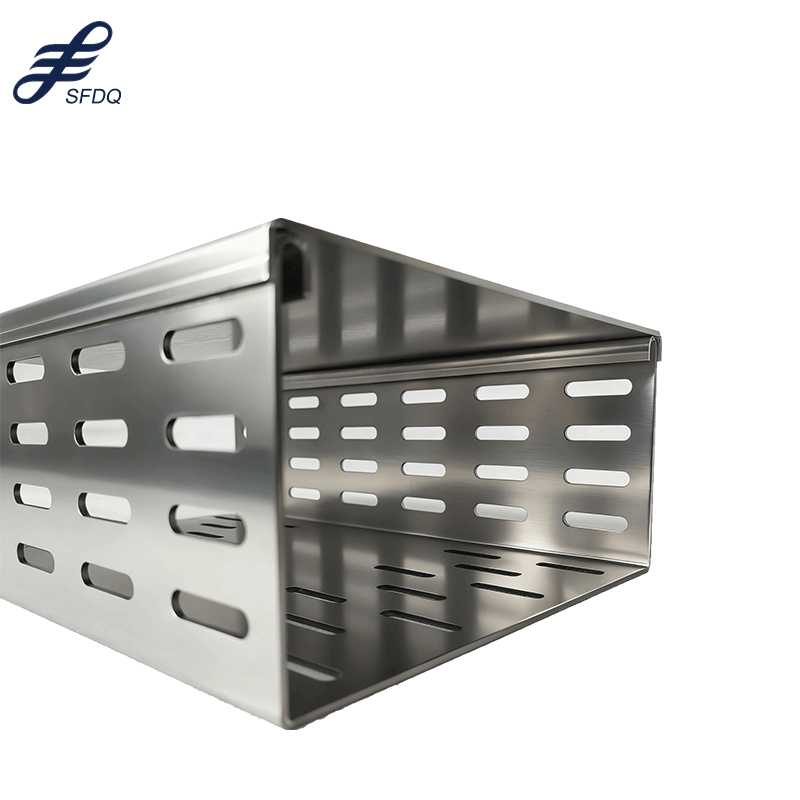
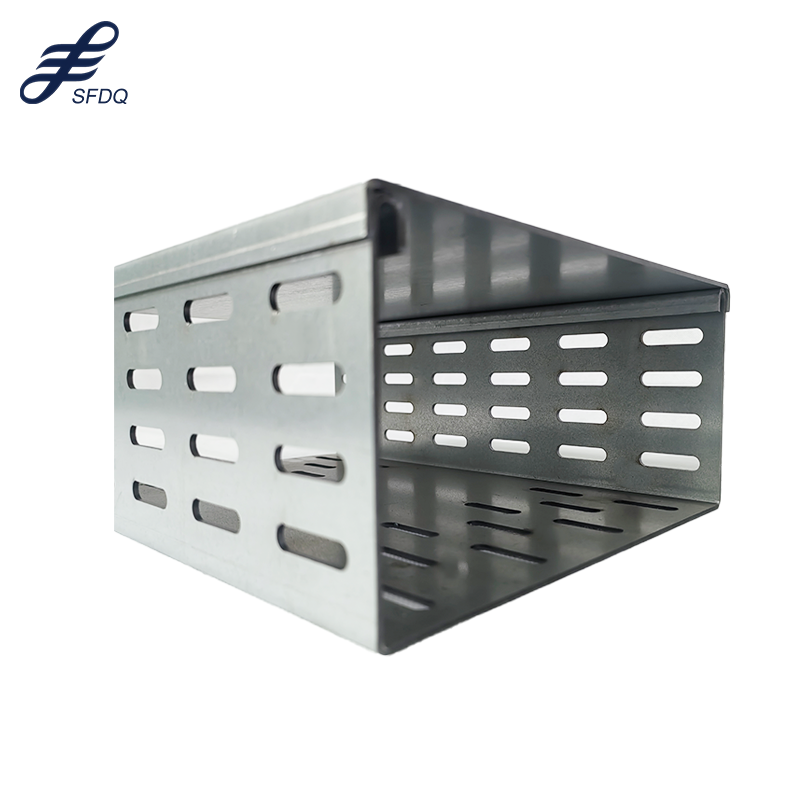
perforated cable tray accessories
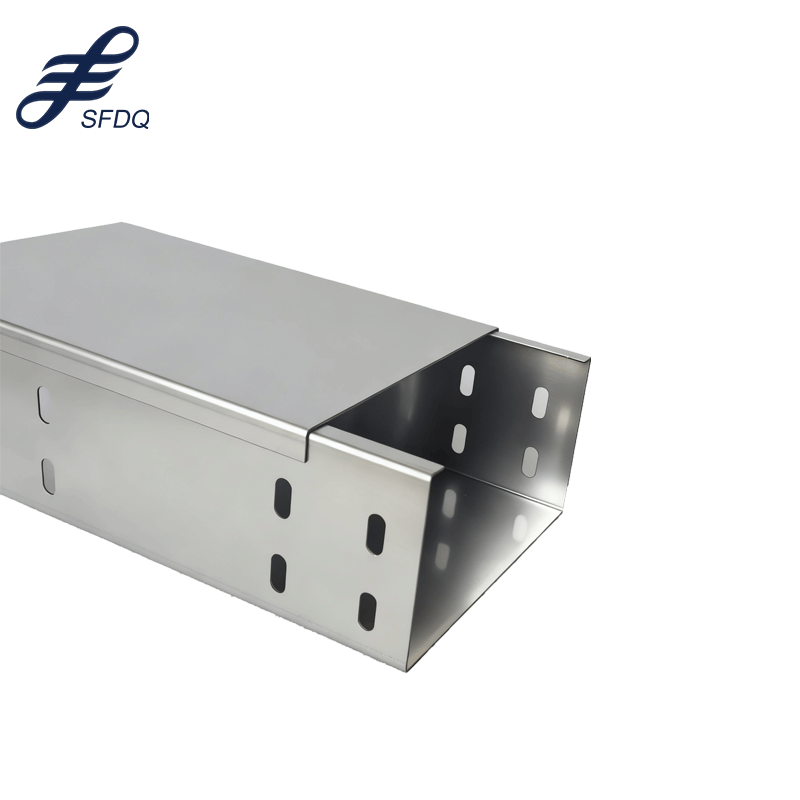
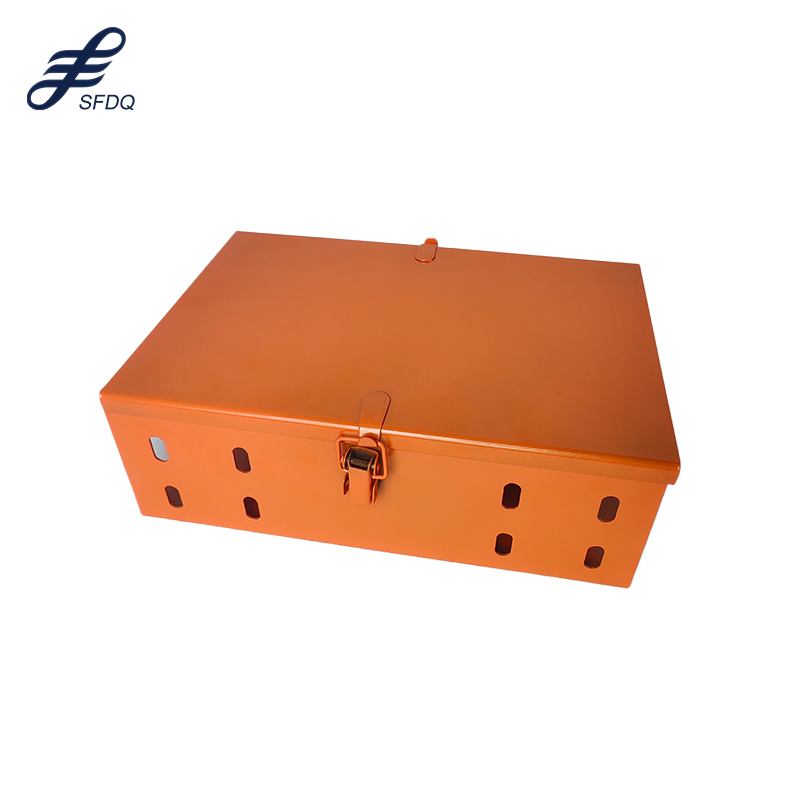
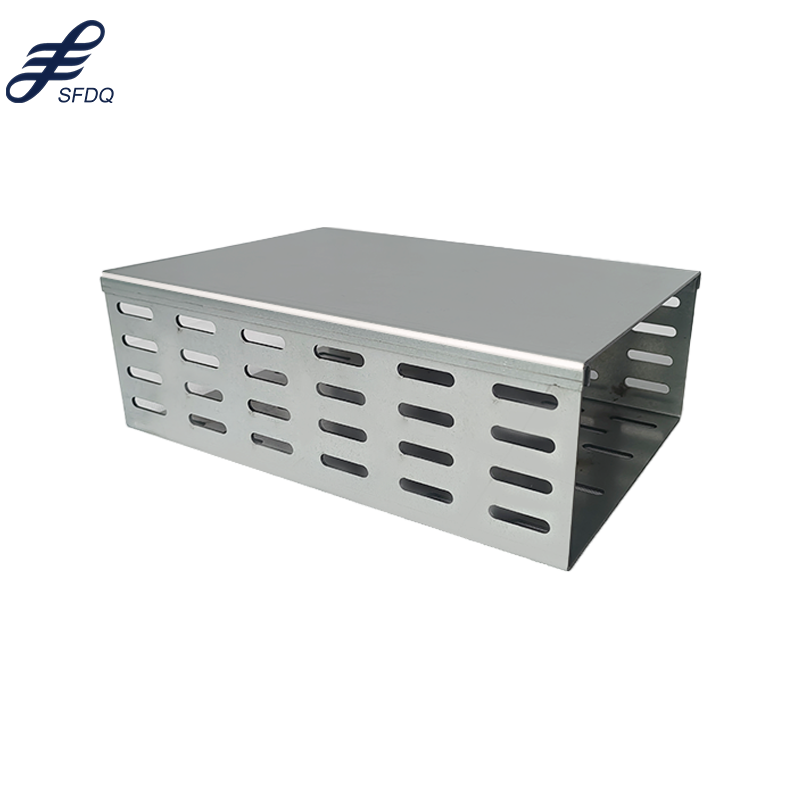
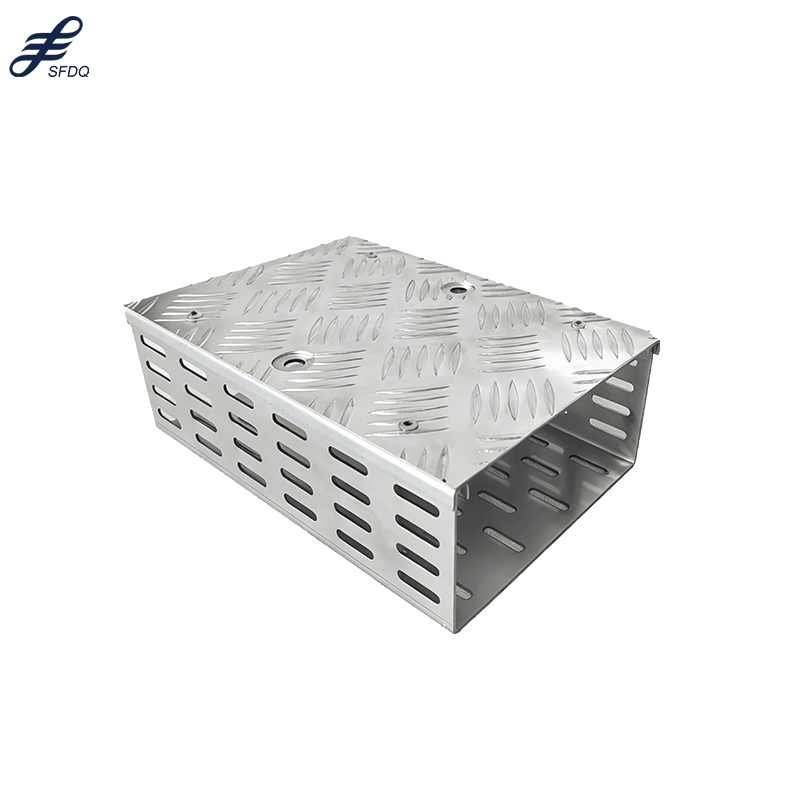
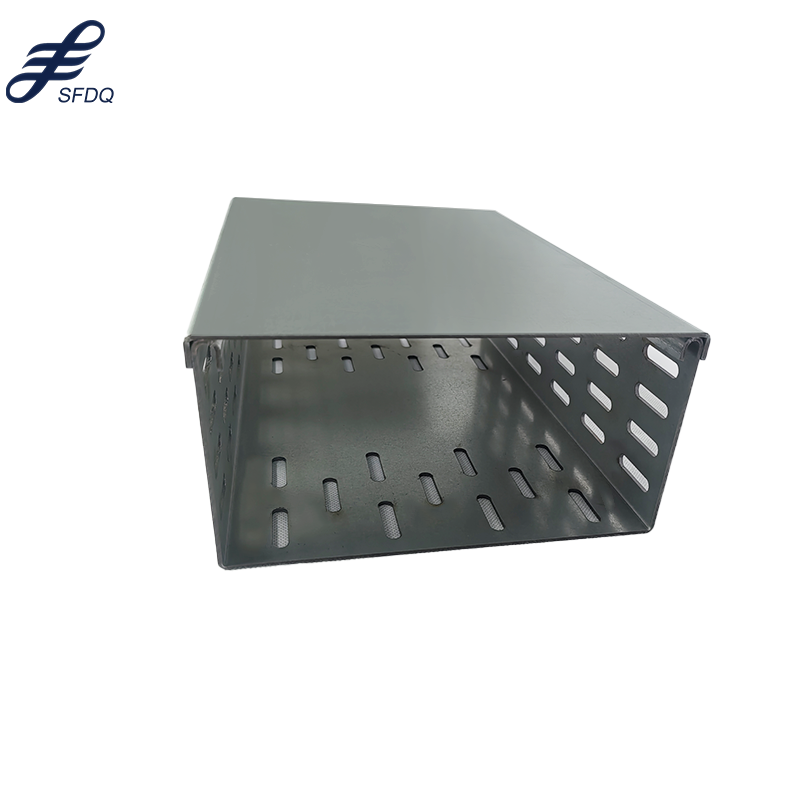
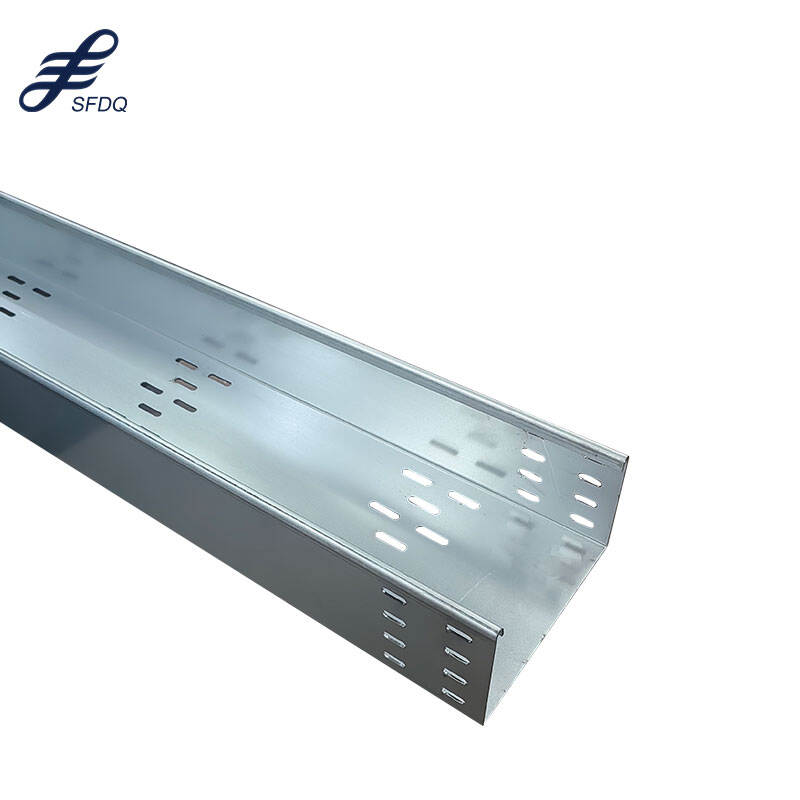
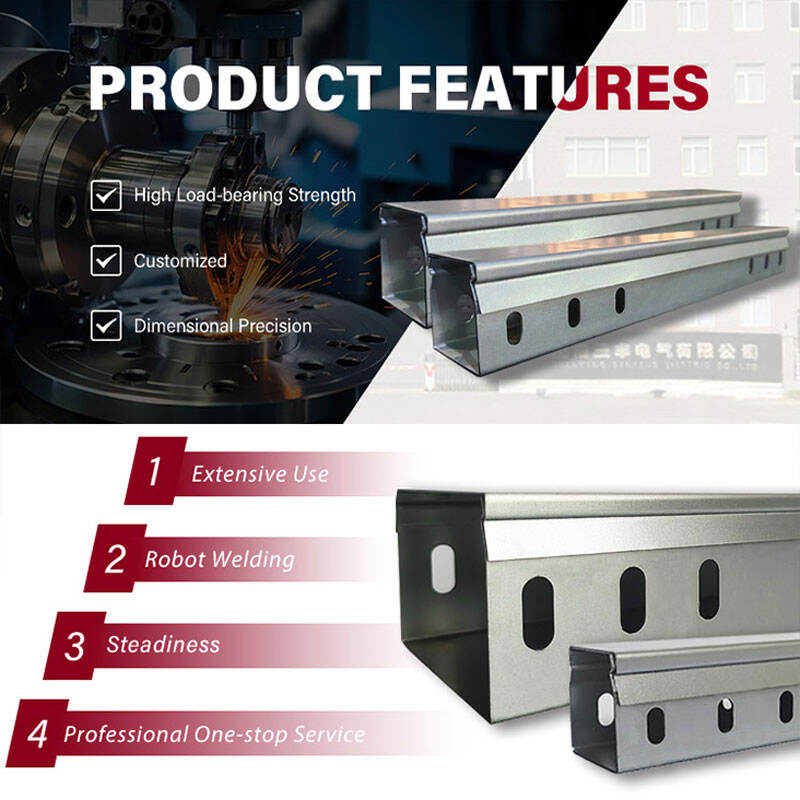
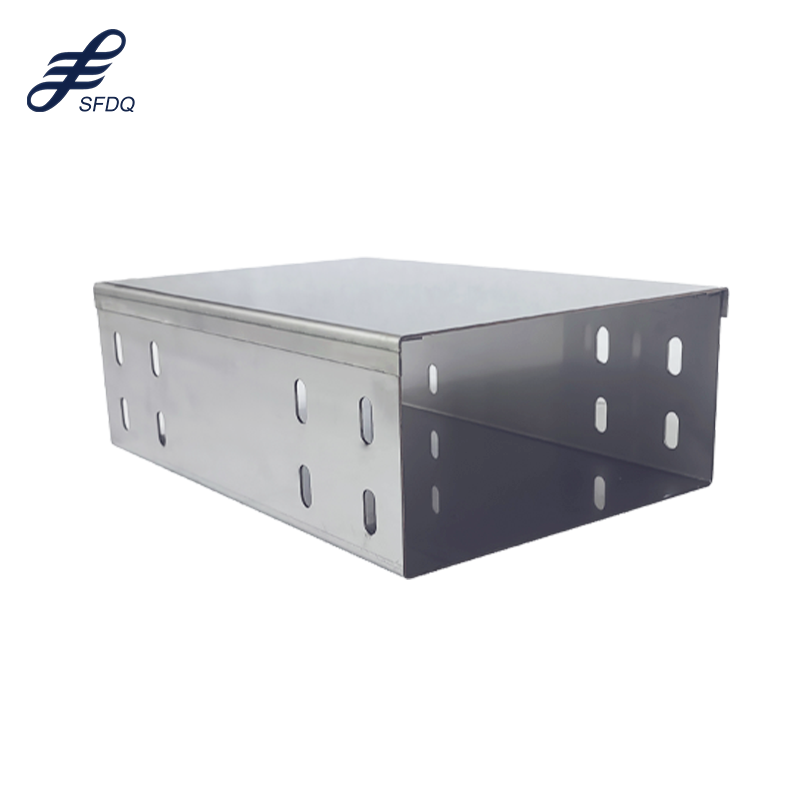
Perforated cable tray accessories represent essential components in modern electrical infrastructure systems, designed to enhance the functionality and efficiency of cable management solutions. These specialized accessories work seamlessly with perforated cable trays to create comprehensive pathways for electrical cables, communication lines, and data transmission systems across various industrial and commercial environments. The perforated design features strategically placed holes that serve multiple critical functions while maintaining structural integrity and load-bearing capacity. These accessories include covers, dividers, reducers, bends, tees, crosses, and mounting brackets that collectively form a complete cable routing system. The main functions of perforated cable tray accessories encompass cable protection from environmental hazards, improved airflow circulation around cables to prevent overheating, simplified installation processes, and enhanced maintenance accessibility. Technological features incorporate corrosion-resistant materials such as galvanized steel, stainless steel, or aluminum alloys that ensure long-term durability in challenging environments. The perforation pattern is precisely engineered to optimize ventilation while maintaining mechanical strength, typically featuring standardized hole sizes and spacing configurations. Advanced manufacturing techniques ensure dimensional accuracy and consistent quality across all perforated cable tray accessories. These components find extensive applications in data centers, manufacturing facilities, power generation plants, commercial buildings, telecommunications infrastructure, and renewable energy installations. The versatility of perforated cable tray accessories makes them suitable for both indoor and outdoor applications, accommodating various cable types including power cables, control wiring, fiber optic networks, and instrumentation systems. Installation flexibility allows for horizontal, vertical, and sloped configurations to navigate complex architectural layouts while maintaining proper cable support and organization throughout the entire system.
 EN
EN