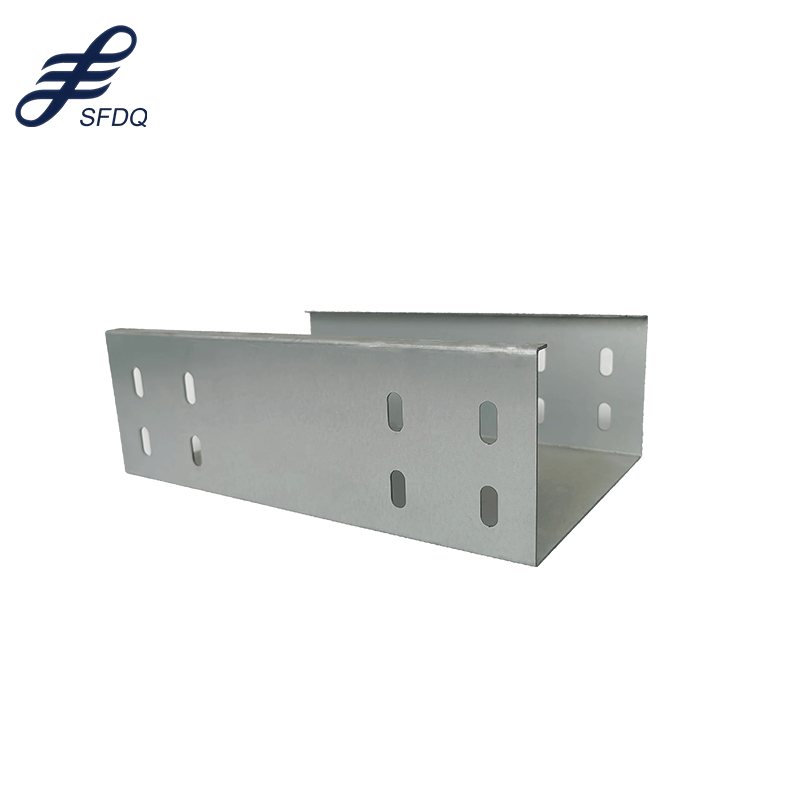
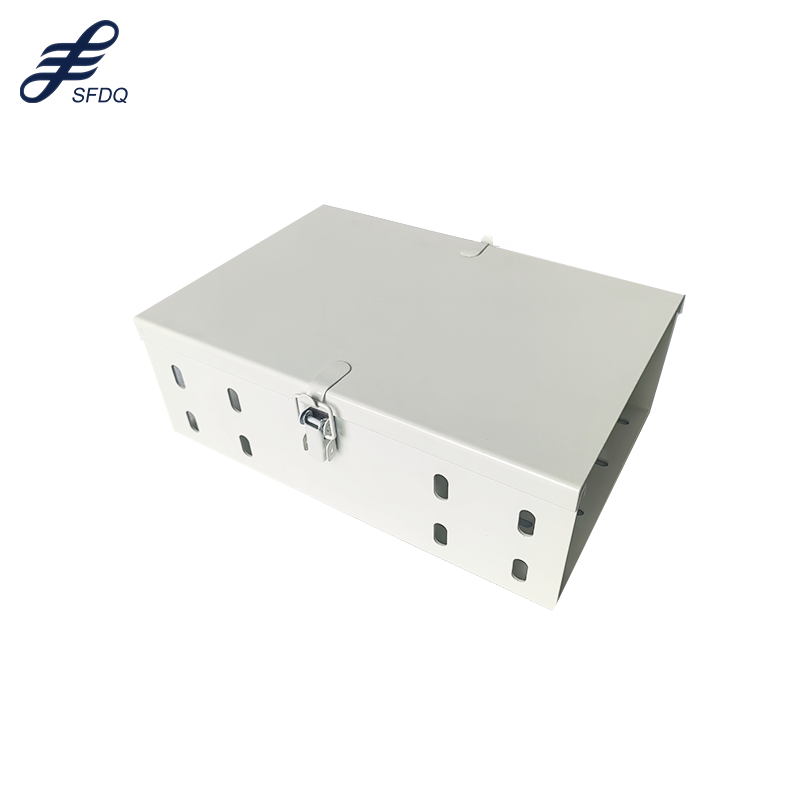
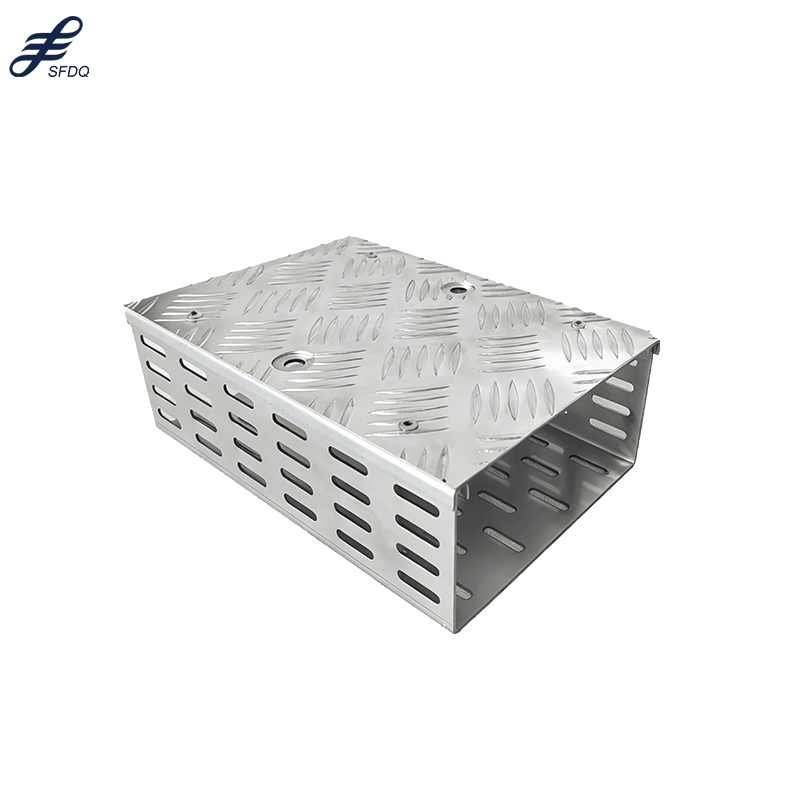
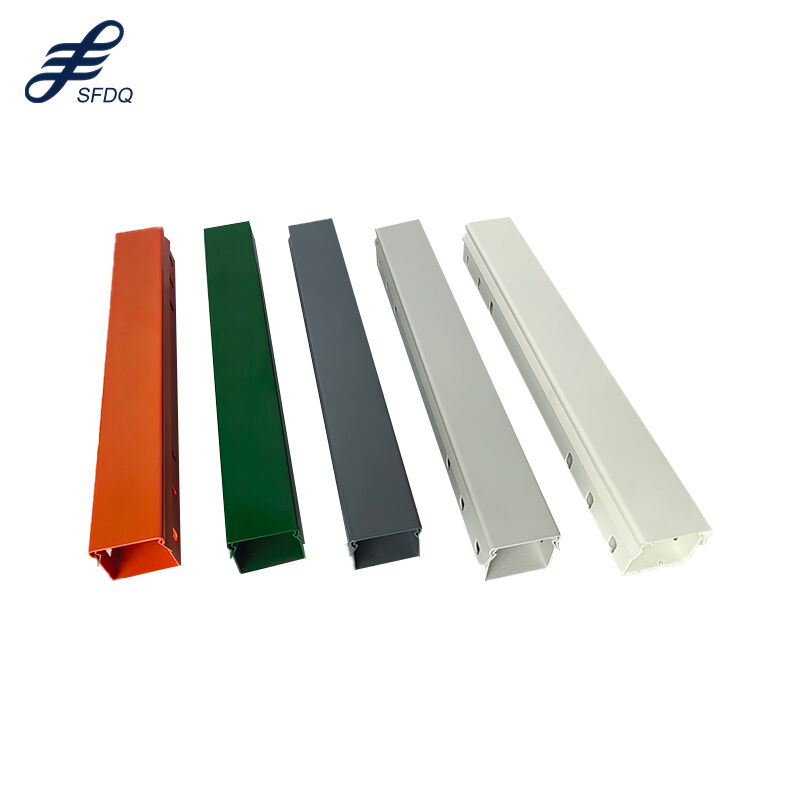
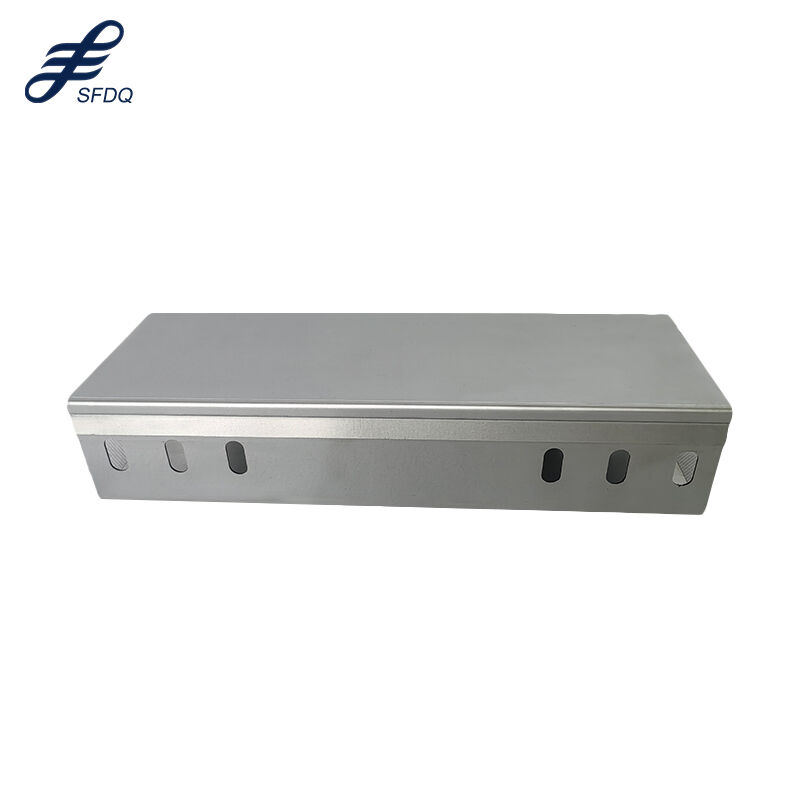
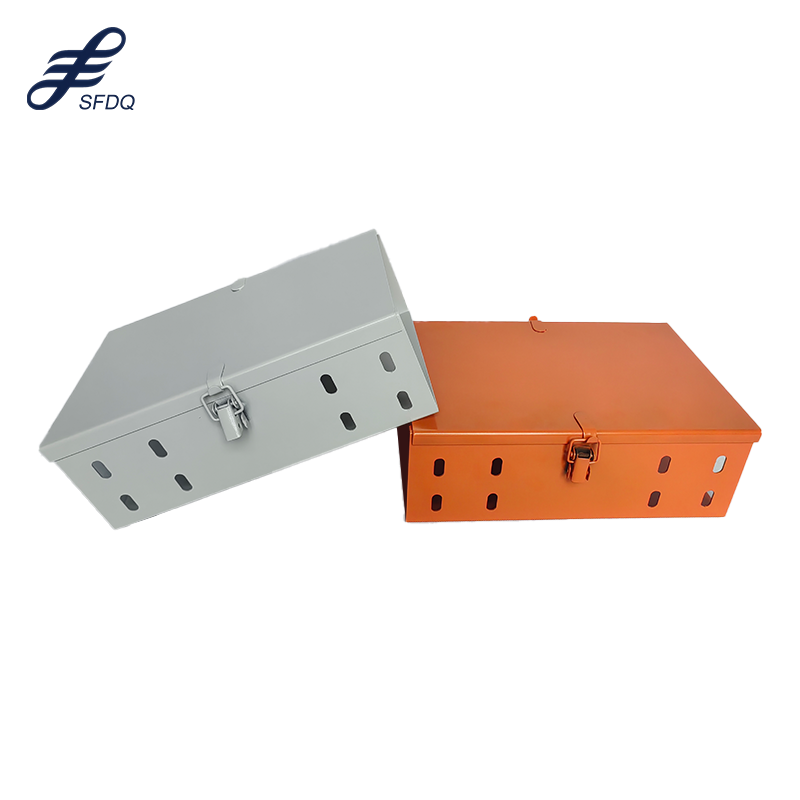
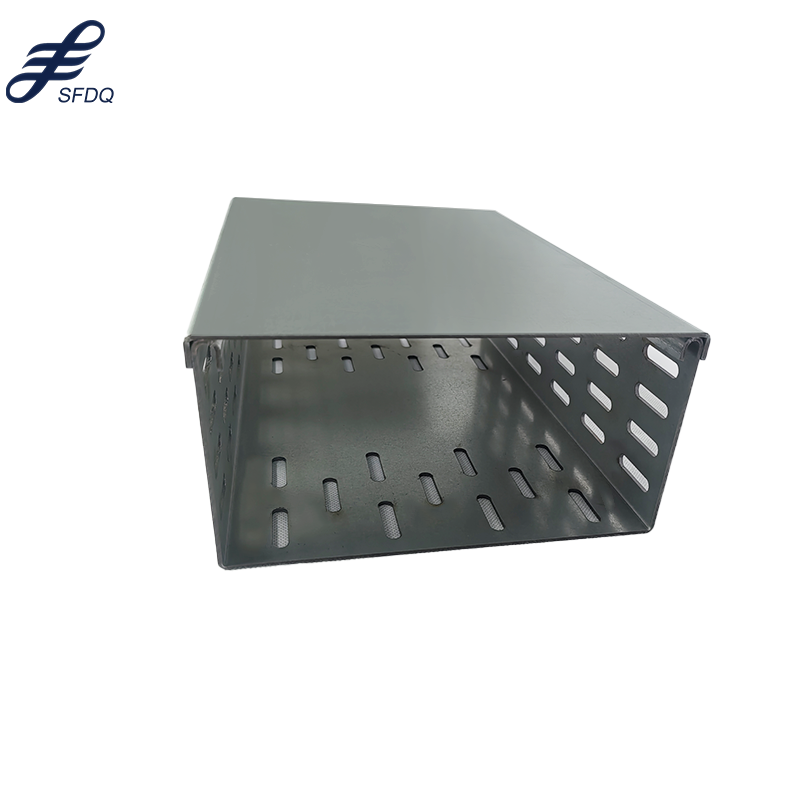
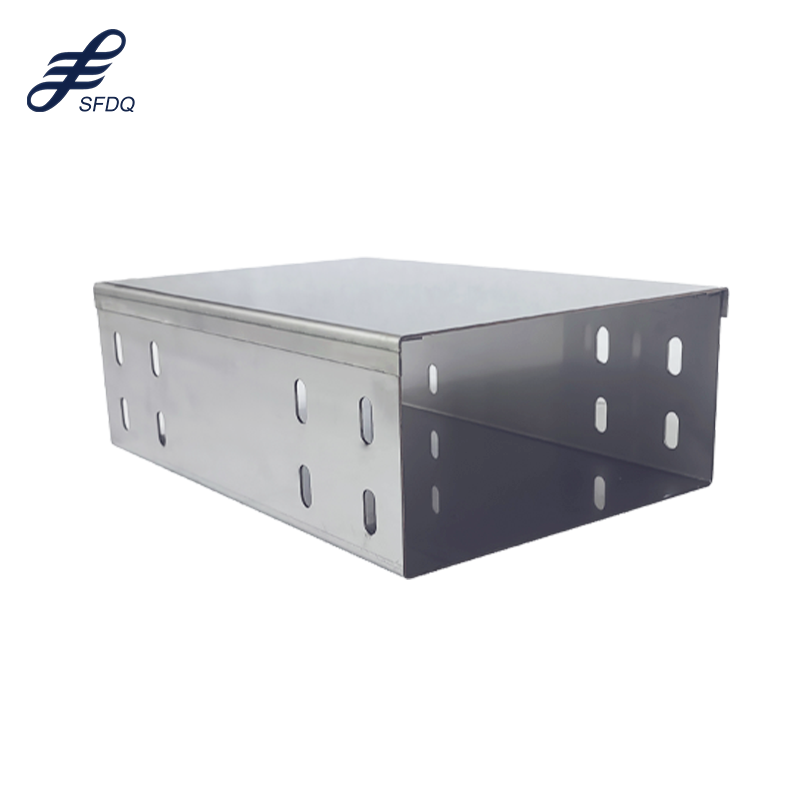
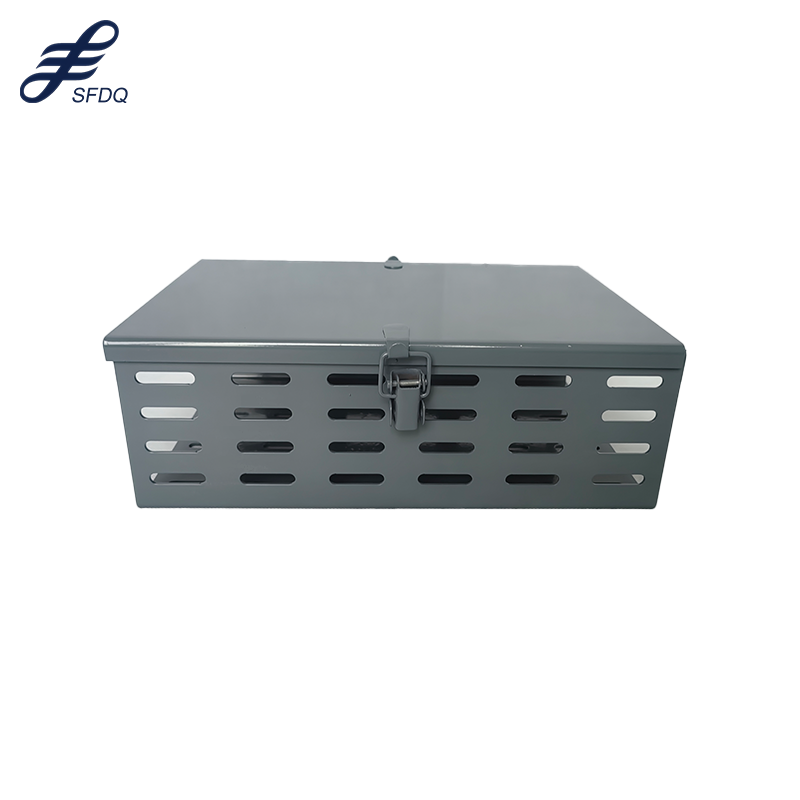
electrical perforated cable tray
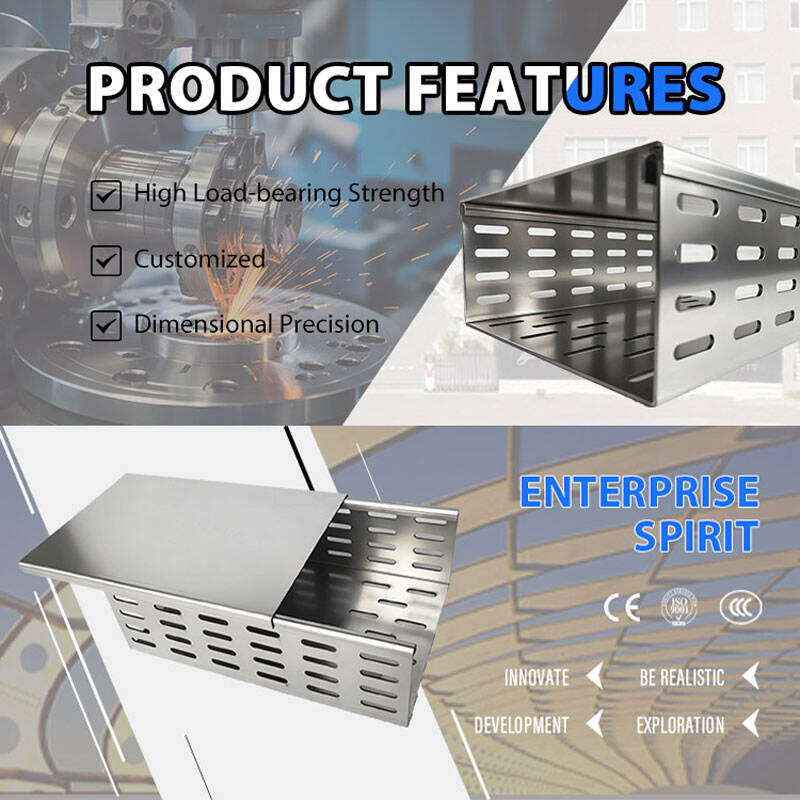
The electrical perforated cable tray represents a fundamental infrastructure component designed to support, organize, and protect electrical cables in commercial, industrial, and residential applications. This sophisticated cable management system features strategically placed perforations throughout its structure, creating a versatile platform that combines strength with functionality. The electrical perforated cable tray serves as a crucial element in modern electrical installations, providing systematic cable routing while maintaining accessibility for maintenance and future modifications. These systems are manufactured from high-grade materials such as galvanized steel, stainless steel, or aluminum, ensuring durability and resistance to environmental factors. The perforated design distinguishes this cable tray type from solid-bottom alternatives, offering enhanced ventilation capabilities that prevent heat buildup and moisture accumulation. The main functions of an electrical perforated cable tray encompass cable support, organization, and protection across various distances and elevations. The tray system accommodates multiple cable types simultaneously, including power cables, control wires, and communication lines, while maintaining proper separation to prevent interference. Technological features include precision-engineered perforations that optimize airflow while maintaining structural integrity. The perforation patterns are carefully calculated to provide maximum ventilation benefits without compromising the tray's load-bearing capacity. Advanced manufacturing techniques ensure consistent hole spacing and size, creating uniform support for cables of different weights and dimensions. The electrical perforated cable tray incorporates modular design principles, allowing for easy installation, expansion, and reconfiguration. Standard connection methods include bolted joints, welded connections, and snap-fit assemblies, depending on application requirements. Applications span diverse industries including manufacturing facilities, data centers, commercial buildings, hospitals, educational institutions, and infrastructure projects. The electrical perforated cable tray proves essential in environments requiring reliable cable management with superior ventilation characteristics, making it ideal for installations where heat dissipation and moisture control are critical factors for optimal system performance and longevity.
 EN
EN