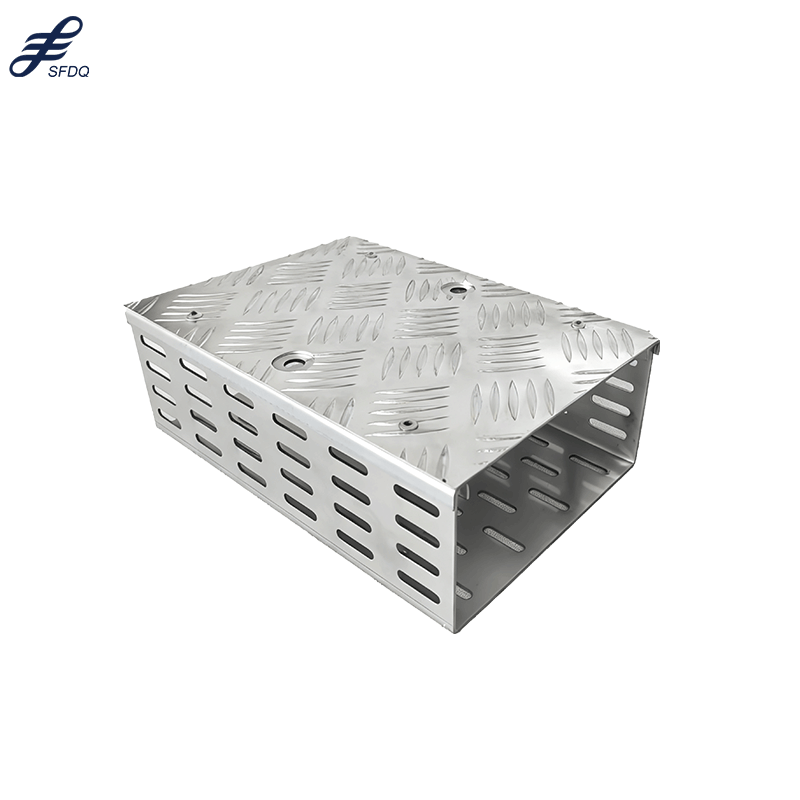
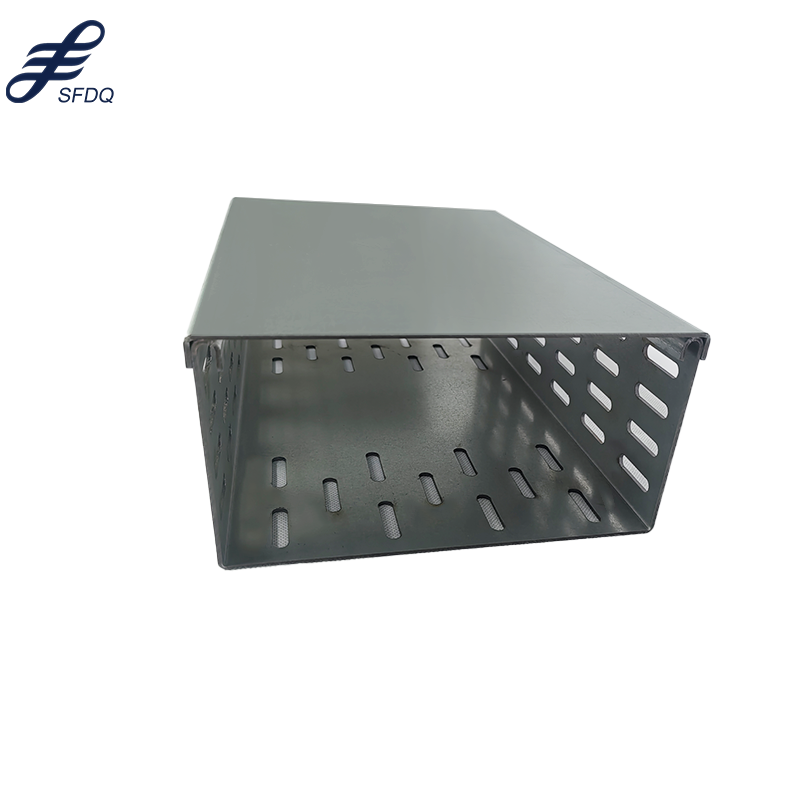
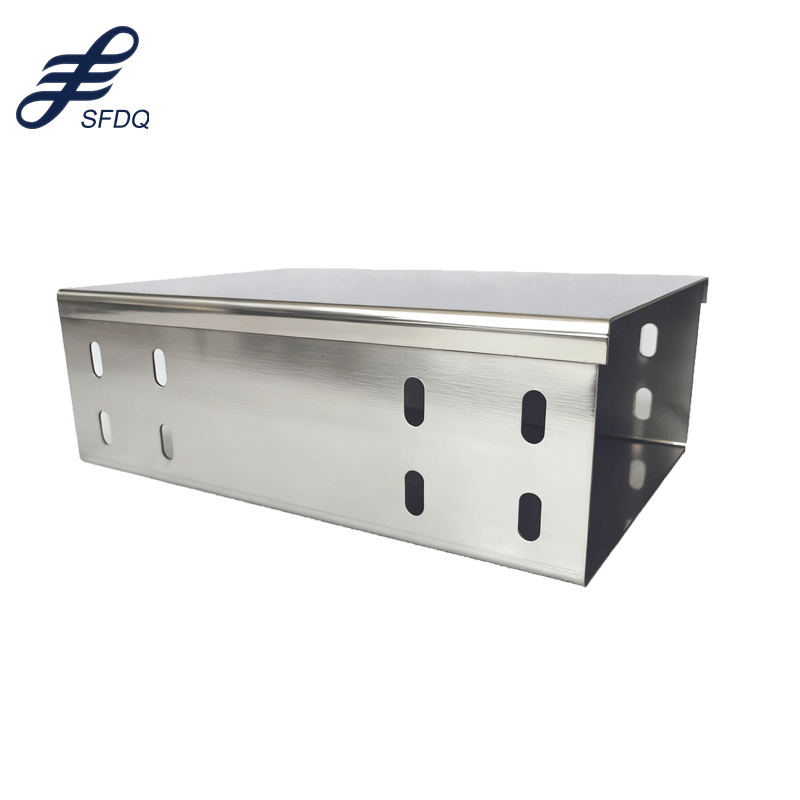
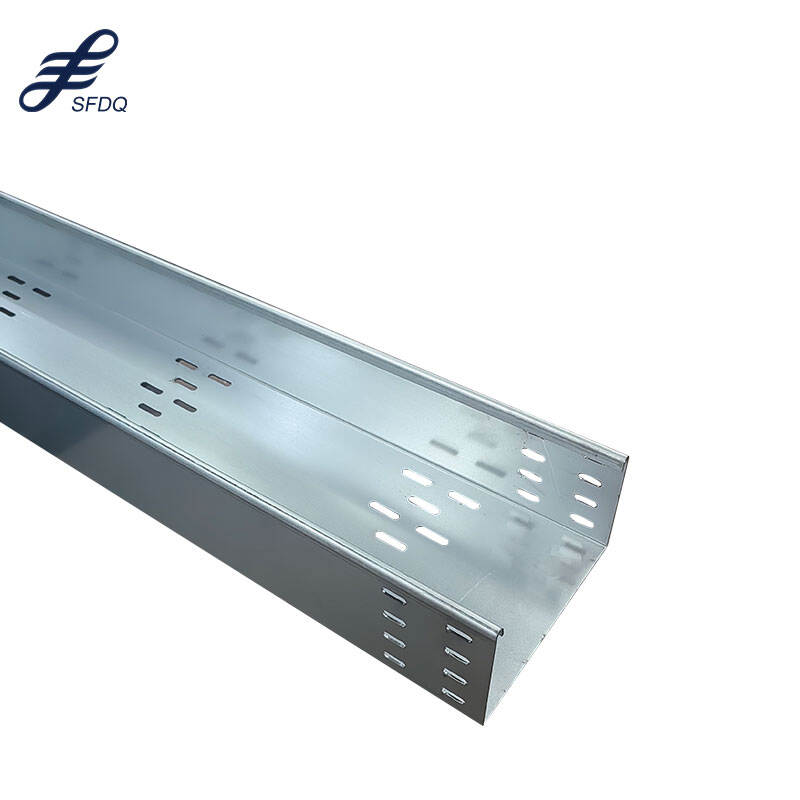
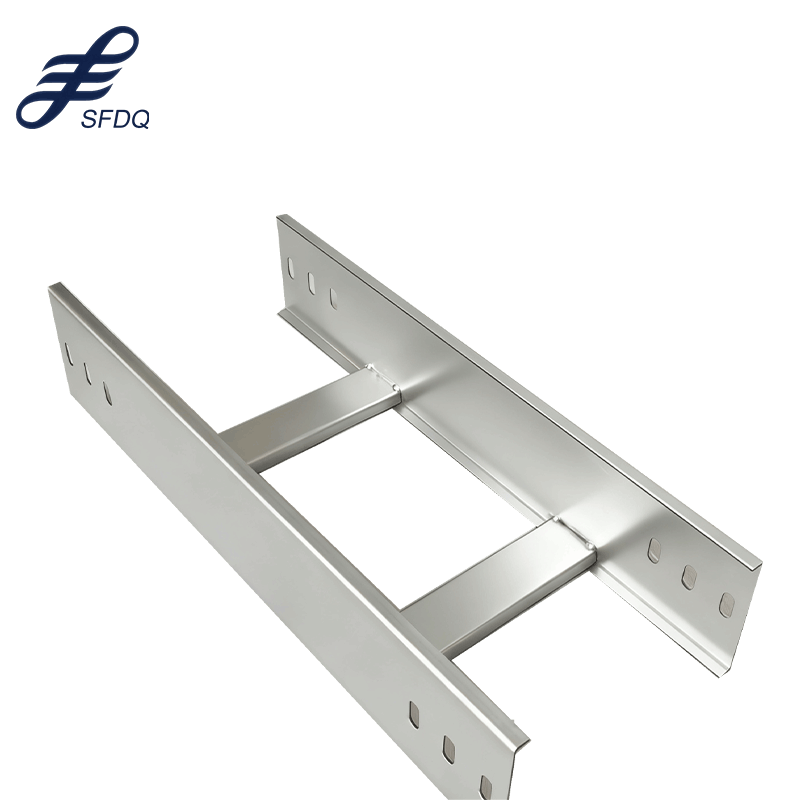
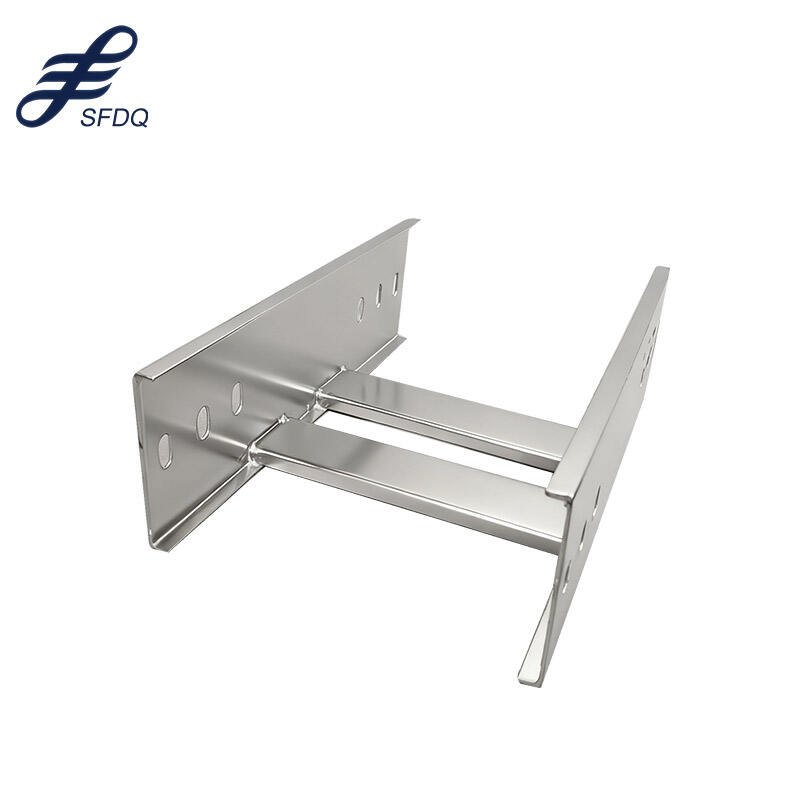
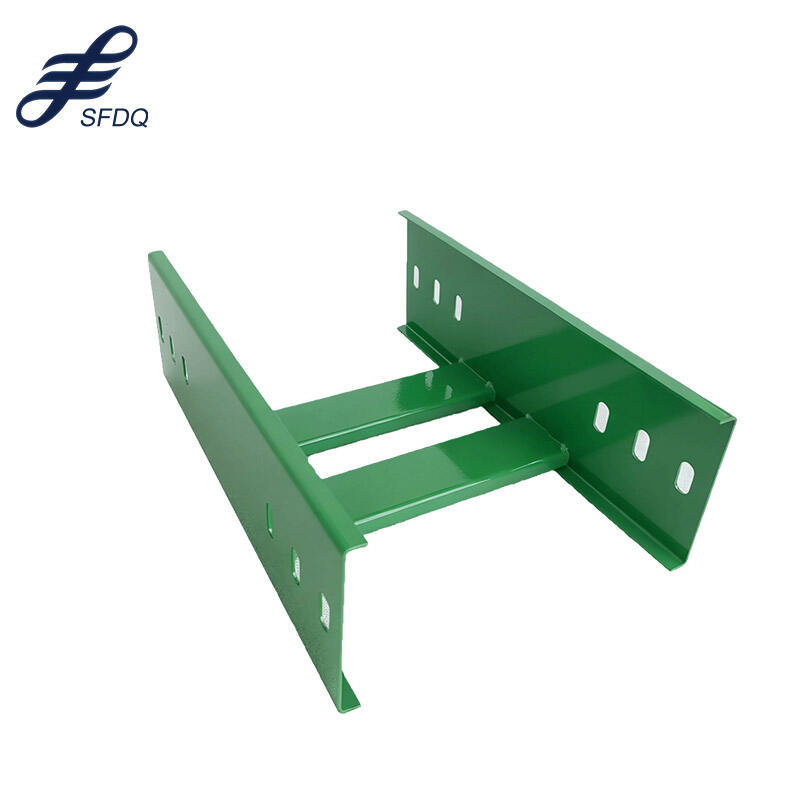
stainless steel cable ladder
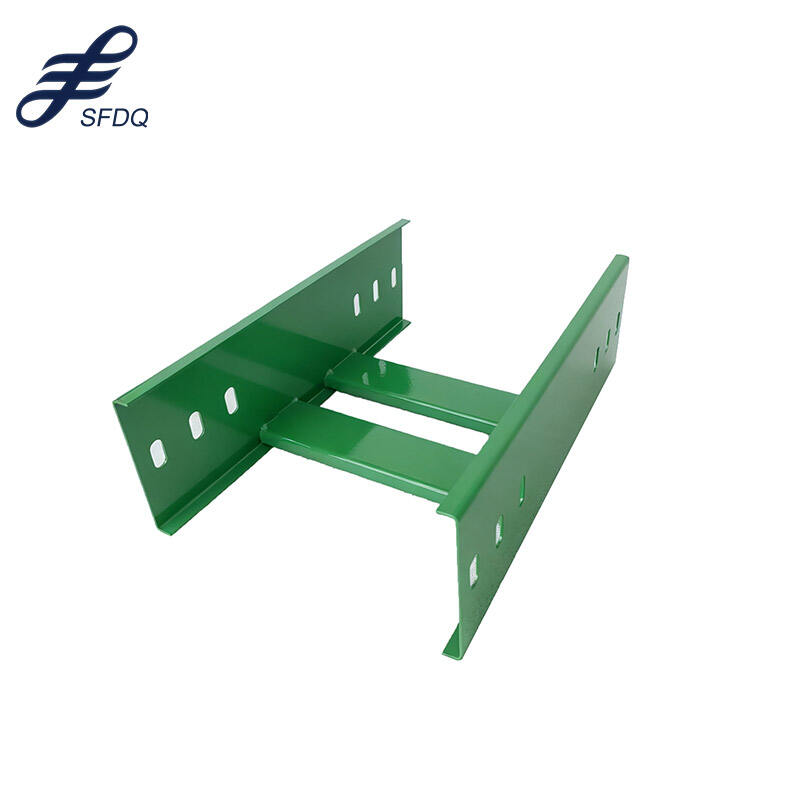
A stainless steel cable ladder represents an innovative cable management solution designed to support and organize electrical cables, data wires, and communication systems across various industrial and commercial environments. This specialized infrastructure component combines the strength of stainless steel construction with an open ladder-style design that facilitates excellent ventilation and easy access for maintenance personnel. The primary function of a stainless steel cable ladder involves creating organized pathways for cable routing while maintaining proper spacing between different cable types to prevent interference and ensure optimal performance. The technological features of this system include precision-engineered rungs that provide secure cable support points, side rails manufactured from high-grade stainless steel that resist corrosion and environmental damage, and modular components that allow for flexible installation configurations. The ladder design incorporates strategic spacing between rungs to accommodate various cable diameters and bundle sizes while maintaining structural integrity under significant load conditions. Manufacturing processes utilize advanced welding techniques and surface treatments that enhance durability and extend service life in challenging operational environments. Applications for stainless steel cable ladder systems span multiple industries including petrochemical facilities, food processing plants, pharmaceutical manufacturing, marine installations, and clean room environments where hygiene standards demand corrosion-resistant materials. These systems excel in outdoor installations, underground utilities, and areas exposed to moisture, chemicals, or extreme temperatures. The ladder configuration supports both power cables and low-voltage communication lines while maintaining required separation distances according to electrical codes and safety regulations. Installation flexibility allows for horizontal runs, vertical risers, and complex routing scenarios that adapt to existing infrastructure constraints. The open design facilitates natural cooling of cables, reducing heat buildup that can compromise electrical performance and cable longevity. Maintenance operations benefit from easy access to individual cables without disturbing adjacent systems, streamlining troubleshooting and replacement procedures while minimizing operational downtime.
 EN
EN