lv cable tray
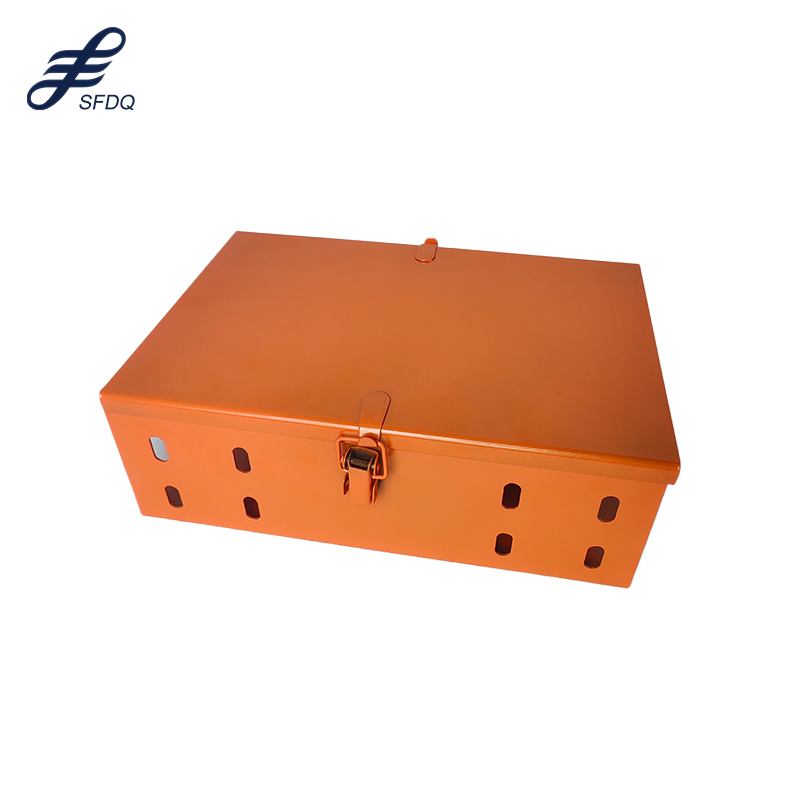
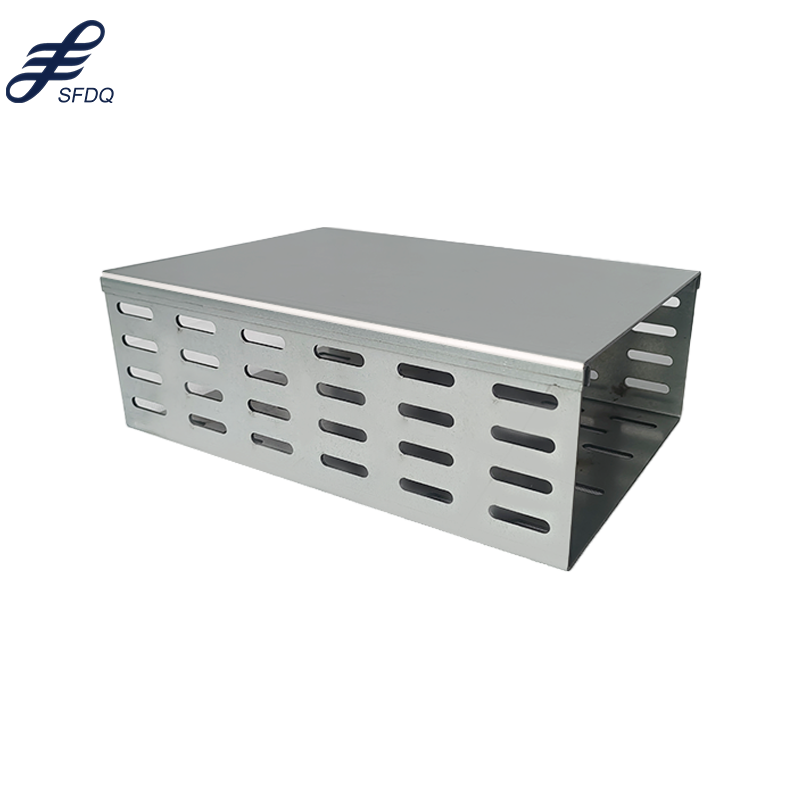
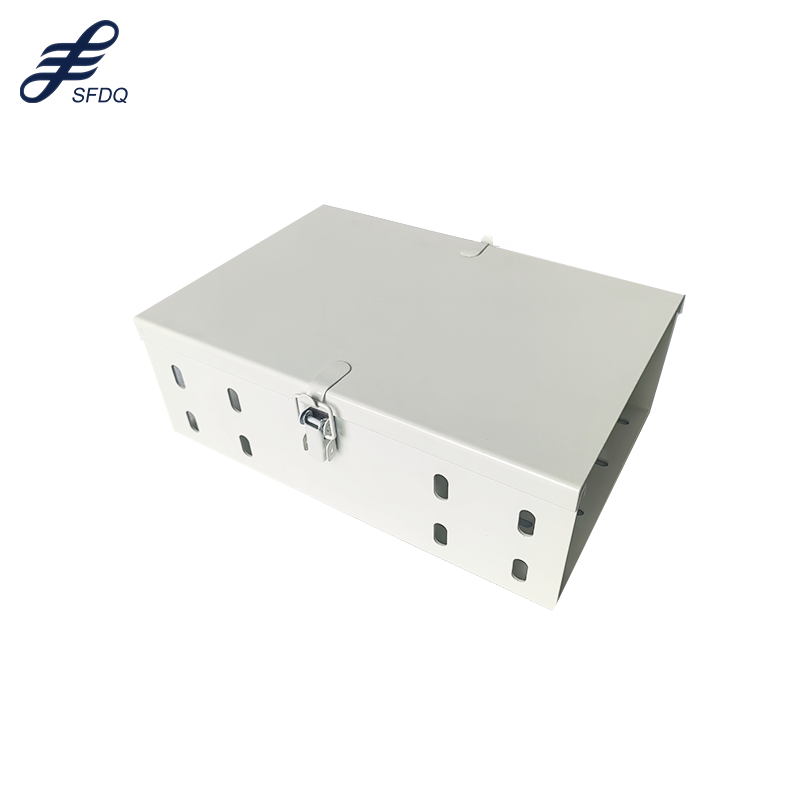
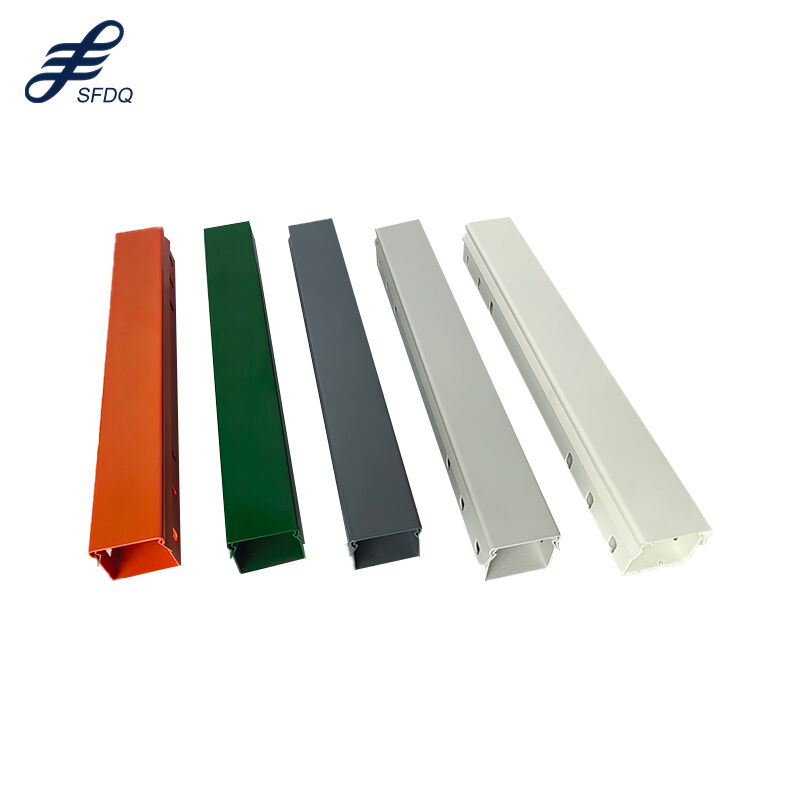
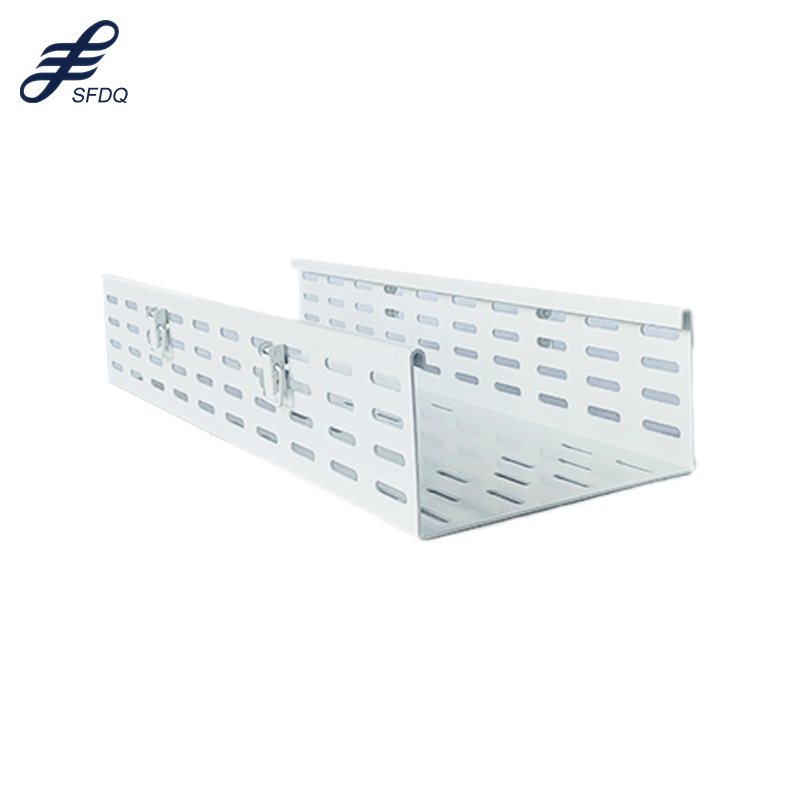
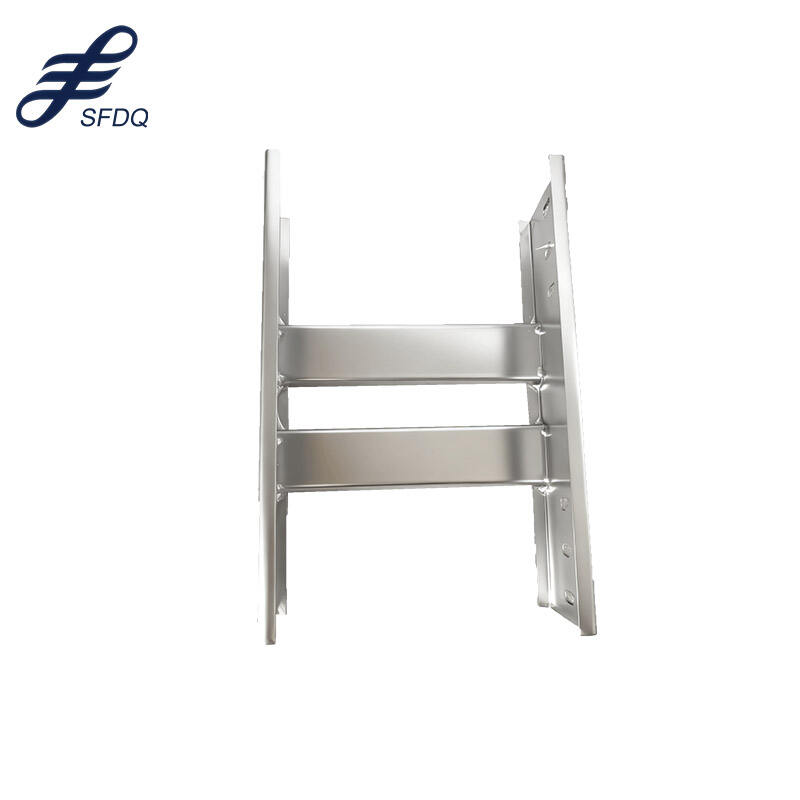
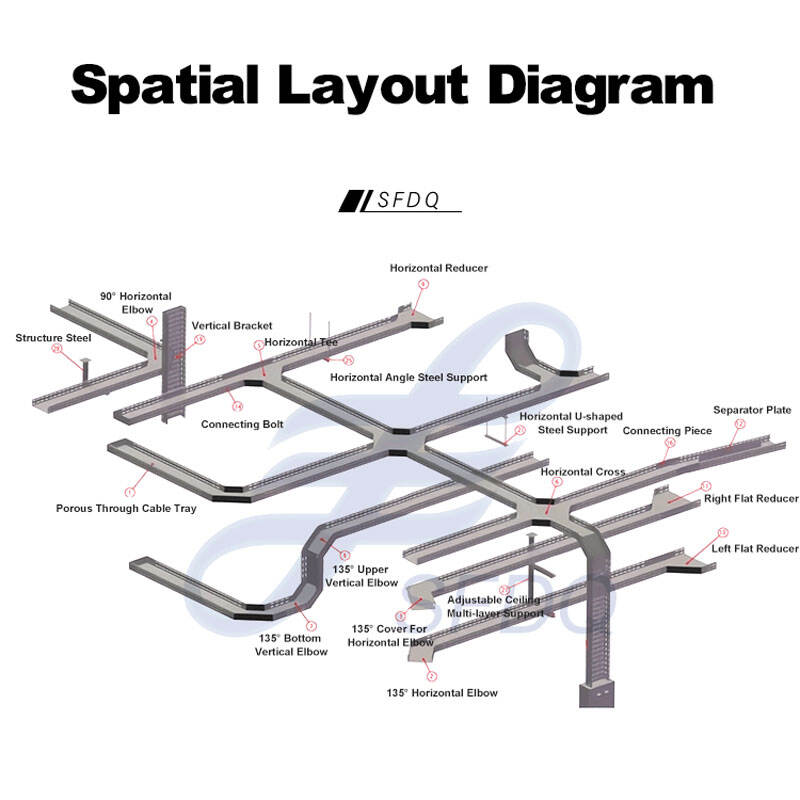
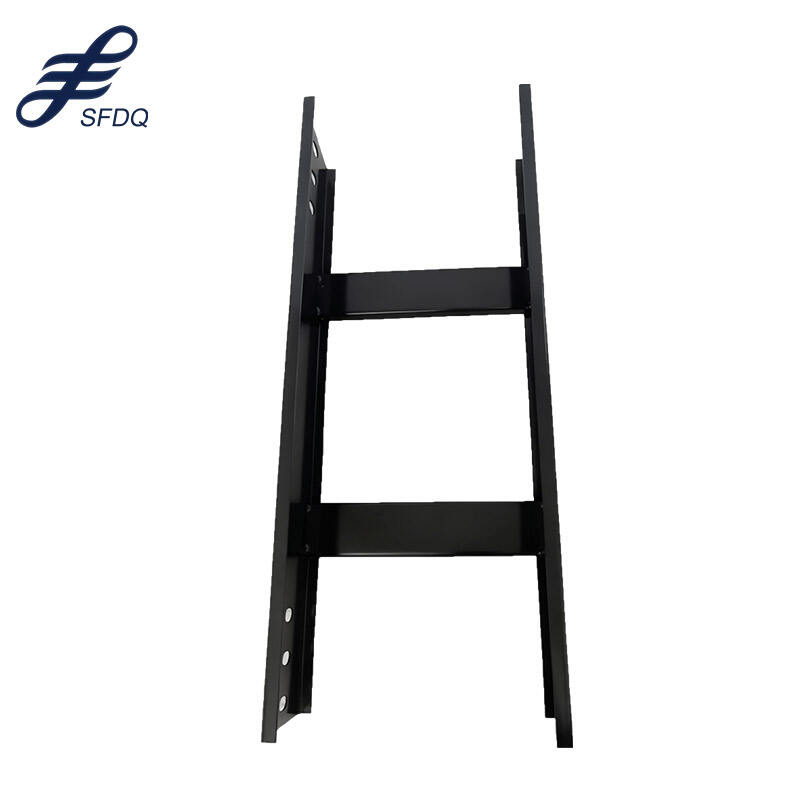
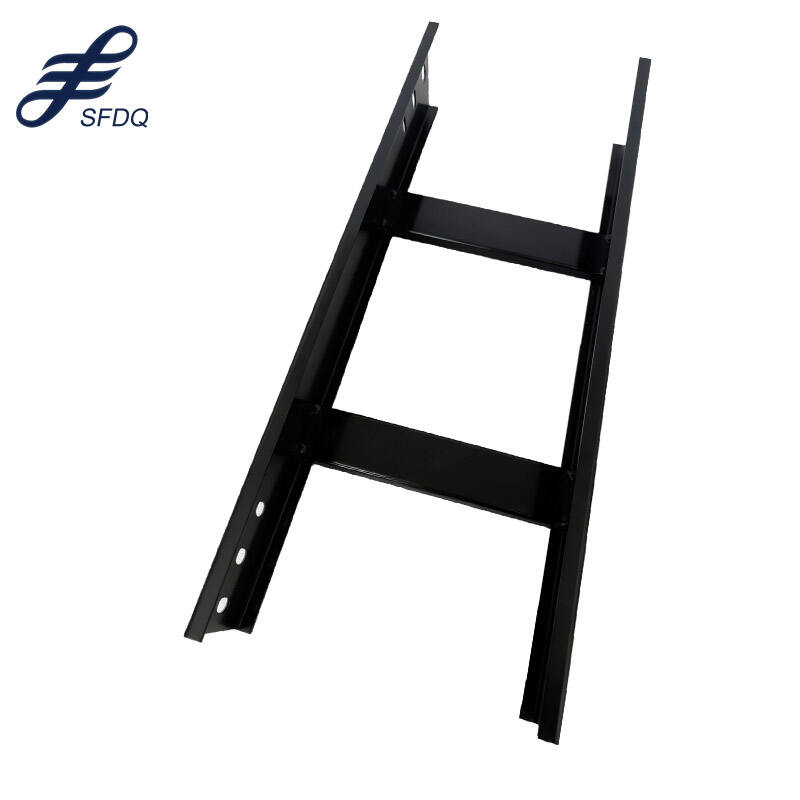
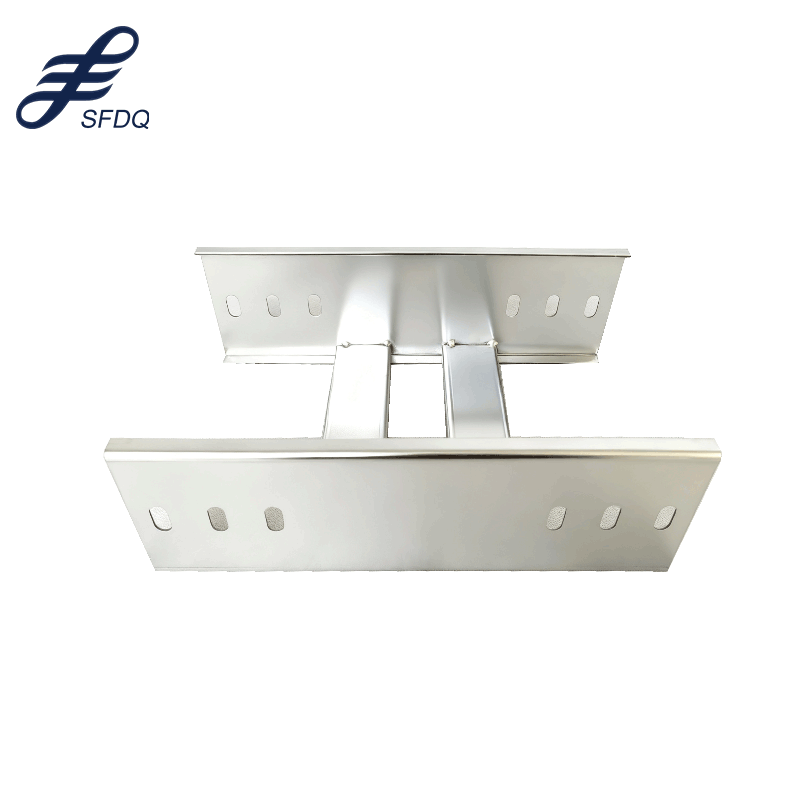
The lv cable tray represents a crucial infrastructure component designed to support and organize low voltage electrical cables in commercial, industrial, and residential installations. This specialized cable management system provides a structured pathway for electrical wiring, ensuring safe and efficient cable routing throughout buildings and facilities. The lv cable tray serves as the backbone of modern electrical distribution networks, offering superior protection for sensitive electrical conductors while maintaining accessibility for maintenance and future upgrades. These versatile systems are engineered to accommodate various cable types, including power cables, control wires, data transmission lines, and communication cables. The primary function of an lv cable tray involves creating organized cable runs that prevent interference between different electrical systems while ensuring compliance with safety regulations and industry standards. Modern lv cable tray designs incorporate advanced materials and manufacturing techniques to deliver exceptional durability and longevity. The structural integrity of these systems allows them to support substantial cable loads while resisting environmental factors such as moisture, temperature fluctuations, and corrosive substances. Installation flexibility stands as another defining characteristic of the lv cable tray, as these systems can be configured in multiple orientations including horizontal, vertical, and complex three-dimensional arrangements. The modular nature of lv cable tray components enables customization for specific project requirements, allowing engineers and contractors to create tailored solutions for unique architectural challenges. Safety considerations are paramount in lv cable tray design, with features that minimize fire hazards, reduce electromagnetic interference, and provide adequate ventilation for heat dissipation. The lv cable tray system significantly contributes to overall electrical system reliability by protecting cables from physical damage, environmental exposure, and unauthorized access while facilitating systematic cable organization that simplifies troubleshooting and maintenance procedures.
 EN
EN