Cable Tray Systems: Complete Infrastructure Solutions for Professional Cable Management

Get a Free Quote

Our representative will contact you soon.
Email
Name
Company Name
WhatsApp
Message
0/1000

cable tray systems

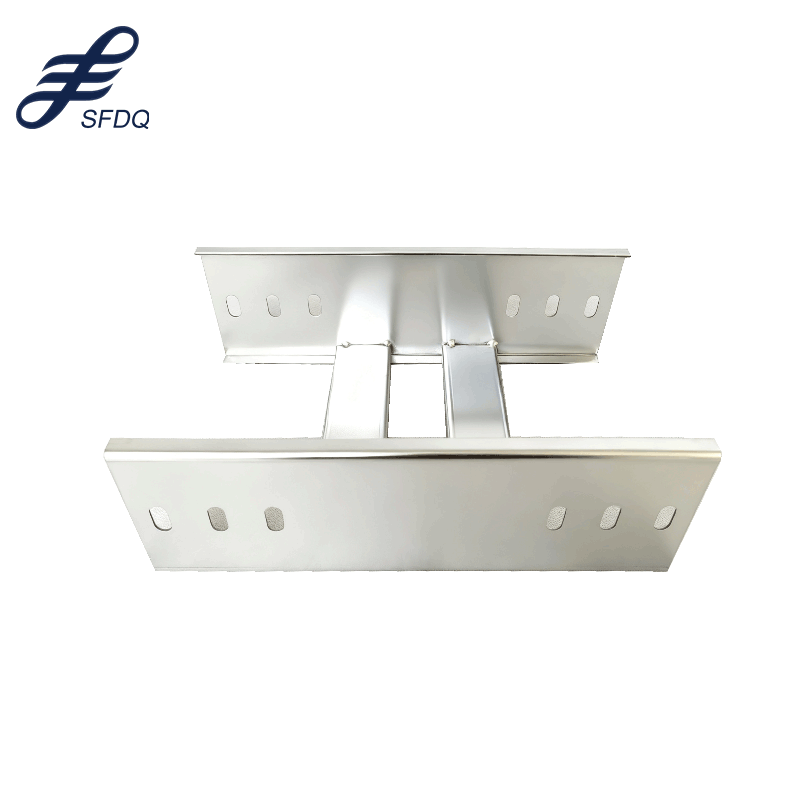
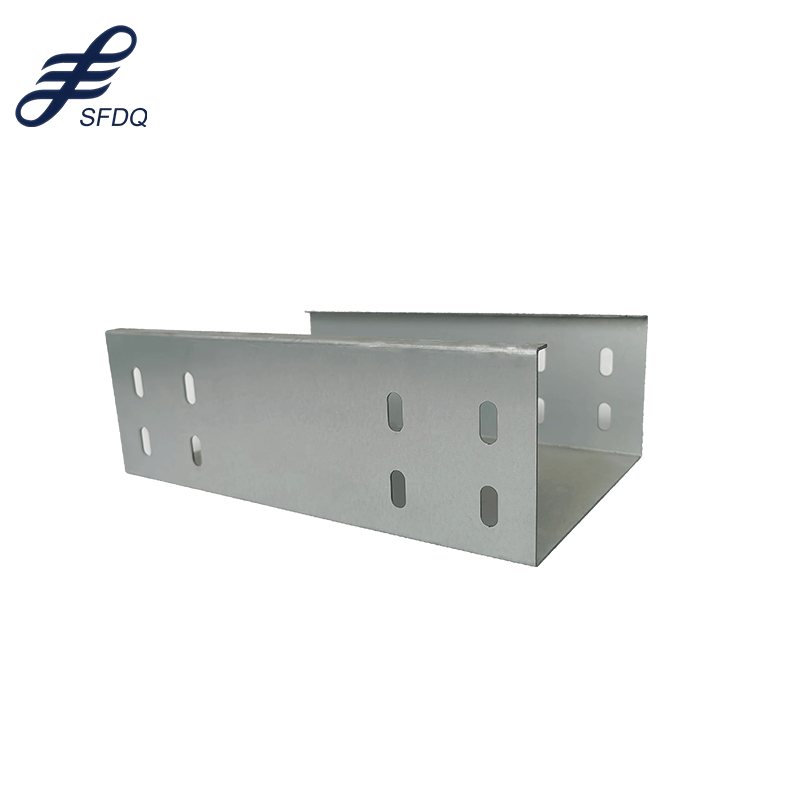
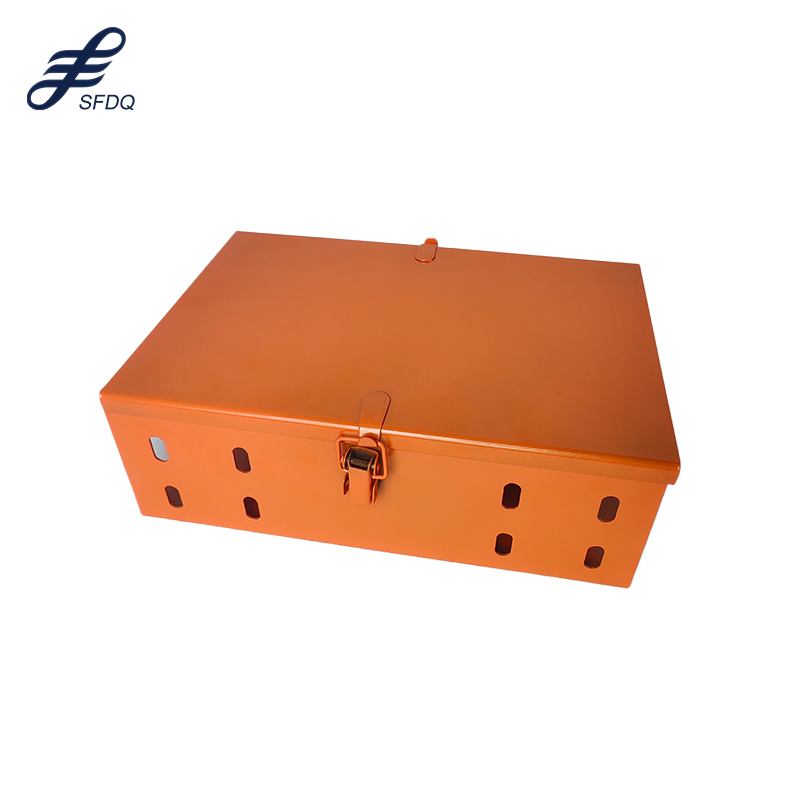
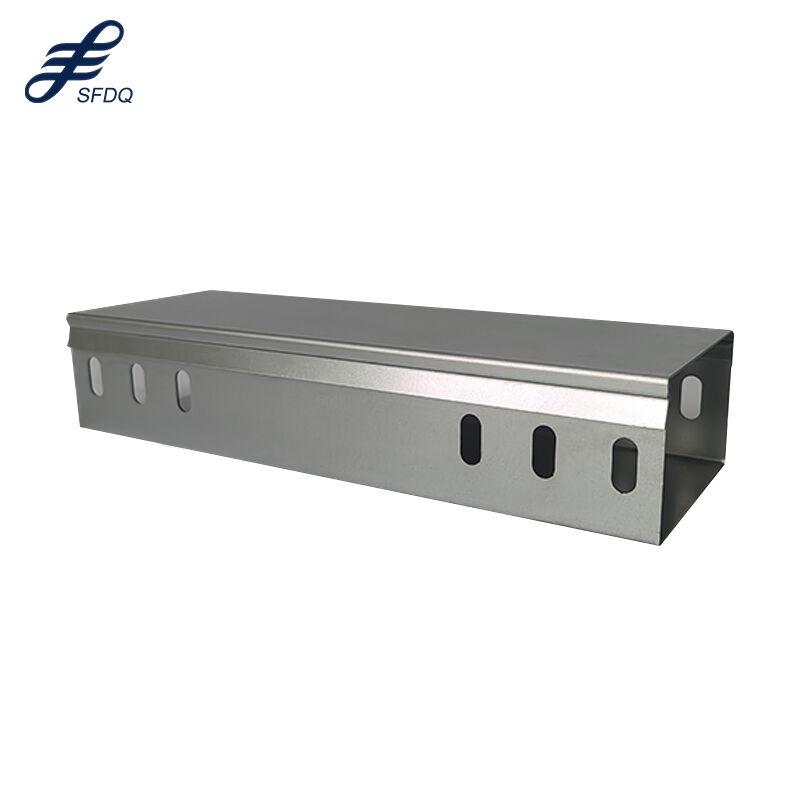
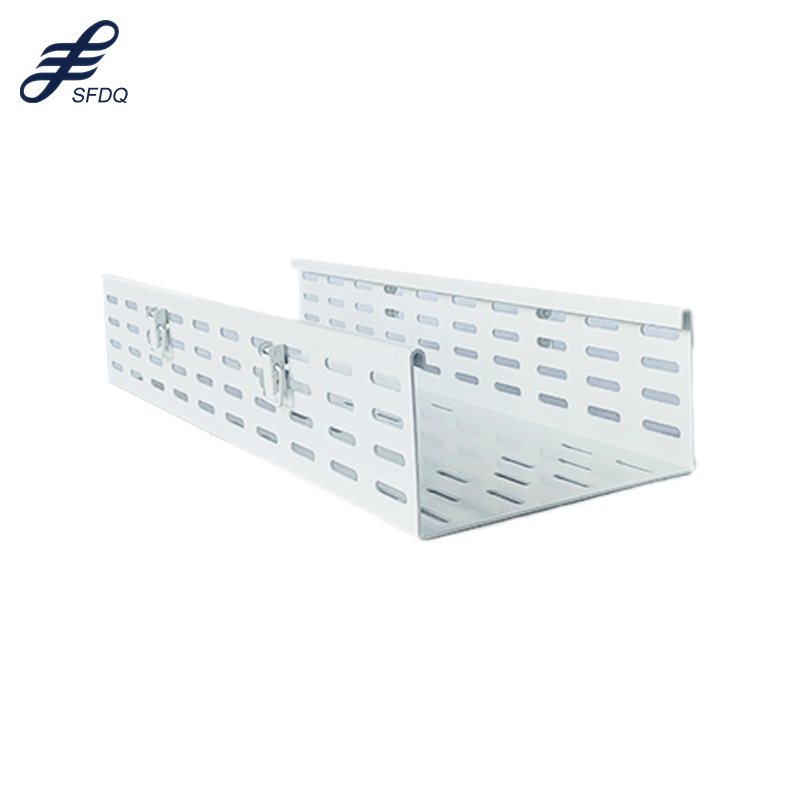
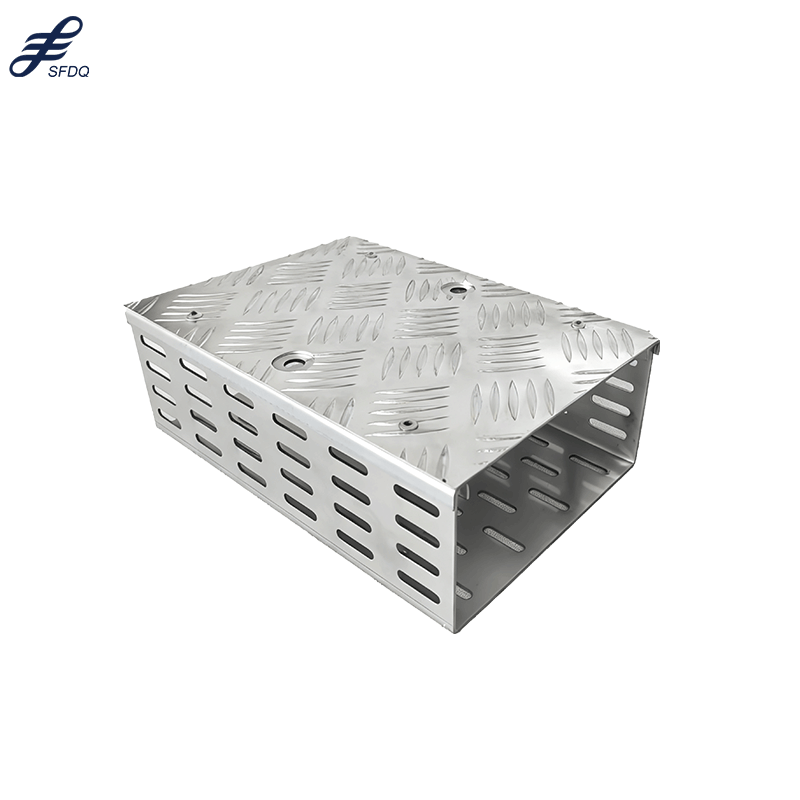
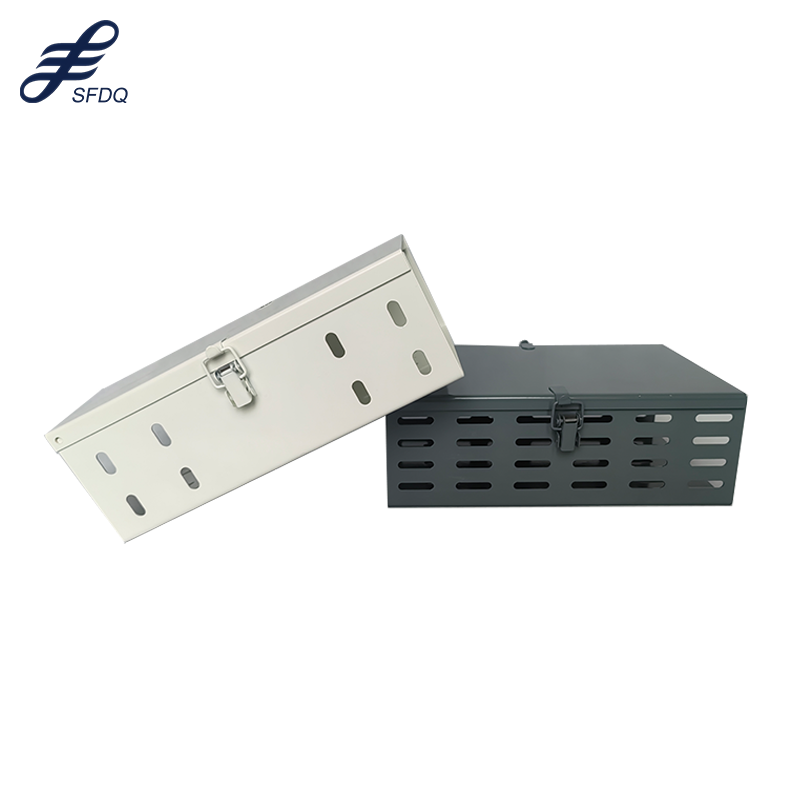
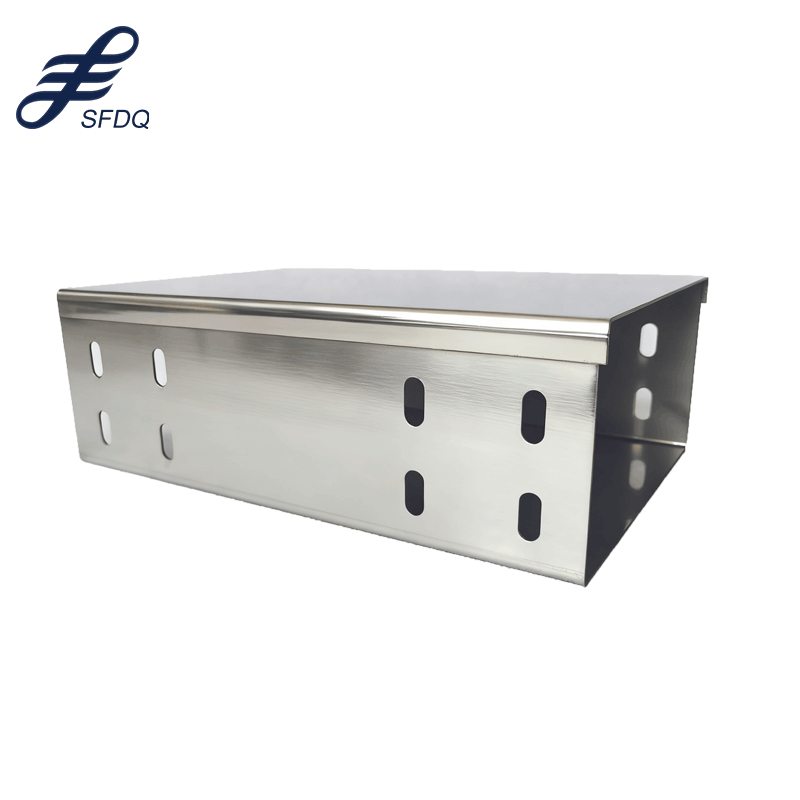
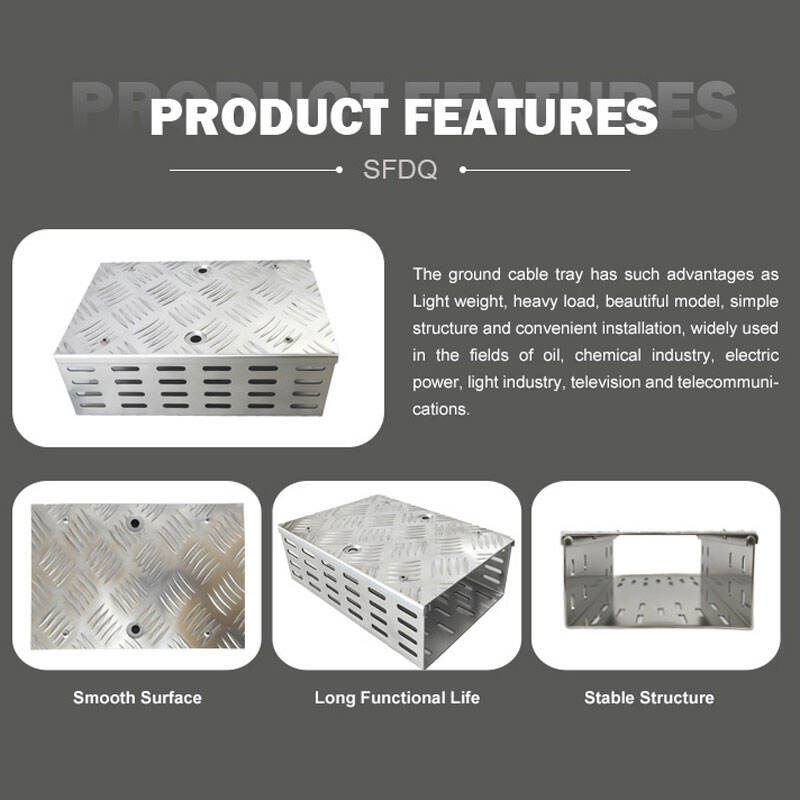
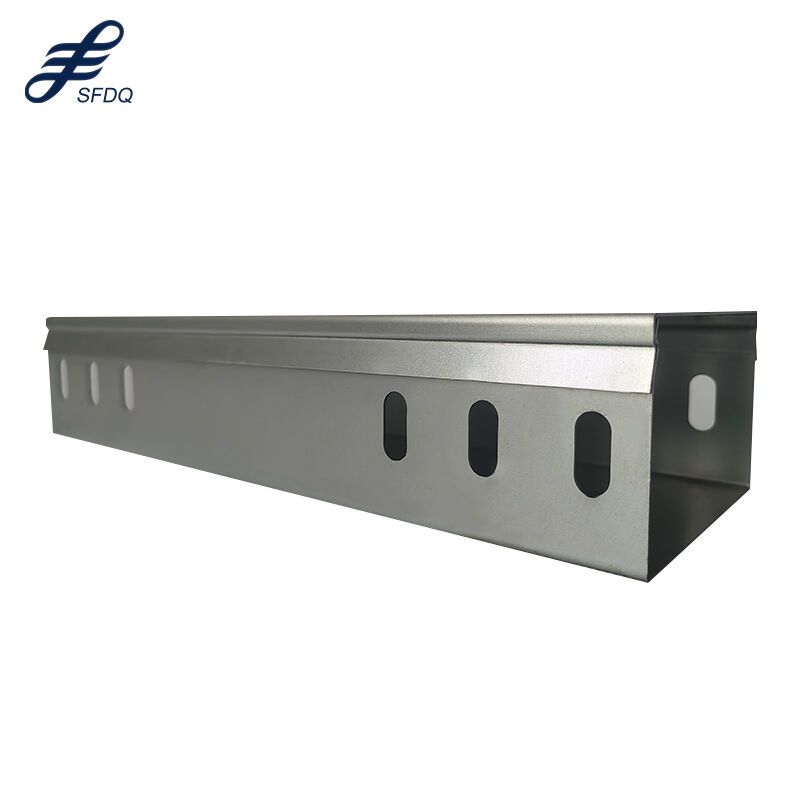
Cable tray systems represent a comprehensive infrastructure solution designed to support, organize, and protect electrical cables and wiring throughout commercial, industrial, and residential facilities. These engineered frameworks consist of interconnected sections that create secure pathways for power distribution, data transmission, and communication cables. Modern cable tray systems incorporate advanced materials and manufacturing techniques to deliver exceptional durability, flexibility, and performance across diverse operating environments. The primary function of cable tray systems involves creating organized cable management networks that facilitate efficient installation, maintenance, and future modifications. These structures eliminate the need for individual conduit runs by providing open pathways that accommodate multiple cables simultaneously. The technological features of contemporary cable tray systems include corrosion-resistant coatings, modular design components, and specialized fittings that enable seamless integration with existing electrical infrastructure. Manufacturing processes utilize high-grade steel, aluminum, or composite materials to ensure optimal strength-to-weight ratios and long-term reliability. Cable tray systems feature various configurations including ladder-type, perforated, solid-bottom, and wire mesh designs to meet specific application requirements. Each configuration offers distinct ventilation characteristics, load-bearing capabilities, and installation advantages. The applications for cable tray systems span numerous industries including manufacturing facilities, data centers, healthcare institutions, educational campuses, and commercial office buildings. These versatile support structures accommodate everything from low-voltage control wiring to high-capacity power feeders. Installation flexibility allows cable tray systems to traverse horizontal and vertical spaces while maintaining proper cable separation and accessibility. Modern cable tray systems integrate seamlessly with building automation systems, fire suppression equipment, and HVAC installations. The modular nature of these systems enables easy expansion and reconfiguration as facility requirements evolve, making them an ideal long-term infrastructure investment.

New Product Releases

Cable tray systems deliver significant cost savings compared to traditional conduit installations by reducing material requirements and labor expenses. The open design eliminates the need for multiple conduit runs, which substantially decreases procurement costs and installation time. Maintenance teams benefit from improved accessibility since cables remain visible and easily reachable within cable tray systems. This visibility streamlines troubleshooting procedures and enables rapid identification of potential issues before they escalate into costly failures. The modular construction of cable tray systems simplifies future modifications and expansions without requiring extensive demolition or reconstruction work. Facilities can adapt their electrical infrastructure as operational needs change, protecting their initial investment while accommodating growth. Enhanced heat dissipation represents another crucial advantage of cable tray systems, as the open framework promotes natural air circulation around cables. This improved thermal management extends cable lifespan and reduces the risk of overheating-related failures. Installation crews appreciate the lightweight yet robust construction that facilitates handling and positioning during construction projects. The standardized components and connection methods reduce installation complexity and minimize the potential for assembly errors. Cable tray systems support superior organization by maintaining proper separation between different cable types, which improves system reliability and simplifies compliance with electrical codes. The ability to route multiple cables simultaneously through a single pathway increases installation efficiency and reduces congestion in ceiling and wall spaces. Environmental resistance features protect cables from moisture, dust, and chemical exposure, which extends system longevity and reduces maintenance requirements. Fire-rated options provide enhanced safety characteristics that meet stringent building code requirements. The aesthetic appeal of professionally installed cable tray systems contributes to a cleaner, more organized appearance in exposed ceiling applications. Quality cable tray systems offer excellent return on investment through reduced installation costs, simplified maintenance procedures, and extended service life that minimizes replacement frequency.

Practical Tips

​Cable Tray: The Backbone of Efficient Cable Management - From SFDQ Factory

20

Nov

​Cable Tray: The Backbone of Efficient Cable Management - From SFDQ Factory

View More
Why Choose SFDQ’s Cable Tray?

20

Nov

Why Choose SFDQ’s Cable Tray?

View More
Unlock the Power of Factory Cable Trays with CE and ISO Certifications

20

Nov

Unlock the Power of Factory Cable Trays with CE and ISO Certifications

View More
SFDQ Participates in Saudi Exhibitions

05

Dec

SFDQ Participates in Saudi Exhibitions

Bringing High-Quality Cable Trays to Deepen Presence in the Middle East Infrastructure Market​
View More

Get a Free Quote

Our representative will contact you soon.
Email
Name
Company Name
WhatsApp
Message
0/1000

cable tray systems

Advanced Corrosion Protection Technology

Advanced Corrosion Protection Technology

Modern cable tray systems incorporate sophisticated corrosion protection technologies that ensure exceptional longevity and performance in challenging environmental conditions. The advanced coating systems utilize multi-layer application processes that create comprehensive barriers against moisture, chemicals, and atmospheric contaminants. Hot-dip galvanizing represents the gold standard for steel cable tray systems, providing uniform zinc coverage that forms a metallurgical bond with the base material. This electrochemical protection mechanism continues to safeguard the underlying steel even if the coating sustains minor damage during installation or service. Powder coating applications over galvanized surfaces create additional protection layers while offering aesthetic customization options that complement facility design requirements. The polyester-based powder formulations resist ultraviolet degradation, chemical exposure, and mechanical abrasion while maintaining color stability throughout the service life. Aluminum cable tray systems feature natural oxidation resistance that eliminates the need for additional protective coatings in many applications. The inherent corrosion resistance of aluminum construction makes these systems ideal for coastal environments, chemical processing facilities, and outdoor installations where traditional steel systems might suffer premature degradation. Advanced surface preparation techniques ensure optimal coating adhesion and uniform coverage across complex geometric surfaces including corners, joints, and connection points. Quality control procedures verify coating thickness, adhesion strength, and overall integrity through standardized testing protocols. The environmental benefits of modern coating systems include reduced maintenance requirements, extended replacement intervals, and improved sustainability profiles. These protective technologies enable cable tray systems to maintain structural integrity and appearance standards throughout decades of service while minimizing lifecycle costs and environmental impact.
Modular Design Flexibility and Scalability

Modular Design Flexibility and Scalability

The modular design architecture of contemporary cable tray systems provides unparalleled flexibility for initial installations and future modifications across diverse facility types and applications. This innovative approach utilizes standardized components that interconnect seamlessly to create customized pathways that accommodate specific routing requirements and spatial constraints. The comprehensive component library includes straight sections, curves, tees, crosses, reducers, and specialized fittings that enable complex three-dimensional cable routing without compromising structural integrity or accessibility. Each component undergoes precision manufacturing processes that ensure consistent dimensions and tolerances for reliable assembly and long-term performance. The standardized connection methods eliminate the need for specialized tools or complex assembly procedures, which reduces installation time and minimizes the potential for assembly errors. Trained technicians can efficiently assemble cable tray systems using common hand tools and standard hardware, which simplifies project planning and reduces labor costs. The modular approach enables phased installations that align with construction schedules and budget constraints while maintaining system integration capabilities. Future expansion projects benefit from the compatibility of new components with existing installations, which protects initial infrastructure investments and ensures seamless system growth. Load distribution characteristics of modular cable tray systems accommodate varying cable weights and configurations through engineered support spacing and structural reinforcement options. The ability to mix different tray types within a single system enables optimization for specific cable requirements while maintaining overall system continuity. Configuration flexibility supports both linear and complex routing patterns that navigate around structural elements, mechanical systems, and architectural features. The modular design facilitates maintenance access by enabling temporary disconnection and reconfiguration of specific system sections without disrupting adjacent pathways. This serviceability advantage reduces maintenance costs and minimizes operational disruptions during routine inspections or cable modifications.
Enhanced Cable Management and Organization Capabilities

Enhanced Cable Management and Organization Capabilities

Professional cable tray systems deliver superior cable management and organization capabilities that significantly improve electrical system reliability, maintenance efficiency, and regulatory compliance across all facility types. The open architecture design enables proper cable separation according to voltage classifications, signal types, and fire safety requirements while maintaining easy accessibility for inspection and maintenance activities. Strategic cable routing within cable tray systems reduces electromagnetic interference between power and data cables through optimal spacing and shielding configurations. The ability to implement dedicated pathways for different cable categories ensures compliance with industry standards and electrical codes while optimizing system performance. Cable support mechanisms within tray systems distribute mechanical loads evenly across cable jackets, which prevents stress concentrations that could lead to insulation damage or conductor failure. The continuous support provided by cable tray systems eliminates sagging and mechanical stress that commonly occurs in overhead cable installations using traditional support methods. Ventilation characteristics of perforated and ladder-type cable tray systems promote natural air circulation that dissipates heat generated by current-carrying conductors. This thermal management capability enables higher ampacity ratings and reduces the risk of temperature-related cable degradation. Cable identification and documentation become significantly more manageable within organized tray systems through improved visibility and systematic routing patterns. Maintenance technicians can quickly locate specific circuits and trace cable paths without disrupting adjacent installations or requiring extensive documentation research. The structural stability of cable tray systems prevents cable movement during thermal cycling, vibration, or maintenance activities, which protects connection integrity and reduces wear-related failures. Future cable additions integrate smoothly into existing tray installations through available space utilization and systematic organization protocols. The professional appearance of well-organized cable tray systems contributes to overall facility aesthetics while demonstrating commitment to quality and attention to detail in electrical infrastructure design and implementation.
Inquiry Inquiry Email Email Tel Tel TopTop

Get a Free Quote

Our representative will contact you soon.
Email
Name
Company Name
WhatsApp
Message
0/1000