Versatile Installation and Future-Proof Design
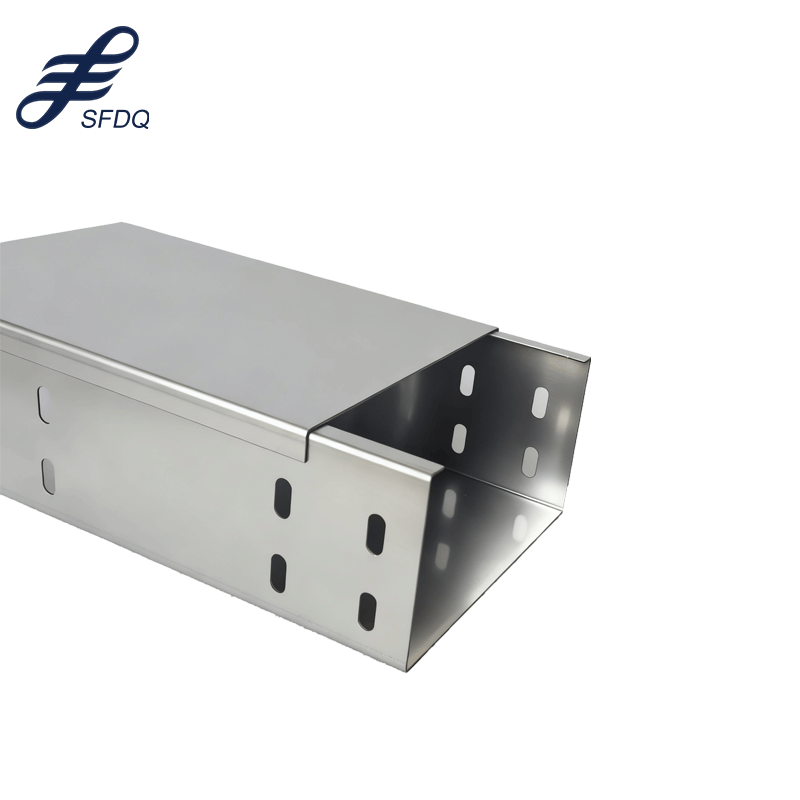
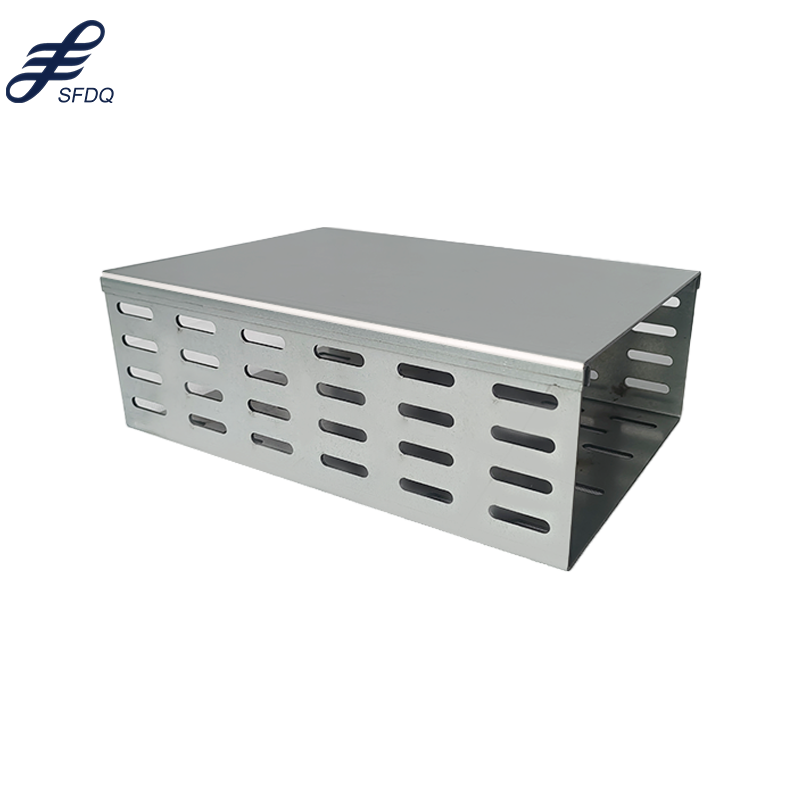
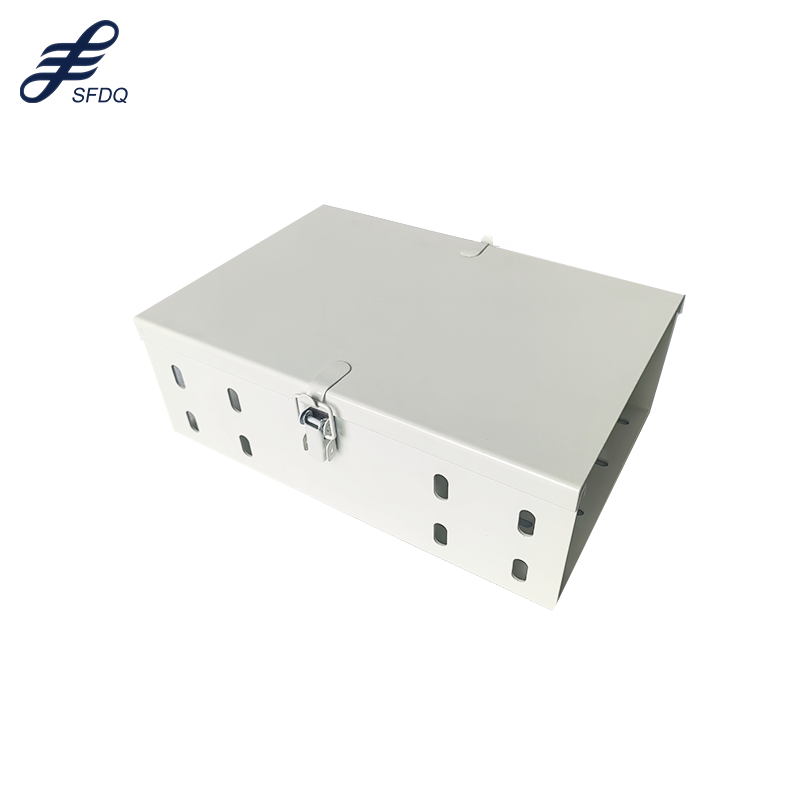
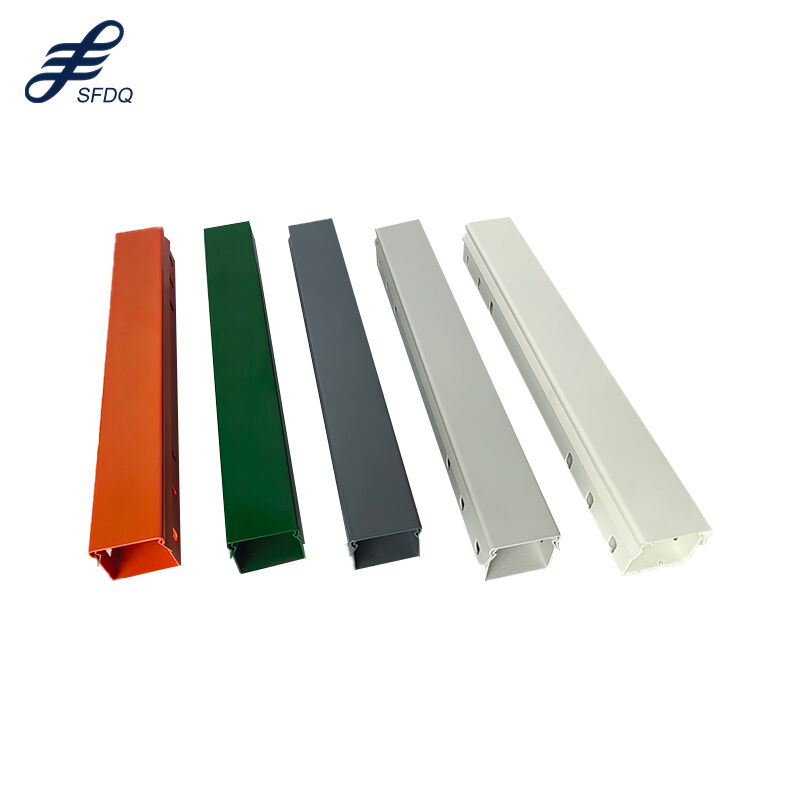
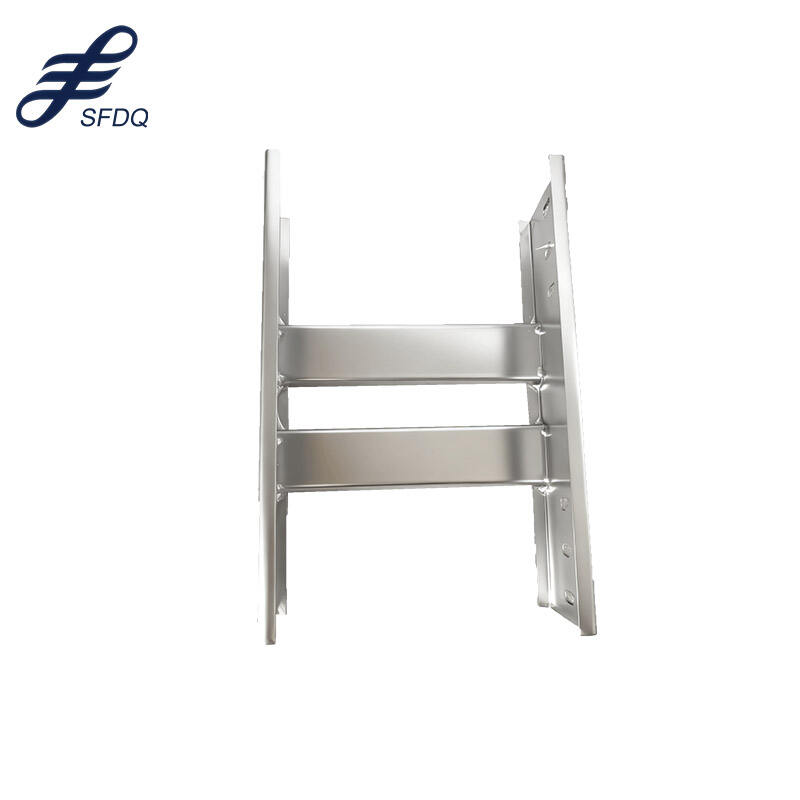
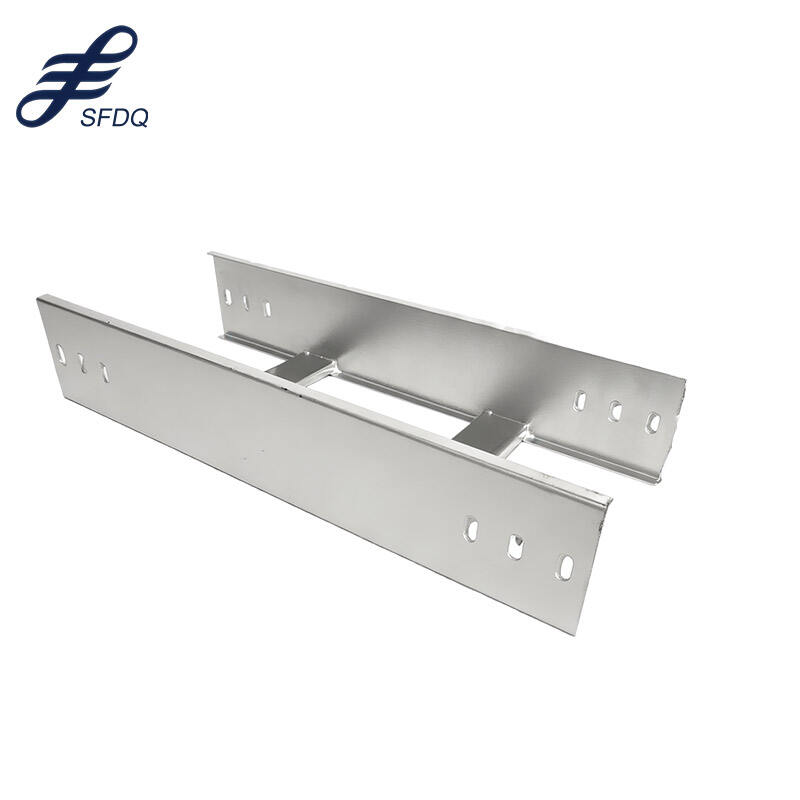
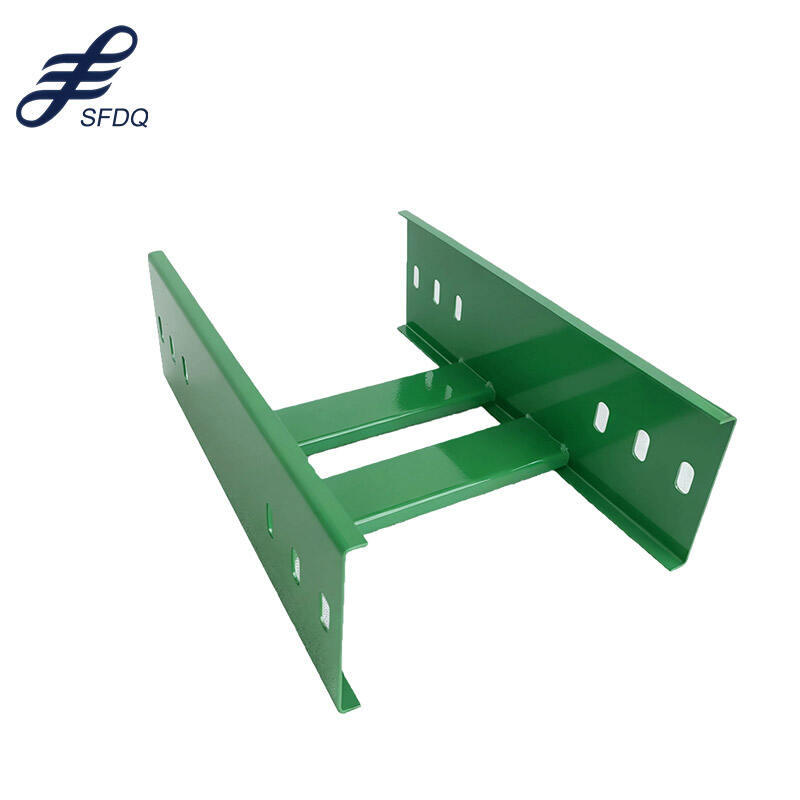
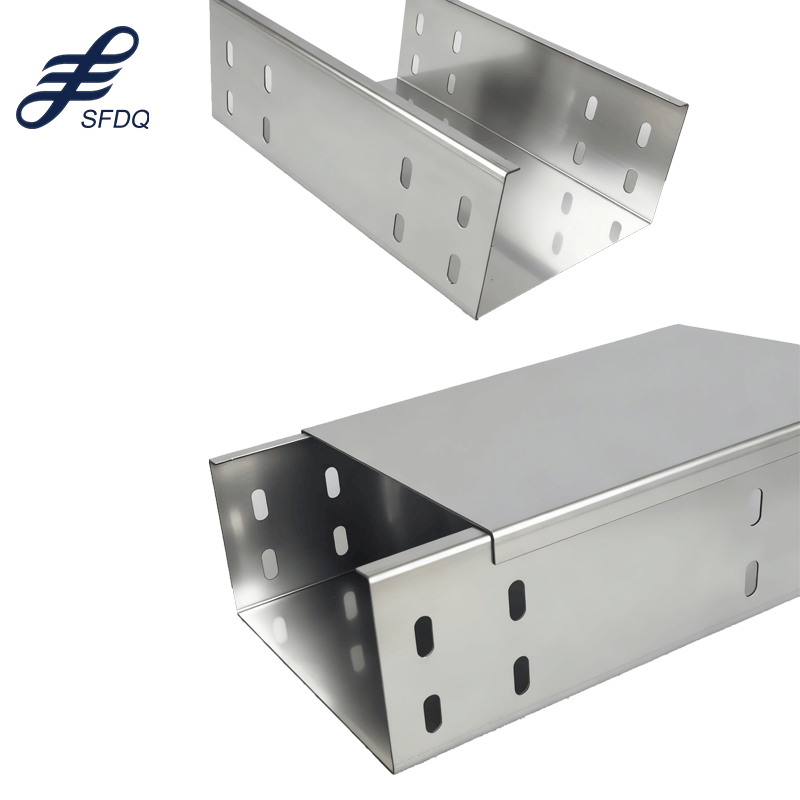
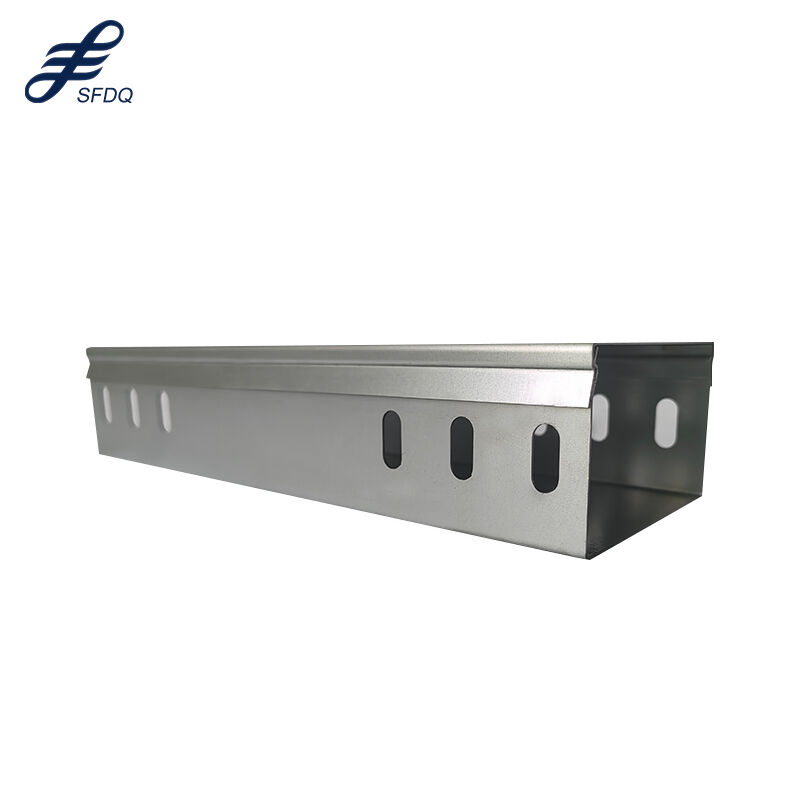
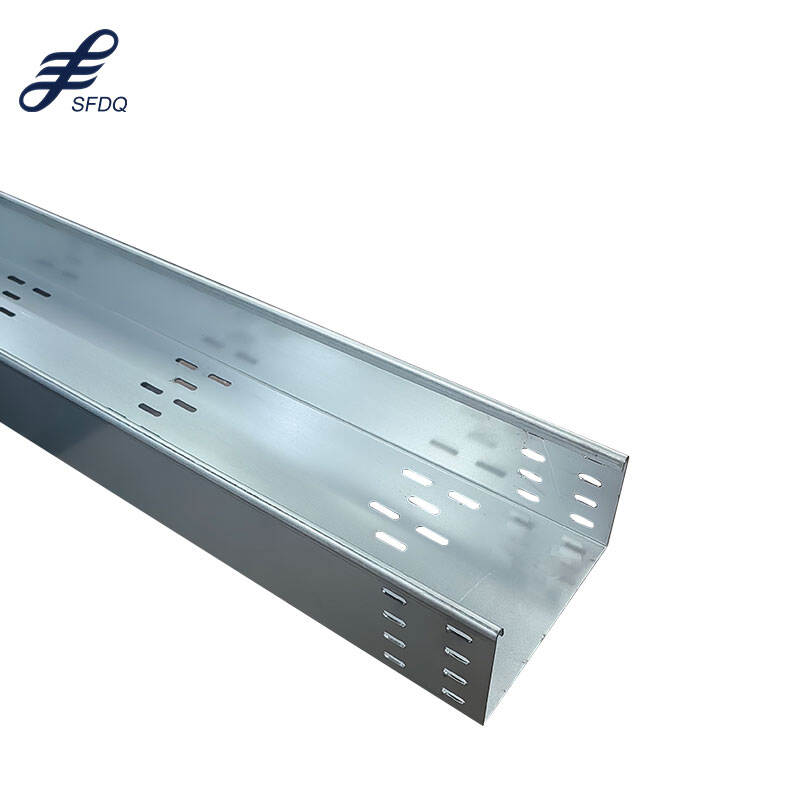
The white cable tray offers unparalleled flexibility through innovative modular architecture that accommodates evolving electrical infrastructure needs while simplifying installation procedures for contractors and facility teams. The comprehensive component ecosystem includes straight runs, radius bends, vertical risers, junction boxes, and specialized fittings that enable complex routing configurations without custom fabrication requirements. Standardized mounting systems ensure compatibility with various structural supports, ceiling types, and wall configurations, reducing installation complexity and material waste. The lightweight properties of modern white cable tray materials decrease handling requirements and allow for efficient transportation, storage, and positioning during installation phases. Pre-engineered connection methods eliminate field welding or complex assembly procedures, enabling faster project completion and reduced labor costs while maintaining structural integrity. The modular nature of white cable tray systems supports phased installations where electrical infrastructure expands incrementally to match facility growth or changing operational requirements. Future modifications become straightforward through component interchangeability and standardized interfaces that accommodate additional cable runs, routing changes, or system upgrades without major reconstruction. The scalability of white cable tray designs supports everything from small office installations to massive industrial complexes requiring thousands of linear feet of cable management infrastructure. Integrated cable management features including dividers, covers, and splice boxes enhance organization while maintaining accessibility for ongoing maintenance and modifications. The compatibility with various cable types, voltage levels, and communication systems makes white cable tray installations suitable for converged infrastructure approaches combining power, data, and control cables within unified management systems. Documentation and labeling capabilities built into white cable tray designs facilitate accurate record-keeping and compliance with facility management standards, supporting efficient operations throughout the system lifecycle.
 EN
EN