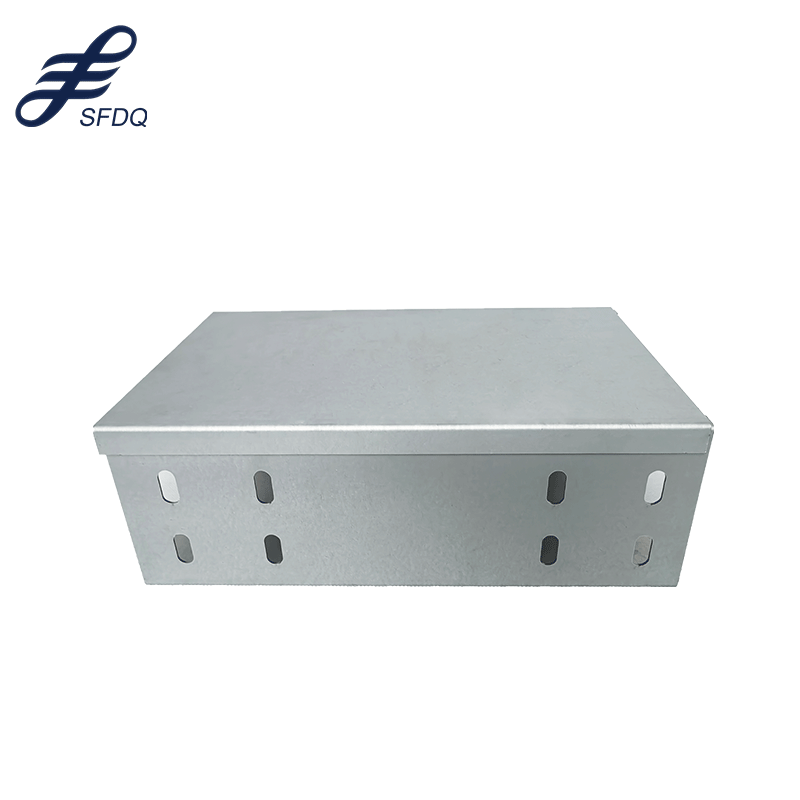
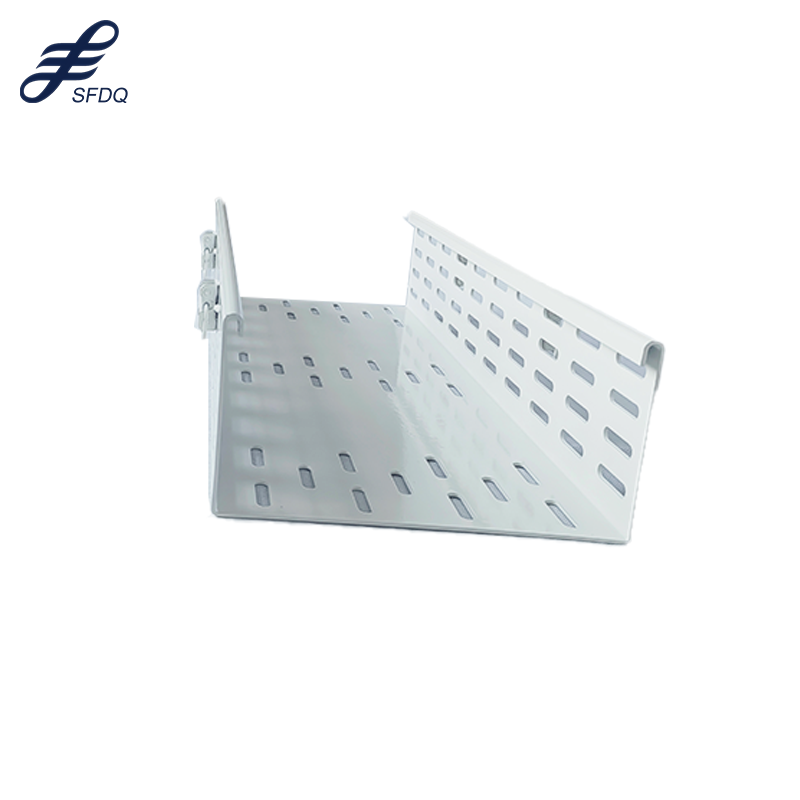
vertical cable tray
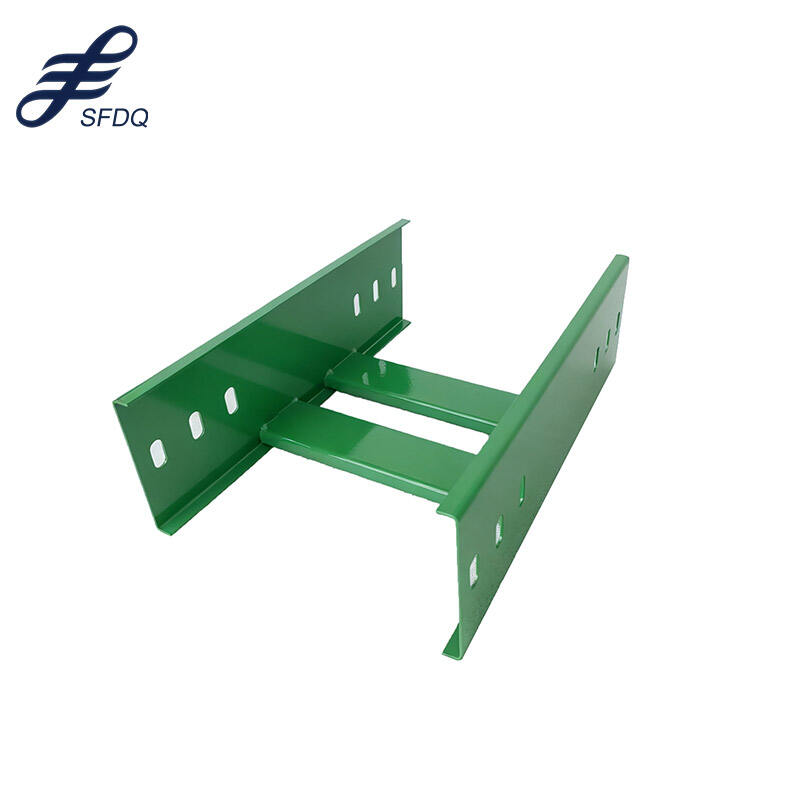
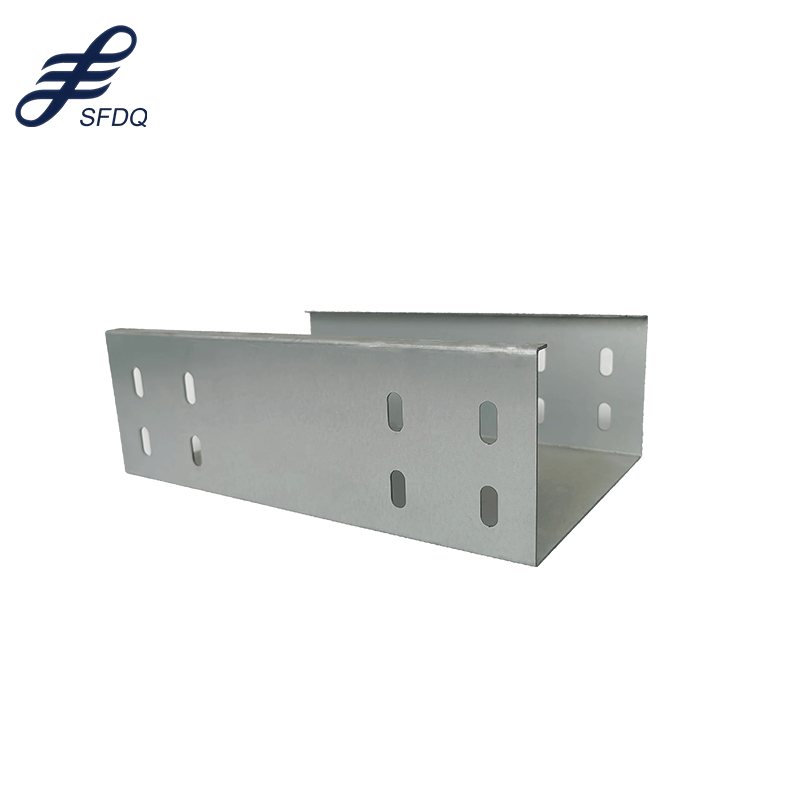
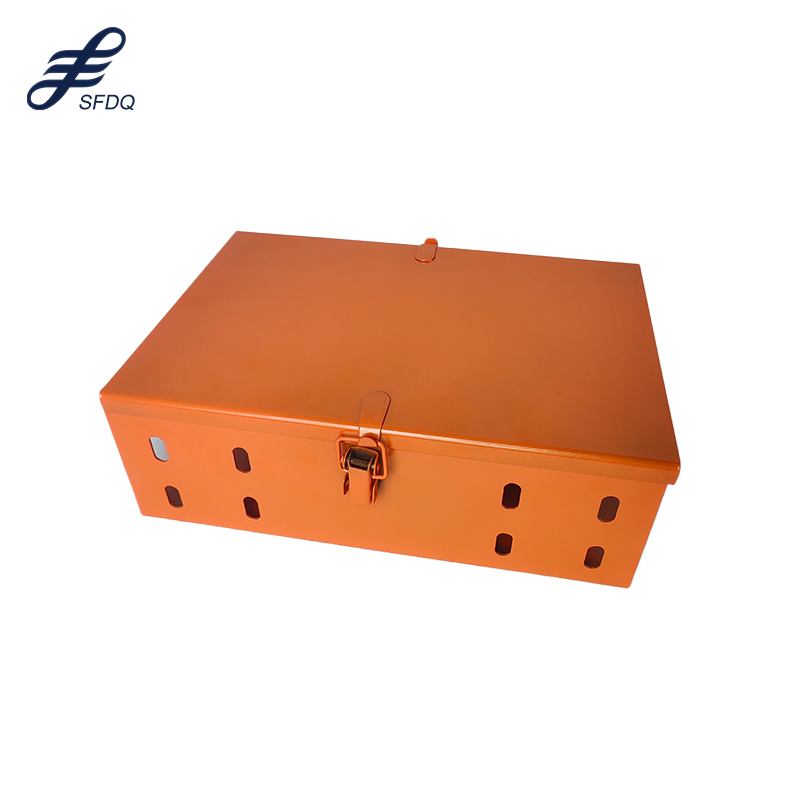
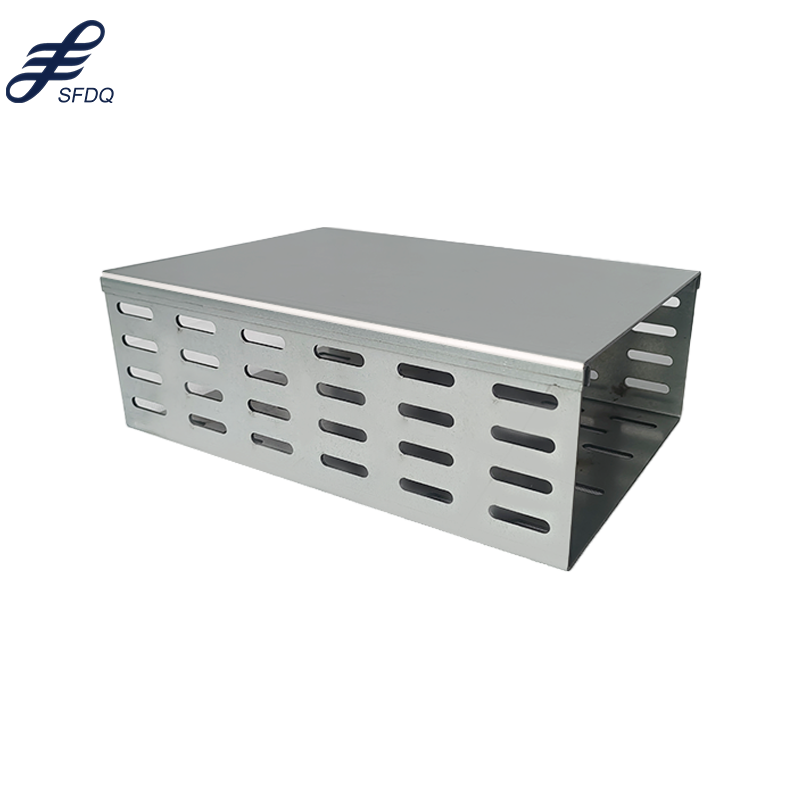
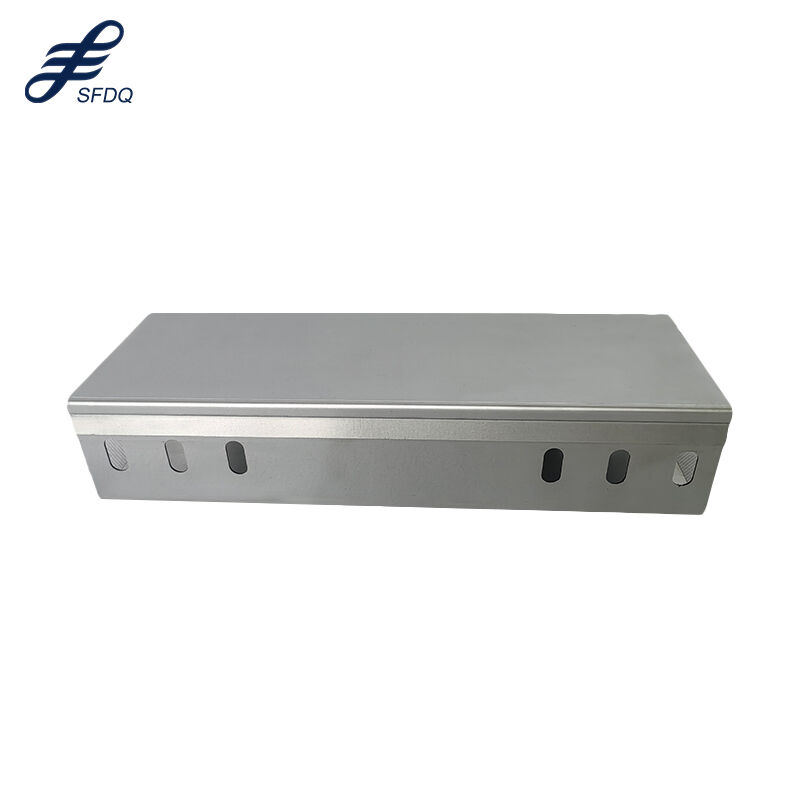
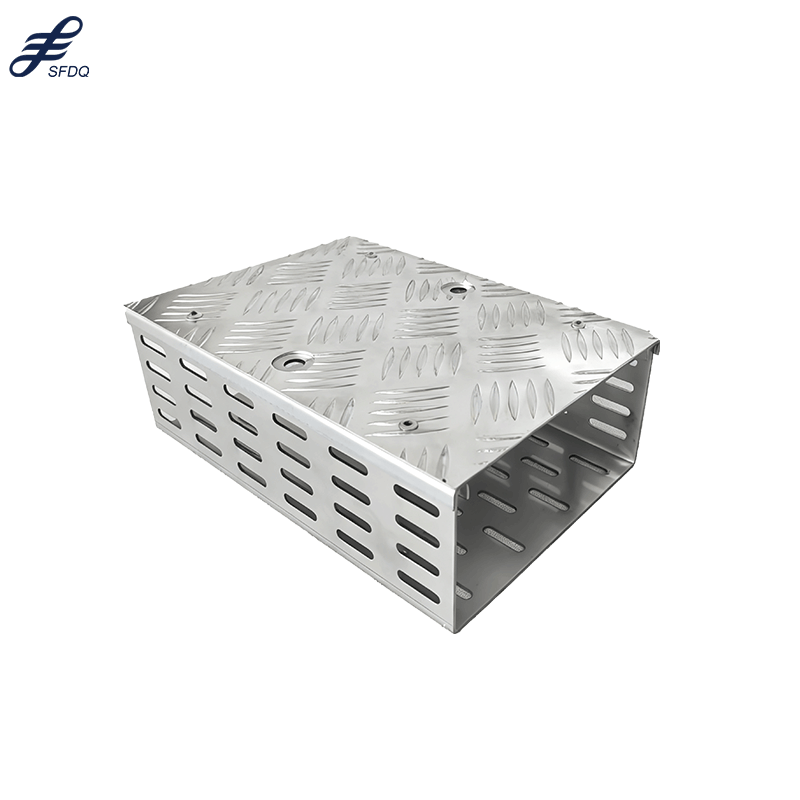
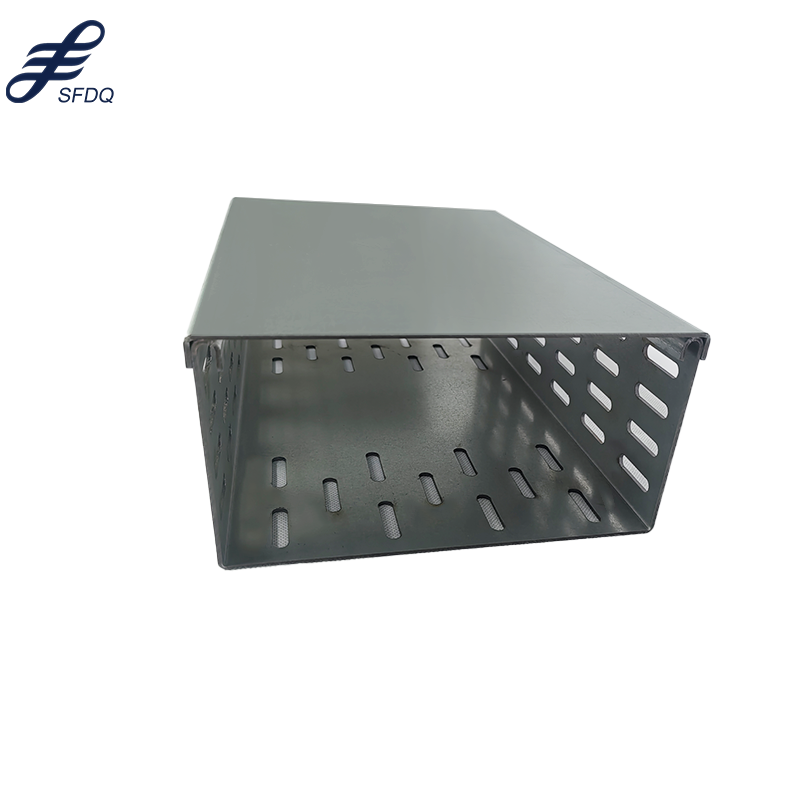
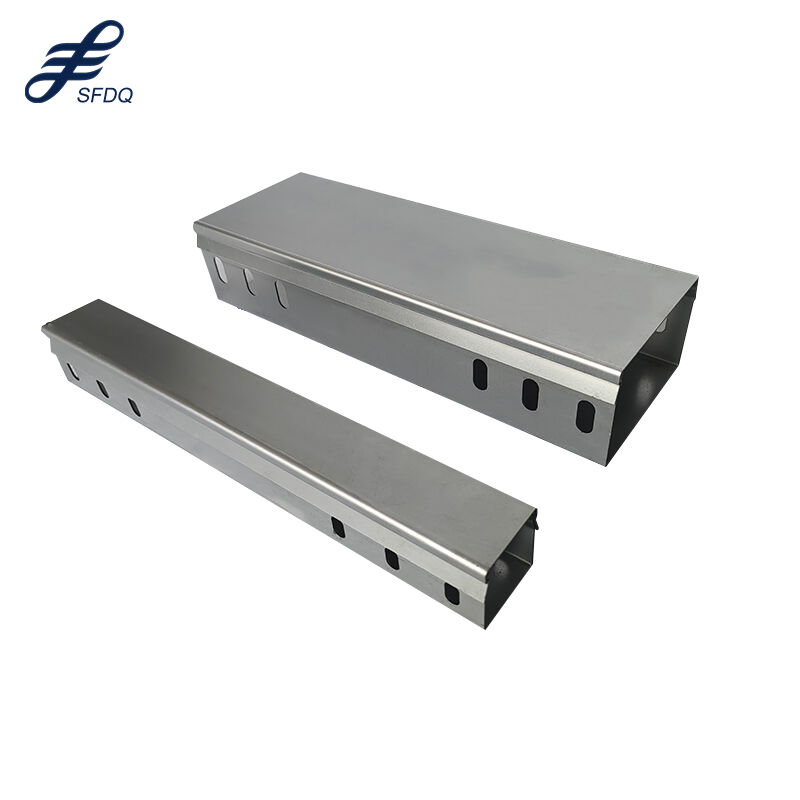
A vertical cable tray represents a specialized infrastructure solution designed to support and organize electrical cables in vertical installations. This essential component serves as the backbone for efficient cable management systems in modern buildings, industrial facilities, and data centers. The vertical cable tray functions as a structured pathway that guides cables from floor to floor, maintaining proper organization while ensuring optimal accessibility for maintenance and future expansions. The primary function of the vertical cable tray involves creating a reliable support system that prevents cable damage while facilitating smooth cable routing throughout multi-story structures. These systems excel at managing various cable types, including power cables, data transmission lines, and communication wiring, all within a single organized framework. The technological features of modern vertical cable tray systems incorporate advanced materials such as galvanized steel, aluminum, and stainless steel, providing exceptional durability and corrosion resistance. Many models feature adjustable mounting brackets that accommodate different wall configurations and spacing requirements. The perforated design allows for superior ventilation, preventing heat buildup that could damage sensitive cables. Smart engineering ensures these trays can handle substantial cable loads while maintaining structural integrity over extended periods. Applications for the vertical cable tray span across numerous industries and building types. Commercial office buildings utilize these systems to connect network infrastructure between floors, while manufacturing facilities rely on them for power distribution and control system wiring. Data centers depend heavily on vertical cable tray installations to manage the complex web of server connections and cooling system cables. Healthcare facilities, educational institutions, and residential complexes also benefit from these organized cable management solutions. The versatility of vertical cable tray systems makes them indispensable for any project requiring reliable, scalable cable infrastructure that can adapt to changing technological demands while maintaining professional appearance and operational efficiency.
 EN
EN