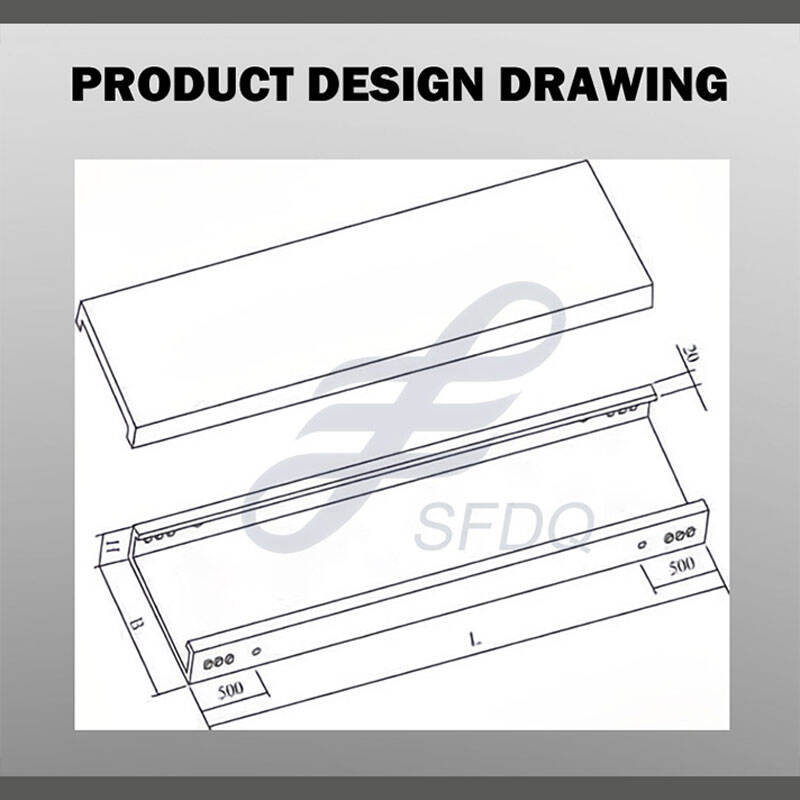
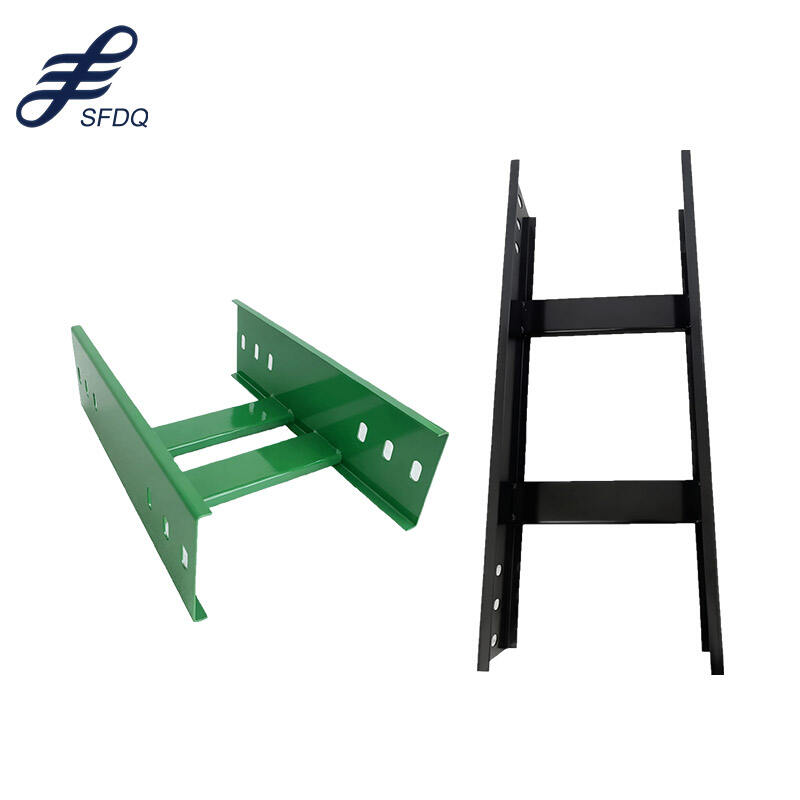
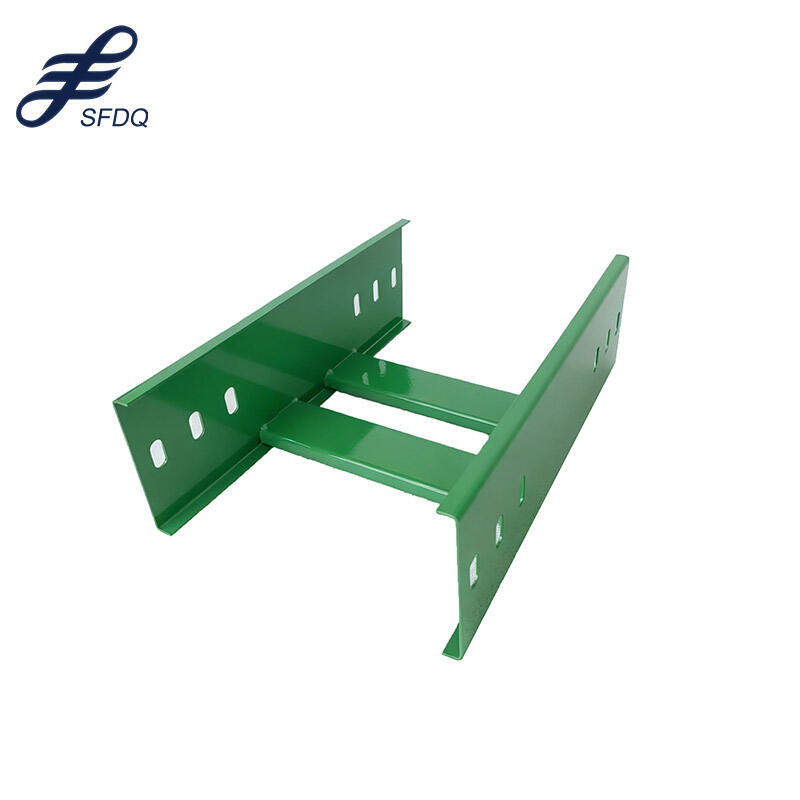
heavy duty cable tray
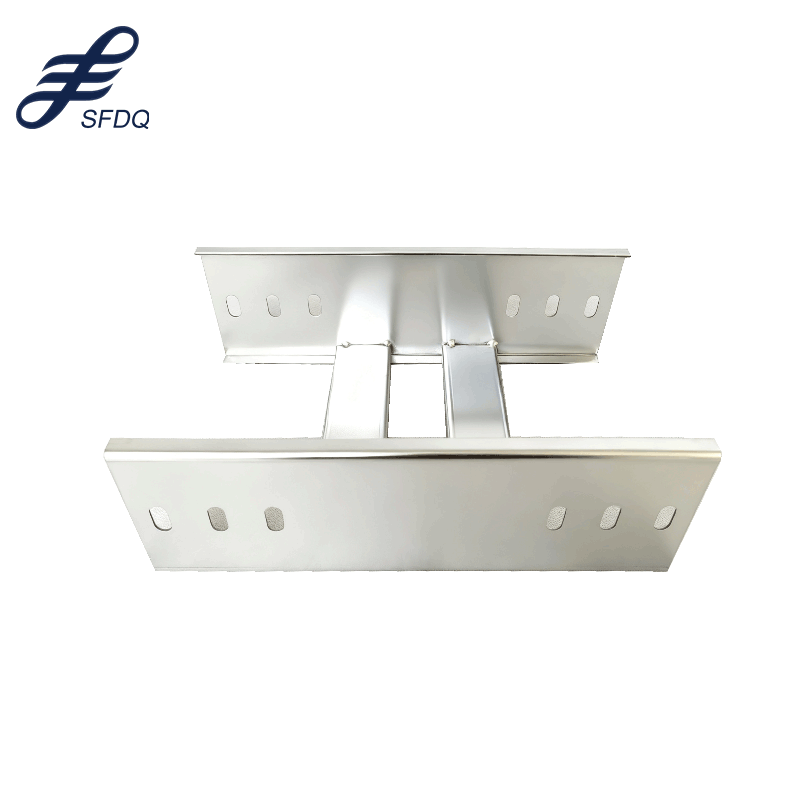
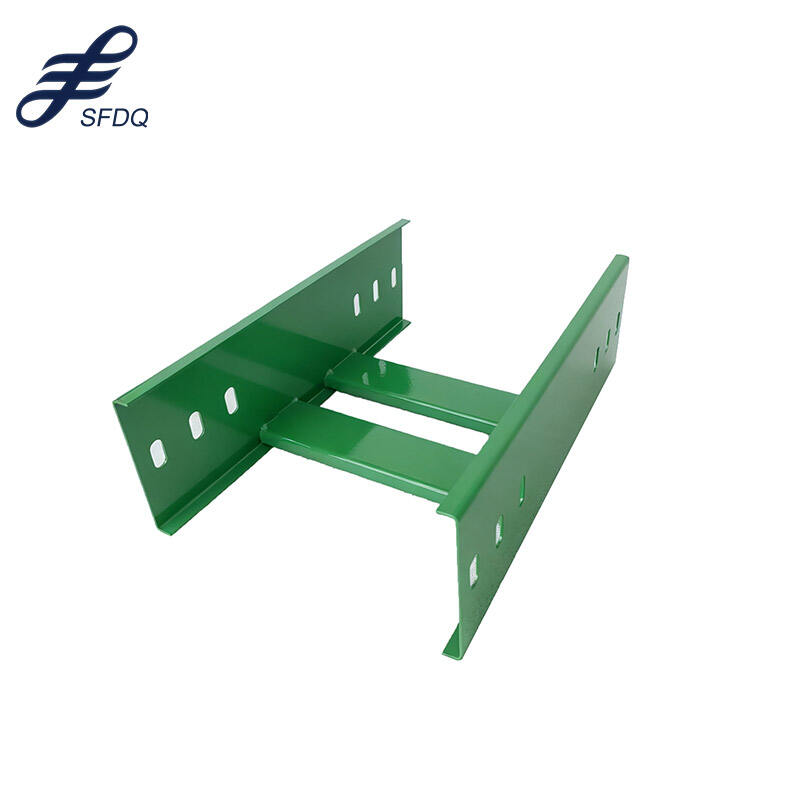
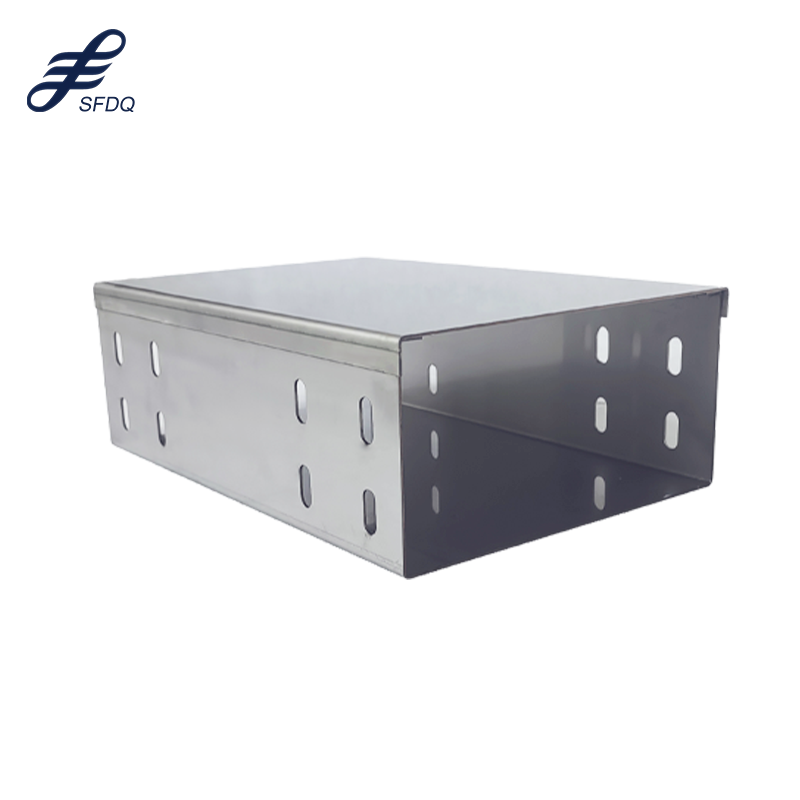
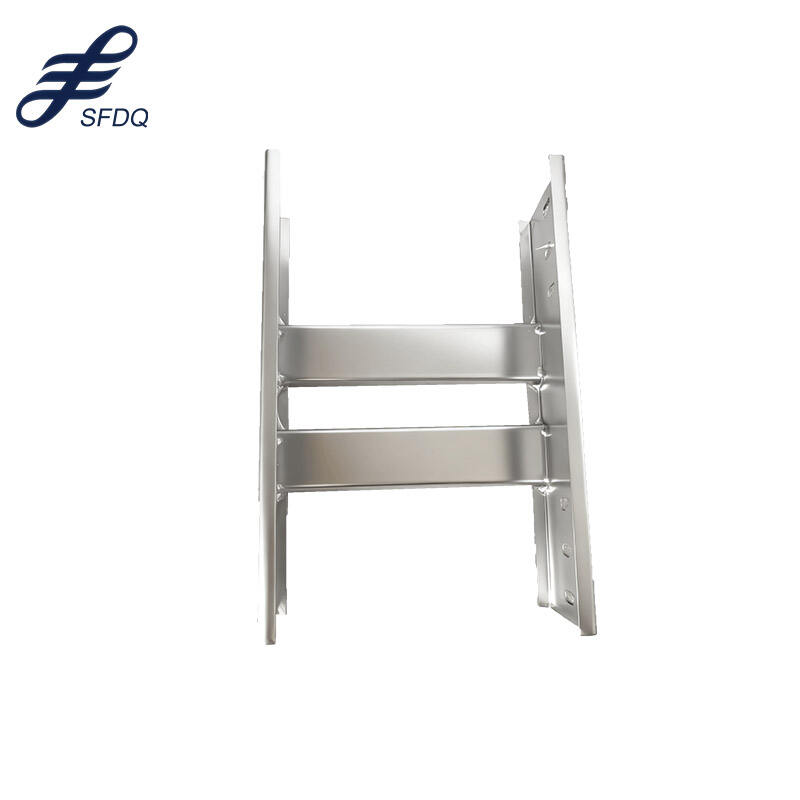
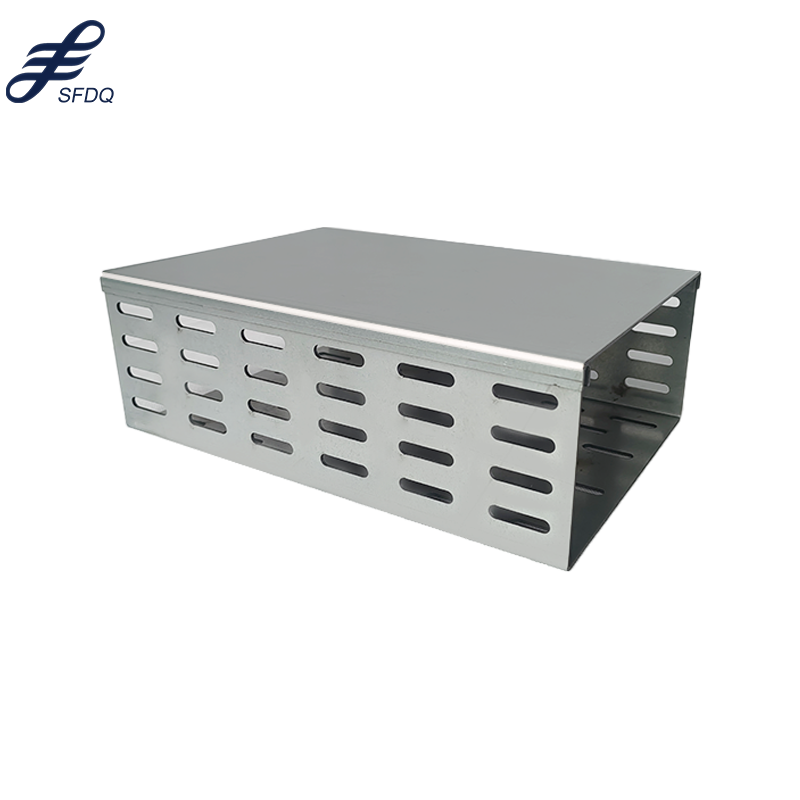
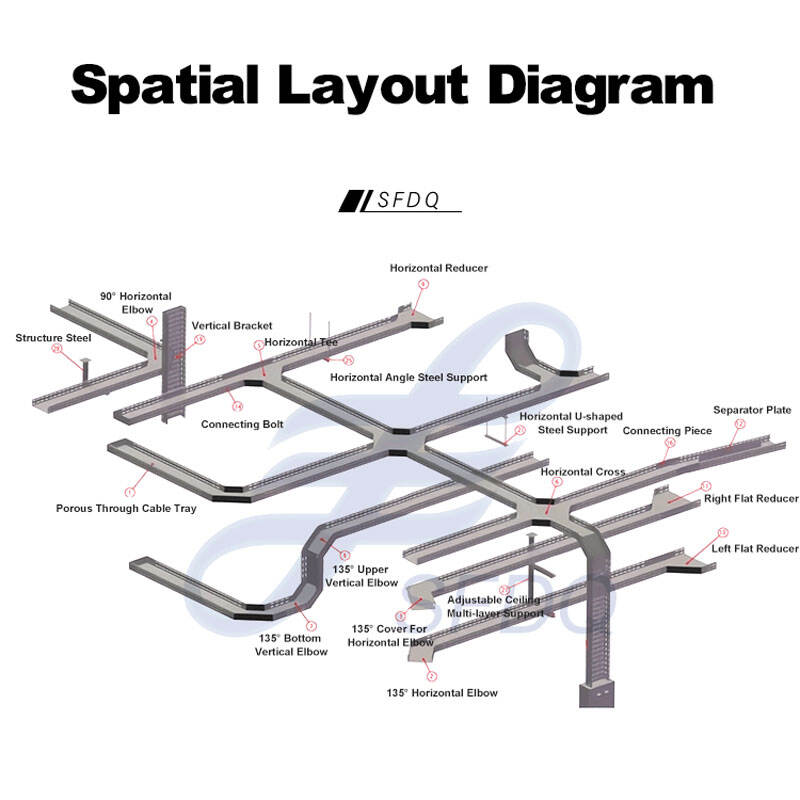
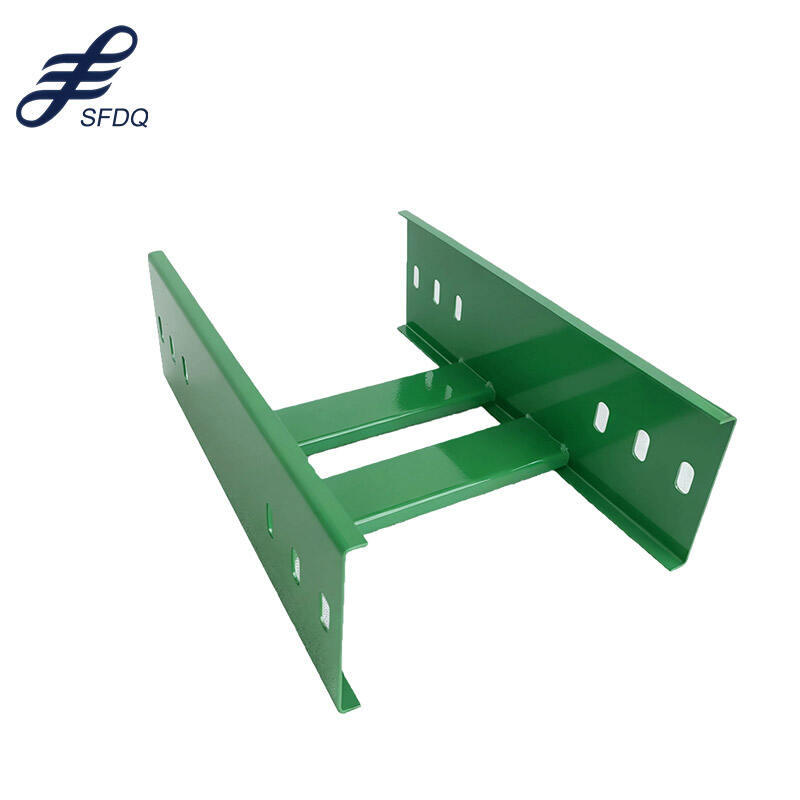
Heavy duty cable tray systems represent a critical infrastructure component designed to provide robust support and protection for electrical cables in demanding industrial environments. These specialized cable management solutions are engineered to handle substantial weight loads while maintaining structural integrity under extreme conditions. Unlike standard cable trays, heavy duty cable tray systems feature reinforced construction materials, typically incorporating galvanized steel or aluminum alloys that resist corrosion and withstand mechanical stress. The primary function of a heavy duty cable tray involves organizing, routing, and protecting electrical cables throughout facilities such as manufacturing plants, power generation stations, petrochemical complexes, and large commercial buildings. These systems eliminate the need for individual conduits, significantly reducing installation time and material costs while providing easy access for maintenance and future cable additions. The technological features of heavy duty cable tray systems include enhanced load-bearing capacity, superior fire resistance ratings, and modular design elements that facilitate customization for specific applications. Advanced perforation patterns optimize ventilation while maintaining structural strength, preventing cable overheating and extending operational lifespan. The robust construction ensures reliable performance in harsh environments where temperature fluctuations, chemical exposure, and mechanical vibrations are common challenges. Installation flexibility represents another key technological advantage, as these systems accommodate various mounting configurations including ceiling suspension, wall mounting, and floor-supported arrangements. The applications for heavy duty cable tray systems span across multiple industries including oil and gas refineries, mining operations, data centers, hospitals, airports, and manufacturing facilities. These environments require dependable cable management solutions that can support high-voltage power cables, control circuits, fiber optic networks, and communication systems simultaneously. The heavy duty cable tray design ensures optimal cable organization while maintaining compliance with electrical codes and safety standards, making it an essential component for modern industrial infrastructure development.
 EN
EN