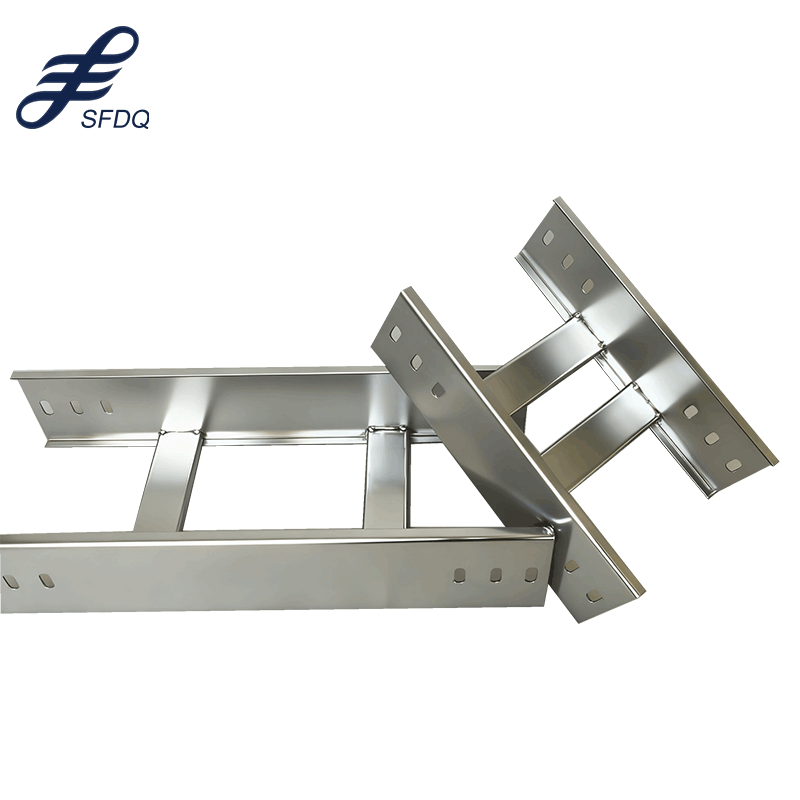
ladder rack cable management
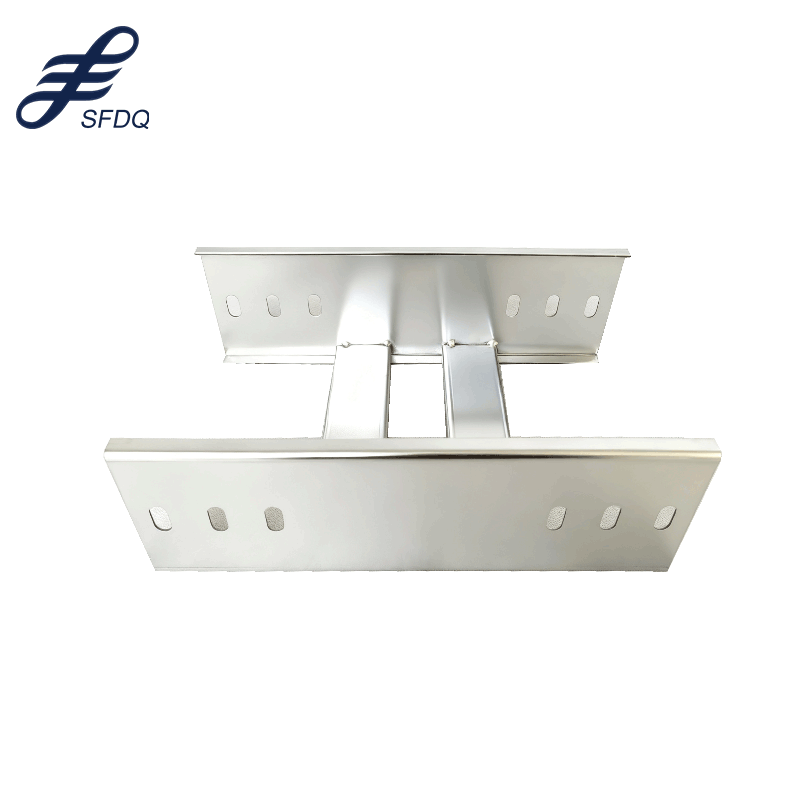
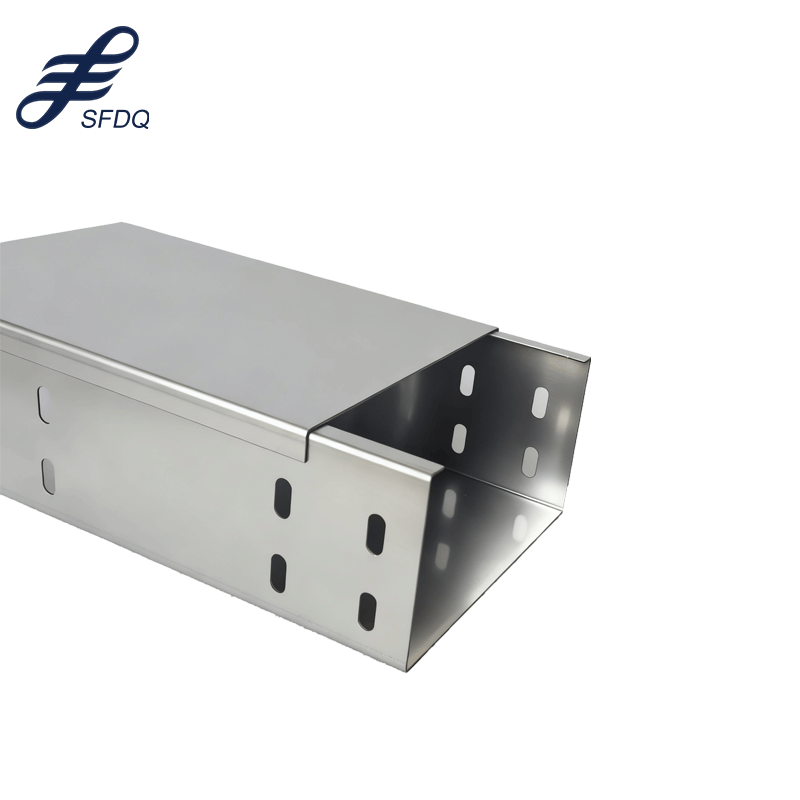
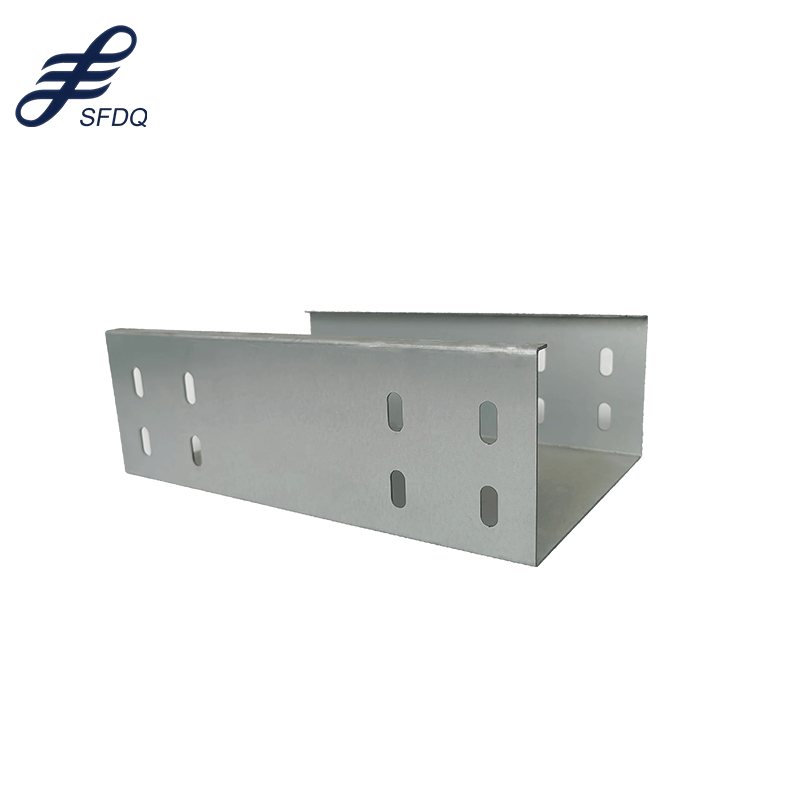
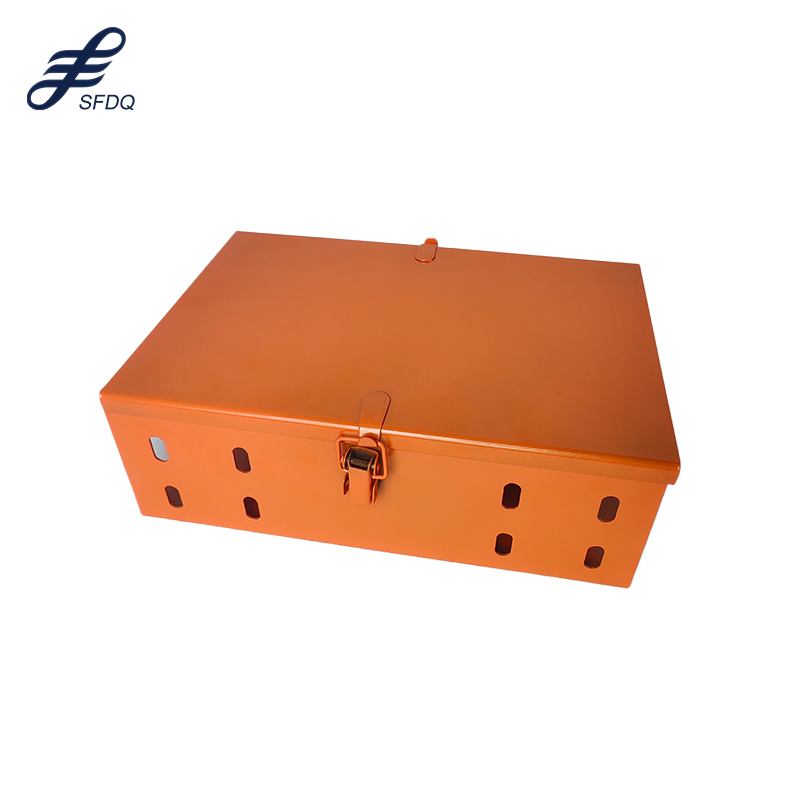
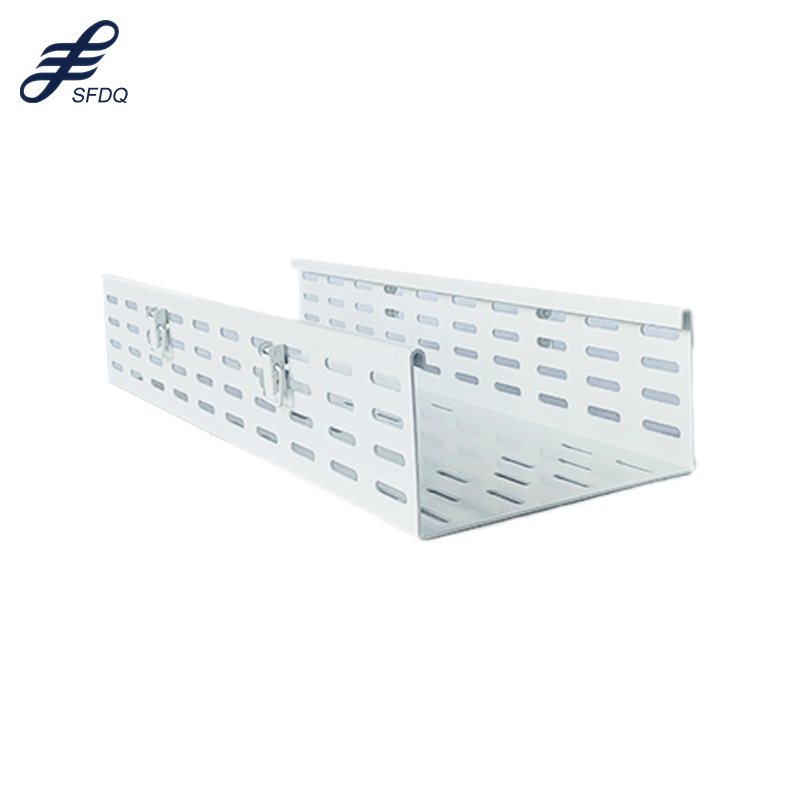
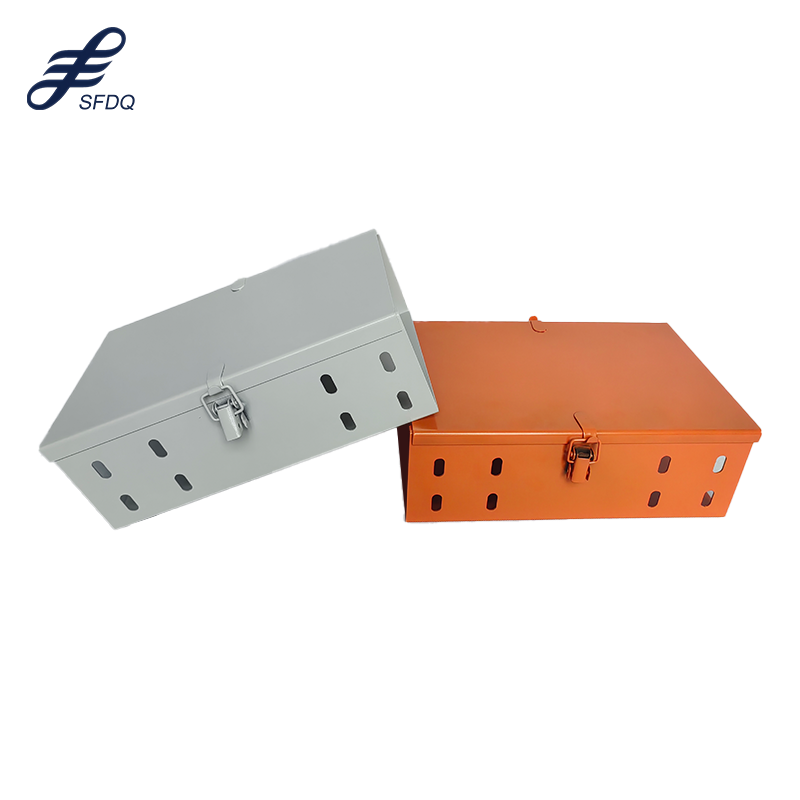
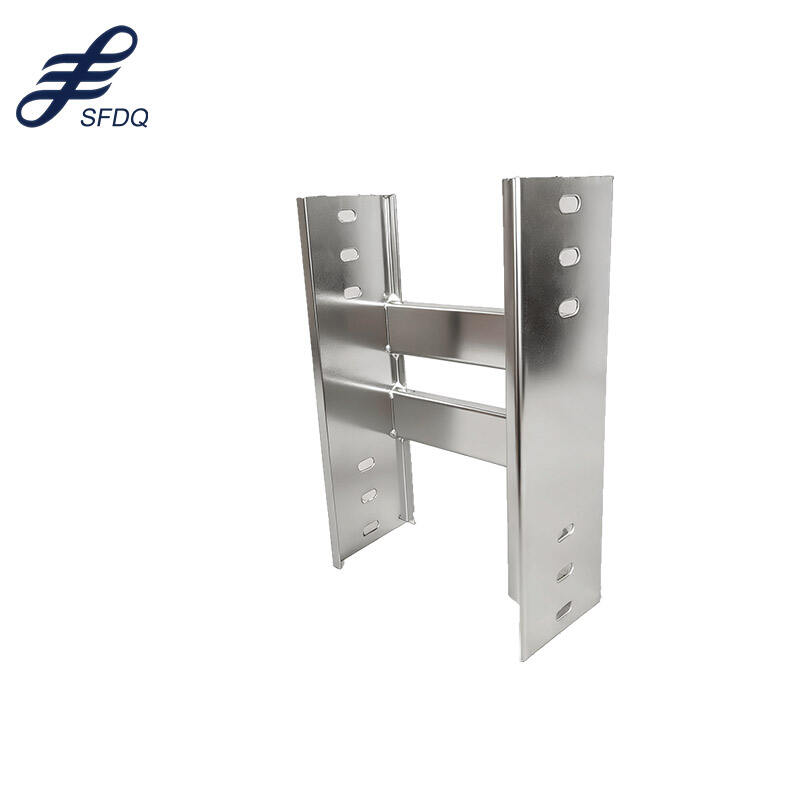
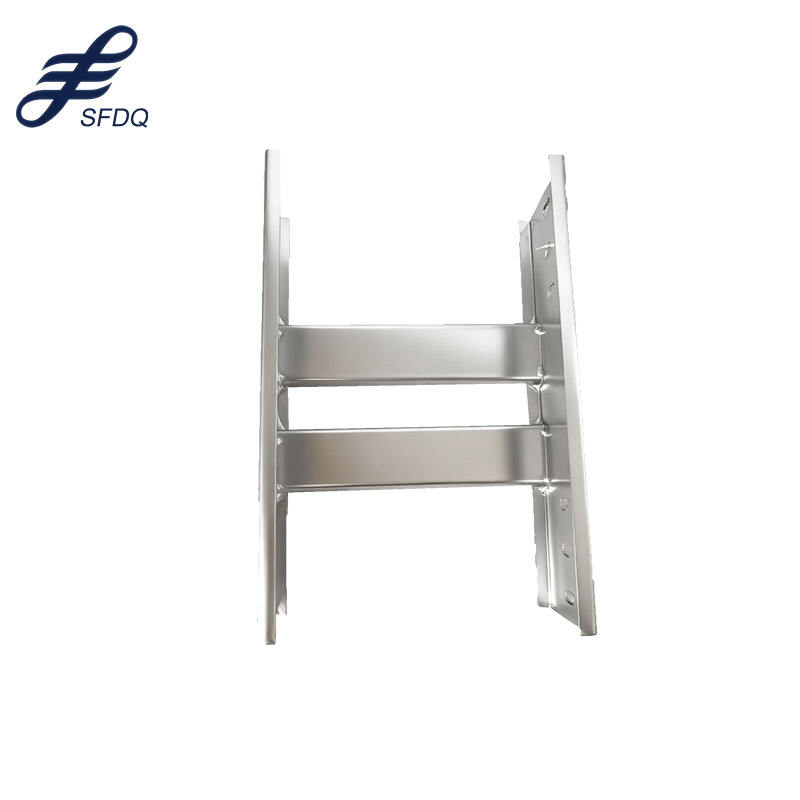
Ladder rack cable management represents a sophisticated infrastructure solution designed to organize, protect, and route electrical cables and data wiring systems throughout commercial, industrial, and residential environments. This comprehensive system utilizes a ladder-like framework constructed from durable materials such as galvanized steel, aluminum, or fiberglass, providing exceptional support for heavy cable loads while maintaining accessibility for maintenance and future installations. The primary function of ladder rack cable management involves creating organized pathways that prevent cable damage, reduce electromagnetic interference, and ensure compliance with safety regulations and building codes. The technological features of modern ladder rack systems include modular designs that allow for flexible configuration, corrosion-resistant coatings that extend operational lifespan, and ventilation properties that promote proper heat dissipation from high-power cables. These systems incorporate adjustable mounting brackets, versatile connection hardware, and standardized dimensions that facilitate seamless integration with existing infrastructure. The applications of ladder rack cable management span across diverse sectors including data centers, manufacturing facilities, telecommunications networks, power distribution systems, and building automation installations. In data centers, these systems manage fiber optic cables, ethernet connections, and power feeds while maintaining proper separation between different signal types. Manufacturing environments benefit from the robust construction that withstands industrial conditions while providing easy access for equipment modifications. Telecommunications installations rely on ladder rack systems to organize complex cable networks that connect switching equipment, servers, and distribution panels. The modular nature of ladder rack cable management enables scalable solutions that accommodate future expansion without requiring complete system replacement. Advanced designs incorporate features such as cable tie-down points, integrated labeling systems, and compatibility with cable management accessories like covers, dividers, and support bars. These systems significantly reduce installation time compared to traditional conduit methods while providing superior flexibility for system modifications and upgrades throughout the operational lifecycle of the infrastructure.
 EN
EN