Premium Ladder Cable Tray Fittings - Complete Guide to Features, Benefits & Applications

Get a Free Quote

Our representative will contact you soon.
Email
Name
Company Name
WhatsApp
Message
0/1000

ladder cable tray fittings

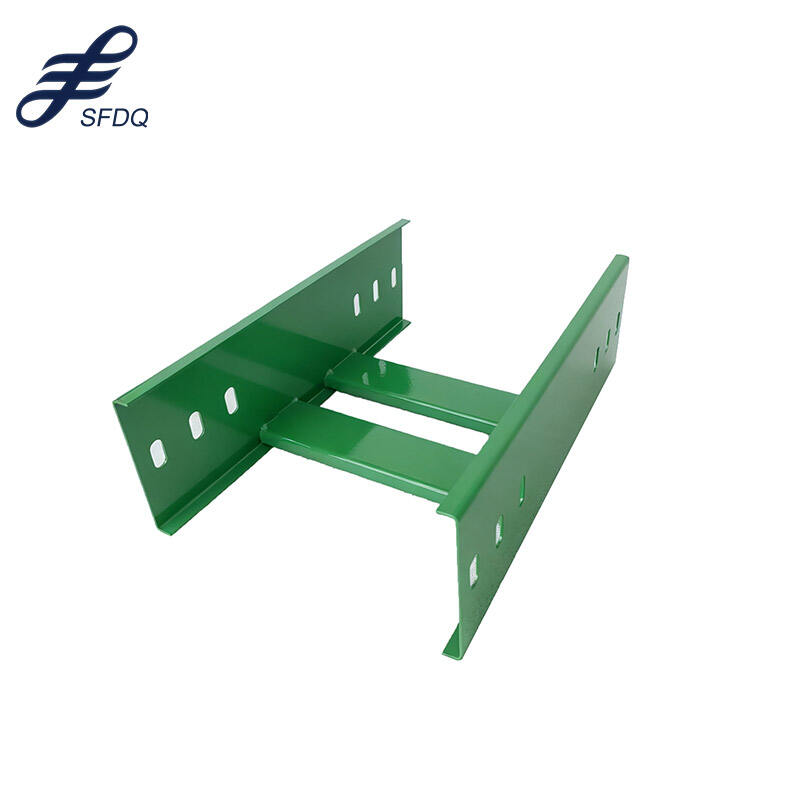
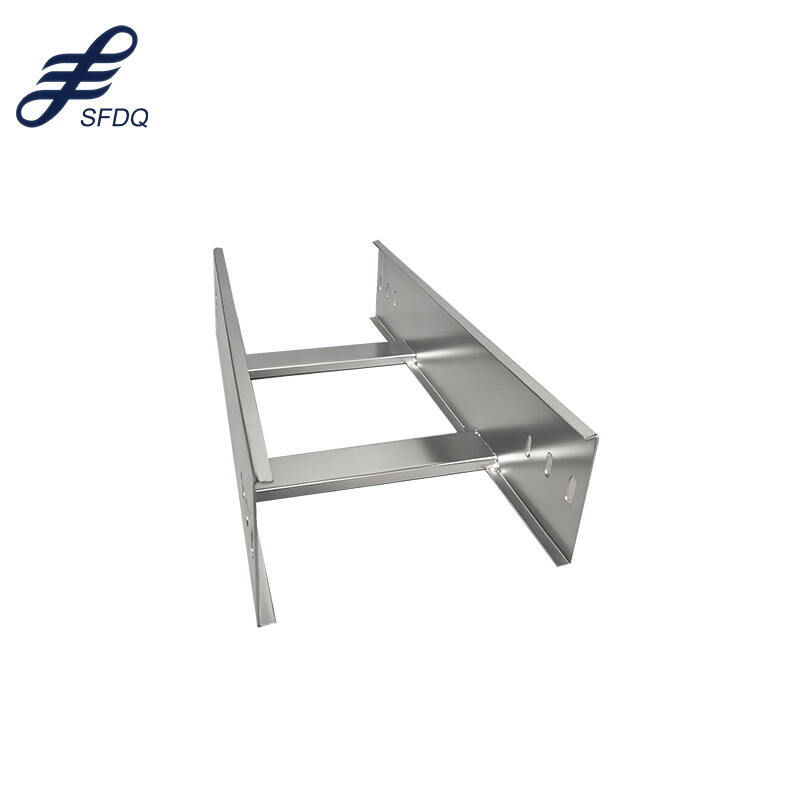
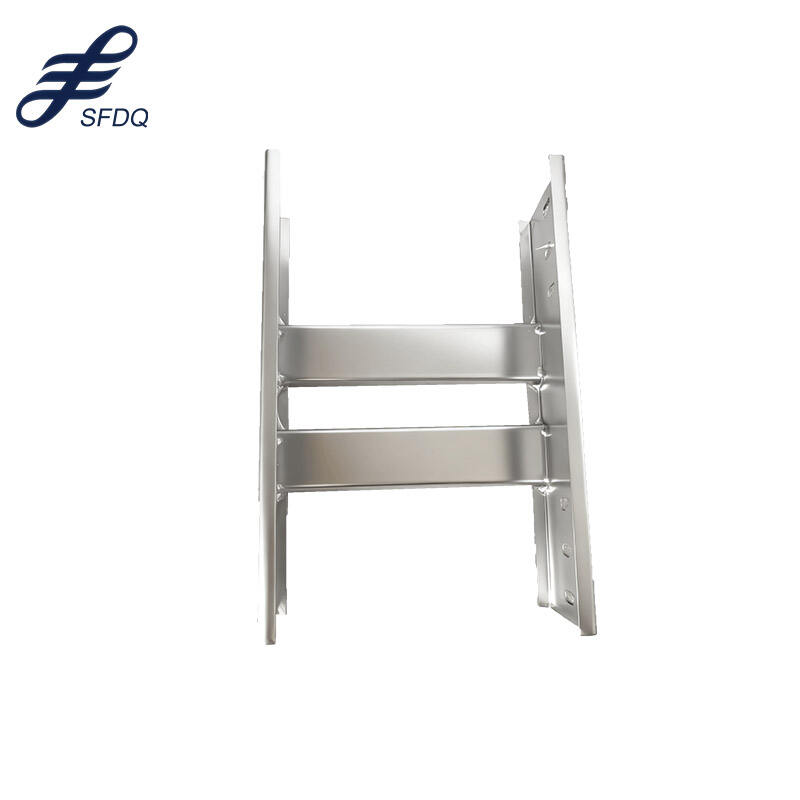
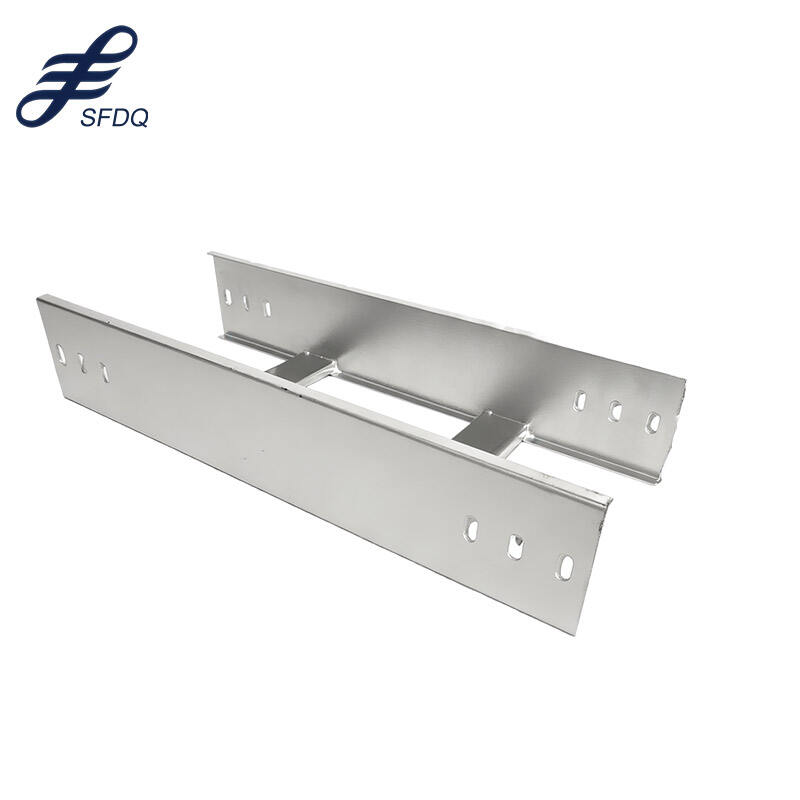
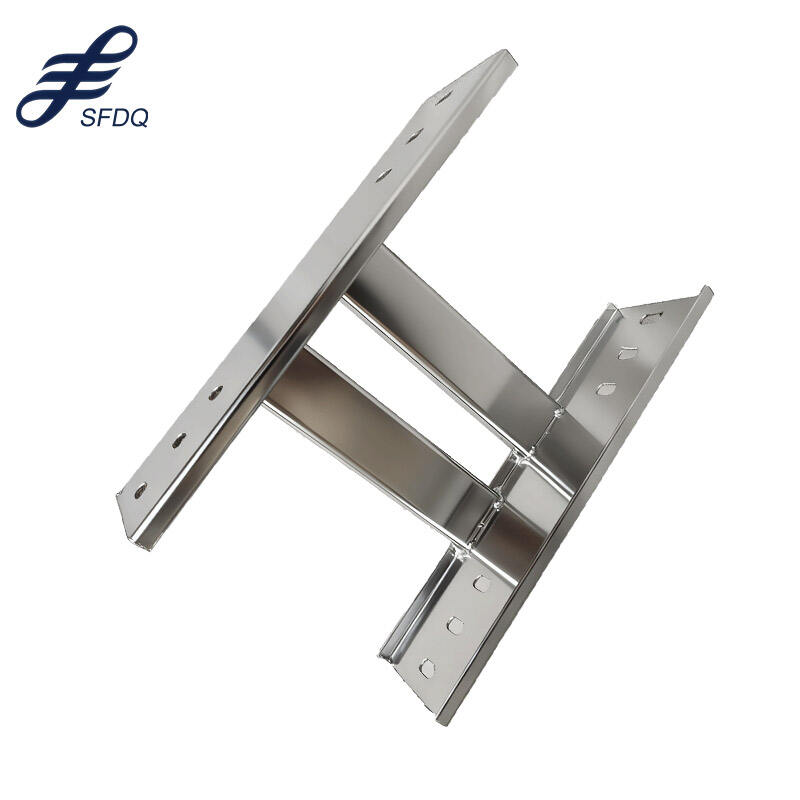
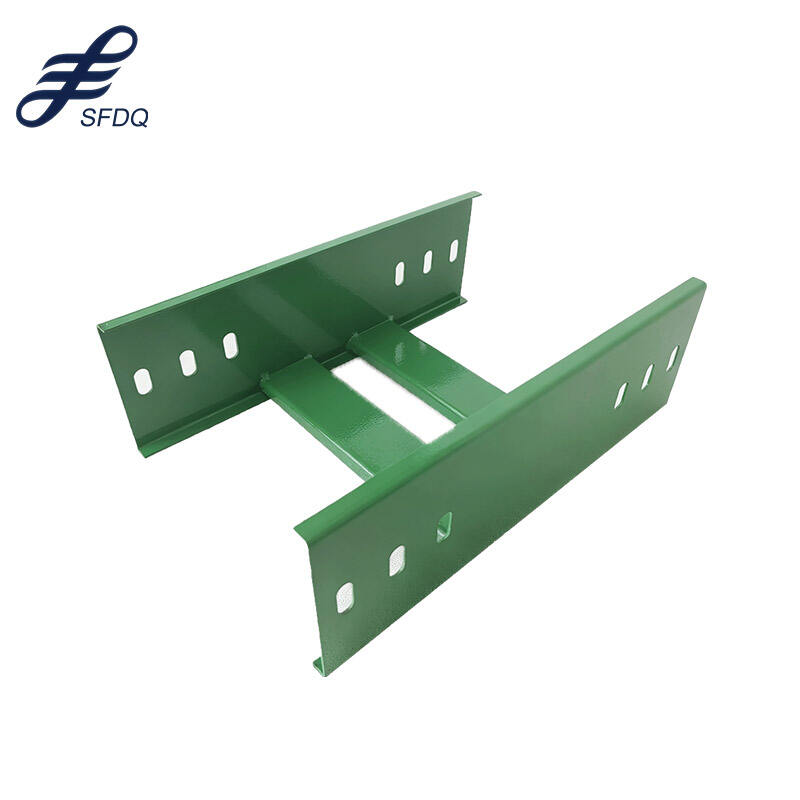
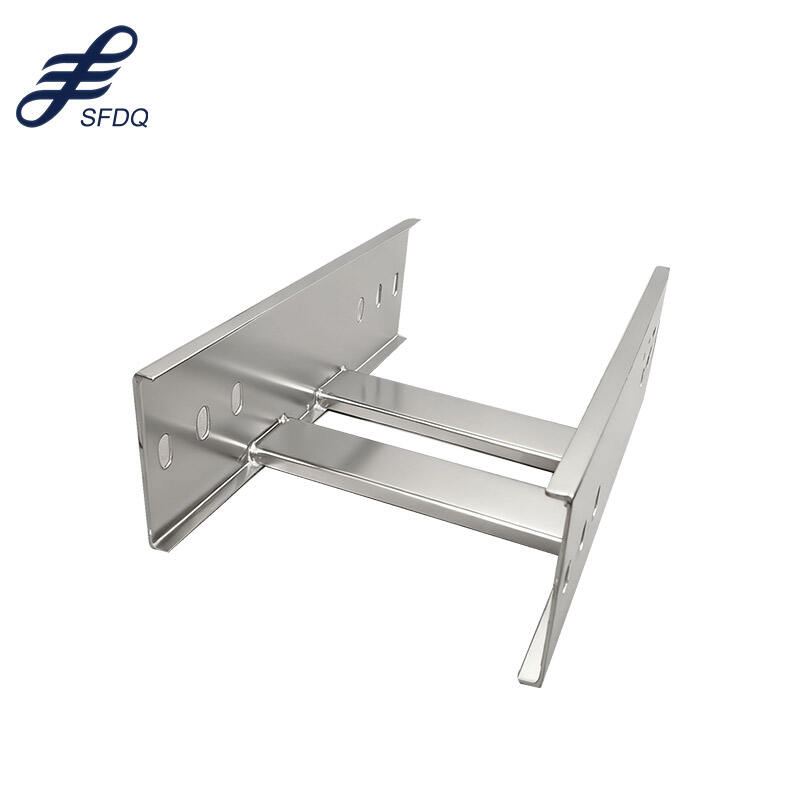
Ladder cable tray fittings represent essential components in modern electrical infrastructure systems, serving as the backbone for organized and efficient cable management solutions. These specialized ladder cable tray fittings are engineered to connect, support, and route electrical cables across various industrial, commercial, and residential environments. The primary function of ladder cable tray fittings involves creating secure pathways for power distribution, data transmission, and communication cables while maintaining optimal accessibility for maintenance and future installations. These fittings feature a distinctive ladder-like design with parallel side rails connected by rungs at regular intervals, providing exceptional ventilation and heat dissipation capabilities. The technological features of ladder cable tray fittings include corrosion-resistant materials such as galvanized steel, aluminum, or stainless steel construction, ensuring long-term durability in challenging environments. Advanced manufacturing processes incorporate precise engineering tolerances and standardized dimensions that guarantee seamless compatibility across different system components. The modular design philosophy allows for flexible configuration options, enabling engineers to create customized cable routing solutions that adapt to specific architectural requirements and spatial constraints. Applications for ladder cable tray fittings span numerous industries including manufacturing facilities, data centers, hospitals, educational institutions, and commercial buildings. These systems excel in environments requiring heavy-duty cable support, such as power plants, chemical processing facilities, and telecommunications infrastructure. The open design structure facilitates natural air circulation around cables, preventing overheating issues commonly associated with enclosed conduit systems. Installation versatility allows for horizontal, vertical, and angular mounting configurations, making ladder cable tray fittings suitable for complex routing scenarios. The standardized connection methods ensure rapid assembly and disassembly, reducing installation time and labor costs. Modern ladder cable tray fittings incorporate safety features such as rounded edges, secure locking mechanisms, and load-bearing certifications that meet international electrical codes and safety standards, providing reliable performance in mission-critical applications.

Popular Products

Ladder cable tray fittings deliver exceptional value through numerous practical advantages that directly benefit project outcomes and operational efficiency. The open ladder design provides superior cable ventilation compared to enclosed systems, preventing heat buildup that can damage sensitive electrical components and reduce equipment lifespan. This enhanced cooling capability allows for higher cable density installations while maintaining optimal operating temperatures. Installation simplicity stands as a major advantage, as ladder cable tray fittings require minimal tools and specialized training for proper assembly. The lightweight construction reduces structural load requirements on buildings, potentially eliminating the need for additional support structures and reducing overall project costs. Maintenance accessibility represents another significant benefit, as the open design allows technicians to easily inspect, add, or remove cables without dismantling entire sections of the tray system. This accessibility translates into reduced downtime during maintenance operations and lower long-term operational costs. The modular nature of ladder cable tray fittings enables system expansion and reconfiguration without major infrastructure modifications. Companies can adapt their cable management systems as business needs evolve, protecting initial investments and avoiding costly complete system replacements. Cost-effectiveness emerges from multiple factors including reduced material costs, faster installation times, and lower labor requirements compared to traditional conduit systems. The standardized components ensure consistent quality and reliable performance across all system elements. Flexibility in routing options allows engineers to navigate around obstacles and architectural features efficiently, minimizing cable length requirements and associated costs. The robust construction materials provide excellent resistance to environmental factors such as moisture, chemicals, and temperature fluctuations, ensuring reliable operation in demanding industrial environments. Safety improvements include reduced fire hazard risks due to improved heat dissipation and easier emergency access for firefighting operations. The visual inspection capabilities allow for proactive identification of potential problems before they cause system failures. Quality ladder cable tray fittings meet rigorous international standards, providing assurance of performance reliability and regulatory compliance. These systems support sustainable practices through recyclable materials and energy-efficient designs that contribute to green building certifications and environmental responsibility goals.

Tips And Tricks

​Cable Tray: The Backbone of Efficient Cable Management - From SFDQ Factory

20

Nov

​Cable Tray: The Backbone of Efficient Cable Management - From SFDQ Factory

View More
Why Choose SFDQ’s Cable Tray?

20

Nov

Why Choose SFDQ’s Cable Tray?

View More
Unlock the Power of Factory Cable Trays with CE and ISO Certifications

20

Nov

Unlock the Power of Factory Cable Trays with CE and ISO Certifications

View More
SFDQ Participates in Saudi Exhibitions

05

Dec

SFDQ Participates in Saudi Exhibitions

Bringing High-Quality Cable Trays to Deepen Presence in the Middle East Infrastructure Market​
View More

Get a Free Quote

Our representative will contact you soon.
Email
Name
Company Name
WhatsApp
Message
0/1000

ladder cable tray fittings

Superior Load Distribution and Structural Integrity

Superior Load Distribution and Structural Integrity

The engineering excellence of ladder cable tray fittings manifests through their exceptional load distribution capabilities and structural integrity design principles. These systems utilize precisely calculated rung spacing and side rail dimensions to distribute cable weight evenly across the entire support structure, preventing stress concentration points that could lead to system failure. The parallel side rail configuration creates a rigid framework that maintains dimensional stability under varying load conditions, ensuring consistent performance throughout the system's operational lifespan. Advanced metallurgical processes enhance the structural properties of ladder cable tray fittings, incorporating high-strength materials that resist deformation under heavy cable loads while maintaining flexibility for thermal expansion and contraction. The interconnected rung system functions as a distributed support network, transferring loads efficiently from individual cable contact points to the primary support structure. This design approach eliminates the need for frequent intermediate supports, reducing installation complexity and material costs. Quality control measures during manufacturing ensure consistent mechanical properties across all components, providing predictable performance characteristics for engineering calculations. The structural integrity extends beyond static load considerations to include dynamic loading scenarios such as seismic events and vibration conditions commonly encountered in industrial environments. Finite element analysis and rigorous testing protocols validate the load-bearing capabilities of ladder cable tray fittings, ensuring compliance with international safety standards and building codes. The robust construction handles not only the weight of installed cables but also accommodates future additions and modifications without compromising system integrity. Professional engineers rely on the documented load ratings and structural specifications to design safe and efficient cable management systems that protect valuable electrical infrastructure investments. The proven track record of ladder cable tray fittings in demanding applications demonstrates their reliability and reinforces confidence in their structural performance capabilities.
Exceptional Versatility and Installation Flexibility

Exceptional Versatility and Installation Flexibility

Ladder cable tray fittings demonstrate remarkable versatility through their comprehensive range of connection options and installation flexibility features that accommodate diverse project requirements and challenging architectural environments. The standardized fitting system includes straight sections, bends, tees, crosses, reducers, and specialized transition pieces that enable seamless routing solutions around obstacles and through complex building geometries. This extensive component library allows engineers to create continuous cable pathways without compromising system integrity or requiring custom fabrication. The modular approach facilitates pre-planning and precise material estimation, reducing waste and ensuring optimal resource utilization. Installation flexibility extends to multiple mounting methods including ceiling suspension, wall mounting, floor support, and overhead bridge configurations that adapt to various structural conditions and spatial constraints. The adjustable support systems accommodate different ceiling heights and allow for precise leveling across uneven surfaces, ensuring professional installation results in challenging environments. Field modification capabilities enable on-site adjustments and customizations without specialized equipment or extensive rework, reducing project timelines and labor costs. The component compatibility across different manufacturers following industry standards provides procurement flexibility and ensures long-term availability of replacement parts and system expansions. Ladder cable tray fittings support both indoor and outdoor installations through appropriate material selections and protective coatings that resist environmental degradation. The system versatility extends to cable type compatibility, accommodating power cables, data cables, fiber optic cables, and control wiring within the same tray structure while maintaining proper separation requirements. Integration capabilities with other building systems such as HVAC, lighting, and structural elements create comprehensive infrastructure solutions that maximize space utilization and minimize installation conflicts. The adaptable design principles ensure compatibility with evolving technology requirements and changing operational needs, providing long-term value and system longevity that justifies initial investment decisions.
Enhanced Safety and Compliance Features

Enhanced Safety and Compliance Features

Safety excellence and regulatory compliance represent paramount considerations in the design and manufacturing of ladder cable tray fittings, incorporating multiple layers of protection and standardized features that ensure safe operation and installation practices. The open ladder design inherently reduces fire hazard risks by promoting natural ventilation around cables, preventing heat accumulation that could contribute to ignition sources or accelerate fire spread. The structural configuration allows for effective fire suppression system coverage and provides clear visibility for inspection and emergency response activities. Safety-focused design elements include rounded edges and smooth surfaces that minimize injury risks during installation and maintenance operations, while secure locking mechanisms prevent accidental disconnections that could create electrical hazards. Comprehensive testing protocols validate the electrical and mechanical safety characteristics of ladder cable tray fittings, ensuring compliance with national and international codes including NEC, IEC, and local electrical regulations. The grounding and bonding capabilities provide effective electrical continuity throughout the system, maintaining proper safety ground paths and reducing shock hazards. Material certifications verify chemical resistance properties and environmental stability, ensuring safe operation in various industrial atmospheres without degradation that could compromise safety performance. The load-bearing certifications provide documented proof of structural safety margins, enabling engineers to specify systems with confidence in their ability to support intended cable loads without failure. Quality assurance programs implement rigorous inspection procedures that verify dimensional accuracy, material properties, and finish quality to maintain consistent safety standards across all manufactured components. Installation safety benefits from the lightweight construction and ergonomic design features that reduce physical strain on workers and minimize lifting hazards during assembly operations. The visual inspection capabilities enabled by the open design support proactive safety maintenance programs that identify potential problems before they develop into hazardous conditions, supporting overall electrical safety objectives and protecting personnel and property investments.
Inquiry Inquiry Email Email Tel Tel TopTop

Get a Free Quote

Our representative will contact you soon.
Email
Name
Company Name
WhatsApp
Message
0/1000