GI Ladder Cable Tray - Durable Galvanized Iron Cable Management Solutions

Get a Free Quote

Our representative will contact you soon.
Email
Name
Company Name
WhatsApp
Message
0/1000

gi ladder cable tray

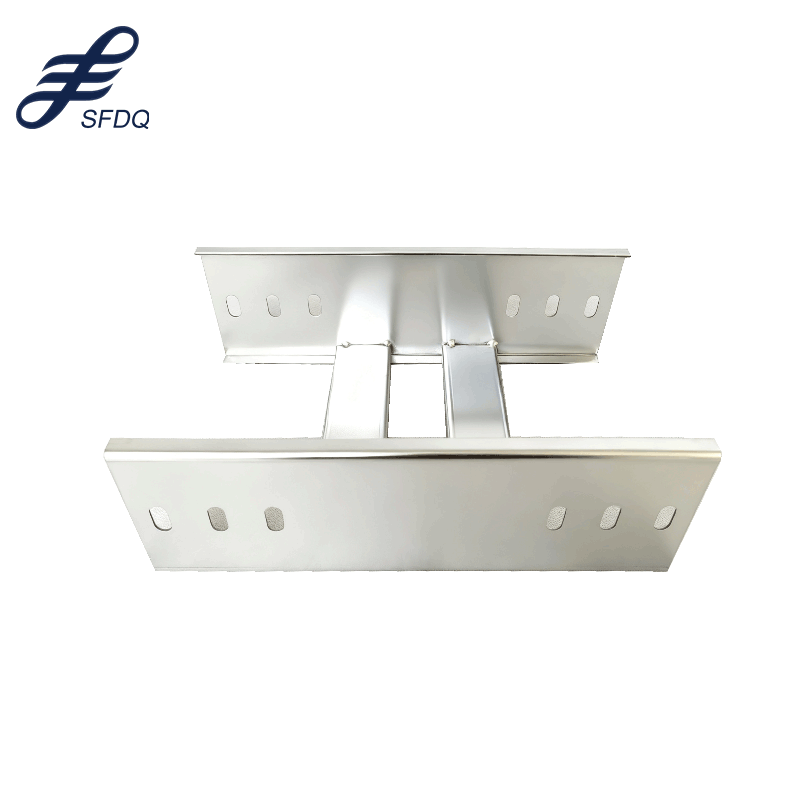
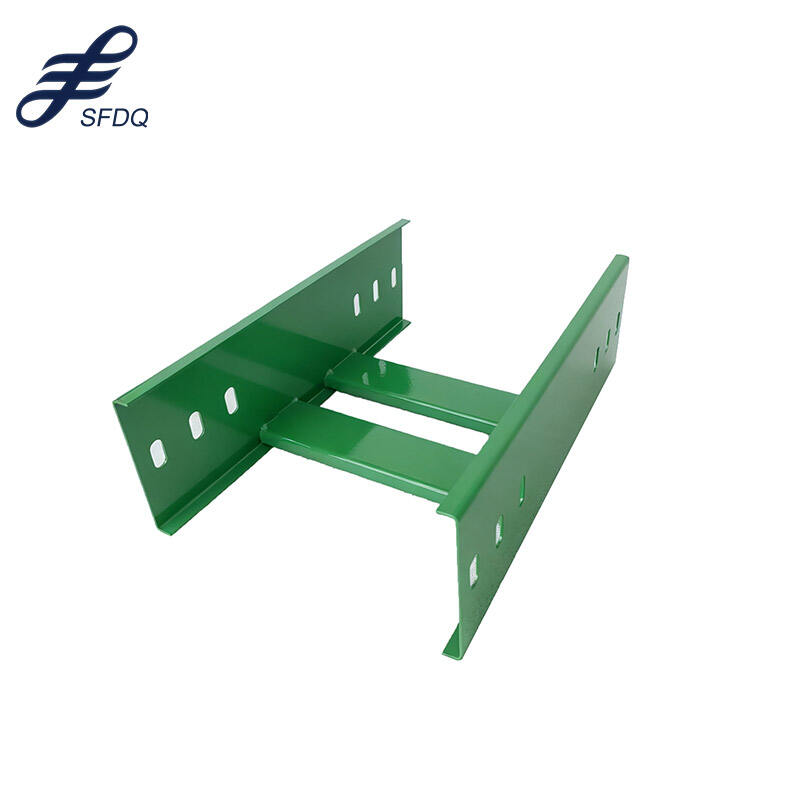
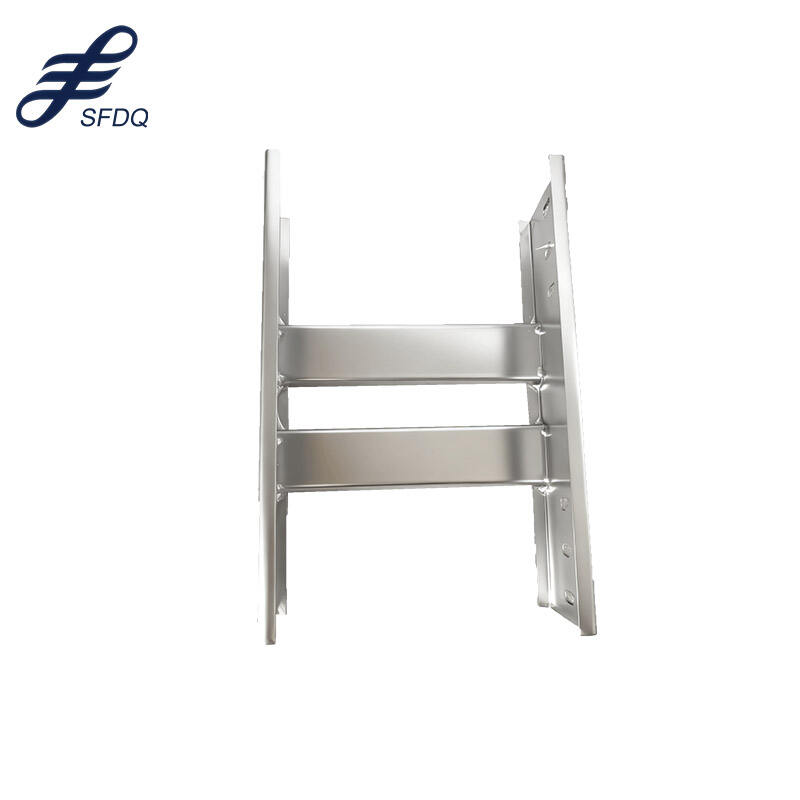
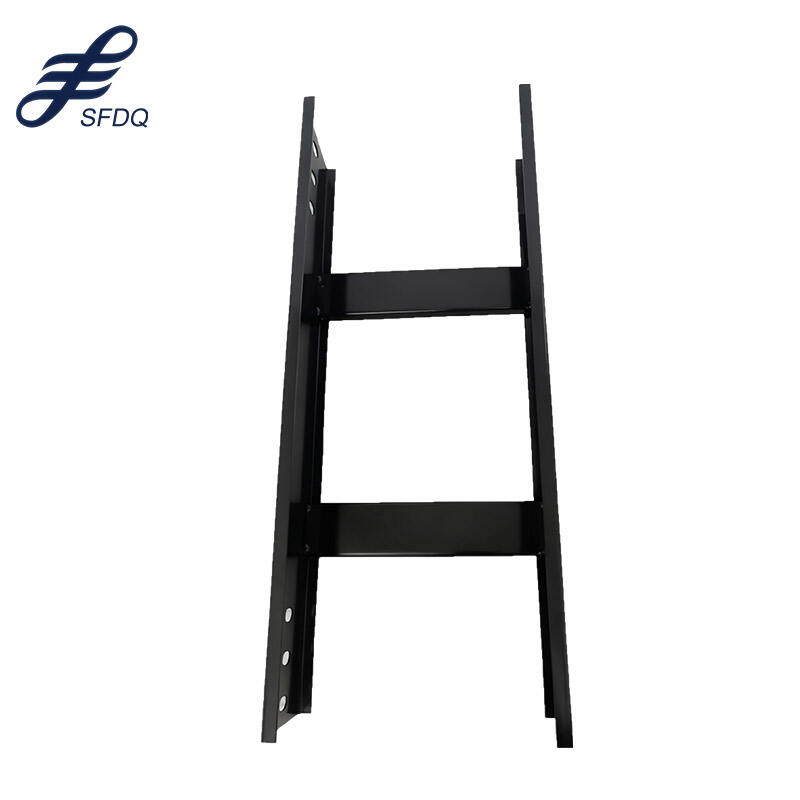
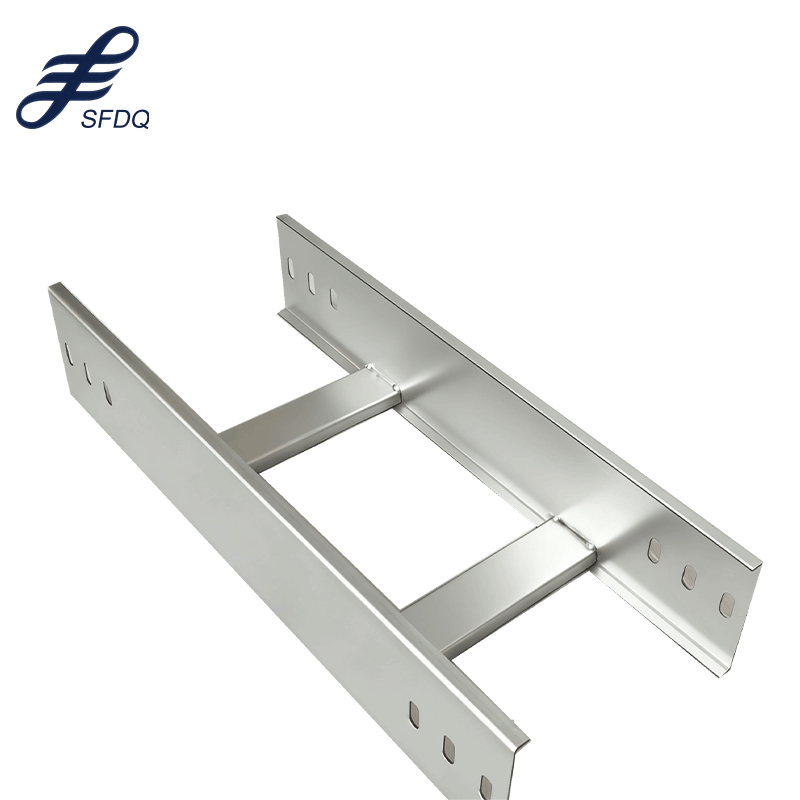
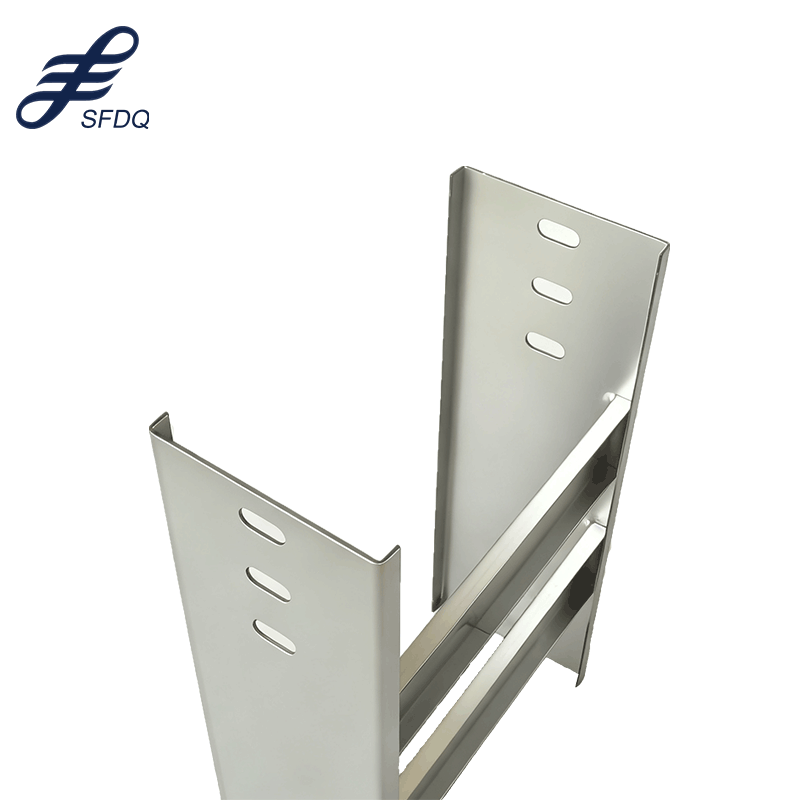
The gi ladder cable tray represents a fundamental infrastructure component designed for systematic cable management in industrial and commercial environments. This galvanized iron construction delivers exceptional durability while maintaining cost-effectiveness for extensive cable routing applications. The gi ladder cable tray features a distinctive ladder-like design with parallel side rails connected by evenly spaced rungs, creating an open framework that facilitates optimal cable organization and accessibility. This structural configuration allows cables to rest naturally on the rungs while providing adequate ventilation and heat dissipation. The galvanized coating process involves applying a protective zinc layer to the iron substrate, significantly enhancing corrosion resistance and extending operational lifespan. Manufacturing processes ensure precise dimensional accuracy and consistent quality across all gi ladder cable tray components. The modular design enables seamless integration with various accessories including connectors, brackets, and support hardware. Installation procedures are straightforward, requiring minimal specialized tools or complex preparation. The gi ladder cable tray accommodates multiple cable types simultaneously, from power transmission lines to data communication cables. Structural engineering principles guide the load-bearing capacity calculations, ensuring safe support for heavy cable bundles. The open architecture promotes natural air circulation, preventing heat buildup that could compromise cable performance. Quality control measures verify that each gi ladder cable tray meets international standards for electrical installations. The versatile mounting options include ceiling suspension, wall mounting, and floor support configurations. Regular maintenance requirements are minimal due to the robust galvanized construction. The gi ladder cable tray system adapts to complex routing requirements through specialized fittings and directional changes. Environmental considerations favor this solution due to the recyclable materials and sustainable manufacturing processes employed throughout production.

New Product Releases

The gi ladder cable tray offers numerous practical benefits that directly impact project efficiency and long-term operational success. Cost savings emerge as the primary advantage, with the gi ladder cable tray typically costing 30-40% less than stainless steel alternatives while delivering comparable performance in most applications. Installation speed increases dramatically compared to traditional conduit systems, as the gi ladder cable tray requires fewer mounting points and allows multiple cables to be laid simultaneously. Maintenance accessibility stands out as another significant benefit, enabling technicians to inspect, add, or remove cables without dismantling the entire system. The open design of the gi ladder cable tray promotes superior heat dissipation, reducing the risk of cable overheating and extending service life. Flexibility in system modification proves invaluable during facility expansions or reconfigurations, as the gi ladder cable tray easily accommodates additional cables or routing changes. The galvanized coating provides excellent protection against environmental factors including moisture, chemicals, and temperature fluctuations commonly encountered in industrial settings. Load distribution capabilities of the gi ladder cable tray ensure even weight distribution across support structures, minimizing stress concentrations and potential failure points. Space optimization becomes achievable through the compact profile of the gi ladder cable tray system, maximizing available headroom in mechanical rooms and corridors. Safety improvements result from the organized cable management that reduces trip hazards and simplifies emergency access procedures. The standardized components of the gi ladder cable tray system ensure compatibility across different manufacturers and facilitate future expansions. Quality assurance testing confirms that each gi ladder cable tray meets electrical code requirements and industry safety standards. Environmental resistance properties make the gi ladder cable tray suitable for both indoor and outdoor installations with appropriate specifications. The lightweight nature of the gi ladder cable tray reduces structural loading requirements while maintaining adequate strength for typical cable loads. Installation versatility allows the gi ladder cable tray to adapt to various architectural constraints and routing challenges encountered in modern buildings.

Practical Tips

​Cable Tray: The Backbone of Efficient Cable Management - From SFDQ Factory

20

Nov

​Cable Tray: The Backbone of Efficient Cable Management - From SFDQ Factory

View More
Why Choose SFDQ’s Cable Tray?

20

Nov

Why Choose SFDQ’s Cable Tray?

View More
Unlock the Power of Factory Cable Trays with CE and ISO Certifications

20

Nov

Unlock the Power of Factory Cable Trays with CE and ISO Certifications

View More
SFDQ Participates in Saudi Exhibitions

05

Dec

SFDQ Participates in Saudi Exhibitions

Bringing High-Quality Cable Trays to Deepen Presence in the Middle East Infrastructure Market​
View More

Get a Free Quote

Our representative will contact you soon.
Email
Name
Company Name
WhatsApp
Message
0/1000

gi ladder cable tray

Superior Corrosion Protection Through Advanced Galvanization

Superior Corrosion Protection Through Advanced Galvanization

The gi ladder cable tray incorporates state-of-the-art galvanization technology that delivers unmatched protection against corrosive elements commonly found in industrial environments. This advanced coating process involves hot-dip galvanizing, where the base iron material undergoes thorough surface preparation before immersion in molten zinc at temperatures exceeding 450 degrees Celsius. The resulting metallurgical bond creates multiple protective layers, including a gamma layer, delta layer, and pure zinc outer coating that work synergistically to prevent oxidation and corrosion. This comprehensive protection system enables the gi ladder cable tray to withstand exposure to chemicals, salt spray, humidity, and temperature variations that would quickly degrade unprotected metal surfaces. The galvanized coating thickness typically ranges from 50 to 85 microns, providing decades of maintenance-free service in standard industrial applications. Field testing demonstrates that properly galvanized gi ladder cable tray systems maintain structural integrity and aesthetic appearance for 25-30 years in typical service conditions. The self-healing properties of zinc coating mean that minor scratches or abrasions automatically develop protective oxide films that prevent further degradation. This remarkable durability translates into substantial cost savings over the product lifecycle, as facility managers avoid frequent replacement cycles and associated downtime costs. The gi ladder cable tray galvanization process also enhances the material's resistance to alkaline and acidic conditions commonly encountered in chemical processing facilities. Environmental sustainability benefits from this longevity, reducing waste generation and resource consumption associated with premature replacements. Quality control procedures ensure uniform coating distribution across all gi ladder cable tray surfaces, including complex geometric areas and weld zones. The superior corrosion protection makes the gi ladder cable tray an ideal choice for challenging environments including marine installations, wastewater treatment plants, and heavy manufacturing facilities where equipment longevity directly impacts operational profitability.
Exceptional Load-Bearing Capacity with Lightweight Design

Exceptional Load-Bearing Capacity with Lightweight Design

The engineering excellence of the gi ladder cable tray manifests in its remarkable ability to support substantial cable loads while maintaining an optimally lightweight profile that simplifies installation and reduces structural requirements. Advanced structural analysis techniques guide the design process, ensuring that each gi ladder cable tray configuration maximizes load-bearing efficiency through strategic material distribution and geometric optimization. The ladder-style construction distributes loads uniformly across the supporting framework, eliminating stress concentration points that could lead to premature failure. Typical gi ladder cable tray systems support distributed loads ranging from 75 to 150 pounds per linear foot, depending on specific dimensional configurations and support spacing requirements. The high strength-to-weight ratio achieved through precise engineering enables the gi ladder cable tray to handle heavy power cables, fiber optic bundles, and control wiring simultaneously without exceeding safe working loads. Load testing protocols verify that each gi ladder cable tray design maintains adequate safety factors under both static and dynamic loading conditions. The lightweight characteristics significantly reduce installation labor requirements, as smaller crews can safely handle longer sections of gi ladder cable tray during construction phases. Transportation costs decrease proportionally due to the favorable weight characteristics, allowing more gi ladder cable tray sections per shipping container and reducing overall project logistics expenses. Structural integration becomes simplified when specifying gi ladder cable tray systems, as reduced dead loads minimize foundation requirements and support structure specifications. The optimized cross-sectional properties of the gi ladder cable tray rails and rungs achieve maximum structural efficiency while conserving raw materials. Deflection limits remain well within acceptable standards even under maximum rated loads, ensuring that cable installations maintain proper geometry and performance characteristics. The gi ladder cable tray design accommodates thermal expansion and contraction without compromising structural integrity or cable support functions. Installation versatility increases dramatically due to the manageable weight characteristics that enable mounting in locations where heavier alternatives would require additional structural reinforcement. Long-term performance data confirms that the gi ladder cable tray maintains its load-bearing capacity throughout its service life without degradation or fatigue-related failures.
Optimal Ventilation and Heat Management for Cable Longevity

Optimal Ventilation and Heat Management for Cable Longevity

The innovative open-framework design of the gi ladder cable tray creates an unparalleled ventilation system that actively promotes heat dissipation and maintains optimal operating temperatures for electrical and data cables. This natural cooling mechanism addresses one of the most critical factors affecting cable performance and longevity, as excessive heat buildup can significantly reduce cable capacity and accelerate insulation degradation. The ladder configuration allows unrestricted airflow around cable bundles from multiple directions, creating convective cooling patterns that continuously remove heat generated during normal operation. Thermal modeling studies demonstrate that cables installed in gi ladder cable tray systems operate 15-25% cooler compared to enclosed conduit installations under identical load conditions. The spacing between ladder rungs optimizes the balance between cable support and ventilation efficiency, ensuring adequate contact points while maximizing air circulation pathways. Heat dissipation effectiveness increases proportionally with the open area ratio of the gi ladder cable tray, allowing designers to select configurations that match specific thermal management requirements. The reduced operating temperatures directly translate into increased cable ampacity ratings, enabling higher current-carrying capacity without compromising safety or reliability standards. Thermal cycling stress decreases significantly when cables are installed in properly ventilated gi ladder cable tray systems, extending service life and reducing maintenance requirements. The natural ventilation provided by the gi ladder cable tray eliminates the need for mechanical cooling systems in many applications, reducing energy consumption and operational costs. Fire safety benefits emerge from the enhanced heat dissipation characteristics, as lower operating temperatures reduce the likelihood of cable overheating events that could trigger electrical fires. The gi ladder cable tray design facilitates heat transfer through both convection and radiation mechanisms, maximizing cooling efficiency under various environmental conditions. Installation flexibility allows the gi ladder cable tray to accommodate different cable types with varying heat generation characteristics while maintaining optimal thermal management. Long-term reliability studies confirm that cables installed in well-ventilated gi ladder cable tray systems experience significantly fewer thermal-related failures compared to enclosed installation methods. The cost-effectiveness of this passive cooling approach eliminates ongoing energy expenses associated with active thermal management systems while providing superior temperature control performance.
Inquiry Inquiry Email Email Tel Tel TopTop

Get a Free Quote

Our representative will contact you soon.
Email
Name
Company Name
WhatsApp
Message
0/1000