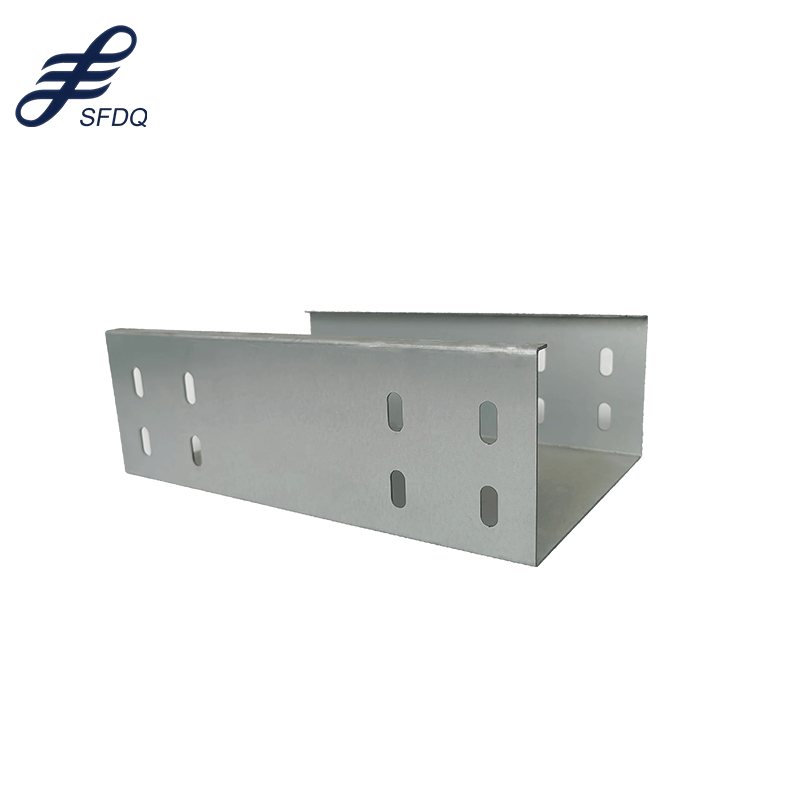
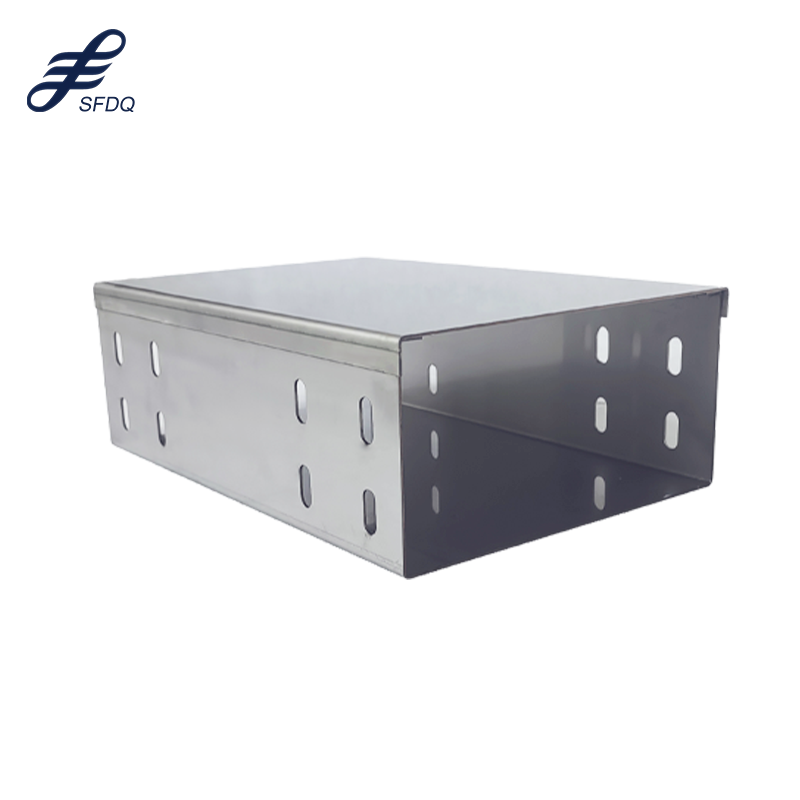
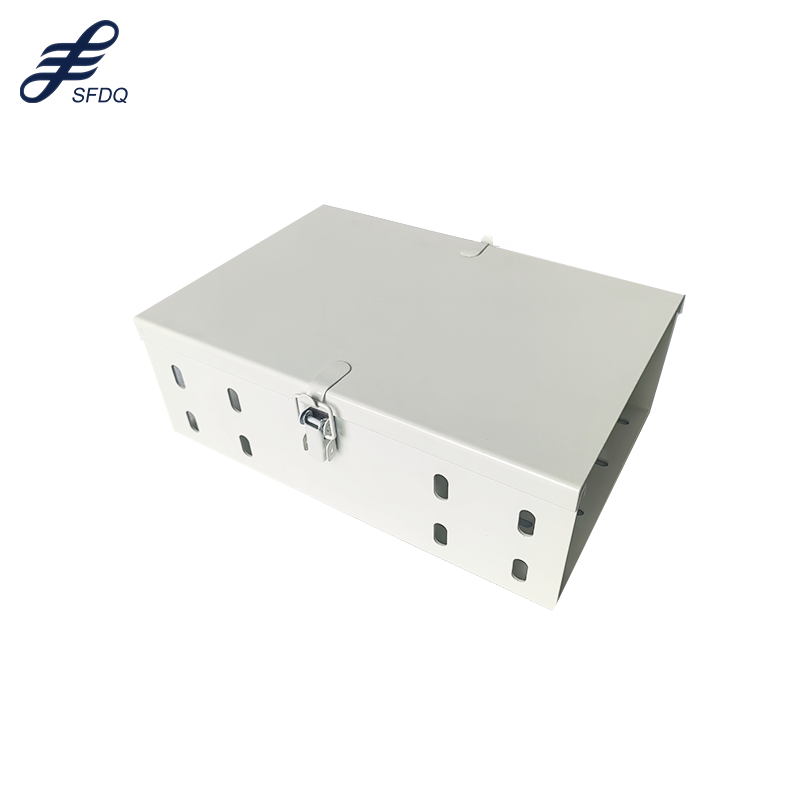
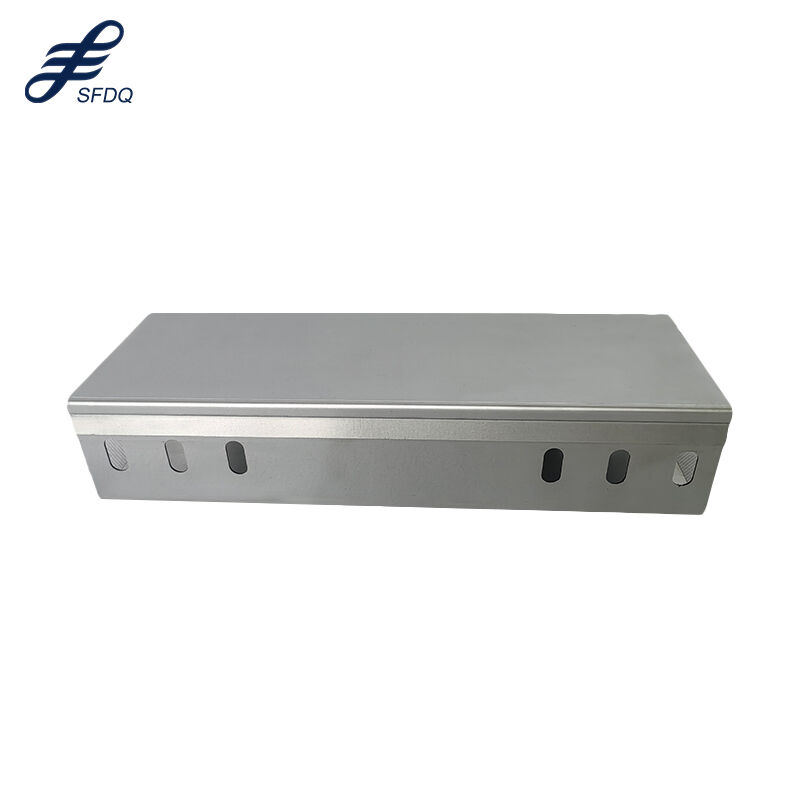
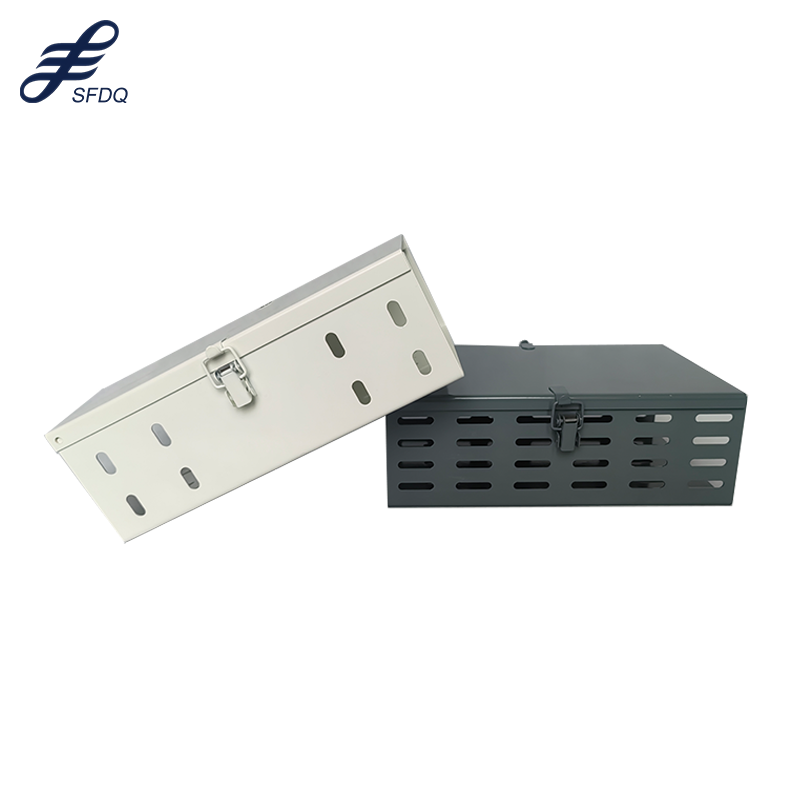
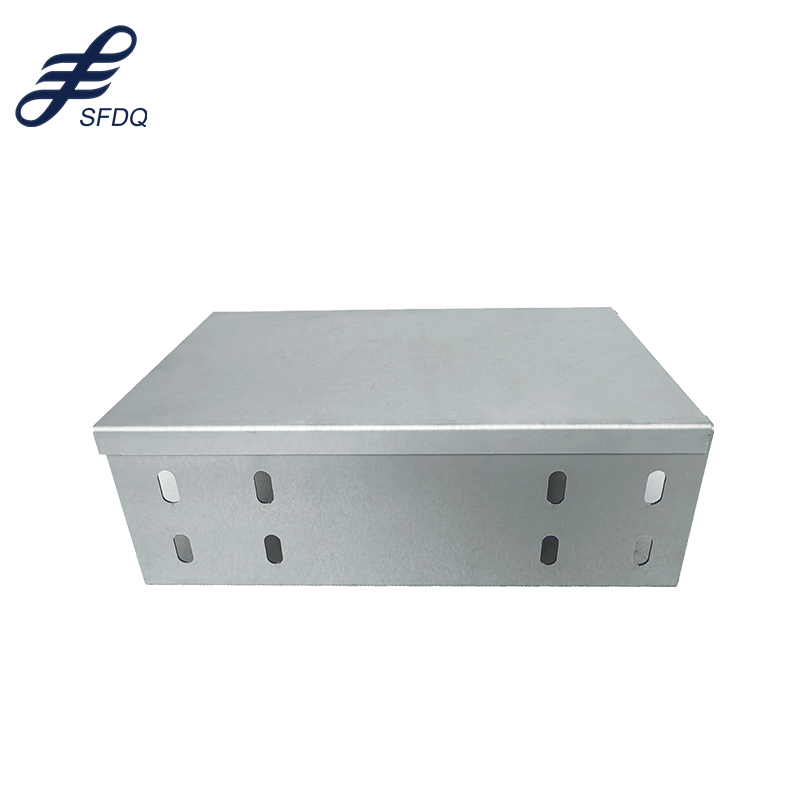
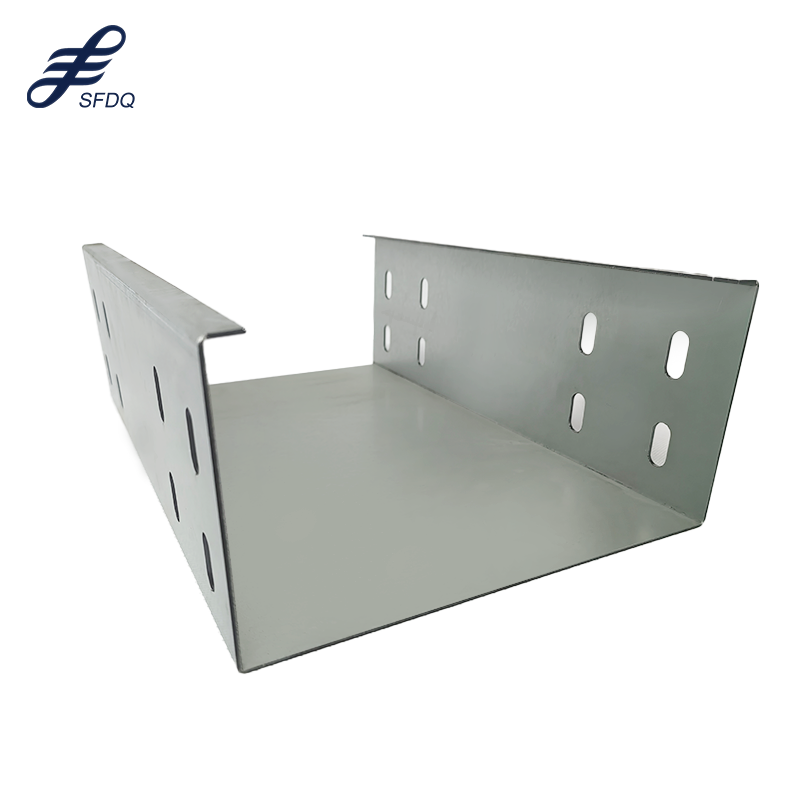
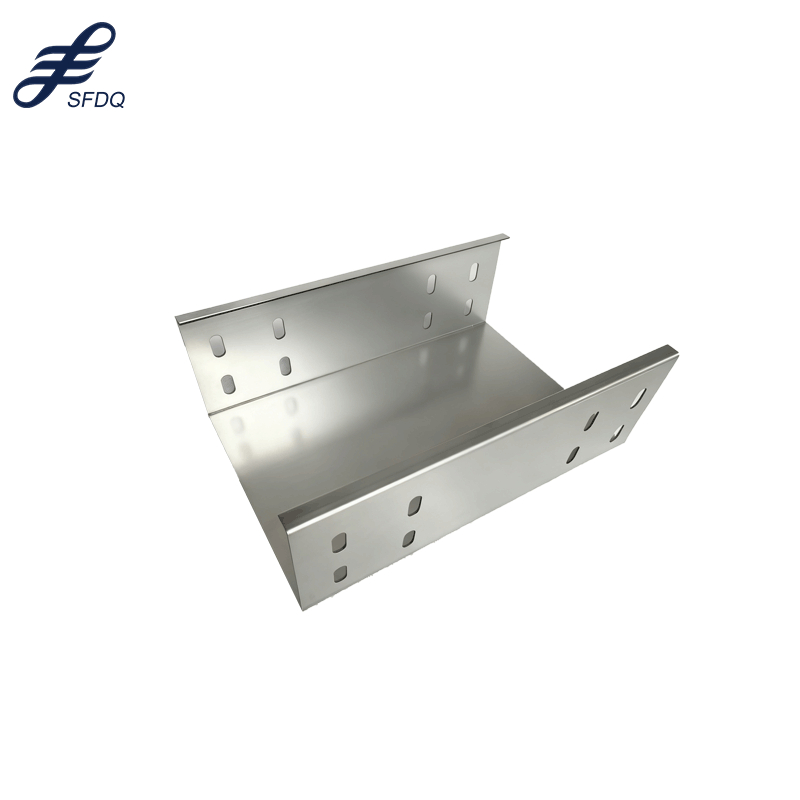
outside cable trunking
Outside cable trunking represents a sophisticated solution for protecting and organizing electrical cables in exterior environments where traditional indoor management systems prove inadequate. This robust infrastructure component serves as a protective pathway that shields cables from environmental hazards while maintaining organized routing throughout outdoor installations. The primary function of outside cable trunking involves creating secure channels that accommodate multiple cables simultaneously, ensuring proper separation between different voltage levels and cable types. These systems feature weather-resistant construction designed to withstand extreme temperatures, moisture infiltration, UV radiation, and mechanical impact that outdoor environments typically present. The technological framework incorporates advanced materials such as galvanized steel, aluminum alloys, or high-grade plastics that resist corrosion and maintain structural integrity over extended periods. Modern outside cable trunking systems integrate modular components that facilitate easy installation, modification, and maintenance while providing accessibility for future cable additions or replacements. The engineering design emphasizes ventilation properties that prevent moisture accumulation and heat buildup, critical factors for maintaining optimal cable performance and longevity. Applications span across diverse sectors including industrial facilities, commercial buildings, telecommunications infrastructure, power distribution networks, and renewable energy installations. Construction sites benefit significantly from these systems during temporary installations, while permanent installations in manufacturing plants, data centers, and utility substations rely on outside cable trunking for long-term cable protection. The versatility extends to residential applications where exterior lighting, security systems, and landscape installations require reliable cable management solutions. Transportation infrastructure, including airports, railways, and highway systems, depends on these protective pathways to ensure uninterrupted communication and power delivery. The modular nature allows customization for specific project requirements, accommodating varying cable quantities, sizes, and routing configurations while maintaining compliance with electrical safety standards and building codes.
 EN
EN