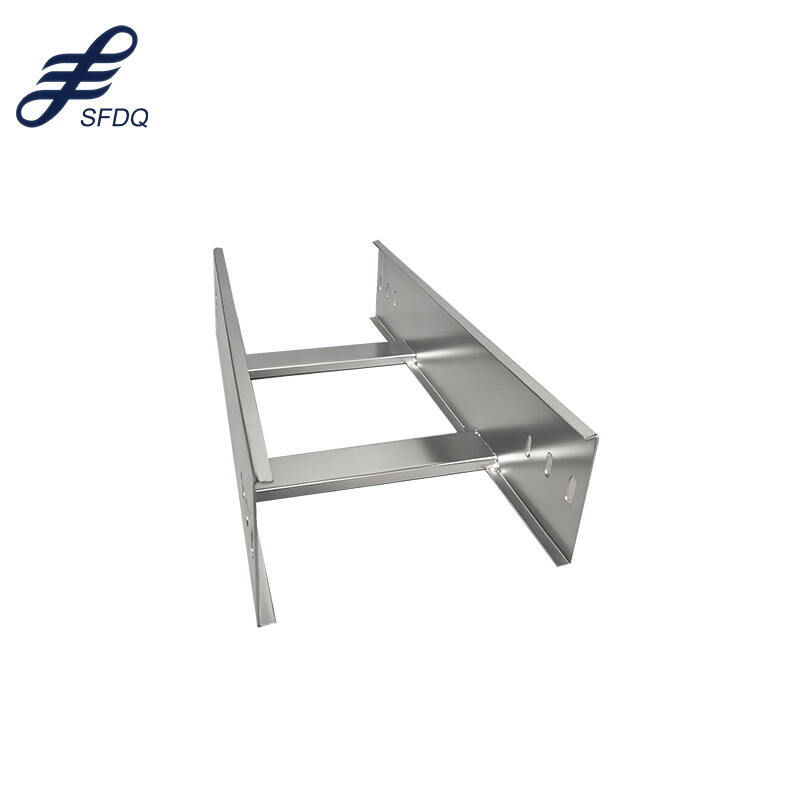
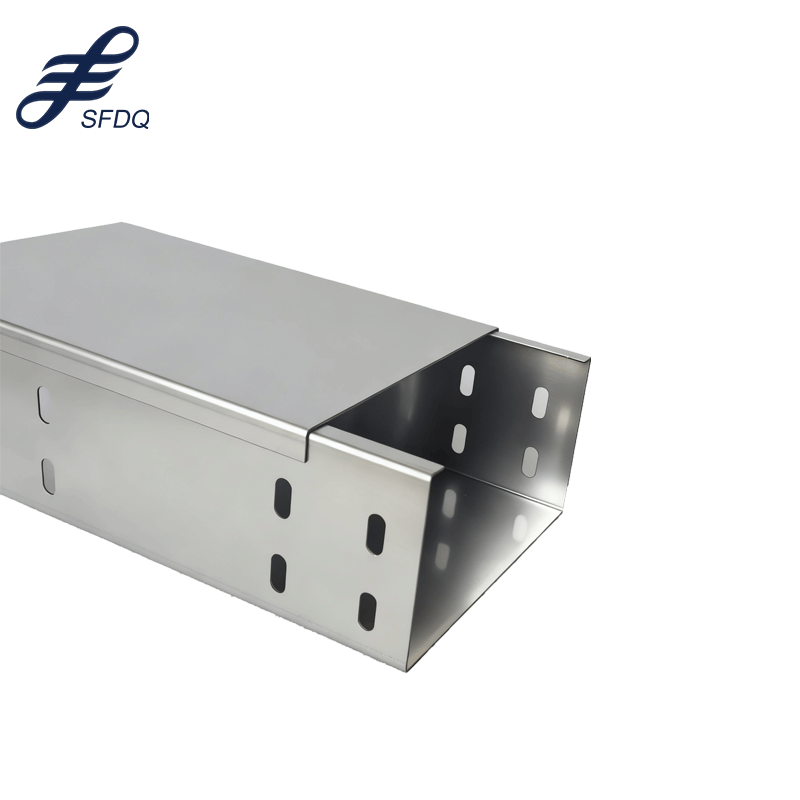
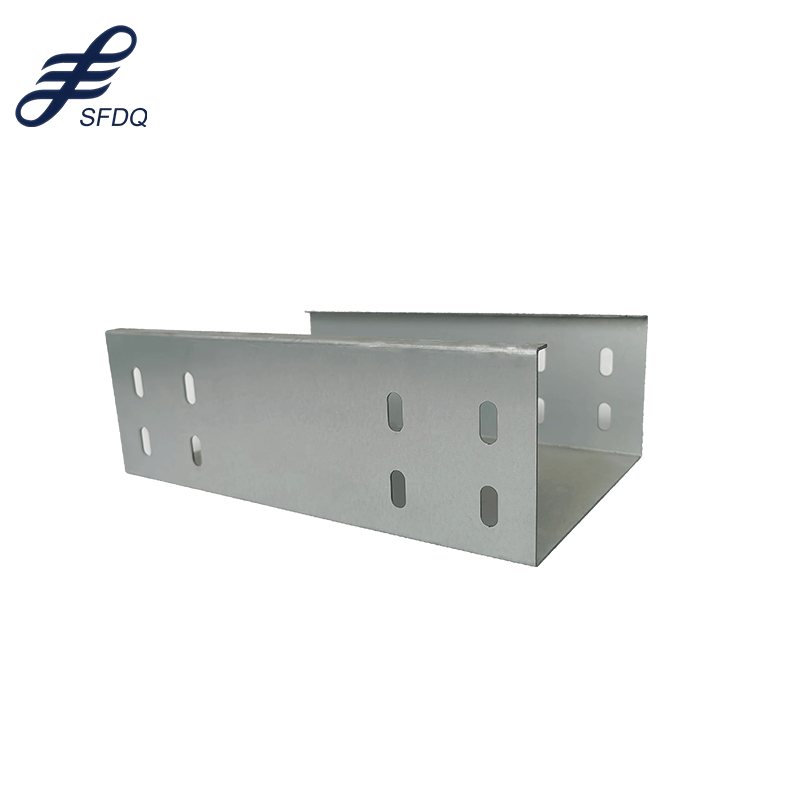
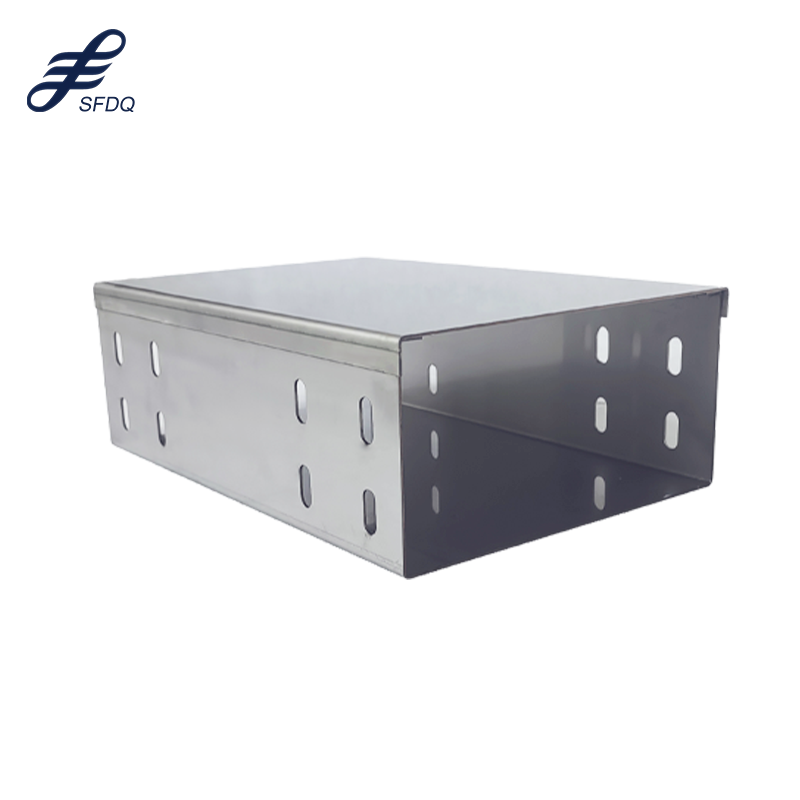
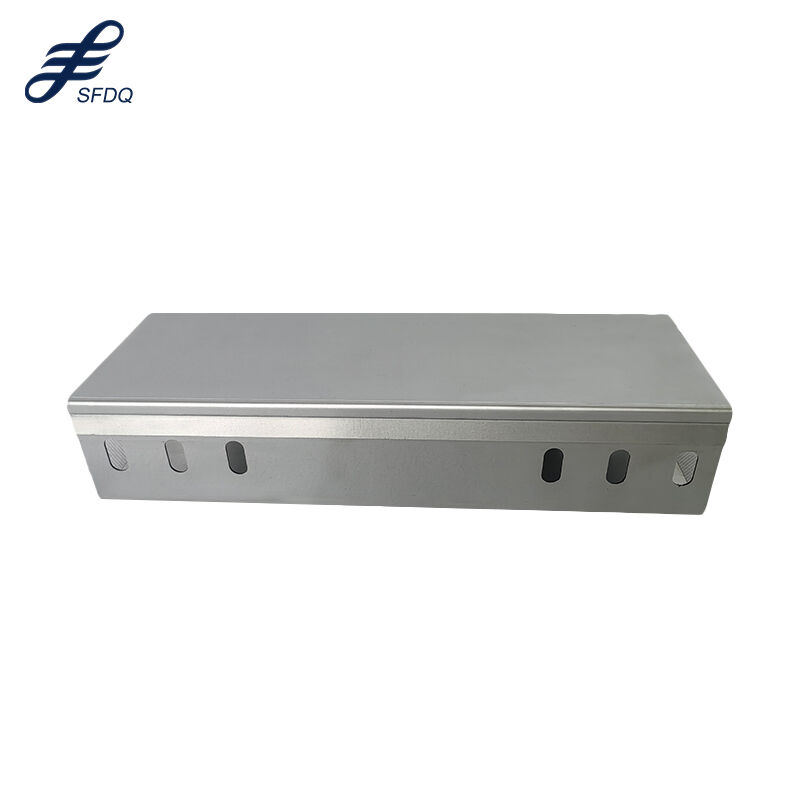
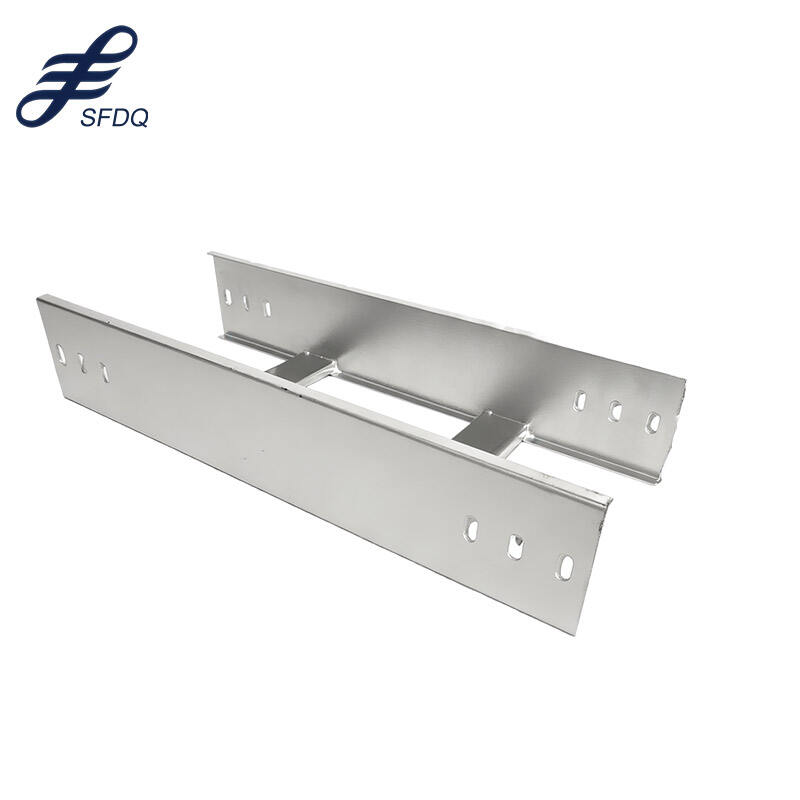
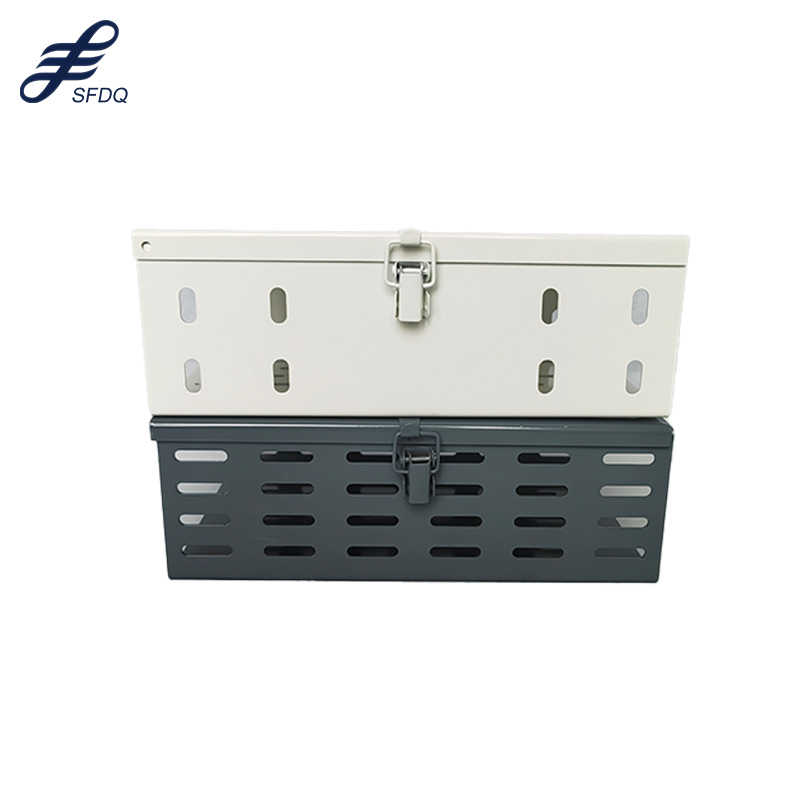
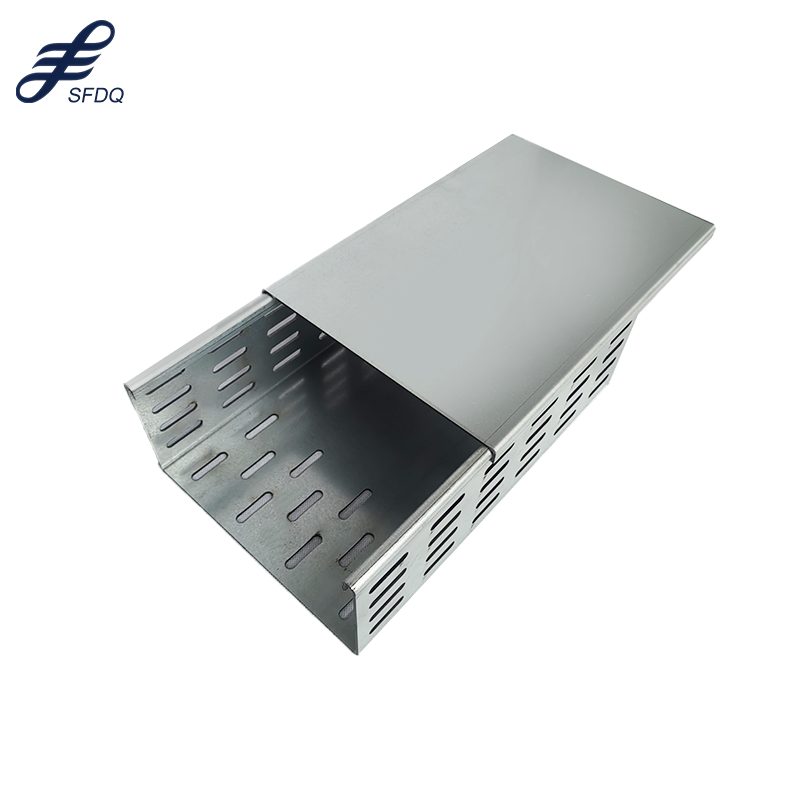
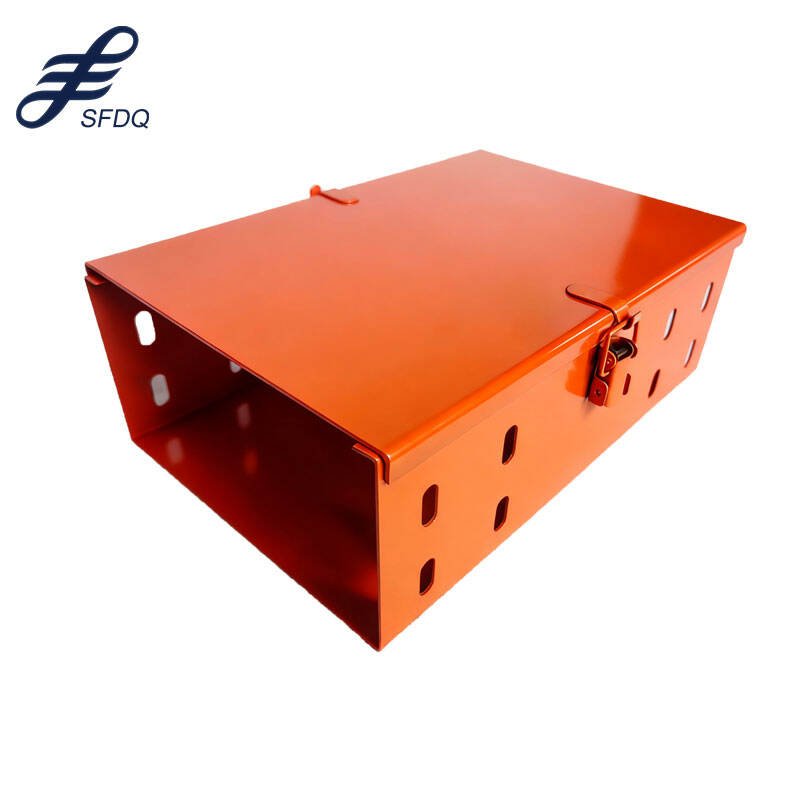
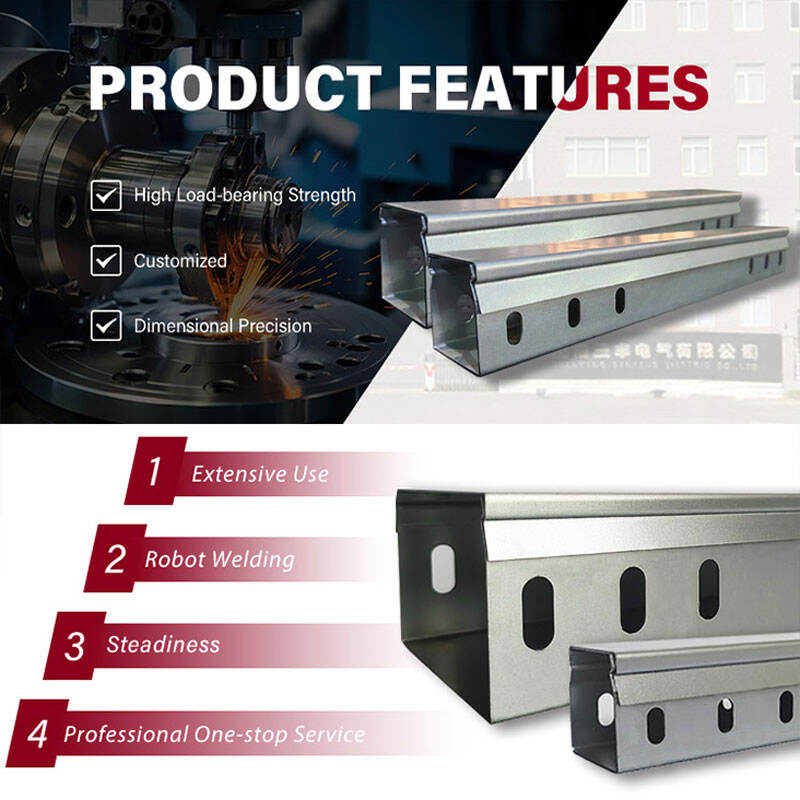
small cable tray
A small cable tray represents an essential infrastructure component designed to support, organize, and protect electrical cables in various installations. These compact cable management systems provide a structured pathway for electrical wiring while maintaining accessibility for maintenance and modifications. The small cable tray functions as a mechanical support system that eliminates the need for individual cable clamps or hangers, creating a more efficient and cost-effective solution for cable routing. Modern small cable tray systems feature modular construction that allows for easy installation and expansion. The primary function involves creating organized cable pathways that prevent cable damage from environmental factors, mechanical stress, and electromagnetic interference. These systems incorporate advanced materials such as galvanized steel, aluminum, or fiberglass reinforced plastic to ensure durability and corrosion resistance. Technological features include perforated bottoms for ventilation, which prevents heat buildup and extends cable lifespan. The design accommodates various cable types including power cables, control cables, and communication lines. Installation flexibility represents another key feature, as these trays can be mounted horizontally, vertically, or at angles to navigate around obstacles and architectural elements. The small cable tray system supports rapid cable installation through its open design, allowing technicians to lay cables quickly without threading through conduits. Fire-rated versions are available for applications requiring enhanced safety standards. The modular nature enables easy reconfiguration when system requirements change. Applications span across commercial buildings, industrial facilities, data centers, healthcare institutions, and residential complexes. These systems prove particularly valuable in environments where frequent cable modifications occur, as the open design allows easy access for additions or replacements. The small cable tray effectively addresses space constraints while maintaining proper cable separation and organization standards required by electrical codes and safety regulations.
 EN
EN