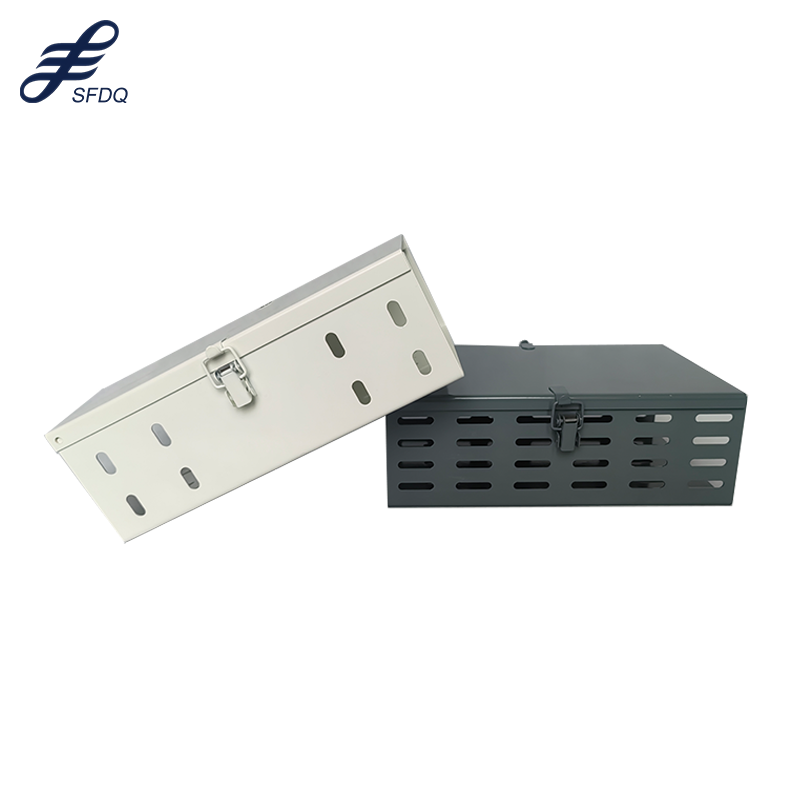
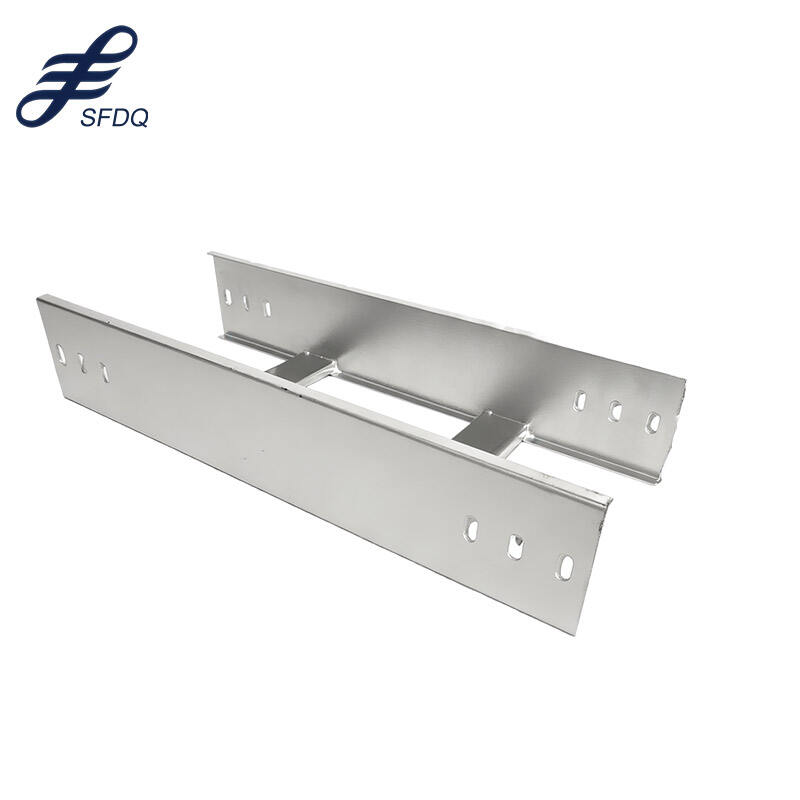
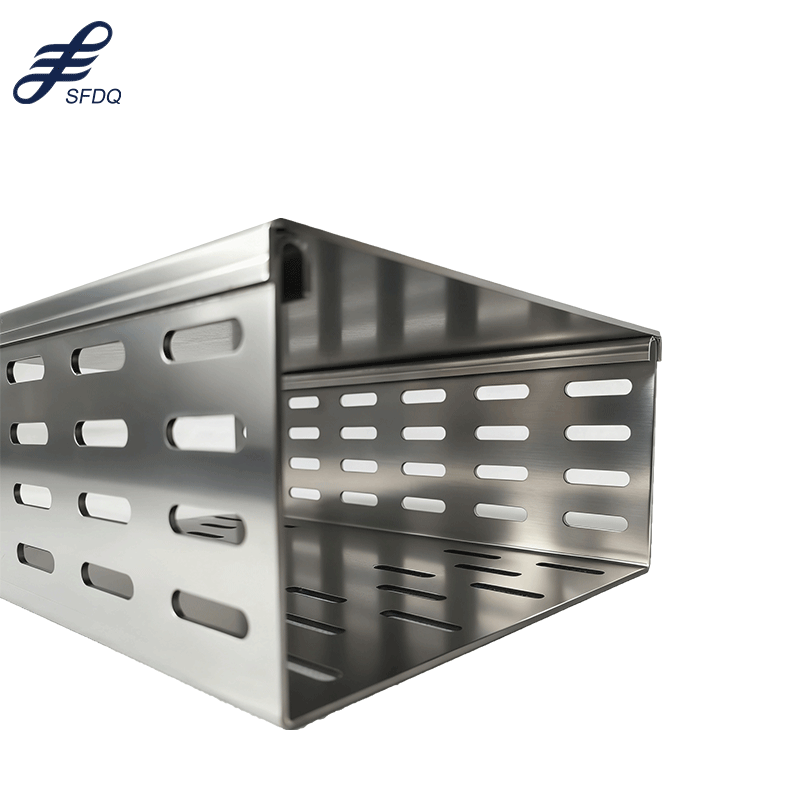
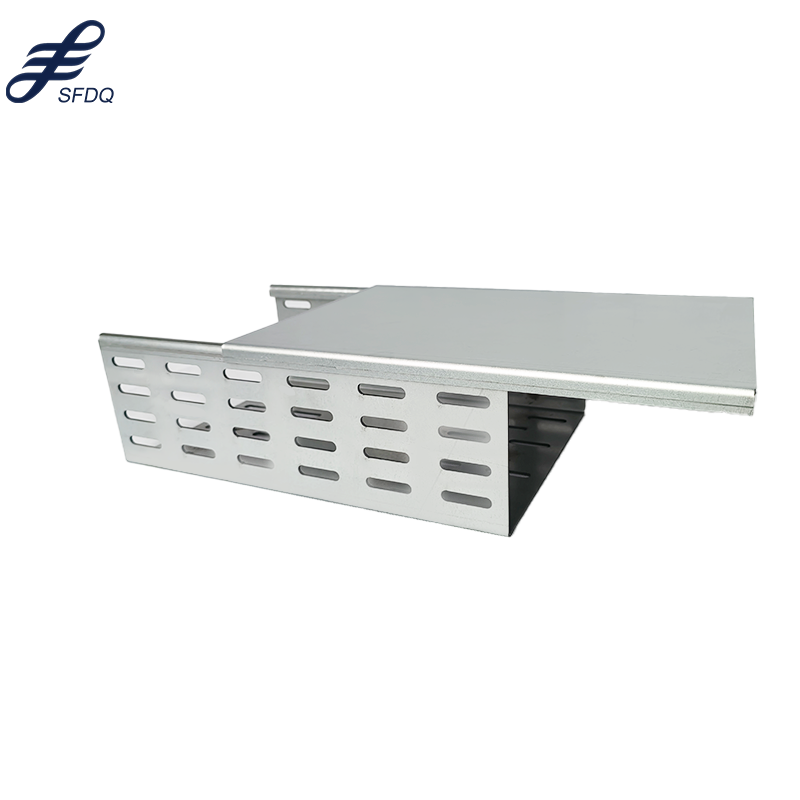
Professional Electrical Cable Rack Systems - Superior Cable Management Solutions

Get a Free Quote

Our representative will contact you soon.
Email
Name
Company Name
WhatsApp
Message
0/1000

electrical cable rack

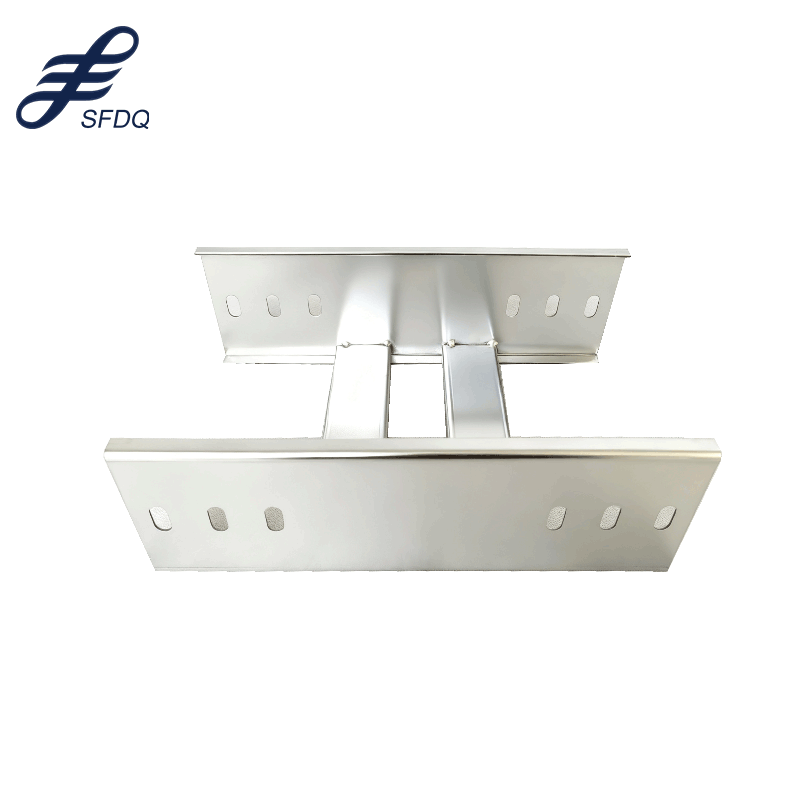
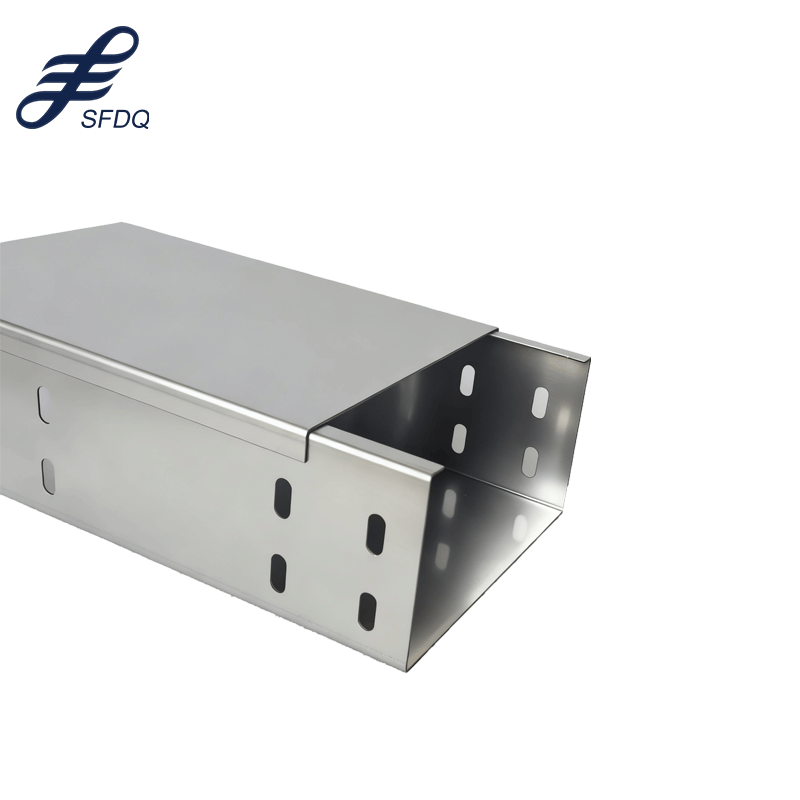
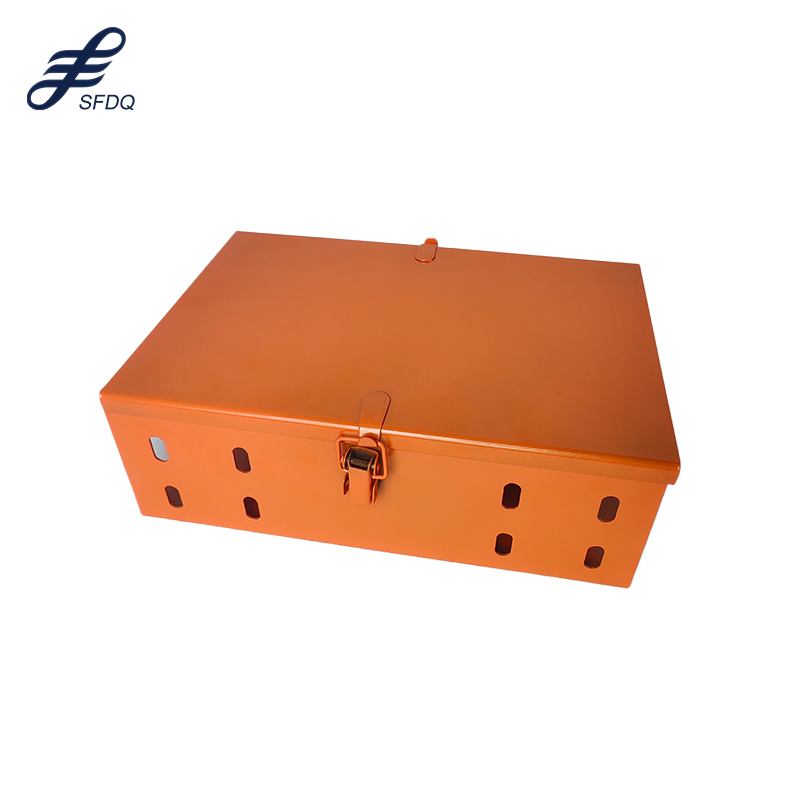
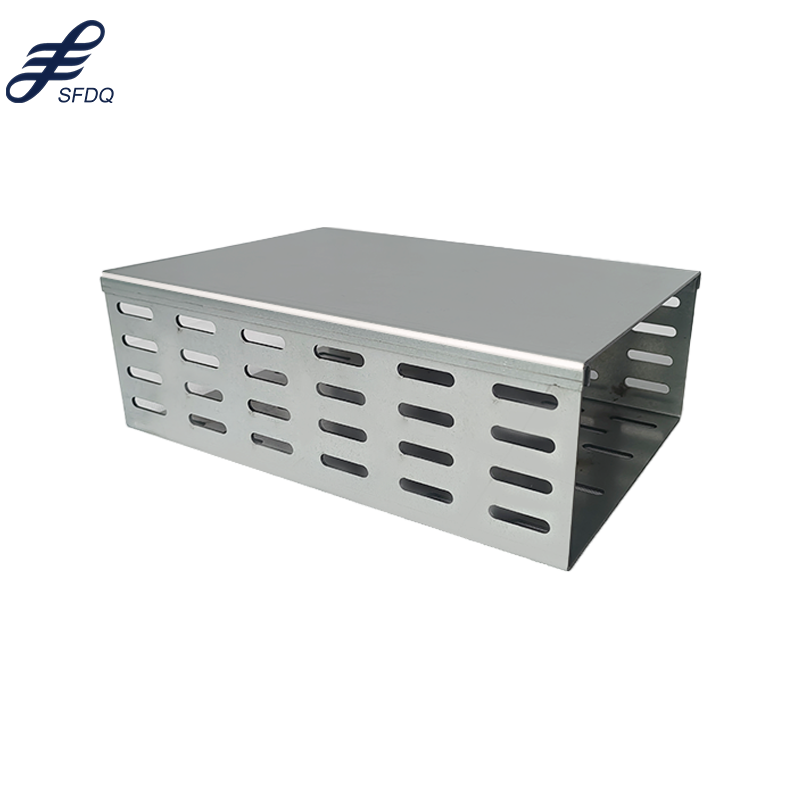
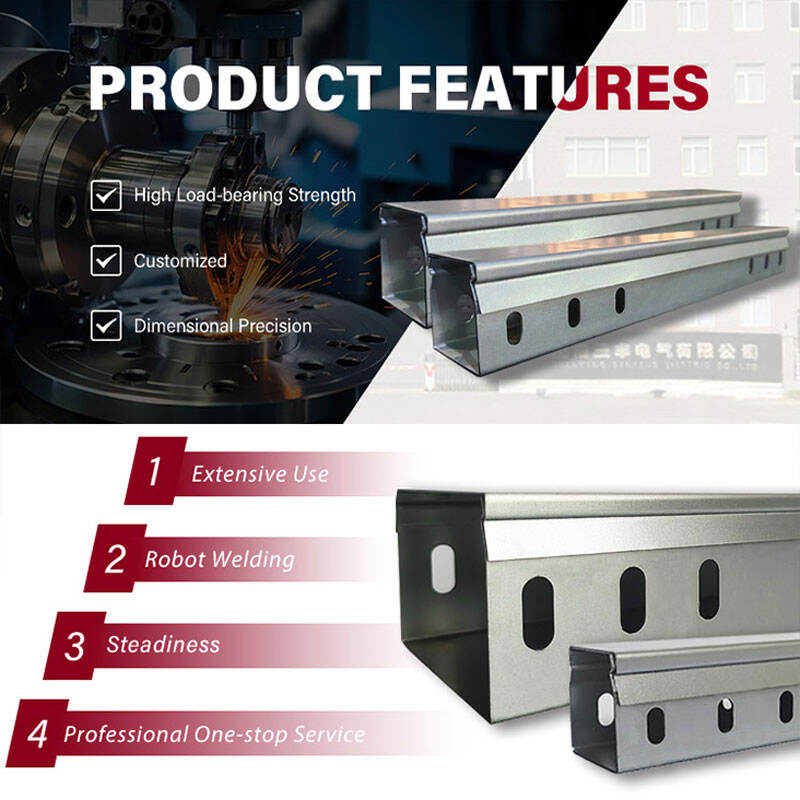
An electrical cable rack represents a fundamental infrastructure component designed to organize, support, and protect electrical cables in various commercial and industrial environments. This structured mounting system serves as the backbone for cable management solutions, ensuring optimal performance and safety across diverse applications. The electrical cable rack functions primarily as a systematic framework that eliminates cable clutter, reduces installation time, and enhances overall system reliability. These robust structures accommodate multiple cable types simultaneously, from power transmission lines to data communication cables, creating an organized pathway that facilitates easy maintenance and future expansions. Modern electrical cable rack systems incorporate advanced engineering principles that prioritize both functionality and durability. The technological features include corrosion-resistant materials such as galvanized steel or aluminum alloys, which ensure longevity even in challenging environmental conditions. Many contemporary designs feature modular construction, allowing customizable configurations that adapt to specific project requirements. The load-bearing capacity of these systems varies significantly, with heavy-duty variants capable of supporting substantial cable weights while maintaining structural integrity. Ventilation considerations are integrated into the design, promoting airflow that prevents heat buildup and extends cable lifespan. Applications for electrical cable rack systems span numerous industries and environments. Manufacturing facilities utilize these systems to organize complex wiring networks that power machinery and control systems. Data centers rely heavily on cable racks to manage extensive networking infrastructure while maintaining accessibility for upgrades and maintenance. Commercial buildings implement these solutions to create clean, professional appearances while ensuring code compliance. Healthcare facilities depend on reliable cable management for critical medical equipment connections. The versatility of electrical cable rack systems makes them indispensable for telecommunications infrastructure, renewable energy installations, and transportation networks where organized cable routing is essential for operational efficiency and safety standards.

New Products

The electrical cable rack delivers significant operational benefits that directly impact productivity and cost-effectiveness for businesses across various sectors. Organizations experience immediate improvements in system accessibility when they implement these structured solutions. Maintenance personnel can quickly identify specific cables without disrupting entire installations, reducing downtime and labor costs associated with troubleshooting activities. This enhanced accessibility translates into faster repair times and more efficient system upgrades, allowing businesses to maintain competitive operational standards. Safety represents another crucial advantage of electrical cable rack systems. These structures eliminate trip hazards by elevating cables above floor level and creating designated pathways that prevent accidental damage. The organized arrangement reduces electrical hazards by maintaining proper spacing between different cable types and preventing overheating conditions. Workers can navigate facilities more safely when cables are properly contained within dedicated rack systems rather than scattered across floors or hung haphazardly. Cost savings emerge from multiple aspects of electrical cable rack implementation. The initial investment pays dividends through reduced installation time, as organized systems require less planning and coordination during setup phases. Long-term maintenance costs decrease significantly because the structured approach prevents cable damage that typically occurs in unorganized installations. Energy efficiency improves when cables maintain optimal spacing and ventilation, reducing power losses and extending equipment lifespan. The scalability of electrical cable rack systems provides tremendous value for growing organizations. Companies can easily expand their infrastructure without complete system overhauls, simply adding new sections or reconfiguring existing arrangements. This flexibility accommodates changing technology requirements and business growth patterns without necessitating costly infrastructure replacements. Future-proofing capabilities ensure that investments remain valuable as organizations evolve and adopt new technologies. Professional appearance benefits cannot be overlooked when considering electrical cable rack advantages. Clean, organized installations create positive impressions for clients, inspectors, and employees while demonstrating commitment to quality and safety standards. This professional presentation often influences business relationships and regulatory compliance evaluations, contributing to overall organizational reputation and success.

Practical Tips

​Cable Tray: The Backbone of Efficient Cable Management - From SFDQ Factory

20

Nov

​Cable Tray: The Backbone of Efficient Cable Management - From SFDQ Factory

View More
Why Choose SFDQ’s Cable Tray?

20

Nov

Why Choose SFDQ’s Cable Tray?

View More
Unlock the Power of Factory Cable Trays with CE and ISO Certifications

20

Nov

Unlock the Power of Factory Cable Trays with CE and ISO Certifications

View More
SFDQ Participates in Saudi Exhibitions

05

Dec

SFDQ Participates in Saudi Exhibitions

Bringing High-Quality Cable Trays to Deepen Presence in the Middle East Infrastructure Market​
View More

Get a Free Quote

Our representative will contact you soon.
Email
Name
Company Name
WhatsApp
Message
0/1000

electrical cable rack

Advanced Load Distribution and Structural Integrity

Advanced Load Distribution and Structural Integrity

The engineering excellence behind electrical cable rack systems centers on sophisticated load distribution mechanisms that ensure reliable performance under demanding conditions. These systems utilize precisely calculated weight distribution principles that prevent structural failure while accommodating substantial cable loads. The framework design incorporates multiple support points that distribute weight evenly across the entire structure, eliminating stress concentration areas that could compromise system integrity. High-quality materials such as powder-coated steel or marine-grade aluminum provide exceptional strength-to-weight ratios while resisting environmental degradation. The structural design accounts for dynamic loading conditions, including thermal expansion and contraction cycles that occur during normal operation. Engineers specify mounting hardware that creates secure connections between rack segments and building structures, ensuring stability during seismic events or equipment vibrations. The modular construction approach allows for customized load ratings that match specific application requirements, from lightweight data cables to heavy-duty power transmission lines. Quality electrical cable rack systems undergo rigorous testing procedures that validate their load-bearing capabilities under various environmental conditions. These tests simulate real-world scenarios including temperature extremes, moisture exposure, and mechanical stress conditions that might occur during service life. The resulting data provides precise load specifications that enable engineers to design installations with appropriate safety margins. This comprehensive approach to structural integrity ensures that electrical cable rack systems provide decades of reliable service while maintaining their organizational capabilities. The long-term value proposition becomes evident when considering the cost of system failures or the need for premature replacements due to inadequate structural design.
Modular Design Flexibility and Scalability

Modular Design Flexibility and Scalability

The modular architecture of modern electrical cable rack systems revolutionizes infrastructure planning by providing unprecedented flexibility that adapts to evolving organizational needs. This innovative approach allows facility managers to create custom configurations that perfectly match their specific space constraints and cable management requirements. The standardized component design ensures compatibility between different system elements, enabling seamless expansions or reconfigurations without requiring complete system replacements. Each modular section integrates smoothly with existing installations, maintaining structural continuity while accommodating new cable runs or capacity increases. The scalability advantages become particularly evident in dynamic environments where technology upgrades occur regularly. Organizations can start with basic configurations and progressively expand their electrical cable rack systems as requirements grow, spreading costs over time while maintaining optimal functionality. This approach eliminates the need for oversized initial installations that waste resources or undersized systems that quickly become inadequate. The modular design philosophy extends to specialized components that address unique installation challenges. Corner sections, elevation changes, and junction boxes integrate seamlessly with standard straight runs, creating comprehensive solutions for complex routing requirements. Specialized mounting brackets accommodate various ceiling types and structural configurations, ensuring secure installations regardless of building characteristics. The component standardization also simplifies inventory management and maintenance procedures, as facilities can stock common replacement parts that work across their entire electrical cable rack infrastructure. This standardization reduces procurement complexity while ensuring rapid response capabilities for maintenance activities. Future technology transitions become manageable when organizations invest in modular electrical cable rack systems, as the flexible architecture accommodates changing cable types, sizes, and routing requirements without necessitating complete infrastructure overhauls.
Enhanced Safety Features and Compliance Standards

Enhanced Safety Features and Compliance Standards

Safety considerations form the cornerstone of electrical cable rack design philosophy, incorporating multiple protective features that safeguard both personnel and equipment while ensuring compliance with stringent regulatory standards. These systems implement fire-resistant materials and coatings that meet or exceed industry safety requirements, providing crucial protection in emergency situations. The organized cable arrangement facilitated by electrical cable rack systems significantly reduces fire hazards by maintaining proper spacing between different cable types and preventing heat buildup that could lead to insulation degradation or ignition. Grounding and bonding capabilities are integrated into the rack structure, creating continuous electrical paths that safely dissipate fault currents and prevent dangerous voltage accumulations. The elevated cable placement eliminates many common safety hazards associated with floor-level cable installations. Personnel cannot accidentally step on or trip over cables that are properly contained within rack systems, reducing workplace injury risks and insurance liabilities. The clear pathways created by organized cable management also improve emergency egress routes and provide better access for safety equipment and emergency responders. Maintenance safety improves dramatically when cables are organized within accessible rack systems rather than scattered throughout facilities in hard-to-reach locations. Compliance with electrical codes and safety standards becomes straightforward when electrical cable rack systems are properly designed and installed according to manufacturer specifications. These systems help organizations meet OSHA requirements, National Electrical Code provisions, and industry-specific safety standards that govern cable installations. Regular inspections become more efficient when cables are organized and easily accessible, enabling facility managers to identify potential issues before they develop into safety hazards. The documentation and labeling capabilities supported by rack systems also contribute to safety by enabling rapid identification of specific circuits during emergency situations or maintenance activities. This organizational clarity reduces response times and helps prevent accidents caused by working on incorrect circuits or systems.
Inquiry Inquiry Email Email Tel Tel TopTop

Get a Free Quote

Our representative will contact you soon.
Email
Name
Company Name
WhatsApp
Message
0/1000