Premium Outdoor Cable Tray Solutions - Durable Weather-Resistant Cable Management Systems

Get a Free Quote

Our representative will contact you soon.
Email
Name
Company Name
WhatsApp
Message
0/1000

outdoor cable tray

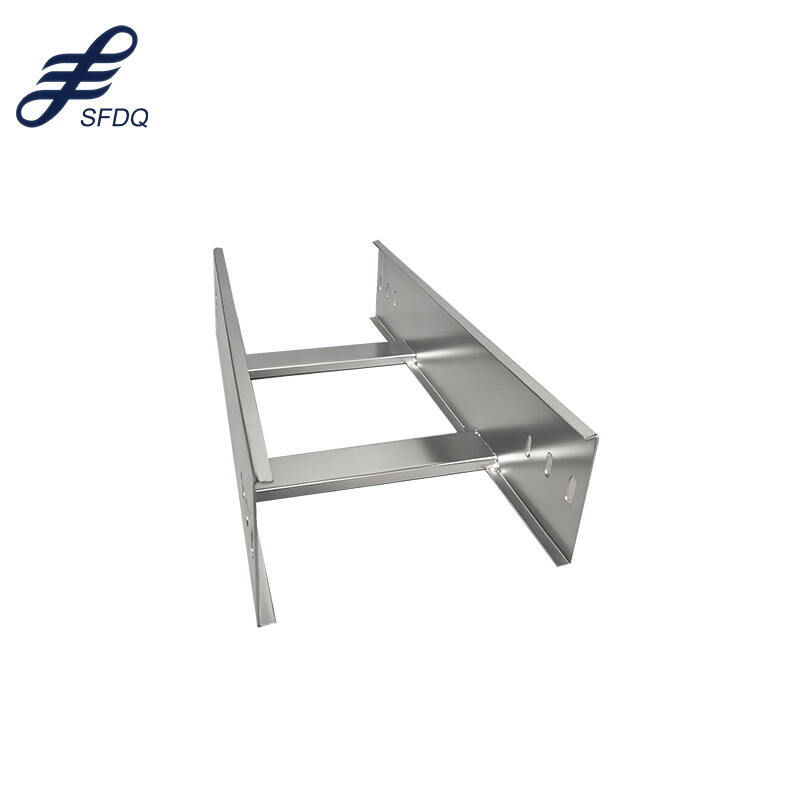
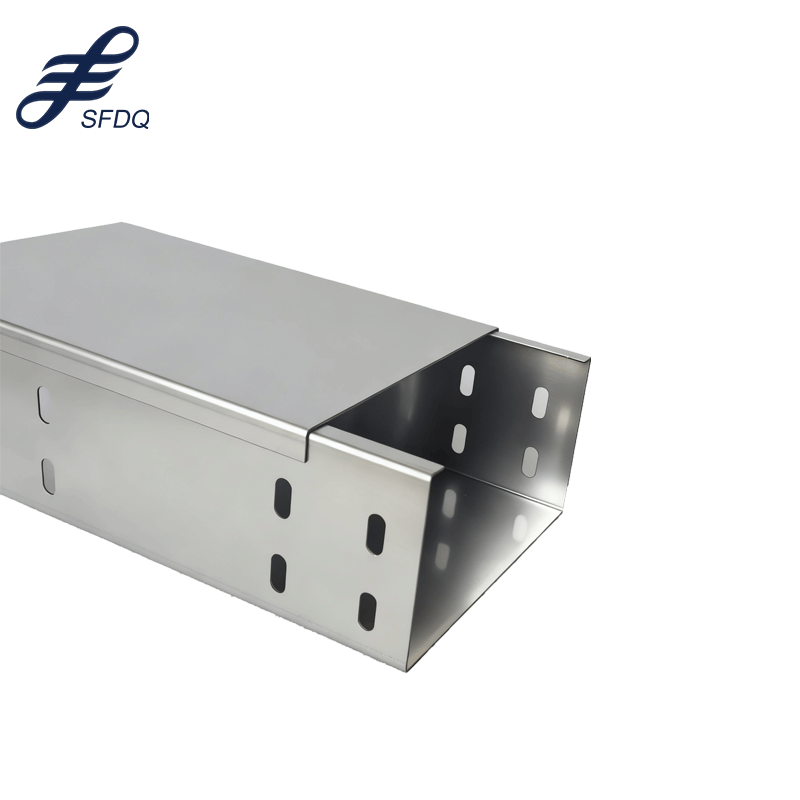
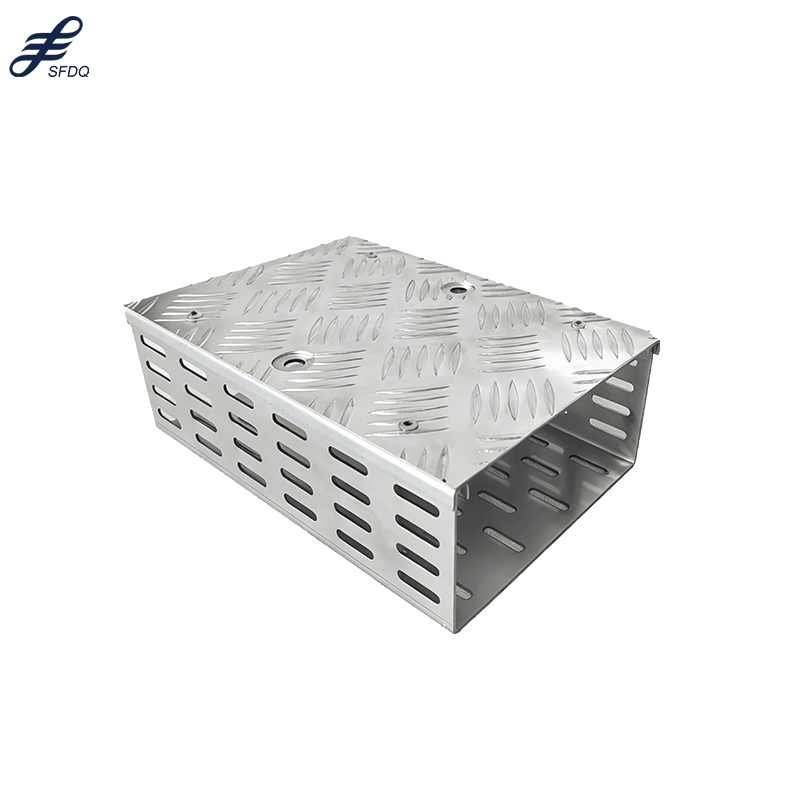
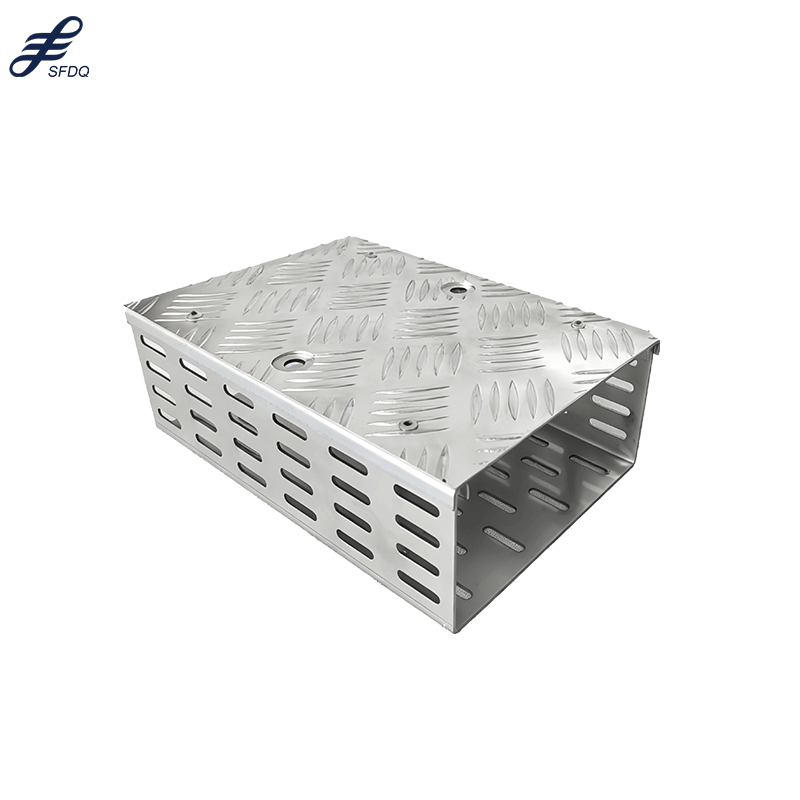
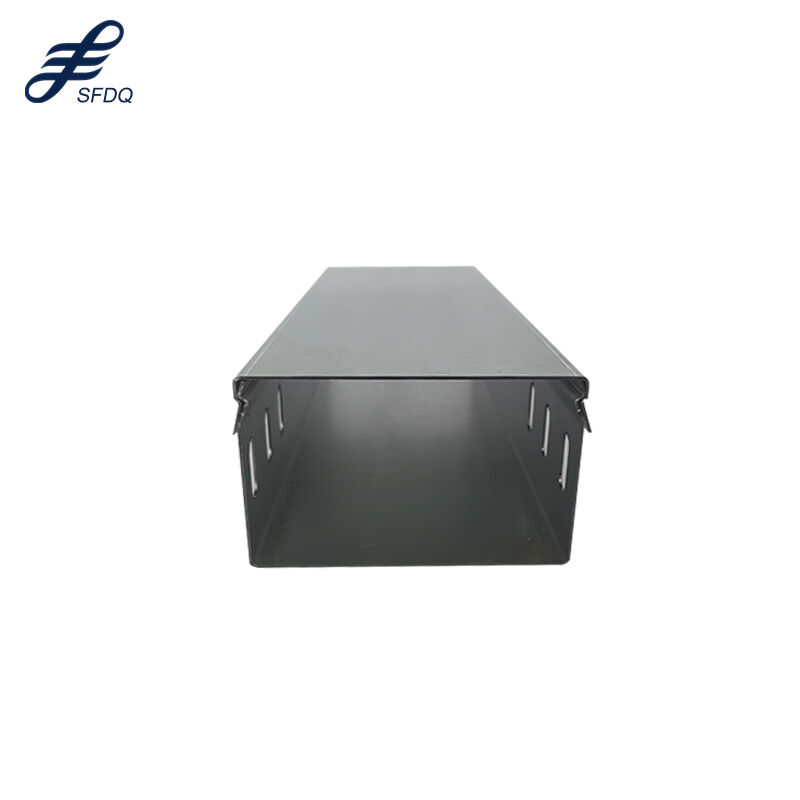
An outdoor cable tray represents a sophisticated infrastructure solution designed to organize, protect, and route electrical cables in external environments. This robust support system serves as the backbone for power distribution networks, telecommunications infrastructure, and data transmission systems across diverse outdoor applications. The outdoor cable tray functions as a mechanical support structure that elevates cables above ground level while providing comprehensive protection against environmental hazards including moisture, UV radiation, temperature fluctuations, and physical damage. Modern outdoor cable tray systems incorporate advanced materials and engineering techniques to withstand harsh weather conditions while maintaining optimal cable performance and longevity. The primary function of an outdoor cable tray involves creating organized pathways for multiple cable runs, eliminating the chaos and potential safety hazards associated with ground-level cable installation. These systems facilitate efficient cable management by providing designated routes that prevent cable interference, reduce maintenance requirements, and enable easy access for future upgrades or repairs. Technological features of contemporary outdoor cable tray designs include corrosion-resistant coatings, ventilation systems for heat dissipation, and modular construction that allows flexible configuration based on specific project requirements. The structural integrity of an outdoor cable tray relies on high-grade materials such as galvanized steel, aluminum alloys, or fiberglass-reinforced plastics that deliver exceptional durability and load-bearing capacity. Applications for outdoor cable tray systems span numerous industries including renewable energy installations, industrial facilities, commercial buildings, telecommunications networks, and municipal infrastructure projects. Solar farms utilize outdoor cable tray systems to manage DC and AC power cables efficiently, while manufacturing plants depend on these structures to organize control cables and power distribution lines across expansive outdoor areas. The versatility of outdoor cable tray solutions makes them indispensable for projects requiring reliable cable management in challenging environmental conditions, ensuring consistent performance and regulatory compliance throughout their operational lifespan.

New Products

The outdoor cable tray delivers exceptional value through its comprehensive approach to cable management challenges faced by modern installations. These systems provide superior protection for valuable cable investments by shielding conductors from environmental damage that could result in costly repairs or system failures. The elevated design of an outdoor cable tray prevents ground moisture intrusion, reduces rodent interference, and minimizes accidental damage from maintenance vehicles or equipment operations. Installation efficiency represents a significant advantage of outdoor cable tray systems compared to traditional underground conduit methods. Contractors can complete cable routing projects faster because the outdoor cable tray allows direct cable placement without extensive excavation work or concrete encasement procedures. This streamlined installation process reduces labor costs and project timelines while eliminating the complications associated with underground utilities or soil conditions. Maintenance accessibility stands as another crucial benefit of outdoor cable tray implementations. Technicians can easily inspect, test, and replace cables without disrupting adjacent systems or requiring specialized excavation equipment. The open design of most outdoor cable tray configurations enables visual inspection of cable conditions, allowing maintenance teams to identify potential issues before they escalate into serious problems. Cost-effectiveness emerges through multiple aspects of outdoor cable tray utilization. Initial installation costs remain competitive with alternative cable management methods, while long-term operational expenses decrease due to reduced maintenance requirements and improved cable longevity. The reusable nature of modular outdoor cable tray components provides additional economic benefits when system modifications or expansions become necessary. Safety improvements result from proper outdoor cable tray installation as these systems eliminate trip hazards associated with ground-level cable runs while providing clear segregation between different cable types. Fire safety benefits include improved ventilation around cables, reduced cable density, and easier access for emergency responders. Environmental sustainability features of modern outdoor cable tray designs include recyclable materials, reduced ground disturbance during installation, and compatibility with green building standards. These systems support renewable energy initiatives by facilitating efficient solar panel connections and wind turbine cable management. The flexibility of outdoor cable tray systems accommodates future technology upgrades without requiring complete infrastructure replacement, ensuring long-term adaptability for evolving electrical and communications requirements.

Latest News

What is a Cable Tray? A Complete Guide for Electrical Projects

04

Dec

What is a Cable Tray? A Complete Guide for Electrical Projects

In the complex landscape of industrial and commercial construction, the infrastructure used to house electrical wiring is just as critical as the machinery it powers. Whether you are developing a high-output plant for automotive parts, managing a he...
View More
The Benefits of Using Cable Trays in Industrial Wiring

08

Jan

The Benefits of Using Cable Trays in Industrial Wiring

In the high-stakes world of industrial infrastructure, the "nerves" of a facility—the electrical wiring—require a support system that is as robust and adaptable as the machines they power. Whether you are managing a high-volume assembly ...
View More
The Innovation Process at a Cable Tray Manufacturer

15

Apr

The Innovation Process at a Cable Tray Manufacturer

The innovation process at a cable tray manufacturer represents a complex ecosystem of research, development, and continuous improvement that drives the evolution of electrical infrastructure solutions. Modern cable tray manufacturer operations must b...
View More
Grades of Stainless Steel for Cable Trays (304 vs 316)

24

Apr

Grades of Stainless Steel for Cable Trays (304 vs 316)

The selection of stainless steel grades for industrial cable management systems represents a critical decision that directly impacts performance, longevity, and operational costs. When specifying a stainless steel cable tray for your project, underst...
View More

Get a Free Quote

Our representative will contact you soon.
Email
Name
Company Name
WhatsApp
Message
0/1000

outdoor cable tray

Weather-Resistant Engineering Excellence

Weather-Resistant Engineering Excellence

The outdoor cable tray showcases advanced weather-resistant engineering that sets industry standards for durability and performance in challenging environmental conditions. This sophisticated design philosophy incorporates multiple layers of protection to ensure reliable operation throughout extreme weather events and seasonal variations. The foundation of weather resistance begins with premium material selection, where manufacturers utilize high-grade galvanized steel, marine-grade aluminum alloys, or advanced composite materials that demonstrate exceptional corrosion resistance and structural integrity. These materials undergo rigorous testing procedures to verify their performance under accelerated weathering conditions, salt spray exposure, and thermal cycling that simulates decades of outdoor service. The protective coating systems applied to outdoor cable tray components represent cutting-edge surface treatment technology designed to combat the most aggressive environmental challenges. Multi-layer coating processes typically include zinc-rich primers, intermediate barrier coats, and weather-resistant topcoats that work synergistically to prevent moisture penetration and oxidation reactions. Advanced powder coating formulations incorporate UV stabilizers and anti-chalking agents that maintain color stability and surface integrity even after prolonged exposure to intense sunlight and temperature fluctuations. Drainage design features integrated into outdoor cable tray systems prevent water accumulation that could compromise cable performance or accelerate corrosion processes. Strategic placement of drainage holes, sloped sections, and water-shedding profiles ensures rapid moisture removal while maintaining structural strength and cable support capabilities. Ventilation characteristics of weather-resistant outdoor cable tray designs promote air circulation around cables, preventing condensation buildup and facilitating heat dissipation that extends cable service life. The modular construction approach enables thermal expansion accommodation without compromising joint integrity or creating stress concentrations that could lead to premature failure. Quality assurance protocols for weather-resistant outdoor cable tray systems include comprehensive environmental testing that validates performance under temperature extremes, humidity variations, chemical exposure, and mechanical stress conditions that exceed typical service requirements. This rigorous validation process ensures that customers receive products capable of delivering decades of reliable service in the most demanding outdoor applications while minimizing maintenance requirements and replacement costs.
Flexible Modular Configuration System

Flexible Modular Configuration System

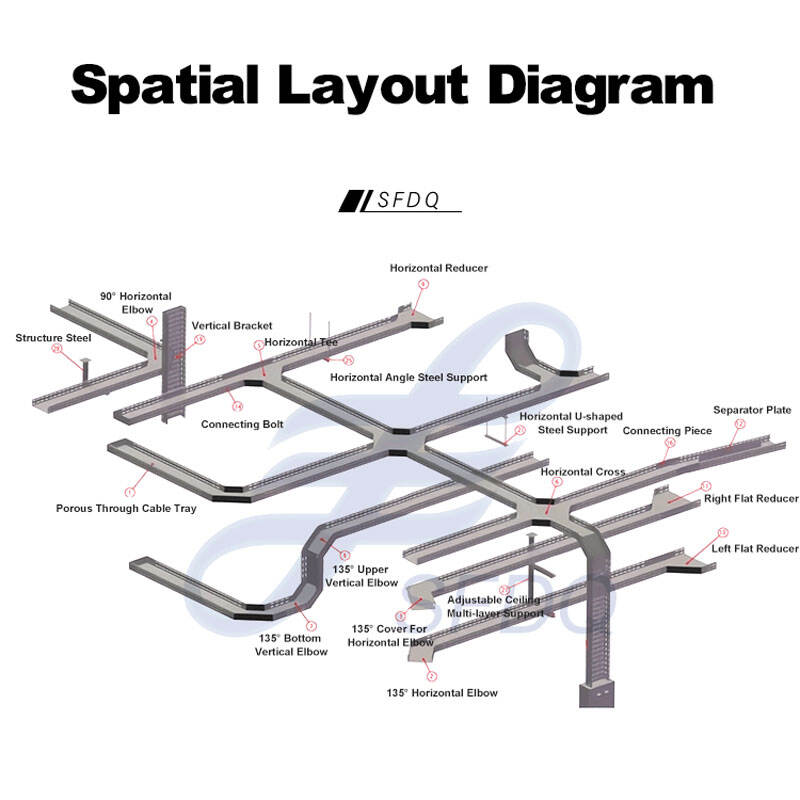
The outdoor cable tray excels through its innovative modular configuration system that provides unmatched flexibility for complex cable routing requirements across diverse project specifications. This modular approach revolutionizes traditional cable management by offering standardized components that interconnect seamlessly to create customized solutions for unique installation challenges. The modular design philosophy of outdoor cable tray systems enables engineers and contractors to configure cable pathways that adapt perfectly to existing infrastructure, architectural constraints, and future expansion requirements without compromising performance or aesthetics. Standard modular components include straight sections, horizontal bends, vertical risers, tees, crosses, and specialized fittings that connect effortlessly through precision-engineered joining systems. These standardized elements undergo strict quality control procedures to ensure dimensional accuracy, load-bearing consistency, and environmental performance across the entire product range. The versatility of modular outdoor cable tray systems extends to multiple width and depth configurations that accommodate varying cable capacities while maintaining optimal spacing ratios for heat dissipation and electrical isolation. Advanced joining mechanisms eliminate the need for specialized tools or complex assembly procedures, enabling rapid field installation by standard electrical crews without extensive training requirements. The modular approach significantly reduces inventory requirements for contractors and facility managers because standardized components serve multiple applications and can be easily reconfigured as project needs evolve. This standardization also streamlines procurement processes and ensures consistent availability of replacement parts throughout the system lifecycle. Expansion capabilities represent a critical advantage of modular outdoor cable tray systems, allowing facility managers to add new cable runs or modify existing pathways without disrupting operational systems or requiring complete infrastructure replacement. The modular design accommodates phased construction projects where initial installations can be expanded systematically as additional electrical loads or communication systems are integrated. Load distribution characteristics of properly configured modular outdoor cable tray systems ensure uniform stress transfer across all components, preventing localized overloading that could compromise structural integrity or cable support performance. Engineering calculations for modular systems consider dynamic loading conditions, thermal expansion effects, and safety factors that guarantee reliable operation under worst-case scenarios. Cost optimization results from the modular approach because standardized manufacturing processes enable economies of scale while reducing custom fabrication requirements that traditionally increase project costs and delivery timeframes.
Superior Cable Protection and Organization

Superior Cable Protection and Organization

The outdoor cable tray provides superior cable protection and organization capabilities that safeguard valuable electrical investments while optimizing system performance and maintenance efficiency. This comprehensive protection approach addresses the complete spectrum of environmental and operational threats that outdoor cable installations face throughout their service lifetime. Physical protection features of outdoor cable tray systems include robust side rails, solid bottom construction options, and optional covers that shield cables from impact damage, debris accumulation, and unauthorized access. The elevated installation of outdoor cable tray systems removes cables from ground-level hazards including vehicular traffic, maintenance equipment, and flooding conditions that could cause catastrophic damage to critical electrical infrastructure. Environmental protection extends beyond basic weather resistance to include specialized features such as UV-resistant materials, anti-static coatings, and chemical-resistant surfaces that maintain cable integrity in industrial environments with aggressive atmospheric conditions. The organization capabilities of outdoor cable tray systems enable systematic cable segregation based on voltage levels, signal types, and operational criticality, preventing electromagnetic interference while facilitating efficient troubleshooting and maintenance procedures. Cable separation techniques implemented through outdoor cable tray design include dedicated channels for power distribution, control circuits, and communication lines that maintain regulatory compliance while optimizing system reliability. Ventilation characteristics built into outdoor cable tray configurations promote natural air circulation around cables, preventing heat accumulation that could degrade insulation materials or reduce current-carrying capacity. Strategic spacing requirements incorporated into outdoor cable tray designs ensure adequate clearances for thermal expansion, mechanical stress relief, and accessibility for maintenance activities without compromising cable protection or system performance. Fire protection benefits result from the open design of outdoor cable tray systems that prevent heat buildup while providing clear evacuation paths for emergency responders and reducing fire propagation risks compared to enclosed conduit systems. The accessibility advantages of properly organized outdoor cable tray installations enable rapid identification of specific circuits, simplified testing procedures, and efficient replacement of individual cables without disturbing adjacent systems. Documentation and labeling systems integrated with outdoor cable tray installations create permanent identification solutions that remain visible and legible throughout the system lifecycle, supporting maintenance efficiency and regulatory compliance requirements. Long-term cable protection results from the stable support environment created by outdoor cable tray systems that eliminate mechanical stress, prevent cable sagging, and maintain proper bend radii that preserve electrical performance characteristics over decades of operation.

Inquiry Inquiry Email Email Tel Tel TopTop

Get a Free Quote

Our representative will contact you soon.
Email
Name
Company Name
WhatsApp
Message
0/1000